
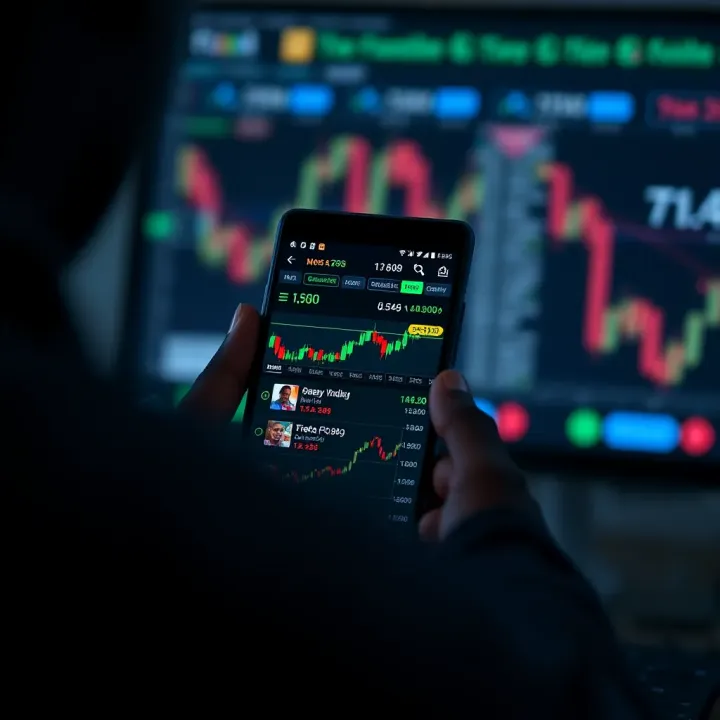
How to Choose the Best Forex Trading App in Kenya
Find the best forex trading app for Kenyan traders 🇰🇪. Discover key features, security tips, & how to pick the right platform for your trading style 📊
Edited By
Henry Townsend
Picking the right forex trading app in Kenya isn’t just about finding something flashy or popular — it’s about getting a tool that fits your trading style, budget, and security needs. The mobile trading scene here is buzzing with options, from local platforms like EGM Securities to international giants like MetaTrader 4 and 5. But how do you sift through the noise and pick the one that actually works for you?
This guide digs into the nuts and bolts of what makes a forex app stand out: usability, cost, security, platform features, and how well it syncs with Kenya’s trading environment. Whether you’re a newbie testing the waters or a seasoned forex trader aiming to optimize trades on the go, understanding these factors is vital.
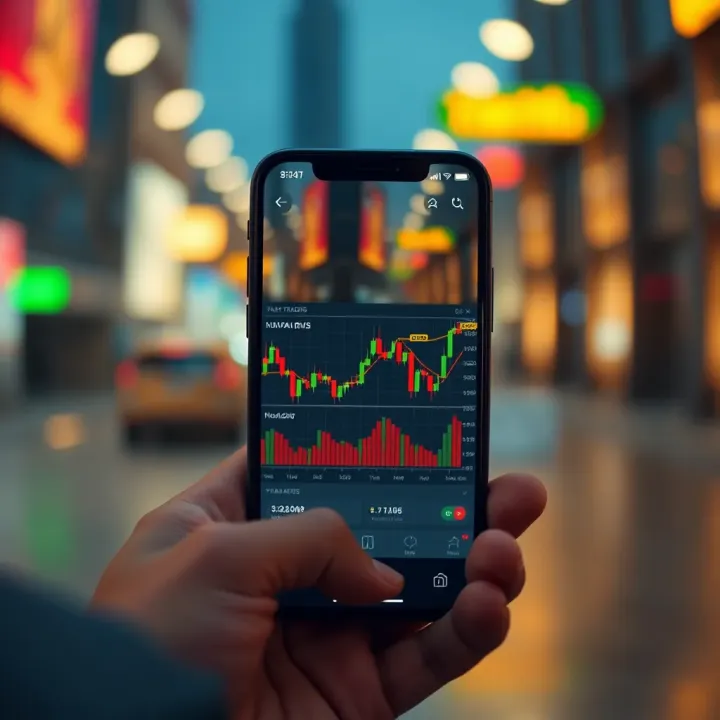
In a market as fast-moving as forex, having a trustworthy and efficient app can be a serious game changer — not just for your profits but for peace of mind.
We’ll break down each aspect with clear examples and practical tips, so you leave with confidence and clarity when choosing your app. No fluff, no jargon — just straightforward info that helps you make smart choices in forex trading right here in Kenya.
Understanding forex trading apps is the first step toward making smart decisions in the fast-moving currency markets, especially for Kenyan traders looking to tap into this global opportunity. These apps act like your personal trading platform right in your pocket, giving you the ability to watch market moves, place trades, and manage risks anywhere and anytime without needing to be tied to a desktop.
With the forex market operating 24/5 and moving quickly, having a reliable app ensures you won’t miss out on critical price changes or opportunities. Think of it like having a close friend who keeps you updated and lets you act fast, instead of waiting until you get back to a computer. For example, if the Kenyan shilling suddenly weakens against the US dollar, a good forex app can notify you instantly, allowing you to react with a timely trade.
These apps also pack various tools for charting, analysis, and trade management that help traders—from beginners to seasoned professionals—navigate the market with more confidence. In Kenya, where mobile use is dominant and internet connectivity can be spotty, picking the right app involves understanding what features matter most and how they perform in local conditions.
A forex trading app is a software application designed specifically for smartphones or tablets that allows traders to access the foreign exchange market on the go. It connects you to a broker’s trading platform, allowing you to monitor currency pairs, analyze price charts, and execute buy or sell orders directly from your device.
Unlike traditional desktop platforms, these apps are optimized for quick decision-making and convenience. They typically include functions like real-time quotes, news feeds, risk management tools like stop-loss orders, and account management features. For instance, popular forex apps like MetaTrader 4 or FXTM Trader let you switch between multiple currency pairs within seconds, making it easier to respond swiftly to market shifts.
Trading forex on a mobile app has become essential for many because of the flexibility and speed it offers. Markets don’t stick to office hours, and currencies can be affected by events happening anywhere in the world, so relying on a desktop alone just won’t cut it. With a mobile app, you are always connected—whether you’re commuting in Nairobi traffic or waiting in line at a local market.
Besides mobility, these apps provide instant notifications and alerts tailored to your trading preferences, which means you can manage risk better and catch trades at the right moment. Think about a situation where a sudden political event impacts currency rates; a timely alert through your app can make the difference between a profitable trade and a missed opportunity.
Moreover, many Kenyan traders appreciate apps because they often consume less data than full desktop sites, recovering faster from weak connections common in rural areas. This means smoother trading experiences with fewer hiccups, even on slower networks.
Key Takeaway: A forex trading app combines convenience, speed, and essential tools in one place, making it a must-have for modern traders in Kenya who want to stay competitive and responsive in a dynamic market.
In summary, understanding what a forex trading app does and why using one makes sense sets the stage for choosing the best app that fits your trading style and the realities of trading in Kenya.
When picking a forex trading app, it's not just about downloading the flashiest or most hyped option on the market. Traders in Kenya, just like elsewhere, need an app that ticks the boxes of reliability, usability, and performance. These features ensure you have the right tools to react swiftly to market swings and manage your investments without a hitch. Let's break down what matters most.
If the price you see lags behind actual market movements, you've already lost the race before placing your trade. Real-time data feeds allow you to track currency pairs live, ensuring you make decisions based on the most current information. Good charting tools offer more than just basic line graphs—they provide candlestick charts, technical indicators like RSI or MACD, and the ability to zoom in on specific timeframes. For instance, MetaTrader 4 offers an excellent set of charting options that have been favored by many Kenyan traders for years, helping them spot trends and reversals smoothly.
In forex, every second counts. An app that delays your trade execution by even a couple of seconds can mean missed profits or bigger losses. Reliable servers and optimized execution engines behind the app keep trades swift and dependable. Take FXTM Trader as an example; its infrastructure supports fast order placements even during high-volatility periods, which can make a big difference when trading volatile pairs like USD/KES. Moreover, avoiding apps prone to frequent crashes or connectivity issues is essential, especially when you’re trading on the go.
A cluttered or confusing user interface can slow you down. The best forex apps for Kenyan traders balance feature-richness with simplicity. Easy navigation means you spend more time trading and less time digging through menus. IQ Option, known for its clean layout and intuitive controls, shows how an app can be powerful without being overwhelming. Clear icons, straightforward menu paths, and customizable watchlists help traders monitor their favorite currency pairs effortlessly.
Forex trading involves risk, and a solid app should help you manage it effectively. Look for features like customizable stop-loss and take-profit orders directly within the app. Alerts are a lifesaver—they can notify you if a currency pair hits a certain price or if your trades approach pre-set risk limits. For example, MetaTrader 5 offers sophisticated alert functions and trailing stops that adjust dynamically to market conditions, helping traders lock in profits or cut losses without constant monitoring.
Choosing the right forex trading app means arming yourself with tools that support quick decisions, clear insights, and sound risk management—elements that can make or break your trading outcome in the fast-moving forex world.
Focus on apps that not only provide granular market data but also empower you with intuitive controls and safety nets for your money. That approach lays a solid foundation whether you’re just starting out or you’ve been trading for years.
Security is not just a box to tick when choosing a forex trading app; it’s the foundation that protects your investments and personal information. For traders in Kenya, where mobile trading is growing rapidly, selecting an app with robust security measures is non-negotiable. You want peace of mind knowing your data and funds aren’t sitting ducks for hackers.
Strong security protocols reduce the risk of unauthorized access, fraud, and data leaks. They also ensure compliance with financial regulations, which is crucial when dealing with real money. Without proper safeguards, users risk losing everything with just one cyber attack or technical glitch.
Understanding exactly how apps protect you can steer you away from risky platforms. Two critical aspects of security in forex apps are encryption and authentication—each playing a distinct but complementary role.
Encryption acts like a secret language between your device and the trading app’s servers. When you send information—say your login details or trade orders—it’s scrambled so only the intended recipient can decode it. This keeps your private information safe from prying eyes on public Wi-Fi or unsecured networks.
Most reputable forex trading apps use advanced encryption standards, such as AES-256, which is similar to what financial institutions and governments rely on. Take MetaTrader 4 and 5, for example: they employ strong encryption to safeguard communication channels.
Besides data in transit, encryption also covers data at rest—the information stored on servers or your device. Some apps adopt additional techniques like tokenization, which replaces sensitive data with randomized tokens, minimizing risk even if a breach happens.
Encryption goes hand in hand with secure data policies, ensuring that your personal information isn’t sold or shared without consent. Kenyan traders especially benefit from apps that comply with regulations like GDPR or local Data Protection Acts, as these require strict data handling standards.
Even if data is encrypted, poor authentication can be the weak link hackers exploit. Authentication confirms that you are really you when logging into your forex app, protecting your account from unauthorized use.
At a minimum, strong password requirements and periodic prompts to update credentials should be standard. But the best apps go further by offering Two-Factor Authentication (2FA). This typically involves a secondary step—like a one-time code sent to your phone or generated by an authenticator app—which greatly increases account safety.
Some platforms allow biometric authentication such as fingerprint or face recognition, providing convenient yet secure access. For example, FXTM Trader supports fingerprint login on compatible devices, adding an extra shield beyond just passwords.

Additionally, look out for apps that provide login alerts and session management features. Receiving notifications when your account is accessed from a new device or location helps spot suspicious activity early. Being able to remotely log out from other sessions adds another layer of control.
In the world of mobile forex, the smartest traders know that solid security isn’t an option but a necessity. Choosing apps with strong encryption and multifaceted authentication not only protects your assets but also empowers you to trade confidently.
In sum, when vetting forex trading apps for use in Kenya, prioritize those offering up-to-date encryption technology and flexible, secure authentication options. This reduces vulnerability, ensures legal compliance, and sets a reliable foundation for your trading activities.
When choosing a forex trading app, understanding the costs involved is absolutely essential. A trader might find the most intuitive app with the coolest features, but if the fees chip away at their profits, it’s a raw deal. Costs can vary significantly between apps, so comparing them helps investors in Kenya select a platform that fits their budget while still offering good value.
Costs primarily come from spreads, commissions, and other fees tied to trading activity. Additionally, some apps throw in in-app purchases or require subscription payments for advanced features, which can add up. Being aware of these expenses upfront ensures traders can maintain a clear view of their trading expenses and avoid unpleasant surprises.
One of the first things you’ll bump into when trading forex is the spread — the difference between the bid and ask price. Some apps advertise "zero spreads," but they often make up the cost by charging commissions on each trade. It’s like walking into a market where the price tags look lower, but you end up paying more in service fees.
Consider MetaTrader 4, a popular app in Kenya; many brokers offer varying spreads depending on account type and market volatility. For example, a standard account might have a spread of 1.5 pips on EUR/USD, while a premium account could lower that to 0.8 pips but charge a $5 commission per trade. Traders need to balance this tradeoff: lower spread and higher commission or a wider spread without commission.
Additional fees might include overnight rollover charges or inactivity fees, especially if you leave trades open for days or forget your account. These can quietly eat into profits if ignored.
Apart from direct trading costs, some forex apps offer premium tools or educational content behind paywalls. For instance, apps like FXTM Trader may offer basic charting free but require a subscription for advanced indicators or real-time news feeds.
It’s practical for traders in Kenya to check whether these extra purchases add real value. A novice might not need a monthly subscription for VIP signals if they’re just starting to learn the ropes. On the flip side, seasoned traders might find paid features worth every shilling if it improves their trading decisions.
Subscription models vary widely—some charge a flat monthly fee, others might offer pay-as-you-go. Always check the fine print for cancellation policies too, since some subscriptions renew automatically.
Remember, the cheapest app upfront might end up costing more with hidden or recurring fees. Trading cost transparency should be a top priority.
In a nutshell, comparing costs in terms of spreads, commissions, and extra purchases helps traders make smarter choices. It keeps taking control of expenses and maximizing returns when trading forex on mobile apps in Kenya.
When diving into forex trading in Kenya, the choice of app matters a lot. It’s not just about picking the most popular option but finding one that fits your trading style and local needs. Popular apps like MetaTrader 4 (MT4), MetaTrader 5 (MT5), IQ Option, and FXTM Trader have stood the test of time here for various reasons. These apps offer tools, reliability, and regional relevance that can turn the tide in your trading experience.
Understanding what each app brings to the table helps Kenyan traders decide which features are must-haves. Think of it as choosing a pair of shoes; you wouldn’t pick boots for a beach run, right? Similarly, the trading app you pick should match your approach to forex.
MetaTrader 4 and 5 are often the first names that come to mind with forex trading. MT4, known for its simplicity and reliability, is perfect for those who want straightforward trading with access to real-time data, customizable charts, and expert advisors (EAs) that automate trading. MT5 builds on this by offering more timeframes, order types, and a built-in economic calendar, making it suitable for traders who want deeper analysis and multi-asset trading, including stocks and futures.
Both platforms allow seamless integration with brokers who operate in Kenya, meaning you can execute trades quickly without much hassle. They support advanced technical indicators, which local traders use to navigate the volatile forex market.
Pros:
Robust charting and technical analysis tools
Support for automated trading via EAs
Broad broker compatibility
MT5 offers expanded asset classes beyond forex
Cons:
MT4 feels a bit dated compared to newer apps
MT5 is more complex, which might intimidate beginners
Limited social or community features within the app
If you want a no-nonsense platform that’s tried and tested, MT4 is your go-to. MT5 suits those craving more complexity and options.
IQ Option is known for its intuitive design and user-friendly interface. Its strength lies in offering various instruments, including forex, digital options, and cryptocurrencies, all in one spot. For Kenyan traders who like trading with small capital, IQ Option’s low minimum deposit is a big draw.
The app packs quick trade execution, real-time charts, and a range of educational resources to help newcomers get their feet wet without drowning. Plus, its demo account allows plenty of practice before risking real money.
Pros:
Simple and clean design, great for beginners
Low minimum deposit, which is friendly for small-scale traders
Diverse asset mix beyond just forex
Responsive mobile experience
Cons:
Limited advanced charting features compared to MT4/MT5
Higher spreads in some currency pairs
Regulation is less stringent compared to other platforms, which could worry some traders
IQ Option fits well if you’re just starting out, or if you like the flexibility of trading various assets in one app without too much fuss.
FXTM Trader caters well to the Kenyan market by tailoring forex access to local conditions. Its slick app offers one-click trading, native Swahili language support, and competitive spreads which are key benefits for Kenyan traders.
The platform focuses on ease of deposit and withdrawal methods tailored for Kenya, including mobile money options like M-Pesa. It also offers educational materials, webinars, and real-time market news to keep traders informed.
Pros:
Localized payment options simplify funding and withdrawals
Powerful, user-friendly interface with good charting tools
Strong focus on client education and support
Fast trade execution
Cons:
Less known outside specific regions, might have fewer community features
Some advanced tools require upgrading account tiers
For Kenyan traders who want a seamless local experience plus solid forex features, FXTM Trader is a contender. The integration with M-Pesa especially smooths the often tricky process of moving money in and out.
In sum, picking the right forex trading app in Kenya boils down to matching features with your personal trading habits and what local conveniences matter most. Whether you lean toward the classic powerhouses MT4/MT5, the straightforward IQ Option, or the locally attuned FXTM Trader, each has something valuable to offer to help you get the most from your forex trading.
Picking the right forex trading app isn't as simple as just clicking "install." For Kenyan traders serious about managing their investments well, a careful evaluation can save a lot of hassle—and money. Evaluating before downloading helps you avoid unreliable apps that might freeze during a trade or, worse, compromise your funds. This stage sets the foundation for confident trading, giving you tools that are quick, secure, and user-friendly.
Before hitting the download button, take a moment to browse through the app's reviews and ratings on the Google Play Store or Apple App Store. These firsthand accounts give a peek into real user experiences. For example, if a lot of users complain about frequent crashes or slow trade execution, that's a red flag. Also, check if the developer responds to feedback—this shows ongoing support and updates. Remember, a high rating with hundreds of reviews usually signals reliability, but look out for reviews that mention issues specific to Kenyan users like regional service limitations or payment gateway hiccups.
A lot of forex trading apps offer demo accounts which are like training wheels for new users. These accounts let you try trading with fake money but real market data. Use these demos to understand the app's interface, the speed of executing trades, and how well the charts perform. For instance, firms like FXTM Trader and MetaTrader 4 provide demo modes that mimic live trading. Testing these can reveal if the app feels intuitive for your style, or if it’s clunky and hard to navigate. It’s much better to discover these quirks before risking your hard-earned cash.
Your money’s safety depends heavily on the broker behind the app. It's crucial to confirm that the brokerage firm is properly licensed by recognized authorities. In Kenya, the Capital Markets Authority (CMA) regulates forex activity, so ensure your broker is registered with them or holds licenses from respected global bodies like the FCA (UK) or CySEC (Cyprus). Licensed brokers must follow strict rules designed to protect you, such as segregating client funds and providing transparent pricing. Ignoring this can lead you into the hands of scams or unregulated entities, which happens more often than you'd think—especially with newer apps sprouting up all the time.
Always prioritize apps connected to well-established brokers with a solid track record. It’s the safest bet you have when trading forex on mobile in Kenya.
By checking reviews, testing demo accounts, and verifying broker licenses, you arm yourself with knowledge before making a commitment. This approach helps you trade smarter, avoid surprises, and focus on strategies that bring real results without worrying about tech headaches or shady platforms.
Customer support often plays a behind-the-scenes role, yet it can make or break your experience with a forex trading app, especially in a fast-paced market like forex. In Kenya, where connectivity issues or sudden app glitches might happen, having responsive and helpful support is essential. When things go sideways—whether it's a delayed withdrawal or an unexpected error during a trade—knowing you can quickly reach a knowledgeable agent can save you stress and potential losses.
How soon can you get help when things don't go as planned? That’s a question every trader should ask when choosing a forex trading app. A customer support team that’s available 24/7 is a huge advantage because forex markets never sleep, and neither do trading issues sometimes. For instance, MetaTrader 4 offers round-the-clock support via brokers' own teams, which helps traders sort out problems quickly, no matter the hour.
Fast response times reduce the chance you'll miss out on market opportunities due to technical setbacks. If a Kenyan trader has a problem at 3 AM, it's no good if the support team answers only during office hours. So, check if the app promises live chat support or a hotline that doesn’t leave you hanging.
Another factor to keep in mind is the variety of ways to reach customer support. The best forex apps offer multiple channels such as email, live chat, phone, and sometimes even WhatsApp or Telegram support, which many Kenyans prefer for quick conversations. This flexibility means you can pick the method that fits your situation and comfort level.
Also, language matters. While English is widely spoken in Kenya, Swahili and local dialects can make communication smoother, especially if you’re explaining a complex technical issue. An app that provides support in Swahili or offers a Kiswahili-speaking agent shows real understanding of the local market.
In forex trading, every minute counts, and so does clear communication. Knowing you can count on swift and accessible support in a language you’re comfortable with helps maintain confidence and keep your trading strategy on track.
To sum it up, when evaluating forex trading apps for Kenyan users, give customer support top priority. Fast, dependable, and multilingual support channels aren't just perks; they're essentials that could make the difference between a nightmare and a smooth trading experience.
Mobile connectivity plays a huge role in forex trading, especially here in Kenya where many traders rely on their smartphones to execute trades. A stable and fast internet connection can mean the difference between catching market movements and missing out entirely. Since forex markets move rapidly, any lag or drop in connectivity can lead to delayed trade execution or even losses. Understanding how mobile networks work across the country and how data usage affects your trading experience is key to picking the right forex app and staying competitive.
Kenya's mobile network coverage varies quite a bit from urban to rural areas. Cities like Nairobi, Mombasa, and Kisumu generally enjoy strong 4G or even 5G signals, allowing traders to monitor charts and place orders smoothly. However, if you're trading from places like parts of Western Kenya or the Coast where network signals might weaken, the situation gets trickier. Some areas may only have 3G or spotty 4G coverage, which can cause delays or dropouts during crucial moments.
For example, a forex trader based in a Nairobi suburb using Safaricom’s 4G network usually enjoys lag-free connectivity. But a trader in a remote area using a smaller provider might face slower load times, impacting their ability to react quickly. It’s wise for traders to test their mobile internet in their trading spot before committing to heavy trading activities.
Mobile providers like Safaricom, Airtel, and Telkom Kenya have made big strides in expanding their networks, but the inconsistency still matters for forex where split-second decisions count. Many Kenyan traders carry a backup SIM from a different network to hedge against outages or poor signal on their primary line.
Forex trading apps can eat up quite a bit of data, especially if you’re constantly streaming live market info, checking charts, or accessing news feeds. In Kenya, data costs remain a significant factor—while prices have dropped over the years, heavy daily use can put a dent in your budget.
Take MetaTrader 4 or MetaTrader 5, for instance. Live market updates, real-time price charts, and push notifications require consistent data flow. Similarly, apps like IQ Option offer features such as live feeds and educational materials that add to data consumption. For traders on limited data plans, this could lead to high monthly costs.
Some traders combat this by connecting to Wi-Fi when available, or choosing apps that allow offline chart analysis whenever possible. Kenyan networks also offer various data bundles; savvy traders look for bundles that offer a good balance of data volume and price, like Safaricom’s daily or weekly browsing packages.
Being mindful of your data use not only saves money but also helps ensure you don’t lose critical market updates when you need them most.
Ultimately, understanding your mobile connectivity options and managing data wisely can help Kenyan traders avoid technical hiccups and keep their trading strategy on point, no matter where they’re located.
Trading forex on your mobile device offers great convenience, but it also demands a smart, cautious approach to avoid pitfalls. This section explains how you can manage your trades effectively wherever you are, and how to steer clear of the common mistakes that catch many traders off guard. Keeping these tips in mind will help you trade confidently without losing your shirt.
When you manage trades on the go, it's about balancing speed with careful decision-making. Mobile trading apps like MetaTrader 4 and FXTM Trader allow traders in Kenya to monitor charts, place orders, and adjust stop losses anytime — whether commuting or at a café. The key is to use alerts effectively. For instance, setting up price alerts ensures you don’t miss when your target or stop-loss levels are hit, even if you’re not glued to your screen.
Another important point is managing your data usage. Trading apps can be data-heavy, especially with real-time charts and news feeds. So, opting for a Wi-Fi connection when available or monitoring your mobile data can save costs. Also, be cautious about placing trades during poor network conditions, common in some parts of Kenya. Executing an order just as your network drops can cause delays or failed trades, dragging your results down.
Finally, always double-check your order details before confirming. It sounds basic, but typing errors on a small screen may occur more often than you think, especially when you’re in a hurry. Some apps let you preview your trade before submission — use this feature to avoid costly slips.
Plenty of traders get burned by repeating avoidable errors. A common one is over-trading, driven by excitement or the fear of missing out. Mobile apps make trading too easy — but every trade should be backed by a solid strategy, not just impulse. For example, don’t chase a currency reaction based on a headline without analyzing if it fits your trading plan.
Another mistake is neglecting risk management tools. Stop-loss and take-profit orders are your friends; without them, a sudden market spike against you can wipe out profits or eat into your capital quickly. Many Kenyan traders skip this, thinking they can react in time, but the volatile forex market moves fast, and delays on mobile can be costly.
Lastly, avoid ignoring app updates and security measures. Frequent updates often patch security holes and improve performance. Running outdated apps or ignoring two-factor authentication setups invites trouble, especially with cyber threats on the rise.
Remember: Smart mobile trading means respecting the tools and your limits — treat your trading app like a precision instrument, not just a casual gadget.
By managing trades effectively and avoiding these common mistakes, Kenyan forex traders can safeguard their investments and make the most of mobile trading opportunities.
Find the best forex trading app for Kenyan traders 🇰🇪. Discover key features, security tips, & how to pick the right platform for your trading style 📊

Discover the top features and security tips for forex trading apps in Kenya 🇰🇪. Learn how mobile tech boosts your trading experience safely 📱💹.
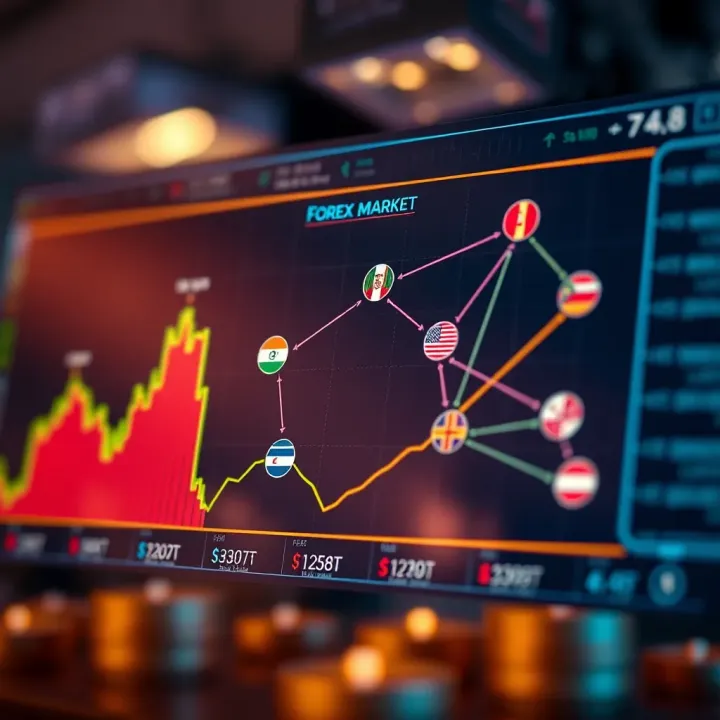
🇰🇪 Learn forex trading basics for Kenyan traders! Understand market structure, currency pairs, strategies, risk control & steps to start confidently 📈💰
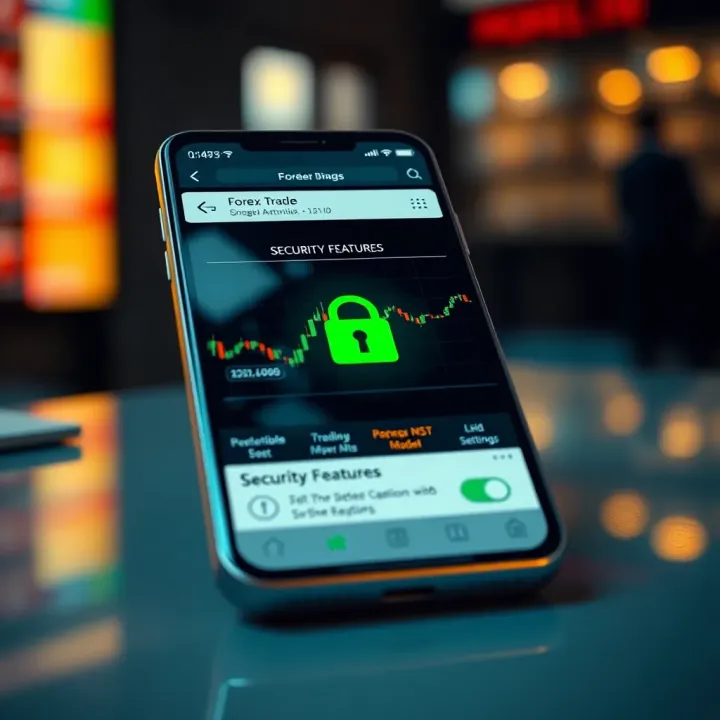
Discover the best forex trading apps for Kenyan traders 📱🌍. Compare features, security, and costs to find the perfect fit for your trading style and experience.
Based on 15 reviews