
Understanding Non-Binary Identity in Kenya
Explore non-binary identity beyond male-female roles ⚧. Understand cultural roots, Kenyan challenges, lived experiences, and how to support this community today.
Edited By
Sophia Bennett
The idea of being non-binary challenges the usual way we think about gender as just male or female. In Kenya, many still see gender in traditional terms, but understanding non-binary identities helps create space for people whose experience of gender doesn't fit these classic categories.
Non-binary means someone doesn't exclusively identify as male or female. This can include mixing both, neither, or shifting between genders. For example, a person might feel male some days and female on others, or identify as neither man nor woman at all.
Recognising non-binary identities is about respecting how people feel inside, not just what they look like or their birth sex.
There are different labels within the non-binary spectrum. Terms like genderqueer, genderfluid, and agender appear often. For instance, genderfluid describes someone whose gender changes over time, while agender refers to a person who feels they don't have a gender at all.
Understanding these terms matters especially for workplaces, schools, and communities in Kenya. A trader dealing with clients or employees might meet someone who is non-binary. Knowing this can affect how you address them and respect their identity, which builds trust and good relationships.
In Kenyan culture, some traditional communities recognise roles beyond male and female. For example, the African Indigenous concept of multiple gender roles historically existed but were sidelined through colonial rules and Christian norms. Today, some young Kenyans are reclaiming these understandings and pushing for broader gender acceptance.
To support non-binary people practically:
Use the name and pronouns they prefer; it goes a long way to show respect
Avoid making assumptions about their gender based on appearance
Respect privacy if they choose not to disclose their identity widely
Adopting these practices fosters an inclusive environment whether in offices, markets, or social gatherings. Bringing this knowledge into everyday conversations can help Kenya’s diverse society become more accepting of gender diversity.
This clear guide will explore these aspects step by step, helping traders, investors, and professionals navigate this topic with awareness and respect.
Understanding what non-binary means gives you the foundation to appreciate the variety and complexity of gender identities beyond the traditional male or female labels. For Kenyan traders, investors, and finance professionals, recognising non-binary identities is more than a cultural insight — it fosters respect and inclusivity in workplaces and client interactions, which can impact team dynamics and business relations.
At its core, being non-binary means a person’s gender identity does not fit strictly into the categories of male or female. This distinction affects how they relate to gender roles, how they want to be recognised, and how society treats them. Having a clear grasp of these ideas helps companies create policies that respect all employees and clients, avoiding misunderstandings and discrimination.
Gender identity is a person's internal sense of their own gender. It may or may not align with the sex assigned to them at birth. To put it simply, it’s about how someone feels inside and wants to be recognised outside. For instance, a person assigned female at birth might identify as male, non-binary, or somewhere in between.
This inner sense is separate from physical appearance or legal status but influences daily life profoundly. Kenyan workplaces that understand gender identity well can offer support that goes beyond formal requirements—for example, respecting name and pronoun preferences or adjusting dress codes to be more inclusive.
Traditional gender labels like ‘male’ and ‘female’ have long defined social roles and expectations. However, non-binary identities challenge the idea that everyone must fit into one of these two boxes. Non-binary people might identify as both genders at once (bigender), neither (agender), or fluctuate between genders (genderfluid).
Consider a practical example: in Nairobi’s financial sector, an analyst named Wanjiku might identify as non-binary and prefer the pronouns they/them. Recognising this is vital not only for respectful communication but also for creating a workplace where everyone feels valued.
Respecting non-binary identities boosts morale and productivity because people can bring their full selves to work without hiding important aspects of who they are.
Recognising that gender identity exists on a spectrum rather than a strict male-female split opens the door to deeper understanding and better interactions both personally and professionally.
This section sets the stage for exploring the different non-binary identities and how Kenyan culture and workplaces can become more understanding and supportive environments.
Understanding the different identities within the non-binary spectrum helps give clear insight into the diversity beyond the male-female divide. This knowledge supports respect and inclusion in workplaces and communities by recognising people’s lived experiences more accurately. For example, knowing these categories helps an investor or professional avoid assumptions when engaging with colleagues or clients who identify outside the gender binary.
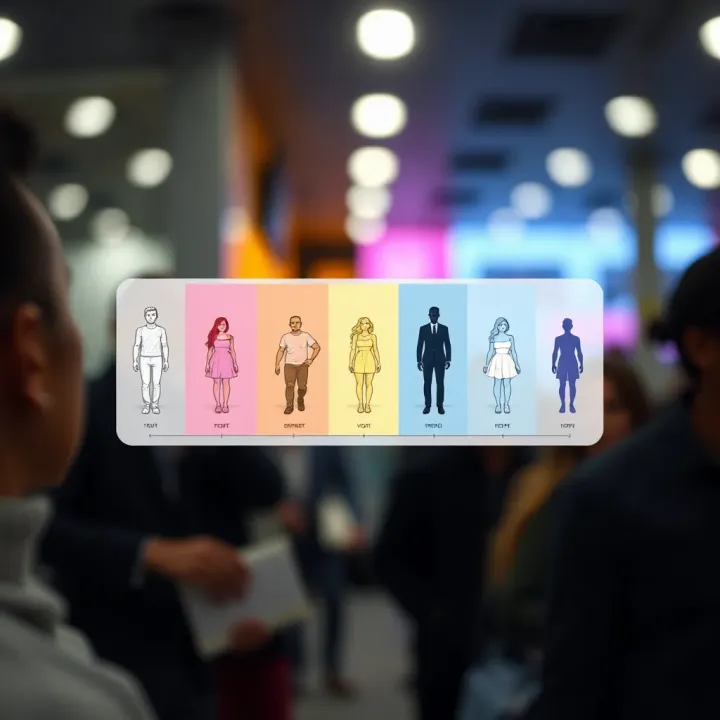
"Genderqueer" is a broad term covering people who don't fit neatly into male or female categories. It challenges traditional gender norms without fixing on a particular identity. For instance, someone might identify as genderqueer because their gender expression or feelings don’t line up with society’s expectations.
On the other hand, "genderfluid" refers to individuals whose gender identity changes over time. It’s like a weather pattern—some days they might feel more masculine, other days more feminine, or neither. For example, a person might feel comfortable using different pronouns on different days or present themselves differently depending on how they identify at that moment.
Agender individuals see themselves as having no gender. This can mean they don’t identify with any traditional or non-traditional gender labels. For example, an agender person may prefer neutral pronouns like "they/them" and avoid gendered terms altogether.
Bigender people identify as having two genders, either simultaneously or switching between them. This might mean feeling both male and female at the same time or sometimes one more than the other. It’s essential to listen to how they describe their experience, as the balance can vary widely from person to person.
Beyond these, there are several other non-binary identities worth recognising:
Demiboy/Demigirl: Partial identification with male or female genders.
Two-Spirit: A term used in some Indigenous cultures to describe people who embody both masculine and feminine spirits.
Neutrois: Those who identify as neutral or null in gender.
These terms show the rich variety within the non-binary community, reflecting personal ways people experience gender. Being familiar with them helps you engage respectfully and thoughtfully.
Understanding non-binary identities is not just about terminology; it’s about acknowledging people’s honest self-expression to foster meaningful relationships and inclusive environments.
For finance professionals and traders, recognising these identities promotes respectful client relations and inclusive workplaces, which can contribute to better teamwork and business outcomes. It's also a step toward shattering outdated stereotypes that often limit people’s potential in professional settings.
Acknowledging non-binary identities within Kenyan and broader African settings is key to fostering inclusivity and understanding. This recognition isn't just about names or labels; it affects social acceptance, legal rights, access to services, and everyday interactions. For professionals in finance or business, appreciating these identities can improve workplace harmony and client relations by respecting diversity.
Historically, many African communities recognized gender roles beyond the binary of male and female, often through spiritual or social roles that didn't fit neatly into these categories. For example, the Buganda kingdom in Uganda acknowledged individuals called "muwanika" who held roles not defined by conventional gender norms. Similarly, among the Meru community in Kenya, some elders accepted roles for people who did not conform strictly to male or female expectations, often linked to cultural rituals. These examples show that the idea of gender diversity is not entirely new to the continent.
While Western ideas of gender have influenced modern African societies, traditional practices often included more fluid understandings of gender roles.
However, colonial laws and missionary influence introduced rigid binary gender frameworks, overlaying earlier cultural norms and, in many cases, criminalising non-conforming identities. This history continues to influence present-day attitudes and policies, making it crucial to revisit and appreciate indigenous perspectives.
Today, there is growing awareness of non-binary identities in Kenya and across Africa, especially among younger generations and urban populations. This shift is partly driven by increased access to information through social media and dialogues around human rights. Some local NGOs and activists actively promote education about gender diversity, challenging stereotypes and pushing for legal reforms.
In professional settings, recognising non-binary identities can enhance inclusivity. For instance, companies updating HR policies to include preferred pronouns or adapting forms to allow gender options beyond male and female send a positive message to employees and clients alike.
Nonetheless, acceptance varies widely. In rural areas where traditional views dominate, non-binary individuals may face misunderstanding or stigma. Public institutions, including schools and healthcare providers, often lack tailored services or training to support non-binary people adequately.
Integrating gender diversity education into organisational training.
Encouraging open conversations that respect personal gender identities.
Advocating for policy changes that protect rights based on self-identified gender.
Recognising non-binary identities in the Kenyan context goes beyond trends; it respects lived realities and aligns with broader goals of diversity and inclusion. For finance and business professionals, embracing this understanding can build trust and reputation in a changing social landscape.
Understanding the challenges faced by non-binary individuals is vital for appreciating their daily experiences and the barriers they overcome. These challenges can affect their social life, legal recognition, and access to essential services, especially in a Kenyan context where gender norms tend to be rigid. Recognising these hurdles helps build empathy and encourages practical support in workplaces, communities, and institutions.
Social acceptance remains one of the toughest hurdles for non-binary people. Many Kenyan families hold traditional views on gender, expecting children to conform to male or female roles. For example, a young person who comes out as non-binary may encounter confusion, rejection, or pressure to change from relatives or friends. This can lead to emotional distress or isolation. In communities where social standing and family reputation carry heavy weight, non-binary identities are often misunderstood or dismissed.
In professional settings, non-binary employees might face subtle biases or exclusion, making it harder to thrive at work. Simple practices like insisting on binary gendered uniforms or forms that only have "male" or "female" options can alienate non-binary staff, affecting their sense of belonging.
Kenya's legal framework currently lacks explicit recognition of non-binary or third-gender identities. Official documents such as national IDs, passports, and academic certificates typically require a male or female gender marker. This legal rigidity poses serious challenges for non-binary individuals needing to prove identity or access services.
Without legal recognition, non-binary people face difficulties opening bank accounts, registering businesses, or accessing loans. The banking sector and institutions like the Kenya Revenue Authority (KRA) often require gender-specific information, which can exclude or complicate services for those who don’t fit traditional categories.
In courts or during police interactions, non-binary persons might not have their identities respected, opening doors to discrimination or unfair treatment. Institutional policies need updating to reflect gender diversity to prevent exclusion and human rights abuses.
Healthcare access presents crucial challenges for non-binary people, who often encounter providers unfamiliar with, or unsupportive of, their identities. For instance, a non-binary patient seeking hormone therapy or mental health support may face stigma or a lack of knowledgeable medical staff. This has a direct impact on their well-being and ability to manage gender-related health needs.
Support services related to counselling or HIV care might lack the cultural competence to serve non-binary clients effectively. This leaves many without proper guidance or in fear of disclosing their identity, which is essential for tailored care.
Non-binary individuals often navigate a complex web of social misunderstanding, legal obstacles, and inadequate healthcare – recognising these challenges is the first step towards meaningful inclusion.
By addressing these specific areas, Kenyan society can move toward creating safer, more inclusive environments where non-binary people can live authentically without fear or disadvantage.
Supporting non-binary people is about recognising their identity and ensuring they feel safe and respected. This is especially important in Kenya, where traditional views on gender often leave non-binary individuals misunderstood or marginalised. Offering support can improve mental health, social inclusion, and even career prospects for non-binary people.
Using the correct pronouns and chosen names might seem small but makes a big difference. For example, if someone prefers ‘they/them’ instead of ‘he’ or ‘she,’ consistently using those pronouns shows respect and acknowledgement of their identity. Making an effort to remember and use these correctly, even when it takes practice, helps build trust and reduces feelings of exclusion.
Imagine a colleague who introduces themselves with a new name and pronouns at work. Greeting them using that name and avoiding deadnaming (calling them by their previous name) supports their dignity and reduces discomfort. Simple habits like asking how someone wants to be addressed can prevent misunderstandings.
Inclusive workplaces and schools actively support diversity by adopting policies that protect non-binary people from discrimination. This includes having gender-neutral facilities, such as restrooms, to ensure comfort and privacy without assumptions tied to male or female labels.
Employers and educators can also incorporate diversity training that covers gender identity, which helps colleagues and students understand non-binary experiences. For instance, a bank or investment firm in Nairobi could introduce sensitisation sessions and update HR forms to include options beyond “male” or “female.” Such changes foster inclusion, reducing the risk of harassment or bias.
Promoting understanding means sharing clear and factual information about non-binary identities within communities. This can be done through workshops, talks, or even conversations in everyday settings. In Kenya, where many still hold traditional views, awareness campaigns can challenge stereotypes and increase empathy.
Schools and workplaces might invite speakers or activists to share experiences, breaking down myths around gender. Social media platforms also offer spaces to amplify non-binary voices safely and accessibly.
Supporting non-binary individuals is not just about tolerance but active respect and engagement. When communities embrace diversity, everyone benefits from a more inclusive and understanding society.
Taking practical steps to respect names, create inclusive environments, and raise awareness helps non-binary Kenyans live fuller, accepted lives. These actions ripple beyond individuals, promoting broader social cohesion and acceptance.
Explore non-binary identity beyond male-female roles ⚧. Understand cultural roots, Kenyan challenges, lived experiences, and how to support this community today.
Explore what non-binary means in Kenya 🇰🇪, learn common terms, challenges faced, and why respect for gender diversity matters in our society 🌍💙.

🔢 Explore binary numbers in depth—understand their system, convert easily, tackle arithmetic, and see why they're vital in tech and electronics today.

🔢 Learn how to convert decimal to binary and back in this practical guide. Understand binary's role in digital systems and tackle common conversion challenges.
Based on 15 reviews