

Forex Trading Basics for Kenyan Traders
🇰🇪 Learn forex trading basics for Kenyan traders! Understand market structure, currency pairs, strategies, risk control & steps to start confidently 📈💰
Edited By
Amelia Collins
Navigating the world of forex trading can feel like trying to find a needle in a haystack, especially with so many platforms promising the moon. In Kenya, where forex trading has gained serious traction, picking the right trading platform is more than just about flashy interfaces or catchy ads. It’s about finding a tool that fits your style, safeguards your money, and doesn’t drain your profits with hidden fees.
This article aims to cut through the noise and lay out what really matters when choosing a forex trading platform in Kenya. From understanding regulation and fees to exploring platform features and local market considerations, we’ll break down everything you need to know. Whether you’re a fresh face dipping your toes or a seasoned pro looking to switch, this guide will help you make a smart choice, tailored to your goals.

Remember, the platform you pick can make or break your trading journey. It’s worth spending the time to get it right.
We’ll cover:
Why regulation in Kenya matters for your safety
How fee structures can impact your earnings
Key features to look for depending on your trading style
Local factors such as payment methods and customer support
By the end, you’ll be equipped with insights to sift through the options and find a trading platform that’s more than just a pretty face — one that truly works for your trading needs in Kenya.
Forex trading in Kenya has grown steadily, grabbing the attention of local investors and international players alike. Understanding the broader market landscape here is key before diving into platform choices or trading strategies. It’s not just about knowing where the money’s flowing; it’s about grasping the conditions that affect your trades daily.
By getting a handle on Kenya's forex environment, you can sidestep common pitfalls like choosing platforms that don’t match local needs or run afoul of regulations. Traders who know the lay of the land are better set to make informed choices that suit their goals and avoid surprises down the road.
Kenya’s forex market is vibrant but still developing compared to global hubs. Most trading happens online via platforms connected to broader markets like the US dollar, euro, and other major currencies. While Nairobi stands out as a financial hub, internet penetration and mobile money services have driven retail forex trading beyond the big cities, reaching smaller towns and rural areas.
For example, a farmer in Kisumu might use mobile trading apps to hedge currency exposure while traders in Nairobi may focus on day trading volatile pairs using desktop platforms. The diversity in trader profiles—from small-scale, part-time traders to finance pros in banks—shapes demand for varied tools and features.
The rise of smartphone use and affordability has had a massive impact. Platforms that offer smooth mobile apps are naturally more attractive here because many users trade on the go or from modest setups.
Kenya’s forex scene is regulated primarily by the Capital Markets Authority (CMA), which licenses brokers and enforces rules to protect investors. The CMA’s role means that traders should look out for platforms that comply with these standards to avoid scams or untrustworthy operators. Many Kenyan traders gravitate towards brokers regulated both locally by CMA and internationally by bodies like the FCA (UK) or ASIC (Australia) for an extra layer of security.
In Kenya, sticking to regulated platforms isn't just a legal box to tick—it’s about your money's safety and transparency.
Strict regulations influence costs and available features, sometimes leading to platforms charging slightly higher fees but offering better service and safeguards. Also, regulatory oversight impacts the types of leverage available; for example, the CMA limits leverage to protect traders from excessive risk. This affects how Kenyan traders approach their risk management and capital allocation.
Understanding these details helps traders select platforms suited to Kenya’s particular regulatory restrictions and market conditions, steering clear of unlicensed brokers who might offer tempting terms but pose serious risks.
When you step into the world of forex trading, especially within the Kenyan market, selecting the right platform isn’t just about cool graphics or flashy ads. It boils down to certain key features that actually make your trading life easier, more efficient, and safer. Understanding these can save you plenty of headaches down the line.
A reliable forex platform acts as your trading desk, charting assistant, and execution hub rolled into one. You want features that support quick decisions without tripping you up. Think about smooth navigation, powerful tools, and solid performance even during volatile market swings. Let’s break down the major features you should keep an eye on.
A clean, intuitive interface is not just a luxury; it’s essential. If you can’t navigate the platform easily, you’ll waste time hunting for what you need or, worse, click the wrong buttons. Take MetaTrader 4 (MT4) for example — its simple layout makes it accessible for new traders, yet it packs enough depth for pros.
Accessibility goes beyond just looks. The platform should work well on different devices, especially smartphones, since many Kenyan traders rely heavily on mobile. Imagine trying to place a trade on a clunky app when the market moves fast. That’s a recipe for costly mistakes. Look for platforms that offer responsive designs and fast loading times.
Trading isn’t just about guesses; it’s about data and trends. Good platforms equip you with plenty of analysis tools — indicators, charting options, and custom alerts. Platforms like cTrader or MetaTrader 5 stand out here because they integrate advanced features such as automated trading and a variety of technical indicators like Fibonacci retracements or Bollinger Bands.
Practical benefits? You could spot entry and exit points faster and back up your gut feeling with solid analysis. For instance, Kenyan traders dealing with the often volatile Kenyan shilling (KES) might find a platform with customizable charting invaluable for spotting short-term moves.
If you’re planning to trade forex seriously, every millisecond counts. Slow execution means missed opportunities or unexpected price changes. Say you want to buy USD/KES at a specific rate, but the platform lags, and by the time your order goes through, the price has shifted — ouch.
Reliable platforms like Pepperstone or FXTM prioritize speed and uptime because they know every second can tip a trade from profit to loss. Think of it like this: you wouldn’t want your car to stall while overtaking on a busy road. The same goes for trading platforms — they need to be fast and dependable no matter what.
Trading isn’t just about predicting markets but responding fast and accurately. A poor platform can cost you more than just money; it can erode confidence and patience.
In the end, the right platform blends these features to match your trading habits and goals. Whether you lean more on analysis, speed, or ease of use, knowing what’s most important can help you pick a platform that truly fits your style in Kenya’s forex markets.
When picking a forex trading platform in Kenya, knowing the rules and safety measures behind it isn’t just nice to have — it’s a must. Regulation protects your money from shady operators and dodgy platforms. Plus, it ensures fair play so traders don’t find themselves caught out by unfair practices.
Kenyan traders must keep tabs on both local rules and international standards. While it might seem complicated, being aware of these regulations can save you a lot of headaches down the road. Imagine opening an account, only to find later that the platform isn’t licensed, and your funds aren’t protected. It’s like leaving your front door wide open.
Thinking about regulation and safety isn’t just about ticking boxes; it’s about knowing your broker values your trust and security. For example, a platform registered with the Capital Markets Authority (CMA) in Kenya usually has to follow strict guidelines to protect investors.
In Kenya, the go-to regulator is the Capital Markets Authority (CMA). They oversee forex brokers and trading platforms to make sure they follow the local laws. CMA registration means the platform adheres to Kenyan financial standards, giving traders some peace of mind.
For example, a platform like IG Group, even if international, must comply with CMA rules if it wants to operate locally. If a forex platform isn’t licensed by CMA or any recognized body, you’d be wise to steer clear.
Another key player is the Central Bank of Kenya, which keeps an eye on payment systems and money flow — crucial when you’re depositing and withdrawing funds.
Many forex platforms popular in Kenya are actually overseen by international regulators. Bodies like the Financial Conduct Authority (FCA) in the UK, the Australian Securities and Investments Commission (ASIC), and the Cyprus Securities and Exchange Commission (CySEC) have robust rules to protect traders.
Having a platform regulated by international bodies offers an extra layer of safety. For instance, platforms like MetaTrader 4 providers often come under multiple jurisdictions, meaning they can’t just run roughshod over traders. This is especially valuable since forex is a global market.
However, just because a platform is internationally regulated doesn't mean it's perfect; Kenyan traders should still look for Kenyan compliance as well. Consider this a double-check system.
When you’re handing over your money and personal data, what safeguards does your trading platform have? It’s smart to look for features like:
Encryption protocols: SSL encryption protects your data from being intercepted.
Segregated accounts: This keeps your money separate from the broker’s operating funds.
Two-factor authentication (2FA): Adds an extra step to verify your identity when logging in.
Regular audits: Independent checks ensure the platform isn’t cutting corners.
For example, FXPesa, popular among Kenyan traders, uses 2FA and keeps client funds in segregated accounts, showing they take security seriously.
Understanding the nuts and bolts of regulation and security means you’re less likely to get burned. It’s about keeping your trading experience as safe and smooth as possible.

In the next sections, we’ll unpack the costs involved and highlight some of the best platforms licensed for Kenyan users, so you can seal the deal with confidence.
Getting a handle on the cost structure is vital when picking a forex trading platform in Kenya. Traders often focus heavily on choosing the right platform features or tools but may overlook how fees and spreads quietly chip away at profit margins. Understanding these costs not only helps in planning your trades better but also in avoiding unexpected expenses that can throw a wrench in your trading strategy.
Costs in forex trading mainly come down to two things: commissions and spreads. These can vary widely from one platform to another, impacting how much you pay per trade. Let's break down the details to help you keep your trading expenses in check.
Commissions and spreads are the bread and butter of forex platform costs. Commissions are typically a fixed fee or a percentage of the trade value, charged by the broker for executing your trade. For example, if you trade with a broker like FXTM, you might see commissions around $2–5 per lot traded, depending on the account type.
On the other side are spreads—the difference between the buying (ask) price and the selling (bid) price of a currency pair. This cost is usually built into the price and varies with market conditions. For instance, popular pairs like EUR/USD often have tighter spreads (around 0.1 to 1 pip) on platforms like XM, while exotic pairs might come with wider spreads.
Here's a simple way to think about it:
Commission: A clear, upfront cost—think of it as a ticket fee.
Spread: A hidden cost embedded in the price differences you pay when trading.
Sometimes platforms mix these models, offering lower spreads but charging commissions, or no commissions but wider spreads. It's worth running the numbers and seeing which setup suits your trading style.
Hidden fees are like uninvited guests—they show up unexpectedly and can eat into your profits faster than you realize. Examples include overnight swaps (rollover fees), inactivity charges, withdrawal fees, and currency conversion costs.
Take overnight swaps: If you hold a position past the market close, you might be charged or credited a fee depending on the currency pair. Platforms like HotForex clearly list these, but it's easy to miss if you don’t check.
Withdrawal fees can also catch traders off guard. Some brokers might charge for every withdrawal or only after a certain number of free withdrawals. Kenyan traders should pay special attention to how this works with mobile payment methods like M-Pesa, used widely for deposits and withdrawals.
Here’s how to keep hidden charges in check:
Read the fine print: Always check the fee schedule and terms of service.
Ask for clarity: Reach out to customer support for explanations.
Test withdrawals: Try small withdrawals first to see what fees might apply.
Compare platforms: Look for user reviews that mention unexpected charges.
Remember, the cheapest platform upfront might turn out costlier after factoring in hidden or recurring fees.
Understanding these cost structures can prevent surprises and help keep your trading journey smooth and profitable. In Kenya’s bustling forex scene, where every shilling counts, being clear on fees ensures you’re not losing more than necessary.
Choosing a forex trading platform is like picking the right tool for a job. In Kenya, traders need platforms that not only offer robust features but also cater to the local trading conditions and regulatory environment. Popular platforms have gained traction because they blend ease of use, reliability, and advanced trading tools—all critical for Kenyan traders aiming to make the most of the volatile forex markets. This section breaks down some of the leading platforms and how they fit the needs of Kenyan users.
MetaTrader 4 (MT4) and MetaTrader 5 (MT5) have long been the workhorses of forex trading globally, and Kenya is no exception. MT4, favored for its simple interface and dependable charting tools, allows traders to employ automated trading strategies through Expert Advisors (EAs). For instance, a Nairobi-based forex trader may use MT4 to set up a bot that executes trades overnight, taking advantage of swing market movements without needing to watch the charts all day.
MT5 builds on MT4 by offering more timeframes, additional order types, and an economic calendar integrated right into the platform. This makes MT5 a good choice for traders who want a bit more depth and flexibility, such as those dabbling in CFDs beyond forex, including stocks and commodities.
Both platforms are supported by nearly every major Kenyan broker, ensuring smooth deposits and withdrawals, alongside local customer service support. The platforms’ extensive user community also means finding tutorials or help within forums is easier.
For traders looking for something a notch up from MetaTrader's familiar terrain, cTrader presents an alternative that's gaining momentum. Its interface is sleek and modern, designed with transparency in mind. The platform offers advanced order types that suit more experienced traders, like limit and stop orders with precise control.
Kenyan traders focused on algorithmic trading or direct market access might find cTrader's true ECN environment appealing, as it connects directly to liquidity providers. For example, a trader in Mombasa might appreciate the platform’s integration with Tier 1 pricing, reducing slippage during fast market shifts.
Other specialized platforms, like NinjaTrader and TradingView, also attract niche users. While NinjaTrader is more popular for futures and equities, TradingView shines with its community-driven charting and social trading features, providing Kenyan traders with crowd-sourced insights alongside their technical analysis.
In addition to international platforms, local Kenyan/platforms are emerging that cater specifically to the Kenyan market. These platforms often integrate mobile payment solutions like M-Pesa, simplifying deposits and withdrawals—a vital feature considering how widespread mobile money is in Kenya.
A good example is EGM Securities’ proprietary platform, which blends classic forex trading with local currency pairs and offers customer support in both English and Swahili. These platforms sometimes offer educational resources suited to Kenyan conditions, like webinars addressing volatility caused by regional events.
Moreover, local platforms are often more in tune with the country's regulatory requirements and can ease the compliance burden for traders, which adds an extra layer of security and trust.
Picking the right forex trading platform in Kenya boils down to matching platform capabilities with your trading style and local needs. Whether it's the globally trusted MetaTrader series, the advanced tech of cTrader, or the locally focused solutions, each has its place depending on what the Kenyan trader values most—be it ease, depth, or convenience.
Handling your money efficiently is a key part of forex trading. A platform's processes for deposits and withdrawals can sometimes feel like navigating through a maze, but understanding them makes the whole trading experience smoother. In Kenya, where mobile money has changed the way people transact, forex platforms that offer flexible and local-friendly payment options give themselves a serious edge.
Kenyan traders mostly lean on mobile money services like M-Pesa, Airtel Money, and Equitel because of their convenience and widespread acceptance. Besides, traditional methods like bank transfers and Visa/MasterCard payments remain popular for larger transactions. It’s worth noting that several international brokers increasingly accept mobile money payments, a nod to the strong local affinity for these services.
For instance, platforms such as XM and HotForex include M-Pesa as part of their deposit and withdrawal options, making it a lot easier for locals to fund their accounts without jumping through extra hoops. When choosing a platform, keep an eye on whether they genuinely support these payment methods or just claim to.
Nobody likes waiting days just to access their own funds. Speed matters, especially when you're trying to seize a market opportunity or cash out your profits. Mobile money transfers typically clear within minutes, which is a huge plus for Kenyan traders.
However, speed often comes with a price. Some platforms charge withdrawal fees or impose currency conversion costs. For example, a trader using M-Pesa might face small charges from Safaricom for transactions, plus fees levied by their broker. Understanding these charges upfront helps avoid nasty surprises. Look for brokers that offer low or no transaction fees on deposits and withdrawals, or those that absorb the cost as part of their service.
Given how common smartphones and mobile money are in Kenya, a trading platform must smoothly integrate mobile payment options into its system. This means the platform's app or website should allow seamless deposits and withdrawals directly through mobile wallets without redirecting users to complicated third-party sites.
Platforms like InstaForex and FxPro have made good strides here, allowing users to fund accounts via M-Pesa within their mobile apps. This integration not only speeds up transactions but adds convenience, especially for traders who prefer to trade on the go.
For Kenyan traders, choosing a forex platform without solid mobile payment options is like going to the market without your wallet – you just won’t get very far.
In short, check payment options early in your platform hunt. You want a platform that supports your preferred payment methods, processes transactions promptly, and charges reasonable fees. These factors can significantly affect your trading comfort and bottom line.
Navigating the forex market can be tricky, especially if you’re just starting out or switching platforms. That’s why strong customer support and well-rounded educational resources are must-haves. Both elements not only help smooth out bumps when they arise but also build a trader’s confidence and skills over time.
Responsive customer support isn’t just a nice-to-have; it’s the backbone of a positive trading experience. Imagine you’re in the middle of executing a critical trade, and suddenly something isn’t working right—maybe the platform freezes or your withdrawal request stalls. Being able to reach a helpful agent quickly can make the difference between a minor hiccup and a costly error.
For Kenyan traders, time zone differences matter too. Platforms offering 24/7 live chat, phone, or WhatsApp support tailored to local needs can save lots of headaches. For example, a trader using XM or HotForex would appreciate their multi-channel support that includes live chat and email responses within minutes. This is a big deal because forex markets operate around the clock and delays can cost you money.
Besides speed, quality of support counts just as much. Clear, knowledgeable assistance that doesn’t just brush over your issue but actually solves it leaves traders feeling valued. Platforms with dedicated Kenyan support teams or agents familiar with local banking systems tend to perform better here.
No two traders are the same; most platforms recognize this by providing tiered educational content that suits both rookies and seasoned players. Beginners can start with basics like forex terms, how leverage works, or the importance of risk management. These might come as videos, articles, or interactive tutorials. For instance, AvaTrade offers a comprehensive "Forex 101" guide that breaks down complex terms into plain language.
For those already familiar with forex trading, advanced materials come in handy. This includes strategy guides, webinars on technical indicators like Bollinger Bands or MACD, and even regular market analysis updates. Pepperstone, for instance, hosts weekly live webinars where experts analyze currency pairs and answer participant questions live, which can be a game-changer for honing skills.
Here’s why educational resources matter: they reduce reliance on trial and error and help traders avoid common pitfalls. Plus, platforms that constantly update learning materials show they’re committed to their users’ growth, not just their wallets.
Good customer support paired with clear, relevant education not only protects you from avoidable mistakes but also empowers you to make smarter trades.
In summary, when choosing a forex trading platform in Kenya, don’t overlook the power of accessible support and robust learning tools. They could turn a frustrating experience into a smooth, confident trading journey.
In today's fast-paced trading environment, having a reliable mobile trading platform is more than just a convenience—it's a necessity, especially for traders in Kenya who often rely on smartphones for internet access. Mobile trading allows traders to manage their accounts, execute trades, and monitor the forex market on the go. This flexibility is key to capturing timely opportunities and responding swiftly to market shifts.
When choosing a mobile trading app, compatibility with the smartphones commonly used in Kenya is crucial. Most traders here use Android devices, such as those from Samsung and Tecno, so platforms that run smoothly on a variety of Android versions are preferred. iOS support is important as well, but less critical due to the smaller market share.
For example, MetaTrader 4 and 5 are popular choices because they offer wide compatibility with Android phones, including older versions that many Kenyans still use. In contrast, some newer platforms might demand higher processing power or newer OS versions, which could limit usability for traders with mid-range devices. It's essential to check the app's minimum requirements and update frequency before committing.
Mobile trading apps often scale down desktop features to fit smaller screens and limited input methods. However, the best platforms strive to balance simplicity with comprehensive functionality. For instance, while the desktop version of MetaTrader 5 might have extensive technical analysis tools, the mobile app still offers core indicators, chart types, and quick order execution.
Kenyan traders should look for mobile apps that provide:
Real-time price alerts and push notifications to stay updated without constant monitoring
Easy access to account info, including balance, margin, and trade history
Support for multiple order types (market, limit, stop)
Integrated news feeds and economic calendars for informed decision-making
Platforms like cTrader have put a lot of effort into their mobile apps, including intuitive interfaces and drag-and-drop chart features, making it closer to the desktop experience. But even then, intricate automated trading strategies are often better managed on desktops.
Mobile trading apps are perfect for quick trades and monitoring, but heavy analysis and strategy testing usually require a desktop setup.
When picking a forex trading platform in Kenya, it’s easy to get caught up in the flashy features or low fees. But there’s another side you can't overlook: the community around the platform, what users are saying in reviews, and the overall reputation it holds in the market. These aspects often reveal important information you won’t find on the official website or marketing materials.
Nothing beats hearing directly from those in your shoes. Kenyan traders who actively use a platform can provide practical, on-the-ground feedback about how the platform actually performs. Social media groups, forex forums like Forex Peace Army, and WhatsApp communities dedicated to trading in Kenya are goldmines for these candid opinions.
Kenyan traders often share experiences about how well platforms handle M-Pesa deposits and withdrawals, which is a key concern locally. For example, some complain that certain global platforms take days to process mobile money withdrawals, while others praise local brokers who integrate M-Pesa in real-time.
By listening to such voices, you avoid surprises like hidden fees or withdrawal delays that might otherwise derail your trading plan. It also helps you gauge the platform’s responsiveness to the concerns of Kenyan users. If multiple traders consistently flag the same issue—say, poor customer service or frequent downtime—that’s a red flag.
Reputation is built over time, and a solid track record is one clear sign of a trustworthy platform. Consider platforms that have operated in the Kenyan forex market for several years with positive testimonials. For instance, MetaTrader 4 and 5 have been around globally and locally long enough to prove their stability and effectiveness.
Look beyond just how long a platform has been in business. Check for any history of regulatory sanctions or complaints lodged with authorities such as the Capital Markets Authority in Kenya. Platforms with repeated regulatory issues might not be worth the risk.
Also, pay attention to the transparency of the platform regarding its business practices. Does it publish audit reports or safety certificates? Are its terms and conditions easy to understand, or buried under legal jargon?
A platform’s reputation isn’t just about popularity—it’s about how consistently it delivers service, handles customer issues, and maintains trust. This is especially true in Kenya where the forex scene continues to grow rapidly and some platforms may cut corners.
Putting it all together, engaging with Kenyan trader communities and checking the historical performance of platforms are critical steps. These insights offer a reality check on whether a forex platform will serve you well or leave you hanging when it matters the most.
Picking the right forex platform isn’t just about flashy features or low fees; it’s about matching the tool to how you trade. Your trading style shapes what you need from a platform—whether you’re darting in and out of trades in minutes or holding positions for weeks. Getting this right saves you time, money, and frustration down the line.
Start by figuring out what you want to achieve. Are you aiming for quick intraday profits or a slow and steady growth over months? Say you’re a scalper who thrives on razor-thin spreads and lightning-fast execution – then a platform with minimal latency and tight spreads is a must. Alternatively, if you’re a swing trader focusing on long-term trends, you might prioritize platforms offering advanced charting tools and flexible order types.
Think about your risk tolerance as well. Some platforms let you set sophisticated stop-loss or take-profit strategies, which can be crucial if you want to control your downside tightly. Also, consider your asset preferences—are you strictly forex, or do you want access to commodities, indices, or cryptocurrencies?
Nothing beats a test drive. Most reputable forex platforms, like MetaTrader 5 or cTrader, offer demo accounts that let you practice without risking real money. Use these to check if the interface feels intuitive and if the tools suit your style.
For example, you might find that a platform offers great automated trading options, but the charting tools don’t quite click with your analysis style. Or you may notice sluggish execution speeds during volatile sessions, which could seriously hamper a day trader. Demo accounts let you pinpoint such issues early.
Spend at least a week trading on demo before going live—try out different features, simulate your usual trading patterns, and see how the platform handles real-world scenarios.
While a big feature set is tempting, remember that more isn’t always better. A complex interface packed with every indicator under the sun might slow you down if you like quick decisions. Evaluate which features you’ll actually use regularly.
Cost is another big factor. Platforms might advertise low spreads but then charge high commissions or withdrawal fees. For instance, a broker offering swap-free accounts might appeal to Kenyan traders following Islamic finance principles, but you need to check if they compensate for this with other hidden costs.
List out the services that matter most, then do a cost-benefit check. Would a higher monthly fee be justified if you gain access to exclusive data feeds or priority support? Or is a leaner, cheaper platform better because you trade less frequently?
Keep in mind: The best forex platform for you is the one that fits your trading habits without bleeding your wallet dry.
Selecting a forex platform doesn’t have to be a shot in the dark. When you align your trading style, goals, and budget with the right platform features, you set yourself up for a smoother trading experience that’s tailored to you—not just the masses.
🇰🇪 Learn forex trading basics for Kenyan traders! Understand market structure, currency pairs, strategies, risk control & steps to start confidently 📈💰

Discover the best forex trading apps for Kenyan traders 📱🌍. Compare features, security, and costs to find the perfect fit for your trading style and experience.
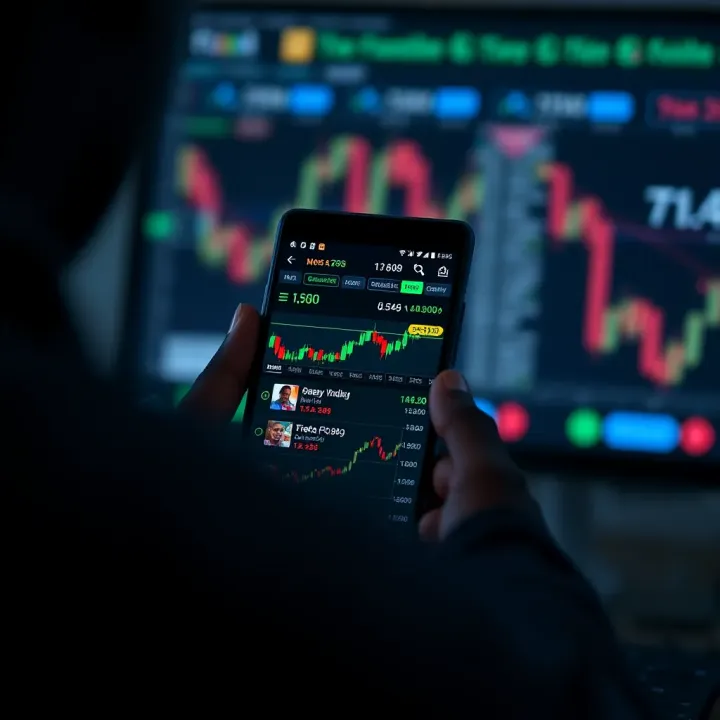
Find the best forex trading app for Kenyan traders 🇰🇪. Discover key features, security tips, & how to pick the right platform for your trading style 📊

Explore top forex trading platforms for Kenyan traders ⭐ Compare features, ensure security 🔒 and boost your trading efficiency with this practical guide!
Based on 11 reviews