
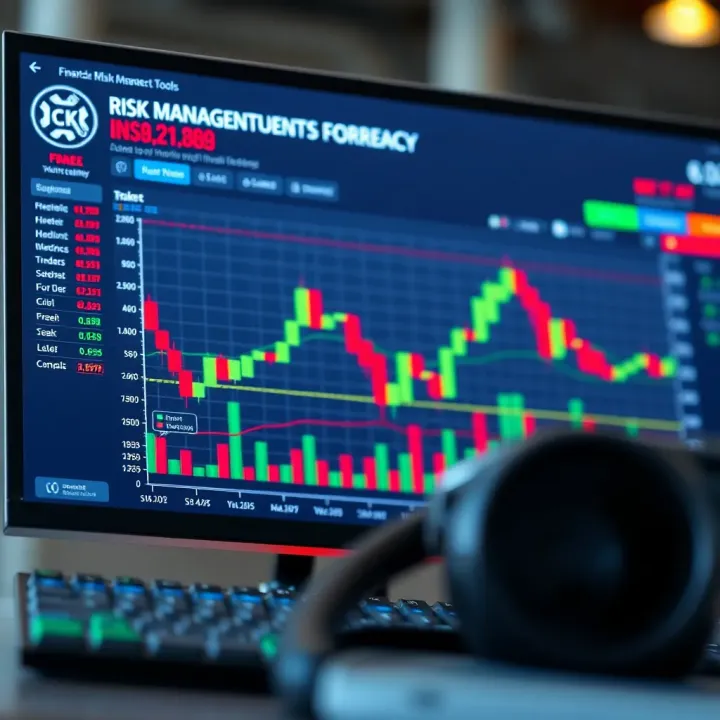
Smart Forex Risk Management for Kenyan Traders
Master forex risk management in Kenya 🇰🇪 with tips on setting limits, stop-loss orders, and position sizing to protect your investments confidently 💹.
Edited By
Liam Foster
Risk management in project delivery is about spotting potential problems early and figuring out how to handle them before they mess up your project. This process cuts across identifying risks, assessing their impact and likelihood, then planning mitigation steps that keep the project moving smoothly.
For finance professionals, traders, and investors involved in Kenyan projects, understanding these steps is vital. Projects in Kenya often face risks related to regulatory changes, funding delays, or supply chain interruptions — common hurdles that, without proper management, could cost millions of shillings or stall delivery completely.

Financial risks: Currency fluctuations affecting project budgets, especially in contracts involving foreign suppliers.
Regulatory risks: Sudden changes in tax policy by the Kenya Revenue Authority (KRA) or new county regulations.
Operational risks: Delays caused by unreliable suppliers or transport challenges, especially during the long rains.
Stakeholder risks: Lack of engagement or conflicting interests among project partners or community members.
Proper risk assessment means looking beyond obvious issues and considering local factors like seasonal weather patterns impacting logistics.
Develop a risk register that lists each identified risk with its probability, impact level, and mitigation plan. For example, if a construction project anticipates supply delays due to roadworks, a mitigation could be pre-booking suppliers or choosing alternative routes. This kind of proactive approach avoids last-minute shocks.
Use simple tools like SWOT analysis (Strengths, Weaknesses, Opportunities, Threats) tailored for Kenyan market conditions, or Monte Carlo simulations when forecasting financial risks over time.
Effective risk management involves everyone's input — from project managers to investors and local authorities. In Kenya, engaging community leaders early reduces the risk of social conflicts that might disrupt work. Investors should follow up on project updates through scheduled reports or digital dashboards, ensuring transparency and quicker responses.
By embracing these practical steps – recognising local risk types, preparing detailed plans, and involving all key players – Kenyan projects can handle surprises more confidently and deliver value on time and within budget.
Managing risks effectively is the backbone of successful project delivery, especially in Kenya's dynamic environment. Understanding risk management means recognising potential problems that could delay or derail a project before they happen, and planning how to handle them. This prevents costly surprises, keeps projects on budget, and helps protect investments.
In simple terms, risk is any uncertain event that might affect a project's objectives negatively or positively. It's not just about disasters; risks include anything from supply delays, political changes, to unexpected costs. For example, a construction project in Nairobi may face the risk of a delayed permit from city authorities, which can push back timelines and inflate costs.
Ignoring risks is asking for trouble. Managing risks allows project teams to prepare suitable responses, which keeps projects on track. It also improves decision-making by identifying what could go wrong and how severe the impact would be. This way, one doesn’t just react to problems but can avoid or minimise them entirely. For investors and finance professionals, good risk management means better protection of capital and clearer visibility on returns.
Risk management turns uncertainty into manageable parts, giving project owners confidence and control over delivery timelines and costs.
Kenyan projects often face specific challenges like unpredictable weather impacting transport and construction, regulatory delays due to bureaucratic processes, and fluctuating inflation affecting materials prices. Additionally, stakeholder engagement may be tricky where community expectations differ, requiring tactful communication to avoid disruptions. For instance, a road project in the Rift Valley might stall over land disputes or require extra time to address local leaders' concerns.
These factors mean Kenyan projects need tailored risk management approaches that respect local conditions and community dynamics. Understanding these local hurdles helps in crafting practical strategies that work on the ground, not just on paper.
In summary, grasping the principle of risk and the local context not only protects investments but also boosts project success rates in Kenya's often unpredictable market climate.

Understanding the types of risks likely to arise during a project helps traders, investors, and finance professionals anticipate issues and plan effectively. Risks vary widely but often fall into several categories, each with distinct impacts and management needs. Identifying these risks early allows for better decision-making and minimises losses during project delivery.
Financial risks include budget overruns, fluctuating costs, and delayed payments. For example, in Kenyan infrastructure projects, currency depreciation or sudden VAT changes can hike construction costs unexpectedly. Investors need to watch for funding gaps and cash flow bottlenecks that jeopardise timely progress. Budget errors often stem from underestimated costs or inflation effects, especially during the long rainy seasons when material prices can spike. Proactive financial monitoring and contingency funds help curb such risks.
These risks cover failures in technology, equipment breakdowns, and process inefficiencies. For instance, a solar power project in Turkana might face operational risks if unfamiliar local conditions disrupt planned technology use. Moreover, delays in material delivery through the often-congested Mombasa port can cause technical timelines to slip. Managing these risks requires thorough technical assessments, reliable suppliers, and backup plans that factor in Kenya’s unique infrastructure challenges.
Projects face risks from legal disputes, non-compliance with environmental laws, or shifting regulations by authorities like the National Environment Management Authority (NEMA) or county governments. A construction project in Nairobi, for example, might stall if permits are delayed or if community land rights are contested. Ignoring environmental impact assessments can also lead to fines or work stoppages. Legal scrutiny and compliance tracking must be integral to project management to avoid costly interruptions.
Miscommunication or conflicting stakeholder interests can derail project delivery. In Kenya, projects often involve multiple parties—county officials, local communities, financiers, and contractors. If engagement isn’t managed well, misunderstandings or resistance emerge. For example, failure to involve community leaders early in a water project can lead to protests or sabotage. Clear communication channels, transparent progress updates, and stakeholder inclusion strategies reduce these risks.
Recognising these risk types and their specific Kenyan contexts ensures your project stays on course, protecting investments and delivering value on time.
By systematically understanding financial, operational, legal, and stakeholder risks, finance professionals and investors gain the insight to steer projects through uncertainty successfully.
Effective planning is the backbone of successful risk management in project delivery. Before the first stone is laid on any project, understanding potential risks and how to handle them saves time, resources, and often stress. Planning prepares the team to recognise threats early, rather than scrambling to react when problems arise. For example, a construction project in Nakuru might face risks from seasonal flooding. Identifying this hazard early allows the team to schedule heavy groundwork during the dry season, avoiding costly delays.
Identifying risks is the first practical step in risk management. This involves systematically uncovering potential problems before they impact the project. Techniques vary from simple brainstorming with project teams to more structured methods like SWOT analysis (Strengths, Weaknesses, Opportunities, Threats). Interviews with local stakeholders can reveal risks that may not be obvious in technical reports, such as community opposition or security concerns along a new road project.
Once risks are identified, they must be assessed for likelihood and impact. This helps prioritise which risks command the most attention and resources. Tools like risk matrices classify risks as low, medium, or high based on these two factors. In Kenyan projects, financial risks might range from fluctuating material prices to exchange rate volatility. Prioritising ensures the project focuses efforts on risks that could derail progress or inflate costs significantly.
After prioritisation, the team decides how to handle each risk. Options include avoiding the risk altogether, reducing its likelihood or impact, transferring it (for instance, through insurance), or accepting it if the cost of mitigation outweighs the risk. A road construction firm in Kenya might choose to transfer risk through performance bonds with suppliers or reduce risk by sourcing materials locally to avoid currency fluctuations.
Clear roles are essential to making risk management work smoothly. Someone needs to monitor risks continuously, update the risk register, and ensure the response strategies are followed. Often, project managers delegate these tasks to risk officers or team leads, who keep an eye on emerging issues. Involving local partners who understand the community and environment also improves reaction time and effectiveness.
Preparing well for risks puts a project ahead of challenges rather than constantly playing catch-up. This approach builds trust with investors, regulators, and the community, all crucial for project success in Kenya.
By planning and preparing carefully, project teams can reduce surprises, better manage uncertainties, and keep delivery on track—even in fast-changing environments like the Kenyan market.
Effective risk management depends heavily on practical tools and techniques that help projects track, assess, and respond to risks. In Kenyan projects, where variables such as regulatory changes, local stakeholder interests, and financial constraints add complexity, adopting proper tools can make the difference between timely delivery and costly delays. These tools provide a structured approach to documenting risks, analysing their potential impacts, and updating mitigation strategies as the project unfolds.
The risk register is central to managing project risks. It serves as the official document listing all identified risks, their likelihood, impact, and the planned response measures. For instance, a construction project in Nairobi might document risks like supply delays due to traffic or regulatory permits not arriving on time. The register allows the project team to prioritise which risks need immediate attention and who is responsible for handling them. Maintaining clear documentation ensures ongoing accountability and provides a reference that stakeholders can consult during project meetings or audits.
Digital tools have transformed risk management by enabling real-time updates and easier collaboration. Kenyan project teams increasingly use platforms like Microsoft Project, Oracle Primavera, and locally supported project management solutions. These tools often integrate risk modules allowing users to enter, update, and analyse risks from their mobile devices or desktops. For example, a fintech company managing a new app rollout across counties may use such software to track legal compliance risks and adjust timelines accordingly. Additionally, cloud-based systems facilitate seamless data sharing among dispersed teams, crucial for projects spanning multiple Kenyan counties.
Risk management is not static; it requires continuous monitoring and adjustment. Effective teams set up regular risk review meetings, often weekly or biweekly, where the risk register is updated and mitigation effectiveness assessed. This ongoing process helps spot new risks or shifts in existing ones. For instance, during Kenya's rainy season, infrastructure projects may ramp up monitoring for weather-related risks, adjusting labour schedules or equipment use accordingly. Reporting these updates to all stakeholders ensures transparency and quick decision-making, which is critical for keeping projects on track despite uncertainties.
Tools and techniques in risk management are not just checklists; they are working systems that improve decision-making, foster teamwork, and reduce surprises.
By combining thorough documentation, digital platforms, and active monitoring, Kenyan projects can strengthen their resilience against risks and increase the chances of successful delivery relevant to their unique operating environment.
Risk management must be more than a tick-box exercise in Kenyan project delivery. Projects here often face unique risks linked to local social, economic, and political factors. Integrating practical risk management steps tailored to these realities improves resilience and helps keep projects on track despite unforeseen challenges. For traders and investors, this means a clearer picture of potential pitfalls and opportunities for mitigation.
Involving local stakeholders and communities early is key to identifying hidden risks and avoiding costly delays. Many Kenyan projects, especially those in rural or semi-urban areas, succeed or fail based on local acceptance and participation. For instance, a road construction project around Kisumu may face delays without buy-in from local leaders and residents who control access or have land concerns.
Engagement should extend beyond formal meetings to include ongoing communication and collaboration. This creates buy-in and surfaces concerns early, such as environmental or cultural issues, that may affect project timelines and budgets. Using community liaison officers or partnering with respected local institutions can help ease these interactions.
Kenyan counties are diverse: risk profiles in Nairobi’s tech sector differ from those in Tana River’s agricultural projects. A practical risk management approach adapts strategies to fit these variations. For example, regulatory risks in Nairobi might revolve around data protection laws affecting fintech startups, while in coastal counties climate change poses operational risks to fishing or tourism projects.
Adopting flexible risk frameworks that consider county regulations, infrastructure levels, and economic activities enables better risk prioritisation and response. Sector-specific risk patterns also demand focused expertise — financial risks in real estate differ substantially from those in manufacturing or energy.
Looking at real-life examples can clarify how practical steps pay off. The Standard Gauge Railway (SGR) faced significant risks linked to land acquisition disputes and community protests. Early stakeholder engagement initiatives helped reduce lengthy legal battles and social unrest, allowing smoother project continuation.
In another case, an agribusiness venture in Uasin Gishu integrated county weather risk data to optimise planting schedules, thus mitigating climate-related yield risks. This adaptive approach helped protect returns despite erratic rainfall patterns.
Developing and applying locally relevant risk management steps is vital for Kenyan projects. It builds trust, reduces surprises, and strengthens chances of success even when external shocks come along.
Practical, context-aware risk management is no luxury but a necessity for investors and project teams focused on Kenyan markets. It grounds projects firmly within their social and economic environments, reducing the unknowns that frequently cause delays or losses.
By engaging communities, tailoring risk strategies by locale and sector, and learning from past Kenyan experiences, project professionals can safeguard their investments and enhance delivery outcomes.
Master forex risk management in Kenya 🇰🇪 with tips on setting limits, stop-loss orders, and position sizing to protect your investments confidently 💹.
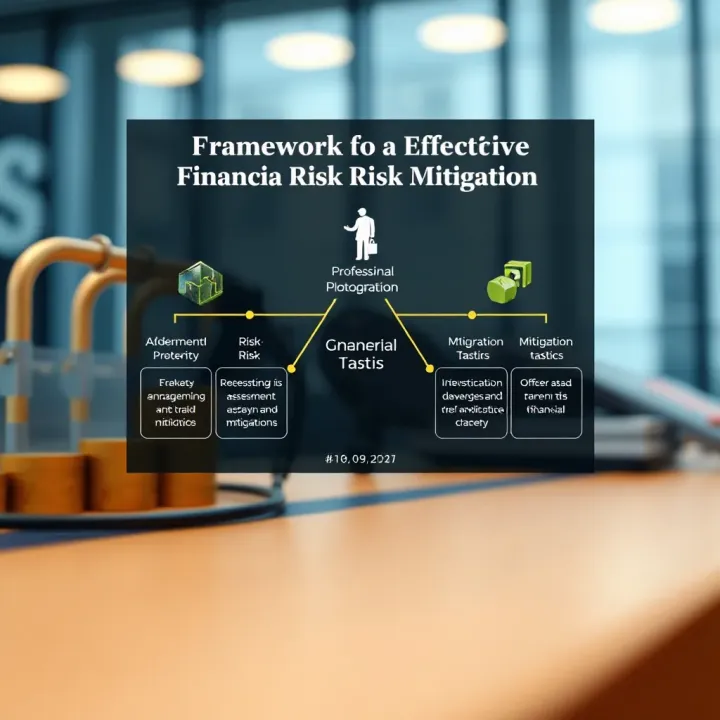
Manage financial risks like a pro! Learn key strategies and practical tips tailored for Kenyan businesses to identify, assess, and reduce financial losses 📉💼
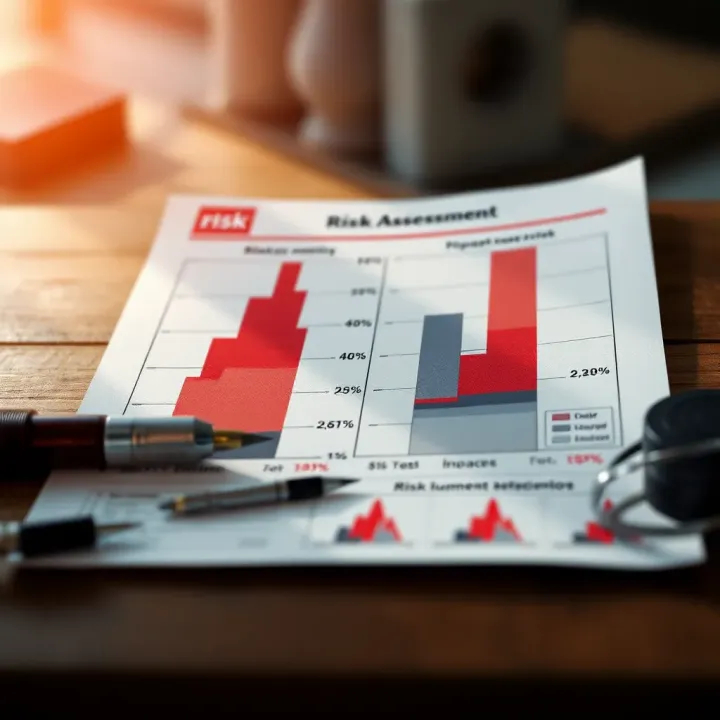
Explore practical tips for enterprise risk management 🛡️ tailored to Kenyan businesses. Learn to identify, assess, and manage risks with clear steps and best practices.

Explore practical disaster risk management in Kenya 🌍 with strategies on risk assessment, preparedness, response & recovery to protect communities effectively.
Based on 11 reviews