
Smart Forex Risk Management for Kenyan Traders
Master forex risk management in Kenya 🇰🇪 with tips on setting limits, stop-loss orders, and position sizing to protect your investments confidently 💹.
Edited By
Elizabeth Moore
Managing risks well can make or break a project, especially within Kenya's ever-shifting business scene. Whether you are involved in real estate development in Nairobi or launching a new product in Mombasa, unexpected challenges tend to pop up. These risks could range from currency fluctuations affecting budgets to delays caused by regulatory approvals.
Understanding and handling these uncertainties methodically improves your chances of timely and successful project completion. Risk management isn't just about avoiding problems; it's about preparing to deal with them effectively when they arise.
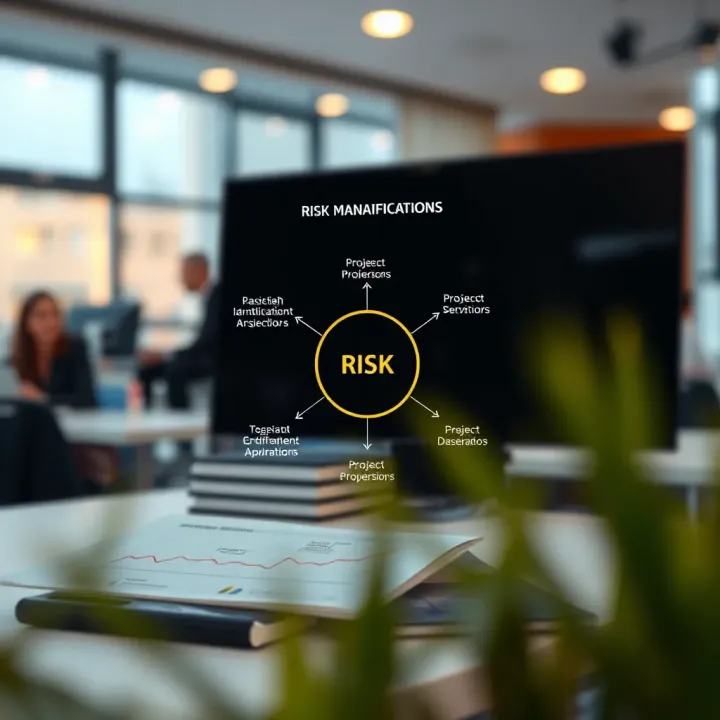
Careful risk planning helps you keep projects on track, saving money and reputation.
In practice, risk management follows these key steps:
Identification: Spot potential issues early. For instance, a construction project near the coast might face weather-related risks during the long rains.
Assessment: Evaluate how likely a risk is and how much impact it could have. For example, how probable is a delay in delivery of materials, and what will the cost be?
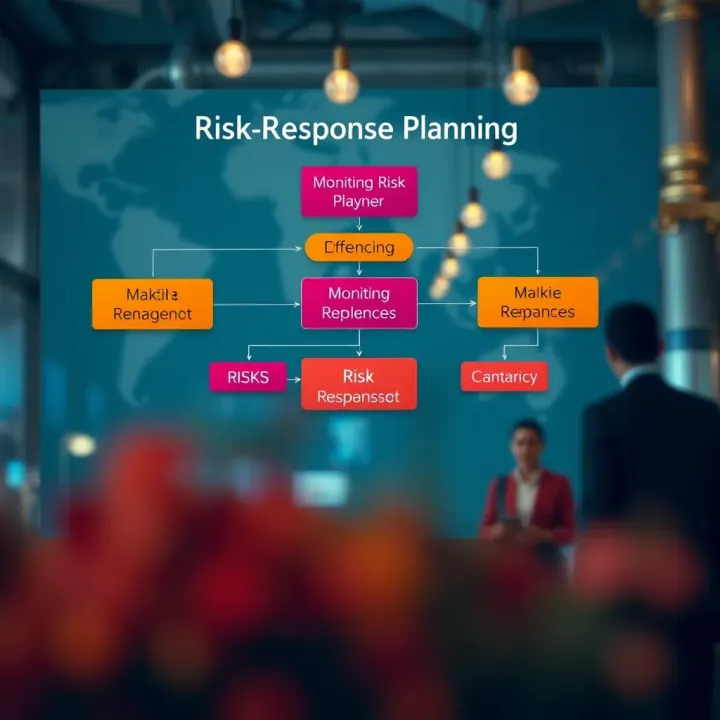
Response Planning: Develop strategies to reduce risk effects such as choosing reliable suppliers or arranging contingency funds.
Monitoring: Keep a close eye on risk triggers throughout the project lifecycle to adjust plans accordingly.
Using tools like risk registers or software tailored for project management can organise this data clearly. In Kenya’s diverse sectors—from agriculture to tech—adapting these methods helps handle unique local challenges.
With rapid changes in market prices, supply chains, and regulations, project managers must stay proactive rather than reactive. Having a clear, structured approach to risk management means projects are less likely to suffer costly setbacks, delays, or failed deliveries.
By applying these principles, traders, investors, finance professionals, and analysts can better safeguard their investments and planning processes in the Kenyan environment. Practical risk management is not just theory; it’s a necessary practice that protects value and builds resilience in projects of all sizes.
Understanding risk management in projects is a key step towards ensuring smoother delivery and fewer surprises. When you know what risks could pop up and how to handle them, you avoid costly delays and keep your project on track. This is especially true in Kenya, where changing regulations, community concerns, and weather patterns can affect project outcomes.
Project risks are uncertain events or conditions that may affect the success of a project if they occur. These can be anything from market fluctuations, supplier delays, or unexpected costs, to natural disasters like flooding during the long rains. Identifying these risks early helps project teams prepare rather than react when problems arise.
Risk is about the possibility of something happening that could cause trouble. An issue, on the other hand, is a problem that has already happened and needs immediate attention. For example, a delay in receiving materials is an issue; the chance of future transport strikes causing delays is a risk. Recognising this difference helps project managers tackle problems promptly while still planning to prevent future setbacks.
The main goal of risk management is to reduce the chance and impact of harmful events on a project. This means not just avoiding risks but also having clear plans to manage them when they occur. Successful risk management ensures projects meet time, cost, and quality expectations. In the Kenyan context, this also means building trust with local communities and complying with county-specific regulations.
Poor risk management often results in missed deadlines, overspending, and compromised quality. For instance, a construction project in Nairobi that did not account for supply chain disruptions had to pause for weeks, pushing costs higher and reducing output quality. Addressing risks upfront avoids such situations, keeps budgets under control, and ensures the final product meets standards.
Kenyan projects face unique challenges like fluctuating forex rates affecting imported materials or informal settlements near construction sites that may raise social risks. For example, road projects in Kisumu might be affected by seasonal floods disrupting transport routes. Effective risk management tailored to these realities helps companies avoid losses and maintain good relationships with stakeholders.
Neglecting risk management can turn manageable challenges into crises that halt progress altogether.
There are several Kenyan projects where neglecting risk led to failure. One case is the delays in fish processing facilities in Mombasa caused by ignored compliance risks and poor stakeholder engagement. Another example is the stalled IT projects in banking institutions where cyber-security risks were not adequately assessed, resulting in data breaches and loss of customer trust. These examples show how unmanaged risks can cost more than just money—damage to reputation and lost opportunities are just as heavy.
Managing risks effectively allows projects to adapt and respond to local challenges, increasing chances of success for Kenyan traders, investors, and project professionals alike.
Managing risks effectively requires following clear steps that help identify potential problems, assess their likelihood and impact, develop responses, and keep track of risks throughout the project life cycle. In Kenya’s business environment, where uncertainties often come from shifting regulations, weather, or supply delays, a structured risk management process can save time, money, and reputation.
Brainstorming and expert consultation brings together project team members and specialists to list all possible risks early on. This method draws on diverse experience — for instance, a civil engineer and a local supplier might foresee different challenges on a road project. Asking direct questions like "What could delay deliveries during the rainy season?" helps surface risks that might not appear on paper. In Kenya, involving local experts ensures you capture region-specific threats such as political tensions or power outages.
Checklists and historical data use involves reviewing past projects and industry records to spot risks known to occur regularly. For example, a checklist for construction projects might include risks like soil erosion, equipment theft, or inflation in building materials costs. Kenyan project managers often face repeated challenges like fluctuating fuel prices or delayed approvals which these checklists can highlight. Historical data also helps spot patterns, guiding teams toward risks they might otherwise overlook.
Use of project stakeholders for input means tapping into everyone affected by the project — from clients and suppliers to community leaders. Stakeholders can reveal hidden concerns, such as cultural practices or local transport issues, that influence project success. Involving stakeholders early also promotes transparency and faster risk resolution later.
Qualitative methods: risk probability and impact assessment help classify risks based on how likely they are and the harm they can cause. Typically, risks get ranked from low to high so the team focuses energy on major threats. For example, delays caused by heavy rains during Kenya’s long rains might be marked as high probability but medium impact if contingency plans are in place.
Quantitative analysis: numerical risk evaluation uses data and calculations to determine risk magnitudes. This might involve estimating potential cost increases or time overruns in numbers. Kenyan investors appreciate this approach because it ties risks to financial figures, making it easier to decide where to allocate resources.
Risk matrix and heat maps visually combine probability and impact to show risks on a grid, highlighting those needing urgent attention. A red zone usually indicates high-risk areas requiring immediate action. Teams in Nairobi might use heat maps to monitor risks related to supplier performance or fluctuating exchange rates during international procurement.
Risk avoidance and reduction strategies aim to eliminate risks or lower their chances. For instance, choosing suppliers with reliable delivery records or scheduling work during dry seasons reduces delays. Avoiding unnecessary complexities in design also helps decrease technical risks.
Risk transfer and acceptance approaches involve shifting risks to other parties or accepting them when they are minor or unavoidable. For example, Kenyan contractors often transfer risk by having insurance cover for theft or damage. Acceptance might apply to minor currency fluctuations that don’t severely affect overall costs.
Contingency planning and resource allocation means setting aside time, budget, or materials ready to handle problems as they arise. Preparing extra funds or backup suppliers ensures quick response without derailing the project. Practical Kenyan projects often include contingency allowances of 5-10% to cushion unforeseen expenses.
Tracking risk triggers and indicators ensures the team watches for early warning signs like rising material prices or community unrest. Spotting these early allows timely action.
Regular risk audits and updates keep the risk profile fresh by revisiting assumptions and adding new threats. Projects in Nairobi usually schedule monthly reviews to capture fast-changing business conditions.
Communicating risk status to stakeholders keeps everyone informed, aligning expectations and facilitating coordinated responses. Good communication, for example through WhatsApp or regular meetings, builds trust and eases problem-solving.
Consistent application of these steps builds resilience into projects, helping Kenyan traders, investors, and finance professionals safeguard their investments amid local uncertainties.
Managing project risks effectively means having proper tools and techniques at your disposal. These resources help you spot potential problems early, plan well, and keep track of how risks evolve. Without clear tools like a risk register or digital platforms, it's easy for risks to slip through the cracks, especially in complex Kenyan projects where delays and cost overruns are common.
A risk register is the backbone of any risk management system. It is essentially a detailed log that records all identified risks related to a project. Key components typically include a risk description, the likelihood of the risk occurring, impact assessment, risk owner, and planned mitigation steps. This way, everyone stays on the same page, and the team can prioritise which risks need attention first.
Maintaining and updating the risk register is vital. Risks change during a project’s life, so this document should be a living file, reviewed regularly in project meetings. Updating the register keeps the team alert to new threats or realised ones, enabling timely response. For instance, in construction projects around Nairobi, new regulatory changes or supply delays can emerge, so adding those risks helps avoid costly surprises.
In Kenyan projects, adapting the risk register to local realities is key. For example, common risks like delayed fund disbursements or transport strikes can be explicitly tracked. Some project managers include risk scores that reflect the Kenyan economic climate, such as inflation impacts on material costs. This local flavour makes the register more relevant and practical.
Several software options help manage risks efficiently. Tools like Microsoft Project, Oracle Primavera, and specialized platforms like RiskWatch offer features to document, analyse, and prioritise risks. These systems save time by automating complex calculations and generating reports.
Mobile and cloud-based solutions are particularly useful for Kenyan teams spread across different sites. Tools accessible from smartphones or tablets mean updates happen in real time, regardless of location. Project managers can receive instant risk alerts via mobile apps, allowing quicker action when issues arise.
Integration with project management platforms streamlines workflow. For example, linking risk management tools with financial tracking systems lets you see how risks impact budgets directly. Integration reduces double work and improves accuracy. This is beneficial in sectors like manufacturing or infrastructure where risk and cost interlink tightly.
Having the right risk management tools improves project transparency and keeps stakeholders informed. It transforms reactive firefighting into proactive planning, saving money and time.
Managing project risks in Kenya comes with unique challenges that can derail timelines, inflate costs, and reduce quality if not handled sensitively. Understanding these obstacles allows project leaders and investors to anticipate problems and devise practical solutions that suit local conditions. From shifting regulations to limited resources and infrastructure hurdles, recognising these risks upfront improves decision-making and outcomes.
Unpredictable regulatory changes often catch project managers off guard. Kenya’s legal and regulatory frameworks, although progressively modernising, can experience rapid shifts—especially around taxes, environmental requirements, and land use laws. For example, a construction project in Nairobi might suddenly need new permits because of updated building codes or county council directives. This unpredictability can cause delays and added costs.
Navigating these regulatory changes requires constant vigilance and strong local legal advice. Projects should allocate extra time and budget buffers to respond swiftly without halting progress.
Resource constraints and delayed payments significantly impact projects, particularly those with multiple partners or government involvement. It’s common for suppliers or contractors to face delayed payments, disrupting their ability to deliver materials or services on time. For instance, a road rehabilitation project in Western Kenya may stall because the county government delays releasing funds.
Such cash flow issues can ripple through the project, forcing renegotiations and creating tension among stakeholders. Effective contract management and clear payment schedules help mitigate these disruptions. Additionally, securing partial payments upfront can keep suppliers steady.
Infrastructure and logistical issues remain a major pain point for many Kenyan projects. Poor road networks, unreliable electricity, and limited warehousing increase the risk of material spoilage and delays. A project sourcing equipment from Mombasa to a remote agricultural area in Turkana, for example, may face long travel times due to bad roads and security concerns.
Mitigating these challenges calls for thorough planning, including alternative routes and sourcing local materials where possible. Regular communication with transport firms and investing in mobile solutions for tracking also help keep logistics under control.
Building strong communication channels is vital for timely identification and management of risks. Regular project meetings that involve all key players—from financiers to on-ground teams—ensure emerging issues are flagged early. Digital tools such as WhatsApp groups or cloud-based project management platforms can support quick updates, especially when teams are dispersed.
Clear communication prevents misunderstandings that often worsen delays and cost overruns. It also boosts trust among partners, which is critical in projects dependent on multiple stakeholders.
Engaging local communities and authorities plays a key role in smoothing project implementation. Projects that take time to consult nearby residents and county officials tend to face fewer disruptions. For example, seeking buy-in for a new water supply scheme in a rural area can prevent resistance or protests that would otherwise halt work.
Involving local people early also helps uncover ground realities that may not show in official reports, such as seasonal flooding or cultural sensitivities. This engagement improves both risk anticipation and mitigation.
Continuous training and capacity building ensure that project teams remain competent in managing evolving risks. Many local projects suffer because staff lack up-to-date knowledge on risk assessment techniques or regulatory compliance.
Regular workshops and refresher courses, especially for junior staff and contractors, help close these gaps. Training improves the team’s agility and ability to implement best practices, reducing costly errors.
Identifying challenges early and applying practical, locally adapted solutions builds resilience into projects. This proactive approach helps Kenyan businesses and investors achieve successful outcomes consistently.
By focusing on these challenges and responses, project risk management shifts from reactive firefighting to strategic foresight, enhancing project success rates across Kenya.
Master forex risk management in Kenya 🇰🇪 with tips on setting limits, stop-loss orders, and position sizing to protect your investments confidently 💹.
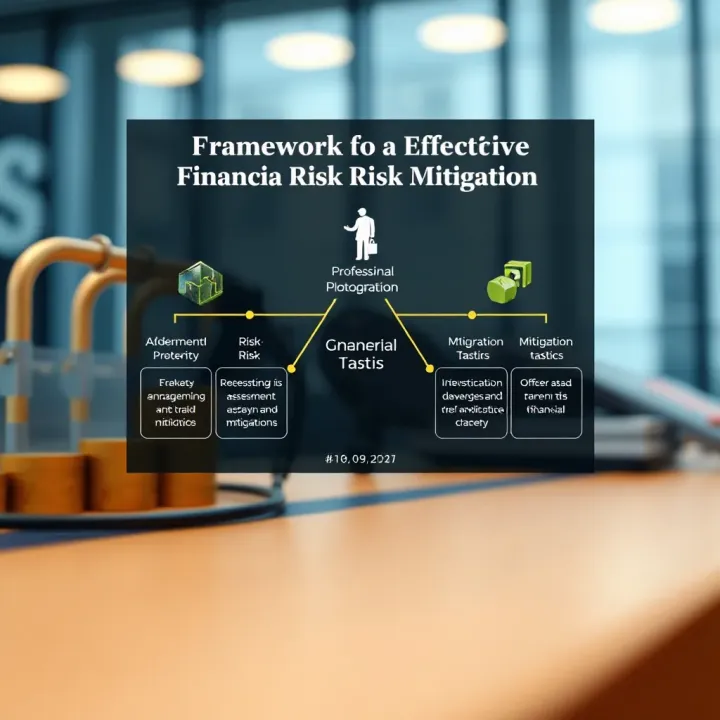
Manage financial risks like a pro! Learn key strategies and practical tips tailored for Kenyan businesses to identify, assess, and reduce financial losses 📉💼
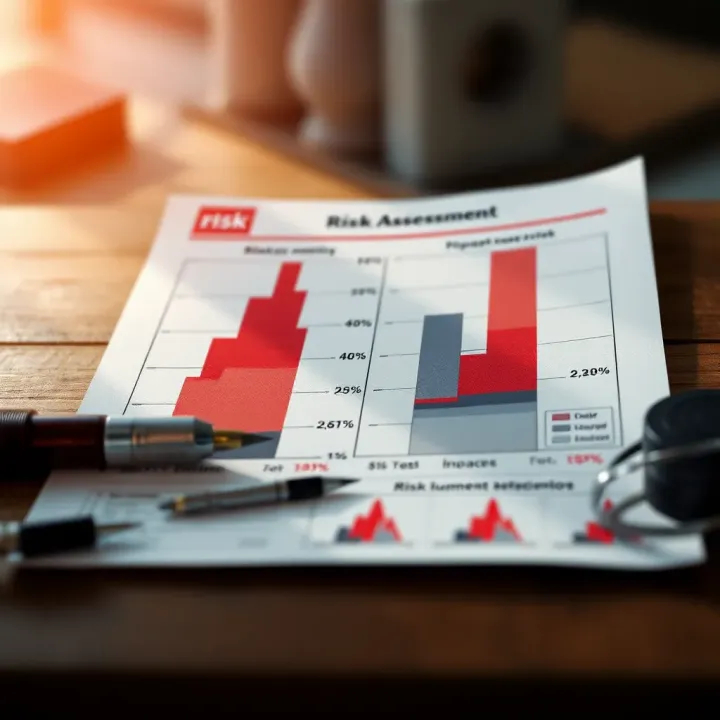
Explore practical tips for enterprise risk management 🛡️ tailored to Kenyan businesses. Learn to identify, assess, and manage risks with clear steps and best practices.

Explore practical disaster risk management in Kenya 🌍 with strategies on risk assessment, preparedness, response & recovery to protect communities effectively.
Based on 5 reviews