

Top Forex Trading Books for Kenyan Traders
📚 Discover the best forex trading books tailored for Kenyan traders. Learn how to pick resources that match your style and boost your market skills! 🇰🇪
Edited By
George Mitchell
Forex trading has gained strong interest in Kenya, especially among those looking to diversify investments or earn additional income beyond traditional savings and equities. However, success in forex demands more than guesswork or following hot tips from social media. Formal training through dedicated forex trading courses helps build a solid foundation.
Many aspiring traders jump straight into the market without understanding the basics like currency pairs, leverage, spreads, and risk management. This often leads to losses that could have been avoided with proper education. In Kenya, several options exist — from in-person classes in Nairobi and Mombasa to online courses accessible across the country.

A well-structured forex trading course not only explains how the market works but equips learners with practical skills such as chart reading, technical and fundamental analysis, plus the psychology behind trading decisions.
Courses vary widely. Some focus on beginner fundamentals, while others specialise in advanced strategies such as scalping, swing trading, or automated trading using expert advisors (EAs). The best courses in Kenya tend to balance theory with practice, including simulation exercises or live market trading under supervision.
Before enrolling, consider these points:
Accreditation and credibility: Check whether the course is backed by recognised forex experts or institutions.
Local relevance: Kenyan market conditions and regulatory environment affect trading, so tailor training to local realities.
Cost versus value: Avoid very cheap courses promising quick riches; quality training may require a reasonable investment.
Overall, picking the right course is a critical step towards disciplined trading. Learning forex systematically increases your chances of earning profits while managing risks effectively in Kenya’s dynamic forex market.
Understanding forex trading is the first step for anyone considering stepping into this fast-moving market. Forex, or foreign exchange trading, involves buying and selling currencies to profit from changes in their exchange rates. Unlike the stock market, forex operates around the clock across different time zones, making it accessible nearly 24 hours a day. For Kenyans, this means opportunities to trade whenever they are free, whether early in the morning before heading to work or late at night after other daily tasks.
At its core, forex trading is about exchanging one currency for another, hoping the value of the currency you buy will increase against the one you sell. For example, you might buy the US dollar (USD) against the Kenyan shilling (KES), speculating that the dollar will strengthen and you can later sell it at a profit. This market is highly liquid, with billions of dollars traded daily, making it easy to enter and exit positions when you want.
Common currency pairs traded include majors like EUR/USD (Euro/US dollar), GBP/USD (British pound/US dollar), and USD/JPY (US dollar/Japanese yen). These pairs have tight spreads and high liquidity, which lowers trading costs and generally makes them favourites among both beginners and experienced traders. Additionally, exotic pairs involving the Kenyan shilling or other emerging market currencies can attract local traders aiming to capitalise on regional economic changes.
The forex market functions continuously from Monday to Friday, opening in Asia, then moving to European sessions, and finally the American trading hours. This cycle means there is almost always some market movement to observe and react to, which is especially useful for those juggling forex alongside their day jobs. The daily operation also means traders need to stay informed on global events because news from one part of the world can affect currencies elsewhere swiftly.
Many Kenyans are drawn to forex trading due to the potential to earn extra income outside the typical 9-to-5 jobs. With the local economy facing challenges such as limited formal employment opportunities, forex provides a chance for entrepreneurship through trading. Some traders have managed to generate meaningful profits that supplement their household incomes, though this requires proper education and discipline.
Forex trading has become more accessible in Kenya thanks to mobile platforms like M-Pesa, which facilitate quick deposit and withdrawal of funds with minimal hassle. Brokers often allow trading accounts to be funded directly via M-Pesa, lowering the barrier to entry for many Kenyans who lack traditional banking facilities. This convenience makes forex trading appealing, especially in smaller towns and rural areas where physical banking services can be scarce.
However, forex comes with notable risks that Kenyans must understand clearly. Many new traders jump in without adequate knowledge, leading to significant financial losses. The volatility of global currencies, coupled with leverage that can amplify gains or losses, necessitates proper risk management. Moreover, the prevalence of scams and unregulated brokers in Kenya means traders need to be cautious and seek education before committing money.
Successful forex trading in Kenya depends not just on market knowledge but also on understanding local realities, such as economic factors, regulatory issues, and available technology.
In sum, understanding what forex trading involves and why it appeals to Kenyans sets the foundation for anyone wanting to explore this market seriously. Knowing the daily workings of currency pairs, trading hours, and local factors helps traders make informed decisions from the outset.
Structured forex trading courses provide a clear roadmap for beginners and experienced traders alike. They organise essential knowledge into digestible modules, saving learners from piecing together scattered information from unreliable sources. For Kenyan traders, this structure means a faster, more reliable learning curve, especially when venturing into a complex market dominated by rapid changes.
Building a strong foundation in trading principles is the first step in any serious forex journey. Beginners often dive in without understanding key concepts like currency pairs, leverage, and the significance of pip movements. Formal training lays out these basics clearly, using examples like trading the USD/KES pair to show how global events influence the Kenyan shilling. This solid grounding helps avoid confusion and bad habits that can cost real money.
Learning risk management techniques is vital to protect capital, especially in volatile markets. Structured courses teach methods such as setting stop-loss orders and managing position sizes to limit losses. For instance, understanding how to size a trade properly relative to your total equity can prevent wiping out your account after a few bad trades. Without these lessons, many traders fall prey to emotional decisions that wipe out gains quickly.
Avoiding common mistakes and scams is a huge benefit. The Kenyan forex scene has its fair share of dubious schemes promising quick riches. Professional courses highlight red flags such as guaranteed returns or pressure to recruit others. They also emphasise patience and realistic goal-setting, steering learners away from impulsive trading or risky “get-rich-quick” deals. This protection helps traders focus on sustainable skills instead of chasing unrealistic shortcuts.
Technical and fundamental analysis form the backbone of smart trading decisions. Courses teach how to read charts, identify support and resistance levels, and interpret indicators like RSI or moving averages. They also explain fundamental factors, such as how Kenyan economic data or central bank hints can move currency prices. Together, these skills allow traders to time entries better and understand the "why" behind price moves.
Use of trading platforms and tools is another crucial skill. Many beginners struggle with platforms like MetaTrader 4 or apps offered by Kenyan brokers. Courses walk learners through the user interface, order types, and analysis tools. Getting comfortable with these platforms reduces mistakes during live trading—for example, placing a market order instead of a limit order by accident.
Emotional discipline and decision-making often separate consistent traders from those who lose money fast. Courses include strategies to stay calm during market fluctuations, avoid chasing losses, and stick to a trading plan. They might introduce journalling your trades or using rules to exit positions to build good habits. In Kenya’s fast-paced forex environment, maintaining control over impulses is as important as technical know-how.
Investing in a structured forex course equips you with practical skills and shields you from common pitfalls, making your trading journey safer and more effective in the Kenyan market.
By understanding these key benefits, traders can appreciate why structured training is not just a luxury but a necessary part of forex success.
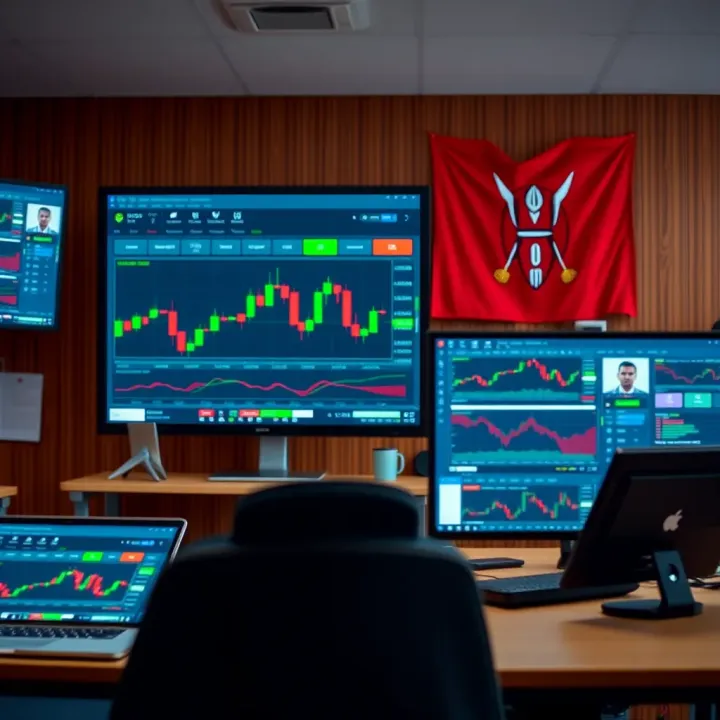
Forex trading courses in Kenya vary widely, offering learners different options to suit their schedules, budgets, and learning preferences. Knowing the types available helps you pick what fits your lifestyle and trading goals best. Whether you prefer a classroom setting or learning from the comfort of home, there is a course that can guide you effectively through the forex market.
Training centres in Nairobi and other towns often provide face-to-face forex training. Places like Nairobi CBD, Westlands, and some emerging towns such as Kisumu and Eldoret have specialised centres where you can learn directly from seasoned traders. These centres organise workshops or short-term courses focusing on practical skills and live trading simulations.
Advantages of face-to-face learning include immediate interaction with instructors and peers. You benefit from asking questions on the spot, getting personalised feedback, and networking with other local traders who understand the Kenyan market quirks. This personal touch often helps grasp complex concepts better than reading or watching videos alone.
Costs and time commitments for in-person courses tend to be higher than online options. Attending a full workshop may cost between KSh 15,000 and KSh 50,000, depending on the duration and trainer reputation. You also need to commit specific hours, often during weekdays or weekends, which may be a challenge if you work a full-time job.
Flexible learning options for busy people make online courses very popular in Kenya, especially for those juggling work and family. You can study at your own pace, revisiting lessons to strengthen weak areas. This mode fits well with the matatu hustle, allowing study between trips or during downtimes.
Popular Kenyan and international platforms offering forex education include Udemy, Coursera, and specialised Kenyan platforms like Forex Kenya Academy. Some brokers also provide free webinars and courses tailored to the local market, making learning accessible even with limited funds.
Features to look for in online courses include clear course outlines, video lessons, downloadable resources, and interactive forums. Quality courses provide real examples using popular platforms like MetaTrader 4 or 5 and demonstrate risk management strategies specific to local forex conditions.
Benefits and limitations of free tutorials are worth considering. While free content on YouTube or blogs can offer a good introduction, it often lacks depth and personalised support. Relying solely on free materials risks missing critical skills like emotional discipline and advanced analysis techniques.
When investing in a paid course pays off is usually when you seek structured guidance, mentorship, and access to updated content. Paid programmes often provide certificates and connections to trading communities, which can be valuable as you navigate live trading.
How to verify course credibility involves checking trainer qualifications, course reviews, and whether the content is updated regularly. Avoid courses that promise quick riches or require upfront payments without clear outlines. Look for those associated with reputable brokers or trading institutions in Kenya.
Taking time to explore different course types helps you build a solid foundation before risking your money in the market.
Choosing the right course depends on where you are in your trading journey, your resources, and how you learn best. Both local and online options have unique benefits, so consider mixing methods to get the best of both worlds.
Selecting the right forex trading course affects how fast and well you grasp the market dynamics and the risks involved. Everyone’s situation differs — your skill level, goals, budget, and learning style should guide this choice. A carefully picked course not only builds your confidence but also shields you from costly mistakes, common in Kenya’s fast-growing but tricky forex space.
If you are new to forex, starting with a basic course is key. These courses cover fundamentals like how the forex market operates, basic terminology, and simple strategies. For example, understanding currency pairs such as USD/KES and the influence of global events helps beginners avoid confusion. Such courses lay a strong groundwork before you risk real money, especially in volatile times like during the Kenya shilling’s fluctuations.
Traders who already know the basics need courses that go deeper. These often focus on technical analysis, chart patterns, and algorithmic trading strategies. In Kenya, where economic events like central bank announcements or election outcomes can impact prices sharply, intermediate courses tailor lessons on interpreting local market news and using advanced tools.
Be clear about what you want from a course. Are you aiming to trade part-time for extra income, or build a full-time career? Your objectives affect course choice. For instance, if managing risk and controlling emotions matter most, look for programmes with strong modules on psychological discipline. Setting goals also prevents chasing quick profits, a common pitfall among Kenyan traders drawn to forex's allure.
Good trainers share real experience, not just theory. In Kenya, where many fall prey to scams promising fast money, it’s crucial to learn from instructors with proven trading records. Transparency about their track record and methods signals trustworthiness.
Reviews from previous students highlight a course’s practical value. Genuine feedback often mentions how well the course prepared them for Kenyan market conditions or helped them avoid losses. It’s wise to look for specific examples rather than vague praise.
Any course that guarantees fixed returns or huge profits should raise red flags. Forex involves risk; no legitimate instructor can promise consistent gains. Kenyan learners should be wary of flashy ads or testimonials that seem too good to be true.
Being part of a community allows you to learn from others’ experiences and share ideas. Kenyan traders benefit from local forums where they discuss market reactions to regional economic news or regulation changes by CBK (Central Bank of Kenya). This interaction sharpens practical understanding.
Forex markets keep evolving. Courses offering mentorship beyond the classroom help you stay current and adjust strategies. For example, some Kenyan courses provide monthly webinars analysing local market shifts, which helps traders remain relevant.
Trading is an ongoing journey. Support like Q&A sessions, refresher materials, or access to a help desk ensure you don’t feel stranded after finishing lessons. Such ongoing help is vital, especially when you start live trading and face real Kenyan market challenges.
Picking the right forex trading course combines honest self-assessment with careful checking of course providers. Taking this step seriously lays a foundation for smarter, safer trading in Kenya’s dynamic forex market.
Effectively applying forex trading skills is essential for success given the unique opportunities and challenges of the Kenyan market. By practising diligently, managing risks properly, and staying informed, traders can navigate volatile currency movements that often reflect both global factors and local economic events such as CBK policies or election cycles. Real-world experience with live accounts and disciplined strategies help turn knowledge from courses into tangible profits.
Demo accounts offer a risk-free space to test strategies and build confidence without risking your hard-earned cash. For many Kenyan traders, jumping straight into live forex trading can be overwhelming. By using demo accounts, you get familiar with trading platforms like MetaTrader or cTrader, understand order executions, and monitor how market news affects currency pairs such as USD/KES. This hands-on exposure helps avoid costly mistakes.
While demo accounts simulate market conditions, they don’t perfectly reflect the pressure and emotions when actual money is on the line. Trades might seem easier to win without the fear of loss, so expectations need adjustment. Traders should focus on learning processes rather than chasing unrealistic profits during practice. This mindset makes the eventual shift to live trading smoother.
It’s wise to start live trading with small amounts and gradually increase as your experience grows. Kenyan traders may use brokers accepting M-Pesa deposits to fund accounts easily. This cautious approach prevents overwhelming losses, especially amid Kenya’s unpredictable economic events. Establish clear rules for stop losses and position sizes, and resist the temptation to chase losses. Consistency beats impulsive trading.
Stop losses limit potential losses by automatically closing losing trades at a set point. Proper position sizing ensures you don’t risk too much capital on a single trade. For example, risking only 1–2% of your total capital per trade safeguards your account from sharp swings in the forex market, common during Kenyan elections or unexpected CBK rate changes. These risk controls keep traders afloat longer.
Local economic news like Central Bank of Kenya’s (CBK) interest rate decisions, inflation reports, or political developments directly impact the Kenyan shilling’s value. Forex traders should track these through trusted sources, such as CBK press releases or Kenya National Bureau of Statistics reports. For instance, a rise in key rates typically strengthens KES, affecting USD/KES pair trades.
Losses are part of forex trading. Successful Kenyan traders maintain emotional discipline by sticking to their plan and avoiding revenge trading. When faced with losses, it’s better to pause, analyse what went wrong, and adjust strategies rather than rushing to recover money with bigger, riskier bets. Support from fellow traders or mentors can provide perspective during these times.
Regularly consult reliable local and international economic news platforms to catch updates impacting forex markets. In Kenya, CBK updates, Kenya National Bureau of Statistics, and international outlets like Bloomberg or Reuters provide relevant information. Keeping up helps anticipate market moves and adapt your trades accordingly.
Being part of Kenyan or global forex trading communities offers peer support, shared knowledge, and timely tips. Forums, WhatsApp groups, or even Facebook communities allow you to exchange ideas, discuss strategies, and alert one another about significant market events that affect KES or other currencies.
Markets evolve constantly. Traders should regularly assess their performance, checking which strategies worked and which didn’t. This review enables adapting to new conditions, such as shifts in Kenya’s economic landscape or changing global currency trends. Continuous improvement increases chances of sustained success in forex trading.
Starting small, managing risk strictly, and learning continuously are key steps that Kenyan forex traders can take to turn education from courses into real trading success.
📚 Discover the best forex trading books tailored for Kenyan traders. Learn how to pick resources that match your style and boost your market skills! 🇰🇪

📱 Discover the best forex trading apps for Kenyan traders! Learn how they work, find trusted providers, spot key features, stay secure, and trade smarter today.

🔍 Learn the best times for forex trading in Kenya 🇰🇪! Explore global sessions, peak volatility, and smart timing strategies to boost your trading success 📈.

Explore top forex trading platforms for Kenyan traders ⭐ Compare features, ensure security 🔒 and boost your trading efficiency with this practical guide!
Based on 10 reviews