

Best Forex Trading Books for Kenyan Traders
📚 Discover the top books for forex trading tailored for Kenyan traders! Learn strategies, market psychology & risk management to boost your skills today.
Edited By
Benjamin Scott
Forex trading in Kenya has become a popular option for many looking to expand their income sources beyond traditional jobs or businesses. Unlike stock markets, forex involves buying and selling currencies from around the world, making it attractive to those who want access to a liquid, 24-hour market.
Kenyan traders mainly engage through platforms like MetaTrader 4 and 5, and newer local apps that support M-Pesa payments, which simplify deposits and withdrawals. These platforms connect traders to major currency pairs like USD/KES, EUR/USD, and GBP/USD, reflecting everyday economic ties.
Regulation is vital in Kenya’s forex market. The Capital Markets Authority (CMA) oversees licensing of brokers, ensuring they follow rules that protect traders from scams. However, many Kenyans still trade with offshore brokers, which means less legal protection and higher risk. For example, a trader dealing with an unregulated foreign broker may find it difficult to resolve disputes or withdraw funds.
Understanding Kenyan tax requirements is another key aspect. Profits from forex trading are taxable under income tax rules. Traders must declare gains through the Kenya Revenue Authority (KRA) using iTax, and keep records of transactions to avoid issues later.
Forex trading here faces challenges like unreliable internet in rural areas, power outages, and the temptation of risky leverage strategies. Nonetheless, the market offers opportunities, especially with growing access to digital devices and a youthful population eager for alternative income.
Start with small investments and familiarise yourself with local regulations and platform terms before committing larger sums.
This guide will break down how forex trading works in Kenya, the important platforms, regulatory landscape, and practical tips to trade wisely in this dynamic market.
Before you jump into forex trading, it's wise to understand what it actually involves, especially within the Kenyan context. This section explains key aspects, so you can know the game before trying to play it.
Forex trading means buying and selling currencies from different countries, aiming to profit from changing exchange rates. For example, imagine you buy US dollars at a low rate and sell them when the shilling weakens, making a gain on the difference. This happens every day all over the world, involving huge amounts of money moving between currencies.
The forex market is open 24 hours a day on weekdays, stretching from Asia through Europe to North America. Trades happen through a network of banks, brokers, and individuals. This continuous operation means prices change frequently, often influenced by news, economic reports, or political events in one country that ripple worldwide.
Some currency pairs are traded more than others. In Kenya, the most common pairs include USD/KES (US dollar to Kenyan shilling), EUR/USD (euro to US dollar), and GBP/USD (British pound to US dollar). Trading these involves speculating on how much the exchange rate will move, which can be profitable if timed well, but risky if not.
Many Kenyans see forex as a way to earn extra income beyond regular jobs and businesses. With proper knowledge and strategies, you can make profits from small price movements. Especially for people with limited capital, forex offers an opportunity to grow money faster than traditional savings, though it carries risks like any investment.
The rise of mobile phones and internet coverage in Kenya means many can access forex trading platforms easily. Platforms allow traders to register, fund accounts through local methods like M-Pesa, and trade from anywhere – even on a boda boda ride if you like. This ease of access has driven interest, especially among youth and those in urban areas.
The Kenyan shilling often fluctuates due to factors like inflation, trade balances, or political developments. These changes influence forex prices and create both opportunities and risks. For instance, when the shilling weakens, importers may lose while forex traders might profit. Understanding these local economic conditions helps traders make smarter moves.
Forex trading isn't just about numbers; it demands understanding local realities, global dynamics, and timing to succeed, especially in Kenya where market swings can be swift.
Choosing the right forex trading platform is a key step for Kenyan traders aiming to succeed in the currency market. The platform you select affects not only your trading experience but also your security and potential profits. Local market conditions, regulatory environment, and payment options make this choice even more critical for Kenyan users.
Kenyan traders can choose between local brokers registered with the Capital Markets Authority (CMA) and international platforms that accept Kenyan clients. Local brokers provide the advantage of closer regulatory oversight, which can offer more consumer protection and easier dispute resolution. For example, firms like FXPesa or Nairobi-based brokers often integrate payment options familiar to Kenyans and comply with local laws.
On the other hand, international brokers such as FXTM, XM, and HotForex typically offer wider currency pair selections, more advanced trading tools, and sometimes tighter spreads. However, working with offshore brokers means dealing with different regulations, which can increase the risk if the broker is not reputable. Despite this, many Kenyan traders prefer international brokers because of their reliability and established global presence.

Some platforms trusted by Kenyan traders include FXTM, which provides localised services and supports M-Pesa payments, and HotForex, notable for its user-friendly interface and various account types. Local brokers like AFX Capital Kenya are gaining ground due to their direct support of Kenyan traders and transparency.
Choosing a platform with clear fees, accessible customer support, and a strong reputation within the Kenyan trading community is essential. Feedback from peers and online reviews can help identify brokers with reliable track records.
Among the features to prioritise are ease of depositing and withdrawing funds, especially through M-Pesa or local bank transfers, since these are crucial for Kenyan users. Platforms should also have robust mobile apps compatible with popular smartphones in Kenya.
Additionally, look for brokers offering demo accounts for practice, educational resources tailored to Kenyan market conditions, and transparent fee structures. Having access to localised economic calendars and news feeds can help in making informed decisions. Lastly, leverage options matter; excessive leverage can multiply risks, so ensure the platform offers manageable leverage ratios.
Opening a forex trading account in Kenya usually requires a valid identification document such as a national ID or passport, proof of residence like a utility bill, and sometimes proof of income or employment. These documents help brokers comply with anti-money laundering laws and protect clients.
The process is generally straightforward and can be completed online via the broker's website or mobile app. Kenyan users should expect a simple digital form requesting personal details, contact information, and initial deposit preferences.
Verification, or Know Your Customer (KYC) checks, is a mandatory step where the broker confirms your identity. This involves submitting scanned copies or photos of your ID and proof of address documents. Some brokers also perform facial recognition or request a selfie to match your ID photo.
This step ensures your account's security and prevents fraud. Kenyan traders should ensure the platform they choose clearly explains the KYC process and data protection policies before submitting sensitive documents.
One big advantage for Kenyan forex traders is the ability to fund accounts through M-Pesa, the dominant mobile money service. Many brokers support M-Pesa deposits directly or via third-party payment gateways, allowing quick and convenient transfers without converting currencies or paying hefty transfer fees.
Using familiar payment methods reduces delays and makes managing your trading capital easier. When withdrawing profits, the same channels often apply, making access to your funds simple. Always check the broker’s minimum deposit and withdrawal limits, processing times, and any charges associated with M-Pesa or bank transfers.
Selecting the right broker and understanding the registration and funding steps are foundational for smooth forex trading. Prioritise platforms that combine regulatory compliance, user-friendly features, and payment options suited to the Kenyan market.
Understanding regulations and risks is key to navigating Kenya's forex market safely. Regulations protect traders from unscrupulous actors, while awareness of risks helps you manage your investments more wisely. Being clear about the regulatory environment and common pitfalls ensures you trade with confidence and avoid losses from scams or bad decisions.
The Capital Markets Authority (CMA) regulates forex trading within Kenya by licensing brokers and monitoring their activities. This oversight ensures brokers operate transparently and follow rules that safeguard client funds. For example, the CMA requires brokers to hold client money separately from company funds so your deposits are protected even if the firm faces difficulties.
Licensed brokers are also subject to regular audits and must disclose clear terms of trading, which increases trust for Kenyan traders. Without CMA regulation, traders risk dealing with unverified platforms that could disappear with their money. The CMA’s involvement gives forex trading a level of credibility and security.
Using brokers authorised by the CMA reduces risk significantly. Licensed brokers must comply with capital requirements and customer protection laws, unlike unregulated firms operating offshore or anonymously online. These legal safeguards mean you can report malpractice and seek redress through Kenyan courts if needed.
For example, reputable brokers like FXPesa and Exness Kenya have CMA licences. They usually offer local payment methods such as M-Pesa for funding accounts, making transactions safer and convenient. Trading with unlicensed brokers may seem easier but often leads to frozen accounts, withdrawal issues, or losing funds altogether.
Forex traders must also understand the legal boundaries of their activities. The CMA explicitly states that forex trading is legal in Kenya only when conducted through licensed entities. Engaging in forex with illegal platforms risks violating laws and losing money without recourse.
Additionally, traders should keep accurate records of transactions to comply with tax obligations, such as declaring profits to the Kenya Revenue Authority (KRA). Ignorance of these requirements can lead to penalties or complications during tax audits. Staying informed about local forex laws protects you from legal troubles.
Forex markets are known for rapid price swings, creating both opportunities and hazards. Leverage—borrowing money from your broker to increase your trading power—raises the stakes. While leverage can amplify profits, it equally magnifies losses, sometimes wiping out your entire investment quickly.
In Kenya, new traders often fail to appreciate this reality and might use maximum leverage without enough experience, leading to steep losses. It's wise to start with low leverage levels (such as 1:10) and increase only as you gain confidence and skills.
Scams remain a big concern in Kenya’s forex space. Fraudsters lure victims with promises of guaranteed returns or easy money, then vanish after collecting deposits through mobile payments or bank transfers. Some pose as legitimate brokers but operate without CMA approval.
Traders must verify broker licences directly from the CMA and be wary of unsolicited marketing pitches. For instance, some fake schemes advertise on WhatsApp or social media, pushing quick investment plans that sound too good to be true. Being cautious saves you from losing hard-earned KSh and emotional distress.
Always confirm a broker’s CMA licence status before trading and avoid platforms that lack transparent contact information or proof of regulation.
To protect your capital, practise risk management from the start. Limit your trade size to a small percentage of your account (usually 1–2%) to control potential losses on any single trade. Use stop-loss orders to automatically close positions if prices move against you beyond your risk tolerance.
Also, diversify your trades instead of putting all your money on one currency pair. Keeping emotions in check and sticking to a well-planned strategy reduces impulsive decisions, which often lead to losses. Combining these approaches with continuous learning about market behaviour helps build sustainable profitability over time.
Success in forex trading is about more than just luck; it requires clear strategies and a strong understanding of the market. For Kenyan traders, knowing practical tips can help navigate local challenges and turn opportunities into real profits. This section breaks down essential approaches, from beginner strategies to using local insights effectively.
Understanding technical and fundamental analysis is key for anyone starting in forex. Technical analysis involves studying past price movements, using charts and indicators to spot trends. For example, a trader might look at moving averages on the USD/KES pair to decide entry or exit points. On the other hand, fundamental analysis focuses on economic factors like Kenya’s inflation rate or Central Bank policies, which affect currency strength over time. Combining these gives a balanced view, helping you make better trading decisions rather than relying on guesswork.
Demo accounts for practice offer a risk-free way for new traders to get hands-on experience. Most brokers provide demo accounts where you trade with virtual money but real market conditions. This lets you test strategies, learn how platforms work, and build confidence without risking your KShs. For example, you can try trading during the Kenyan economic data release on your demo account to see how currency pairs react before using real funds.
Starting with small, manageable investments keeps risks low as you learn. Instead of putting in KSh 50,000 at once, begin with KSh 1,000 or less. This protects your capital from unexpected swings while allowing you to practice live trading. Over time, you can increase your stakes when comfortable. Many successful Kenyan traders emphasise this cautious approach, especially given forex’s high leverage, which can magnify both profits and losses.
Keeping track of Kenya shilling trends is particularly important. The KES is influenced by factors like agricultural yields, tourist inflows, and remittances. For instance, during harvesting season, the shilling often strengthens due to increased exports. Monitoring these fluctuations helps you anticipate moves in USD/KES or EUR/KES pairs, making your trades more precise.
Incorporating economic news and political events improves timing. Kenya’s budget announcements, election cycles, or shifts in trade policies can cause notable currency swings. When the government hints at changes in import duties, forex traders adjust their positions accordingly. Staying informed through local news outlets or economic reports gives you the edge to react quickly.
Adjusting trading strategies during key seasons can safeguard your investments. For example, Kenya’s long rains season affects commodity prices and economic activity, altering forex market dynamics. Traders often reduce positions before major sports events like the Africa Cup of Nations, which can disrupt liquidity. Understanding these patterns helps you avoid unnecessary losses and spot better trading moments.
Practical knowledge tailored to Kenya’s unique economic rhythms and market conditions significantly raises your chances of success in forex trading.
By combining solid beginner strategies with local market understanding, Kenyan forex traders can navigate the market with greater confidence and control.
Access to solid education and relevant resources is key for anyone serious about forex trading in Kenya. This knowledge helps traders understand the volatile market and make informed decisions rather than guessing or relying on hearsay. Whether you’re a beginner or looking to sharpen your skills, tapping into local educational material and tools tailored for Kenyan circumstances makes a big difference.
Online forex courses tailored to Kenyan traders provide convenience and flexibility. Platforms like Udemy and local fintech hubs offer courses that explain forex basics with examples using the Kenyan shilling and East African currencies. These courses often address how to use popular Kenyan payment methods like M-Pesa for trading deposits, making practical connections to daily life here. For instance, a course might cover how Kenyan diplomatic events or CBK (Central Bank of Kenya) policy shifts influence forex trends.
Workshops and seminars in Nairobi and other cities also serve as good learning environments. Cities like Mombasa and Kisumu occasionally host events where experienced traders, brokers, and financial analysts share insights specific to Kenyan markets. These gatherings allow face-to-face learning, immediate Q&A, and networking that online courses may not offer. For example, a recent Nairobi workshop included practical demonstrations of chart reading focusing on the KSh/USD pair, a favourite among local traders.
Community groups and forums for peer learning form an informal yet valuable resource. Kenyan traders often join WhatsApp groups or online forums where they discuss strategies, share news, and give updates on broker trustworthiness. Such communities can quickly flag scams or suspicious brokers, which is important given the number of unregulated platforms advertising locally. Learning from neighbours who have real trading experience can be more trustworthy than just reading textbooks.
Charting software and analysis tools like MetaTrader 4 and TradingView are popular among Kenyan traders. These platforms offer detailed charts with indicators that help analyse currency movements. Choosing user-friendly software that supports real-time updates and integrates local currency pairs, such as KSh/USD or KSh/EUR, improves decision-making. Kenyan traders also benefit from tools that allow easy switching between technical patterns and fundamental news feeds.
Mobile apps with live market updates keep traders connected on the go. Apps like Bloomberg, Investing.com, and local banks’ forex apps provide alerts on exchange rate shifts triggered by economic announcements or political developments in Kenya. For example, during Kenya’s budget season, timely alerts about the shilling’s response help traders adjust their positions quickly, avoiding losses.
News sources relevant to forex and local economy are indispensable for staying current. Kenyan newspapers like Business Daily and The Standard, plus broadcast channels such as KBC, often cover forex-related news including Central Bank decisions, inflation figures, or election impacts. Traders who monitor these sources alongside international ones can better anticipate market swings. Pairing this with alerts from Kenyan social media accounts specialising in finance creates a well-rounded news intake.
Solid education and reliable tools are the backbones of effective forex trading in Kenya. This foundation helps minimise risks and makes trading more than just guesswork.
By leveraging these courses, communities, and tools, Kenyan traders can improve their skills steadily and navigate the forex market with greater confidence.
📚 Discover the top books for forex trading tailored for Kenyan traders! Learn strategies, market psychology & risk management to boost your skills today.
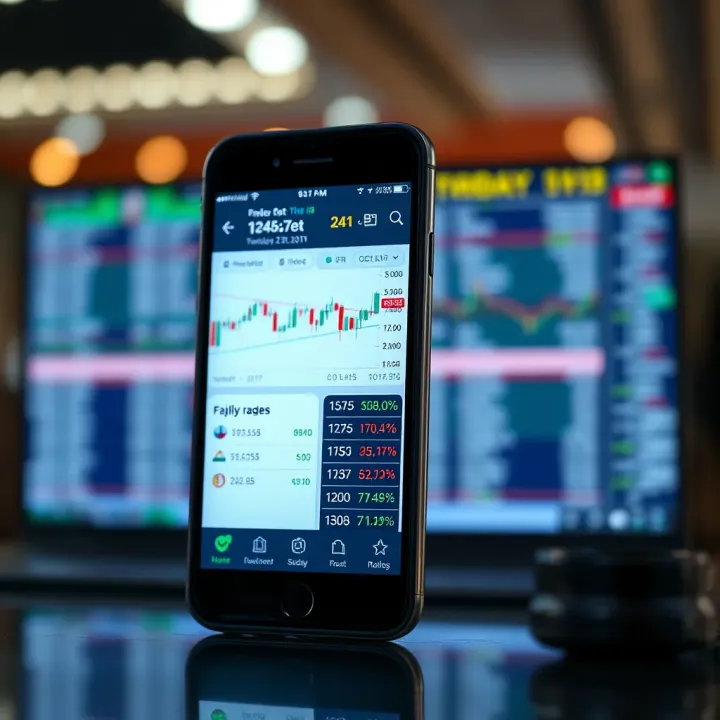
Explore top forex trading apps for Kenyan traders 📱 Learn how to pick the right app, secure your trades, and start trading forex effectively on mobile platforms!

📊 Explore how binary trading platforms work and discover key tips for Kenyan traders. Learn about risks, regulations, and making smart choices in Kenya's market. 🇰🇪
💱 Explore a detailed guide to forex trading in Kenya: learn market basics, effective strategies, risk management, platforms, and regulations for confident trading.
Based on 5 reviews