
Forex Trading Basics for Beginners in Kenya
📈 Learn forex trading basics in Kenya! Understand key players, essential tools, trading types, and strategies to trade confidently and manage risks.
Edited By
Isabella Harper
Forex trading has increasingly caught the attention of Kenyans aiming to add another income stream. Unlike traditional investments, forex involves buying and selling currencies on a global market, which operates 24 hours from Monday to Friday. The foreign exchange market is highly liquid, with over $6 trillion traded daily worldwide. In Kenya, this activity offers unique opportunities but also distinct risks.
The principle is straightforward: traders speculate on the price movement between two currencies, such as the US dollar (USD) and the Kenyan shilling (KSh). For example, if you predict that the USD will strengthen against the KSh, you buy USD/KSh pairs with the expectation of selling later at a higher rate. That said, the volatile nature of forex means prices can move quickly — which can be profitable or lead to losses.
Beginners must understand that forex trading is not a guaranteed way to get rich. It requires skill, discipline, and a clear plan.
Accessibility: Many brokers in Kenya offer platforms with low minimum deposits, some as low as KSh 5,000.
Liquidity: With major currency pairs, it’s easy to enter or exit trades quickly without waiting.
Leverage: Brokers provide leverage that allows controlling larger positions than one’s initial capital, but this increases risk.
Forex trading here is influenced by the Central Bank of Kenya’s policies and the local economic outlook. For instance, election seasons or shifts in export earnings from sectors like tea and coffee can cause currency fluctuations. Traders who follow these indicators tend to have an edge.
It’s crucial to trade through brokers registered by the Capital Markets Authority (CMA) Kenya. This ensures fair practice and access to dispute resolution mechanisms if issues arise. Moreover, Kenyan traders commonly fund accounts via M-Pesa or bank transfers, making it convenient to move money.
Understanding basic terms such as pips (the smallest price move), lots (trade size), and stop-loss orders (to limit losses) helps in managing trades practically.
This guide will walk you through the essentials starting from how to choose the right broker, manage your risk, and develop a trading strategy suited to the Kenyan market and your financial goals.
Forex trading, simply put, involves buying and selling currencies to profit from their changing values. It’s a global market where traders speculate on currency movements, hoping to sell high after buying low, or vice versa. Unlike stock trading, forex runs 24 hours during weekdays, making it accessible for those juggling other daily responsibilities.
In Kenya, forex trading has grown popular because it offers a way to enter international markets without large upfront capital. For example, a Nairobi-based trader can engage in forex trading from home using just a laptop and internet connection. This accessibility makes forex appealing for a range of people—from formal employed workers to hustlers looking for extra income streams.
Forex trading involves exchanging one currency for another at an agreed price. The purpose is to earn from shifts in exchange rates. For instance, if you expect the US dollar to strengthen against the Kenyan shilling, you would buy USD and later sell it at a higher rate to gain profit. Traders use this system both for hedging business risks and speculation.
Currencies are quoted in pairs, like USD/KES or EUR/USD. The first currency is the base, and the second is the quote currency. The pair price shows how much of the quote currency you need to buy one unit of the base currency. If USD/KES is 110, it means 1 US dollar costs 110 Kenyan shillings. Traders buy pairs they expect to rise or sell those expected to fall.
Understanding this is crucial because forex trading isn’t about buying a currency itself but speculating on its price relative to another. This approach simplifies exposure to global currency fluctuations without owning actual cash.
Some pairs dominate the forex world, called "major pairs". These include EUR/USD, USD/JPY, GBP/USD, and USD/CHF. These pairs have high liquidity and tighter spreads, making trading cheaper and quicker. For Kenyan traders, pairs like USD/KES have increasing interest due to direct economic links between Kenya and the US.
Trading pairs with major currencies generally involves lower risks compared to exotic pairs, which tend to have wider spreads and less predictable moves. That said, understanding local currency pairing like USD/KES is essential for Kenyan traders to relate global forex movements with their economy.
Currency values constantly change due to economic, political, and global events. In Kenya, where the shilling may fluctuate during election years, drought, or changes in trade policies, forex trading provides a way to profit from these swings. Traders who anticipate shifts can buy or sell currency pairs accordingly.
For example, during a period when the shilling weakens against the dollar, a well-placed trade can yield solid returns. This opportunity attracts many, especially those watching remittance flows or export activities affecting currency demand.
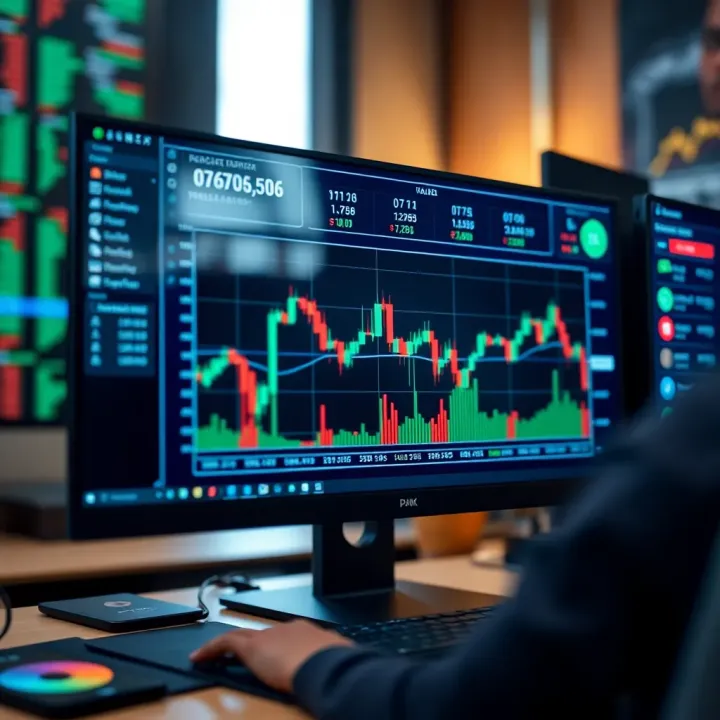
Most forex brokers now offer mobile apps and websites optimised for easy trading. Safaricom’s widespread 4G coverage and affordable smartphones make it possible for traders in towns like Kisumu or Eldoret to access forex markets as smoothly as someone in Nairobi.
M-Pesa integration further simplifies depositing and withdrawing funds, reducing reliance on traditional banks. This ease of access encourages more Kenyans to try their hand at forex without requiring elaborate setups or expensive computers.
Many Kenyans juggle multiple income sources—from running duka businesses to part-time driving boda bodas. Forex trading fits neatly alongside these hustles because it requires relatively flexible hours. Early risers might trade before heading to work; others might trade during lunch breaks or late evenings.
This setup allows forex trading to complement existing incomes rather than replace them immediately. The low entry cost means it is possible to start with amounts as little as KS,000, making it an attractive side hustle option for aspiring traders.
Forex trading in Kenya presents a practical way to engage with global markets, take advantage of currency fluctuations, and earn extra income with technology close at hand. Understanding its basic mechanics sets a strong foundation for anyone aiming to trade safely and smartly.
Understanding how forex trading operates within Kenya’s own environment is key to navigating the market safely and effectively. Unlike in other countries, Kenyan traders face specific regulatory, technological, and financial nuances that influence their trading experiences. This section explains these local factors, helping you see why it’s important to pay attention to them and how they impact your trade setup and execution.
The Capital Markets Authority (CMA) is the main regulator overseeing forex trading in Kenya. They ensure that brokers and investment platforms operate fairly, transparently, and within the law. The CMA’s oversight helps protect traders from scams and unethical practices. When you trade through a CMA-licensed broker, you get a level of assurance that the platform follows set rules, including proper handling of clients’ funds and adherence to market conduct standards.
Trading through licensed brokers is not just a formality; it is a practical way to safeguard your money and data. Licensed brokers undergo regular audits and are required to implement safeguards such as segregated client accounts, making it harder for your funds to disappear if the company faces financial problems. On the other hand, unregulated platforms often lack such protections, leaving traders vulnerable to financial loss without clear recourse.
The risks of using unregulated platforms in Kenya can be severe. Many scams promise huge returns but vanish with traders’ deposits. Sometimes these platforms manipulate software to generate fake profits or losses, tricking users into depositing more money. Moreover, they often ignore Kenya's financial laws, meaning there’s no legal backing for traders if things go wrong. Hence, sticking with CMA-approved brokers reduces these risks and supports safer trading.
Choosing a trustworthy broker involves looking beyond flashy offers. Key criteria include CMA licensing, good client reviews, transparent fee structures, and availability of local payment methods. A reliable broker also provides strong customer support and access to educational resources to help you improve your trades. These factors directly affect your trading speed, cost, and overall experience.
Some of the brokers popular among Kenyan traders include FXPesa, HotForex, and Exness. These brokers have established presence by offering tailored services like Kiswahili support or M-Pesa integration, making it easier and safer for local traders to deposit, withdraw, and manage accounts. Their recognition in Kenyan forums and trading groups also cements trust.
Using M-Pesa for deposits and withdrawals is a game changer for forex trading in Kenya. Since it’s the country’s dominant mobile money platform, many brokers have integrated M-Pesa to allow instant, hassle-free transactions without needing a bank account or international wire transfers. Besides M-Pesa, some brokers support other options like bank transfers or card payments, but M-Pesa remains the most accessible and convenient for many Kenyan traders.
Trading with a CMA-licensed broker and methods like M-Pesa both reduce hurdles and risks, making forex trading more practical and trustworthy for Kenyan beginners.
By understanding these local specifics, Kenyan traders can better position themselves to trade safely, save on costs, and avoid pitfalls in the fast-moving forex market.
Starting your first forex trade successfully depends a lot on how well you set up the basic elements. This includes opening a proper trading account with a reliable broker, getting familiar with key forex terms, and knowing how to place orders. Taking these steps seriously helps avoid confusion and mistakes down the line, especially since forex trading involves real money and risk.
To open a forex trading account, you first need to choose a broker who operates legally in Kenya or internationally but supports Kenyan traders. After picking a broker, visit their website or app and fill in your personal details, such as full name, email, phone number, and country of residence. Most brokers will also ask about your trading experience to gauge your level of expertise.
Once you submit your application, the next step is verification to comply with regulations. You will typically need to provide a valid government-issued ID like a national ID card or passport. In addition, a proof of residence document, such as a recent utility bill or bank statement no older than three months, is also required. These steps protect you and the broker from fraud and money laundering.
Before risking real money, it's wise to practice using a demo account. This type of account allows you to trade with virtual funds while experiencing real-market conditions. For example, if you choose to trade the USD/KES currency pair, the demo account will reflect real-time price movements without risking your KSh. Practising here lets you test strategies, understand execution speeds, and get comfortable with the trading platform before making your first live trade.
Understanding key terms like leverage and margin is essential. Leverage lets you control a larger position with a smaller amount of capital. For instance, a leverage of 1:100 means you can control KSh 100,000 in the market with just KSh 1,000 in your account as margin. While leverage can boost profits, it also magnifies losses, so cautious use is necessary.
Other terms include pips, lots, and spreads. A pip is the smallest price movement in a currency pair. For example, if the USD/KES rate moves from 110.00 to 110.01, that 0.01 change is one pip. A lot is the standard trading size, usually 100,000 units of the base currency. The spread is the difference between the buying (ask) and selling (bid) price. Low spreads usually mean cheaper trades.
Trading orders help you manage when and how trades happen. A market order buys or sells instantly at the current price. A limit order lets you set a target price to buy or sell later, beneficial if you expect the price to move in your favour. A stop-loss order automatically closes your position if the price moves against you beyond a set point, helping manage risk.
Properly setting up accounts and understanding these basics lays a strong foundation. It helps you trade forex with more confidence and better control of your investment in the Kenyan context.
Managing risks is an essential part of forex trading, especially in Kenya where beginners often enter the market without a full understanding of its volatility and complexities. Ignoring risk management can lead to severe financial losses. Equally important is avoiding common mistakes that new traders typically make. These two areas together help protect your capital and improve your chances of sustainable success.
Market volatility and unexpected fluctuations can make forex trading unpredictable. Currency values can shift sharply within minutes due to news events, economic reports, or political developments. For example, a sudden speech by the Central Bank of Kenya on interest rates may cause the Kenyan shilling to strengthen or weaken quickly. Traders without a clear risk strategy may suffer heavy losses if caught unaware.
Leverage risks and how losses can multiply are another concern. Leverage allows you to control a large position with a relatively small deposit. While this can boost profits, it also magnifies losses. Say you use 100:1 leverage and your trade moves just 1% against you—you could lose your entire deposit. Many beginners underestimate this risk and end up losing more than they planned.
Importance of emotional control cannot be overstated in forex trading. The market’s rapid moves can provoke fear or greed, leading to impulsive decisions like closing trades too early or overtrading. Maintaining calm helps you stick to your strategy and avoid costly mistakes. For instance, after a losing streak, a trader who loses emotional control might chase losses with bigger bets, increasing their risk drastically.
Setting stop-loss levels helps limit potential losses on every trade. A stop-loss is an order to close your position once it hits a specific price, preventing runaway losses. For example, if you buy EUR/USD at 120.50, setting a stop-loss at 119.50 means you cap your risk to one unit of the currency.
Only risking a small percentage of your capital per trade is a simple but effective rule. Traders commonly risk 1-2% of their total funds on a single position. So, with a KSh 100,000 portfolio, you risk at most KSh 1,000 to 2,000 per trade. This approach safeguards your capital and keeps you in the game longer even if you face losses.
Keeping a trading journal tracks your trades, decisions, and outcomes. It uncovers patterns in your behaviour, helping you learn what works and what doesn’t. Writing down why you entered or exited a trade clarifies your thought process and improves discipline.
Overtrading and chasing losses are common traps for new traders. When frustrated, some trade too often or increase their stakes trying to recover. This often backfires, wiping out gains and heightening stress.
Ignoring the economic calendar and news can leave you blindsided. Critical events like Kenya’s GDP announcements, CBK policy changes, or US employment figures affect currency moves. Awareness helps you plan trades better and avoid surprises.
Using leverage without fully understanding it exposes you to outsized losses. Beginners must take time to learn how leverage amplifies both profits and losses before using it extensively.
Managing risks and learning from common pitfalls is the backbone of long-term success in forex trading. By being cautious and disciplined, Kenyan traders can build resilience and increase their chances of profit.
Ongoing learning is essential for anyone jumping into forex trading in Kenya. The forex market is dynamic, influenced by global and local events, so staying sharp helps you make informed decisions. Building skills doesn’t just mean knowing the basics—it’s about understanding market movements, mastering trading platforms, and learning from experience over time.
Online courses and video tutorials offer a flexible way to gain foundational knowledge and updates on new strategies. Platforms like Udemy or Coursera have courses that explain forex concepts clearly, while YouTube channels provide free tutorials tailored to Kenyan traders. This is especially useful for those balancing trading with other hustles since you can learn at your own pace.
Local seminars and workshops provide face-to-face training and networking opportunities. Nairobi and other major towns often host events where experienced traders and brokers share insights relevant to Kenya’s market environment. These sessions allow you to ask questions directly and engage with people who have hands-on experience, which can be invaluable for building confidence and practical know-how.
Community forums and trading groups act as support hubs where traders exchange tips, share information about brokers, and discuss market trends. Kenyan traders often meet in WhatsApp groups or online forums to keep each other updated. Getting involved in these communities helps you learn from the collective experience and avoid common pitfalls.
Using demo accounts allows you to practise trading without risking real money. These simulated environments mimic live market conditions, so you can test strategies and get comfortable with order placements, leverage, and volatility. This practice is especially important for beginners to avoid costly mistakes while still developing skills.
Transitioning gradually from demo to live trading helps ease you into real trading pressure. Start with small amounts of capital as you gain confidence, then increase your stakes slowly. This phased approach limits losses and builds your emotional resilience against market swings.
Staying informed through reliable sources is key to understanding how economic and political news affects currency values. Trusted sources include the Business Daily, Daily Nation, and reports from the Central Bank of Kenya. Monitoring announcements like inflation reports, interest rate changes, and political developments helps you anticipate market moves.
Regularly reviewing your trades allows you to spot patterns in your performance and improve your strategy. Keeping a simple trading journal with notes on why you entered or exited trades can reveal what works and what doesn’t. This ongoing self-assessment refines your approach and helps you grow as a trader.
Learning in forex is not a one-off event but a continuous process. Building your skills and staying updated on market conditions ensures you trade smartly and sustainably over time.
📈 Learn forex trading basics in Kenya! Understand key players, essential tools, trading types, and strategies to trade confidently and manage risks.
💱 Explore a detailed guide to forex trading in Kenya: learn market basics, effective strategies, risk management, platforms, and regulations for confident trading.
Explore top forex trading companies in Kenya 🇰🇪, learn to choose trusted brokers, understand market trends, manage risks, and follow local regulations 📈📊.
📈 Explore top forex trading classes in Kenya! Discover tips, course types, benefits & trusted schools to boost your trading skills effectively.
Based on 8 reviews