
Forex Trading Guide for Beginners in Kenya
💱 Explore a detailed guide to forex trading in Kenya: learn market basics, effective strategies, risk management, platforms, and regulations for confident trading.
Edited By
Liam Turner
Forex trading has become increasingly accessible in Kenya, with more people keen on dipping their toes into the foreign exchange market. But before you can start making trades, understanding how to log into your forex trading platform is fundamental. Without proper login know-how, you risk losing precious time or exposing your account to security threats.
Most forex platforms used by Kenyan traders—like MetaTrader 4, MetaTrader 5, or proprietary brokers’ apps—require a few basic details to get started: a username or email, a password, and sometimes two-factor authentication codes. While this might sound straightforward, the process varies slightly from one platform to another.
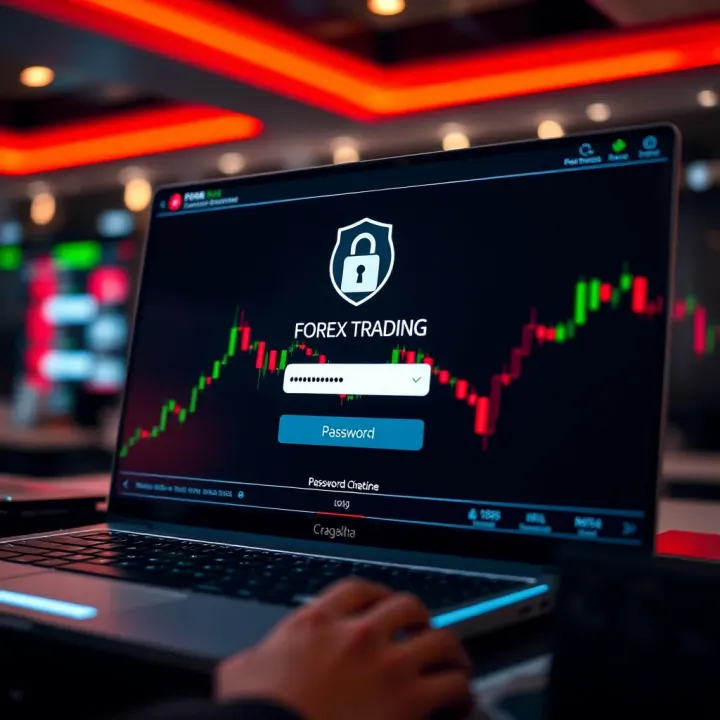
Securely accessing your account is the first defence against hacking and fraud. Always use strong, unique passwords and activate two-factor authentication if available.
Kenyan traders usually access forex markets through:
Desktop platforms: Often MetaTrader versions installed on your computer. They offer full features but require downloading.
Web-based platforms: Accessible via browsers. Convenient for quick logins, though sometimes limited in advanced tools.
Mobile apps: Provided by brokers, making it easy to trade on the go with your smartphone.
Each platform might have different login screens but the essential credentials remain consistent.
Never share your login details with third parties.
Use a password manager to create and store complex passwords.
Avoid logging in from public Wi-Fi; if unavoidable, use a VPN for safer browsing.
Regularly update your password and monitor account activity.
Kenyan traders often face issues such as forgotten passwords, account lockouts, or delayed SMS codes for two-factor authentication. Most brokers provide password reset options via email or phone verification. Make sure your registered contacts are always up to date.
By knowing what to expect when logging in, you can focus on making informed trading decisions without unnecessary delays or worries about your account safety.
Understanding the different forex trading platforms is key to making smart trading decisions. These platforms are the doorway through which traders access the forex markets. For Kenyan traders, choosing the right platform can affect everything from ease of use to security and speed of trade execution. That means getting familiar with what’s available can save both time and money.
Desktop applications offer a powerful and stable trading environment. Installed directly onto your computer, these platforms like MetaTrader 4 or MetaTrader 5 give you access to advanced charting tools, automated trading, and custom indicators. Desktop platforms are ideal for serious traders who spend hours analysing the markets. In Kenya, traders with reliable internet and access to good computers often prefer desktop apps for their robustness.
Web-based platforms run through any internet browser without the need for installation. This flexibility means you can log in from any device with internet access. Many Kenyan traders appreciate web platforms because they don't have to worry about software updates or compatibility. For example, platforms like cTrader Web or brokers’ own sites allow easy access for casual traders or those on the go.
Mobile trading apps cater to traders who want to manage trades from their phones or tablets. These apps include features such as real-time price alerts, one-touch trade execution, and portfolio tracking. Kenyan traders, especially those who rely on mobile data and M-Pesa payments, find mobile apps convenient to use anywhere — whether in Nairobi or a rural town. Popular apps like MetaTrader for Android/iOS and various broker apps offer this convenience.
Considerations for Kenyan traders must include availability of local payment options like M-Pesa and support for local time zones. Some platforms may not allow deposits or withdrawals easily from Kenya, so checking payment integration saves future headaches. Also, trading platforms should handle Kenya’s varying internet speeds; a lightweight app may work better in areas with slower connections.
Platform features and usability matter a lot. You want clear charts, fast order placements, and reliable alerts. Beginners might prefer platforms with simple interfaces and educational resources like demo accounts. Experienced traders could look for customisable layouts and automated trading options. Usability can affect how quickly you respond to market changes and manage risks.
Broker compatibility is essential. Not all brokers support every platform. Before settling on a trading platform, confirm your broker offers full access and support for it. For Kenyan traders, brokers regulated by the Capital Markets Authority (CMA) who provide platforms with clear interfaces and support are often safer choices. Matching platform capabilities with your broker’s offerings ensures smoother trading experience.
Choosing and knowing your trading platform inside-out helps you trade confidently and avoid costly mistakes. It’s worth spending time upfront selecting one that fits your trading style and Kenyan context.
Logging into your forex trading account marks the starting point for every trade you make. It's the gateway to managing your investments, checking market movements, and executing trades. Getting this step right means fewer frustrations and a smoother trading experience, especially when timing is everything. For Kenyan traders, understanding how to log in safely and efficiently is key, considering the prevalent risks online and the specific requirements brokers impose.
Before you can log in, you need to register with a forex broker. This involves providing personal details like your full name, ID number or passport, phone number, and email address. Most brokers require these details through their website or app. For example, registering on a platform like ForexTime (FXTM) will require you to fill out a form, submit identification documents, and possibly verify your phone number via SMS for added security. This step verifies your identity and complies with Kenya’s regulations, like those from the Capital Markets Authority (CMA).
Once registered, you receive a username and password, sometimes sent via email or SMS. To verify these credentials, you log in for the first time using them. Some platforms prompt you to change your initial password to something stronger and unique to you. This initial verification ensures no one else has access and that you can safely reach your trading dashboard. For instance, using the eCitizen portal for certain financial services requires a similar verification process—Kenyan traders might find the steps familiar.
Security is critical from the start. After your first login, you’ll often be asked to set up extra measures such as a security question, PIN, or two-factor authentication (2FA). Setting up 2FA, where you receive a code on your phone or an authenticator app, adds a vital layer of defence. This is especially important because forex accounts hold financial data and funds. For example, a trader using the MetaTrader platform may link Google Authenticator to their account before starting regular trades.
Each time you want to trade, you begin by navigating to your broker's login page. This could be on their website or a mobile trading app. Be sure you access the official page by checking the URL and avoiding suspicious links, which helps prevent phishing attacks. Kenyan traders should also watch out for unreliable public Wi-Fi, which can expose login details to hackers.
Once on the login page, enter your username and password carefully. Using a keyboard on a secure device reduces the chances of keyloggers capturing your data. If you forget your credentials, most platforms provide an option to recover or reset your password, often by sending a reset link to your verified email or phone. Storing your login details in a secure password manager helps avoid repeated failed logins and potential account locks.
Two-factor authentication (2FA) is now the standard among brokers for an added security layer. After entering your password, you’ll need to provide a second form of verification, typically a code sent via SMS or generated by an app. It reduces the chance of unauthorized access significantly—even if your password is compromised. Kenyan traders using apps like Safaricom’s M-Pesa are already familiar with receiving and entering codes, making 2FA easy to adopt and crucial for protecting your forex assets.
Logging in safely is more than typing your details; it’s about protecting your assets, ensuring access continuity, and trusting your trading environment. Kenyan traders should always prioritise proper login protocols to keep their forex journey smooth and secure.
Encountering login issues in forex trading platforms can disrupt your trading activities and cause unnecessary stress. For Kenyan traders, such problems can be especially frustrating given the importance of timely decisions in forex markets. This section highlights typical login problems, their causes, and practical steps to resolve them swiftly. Addressing these challenges effectively ensures you maintain control over your trading account and avoid missing key market opportunities.
Using password recovery options: Most forex platforms offer straightforward password recovery features. If you've forgotten your password or username, start by clicking the 'Forgot Password' or 'Forgot Username' link on the login page. Usually, you will be asked to provide your registered email or phone number to receive a reset link or temporary credentials. For example, on platforms like MetaTrader or cTrader, this can be done within a few minutes without requiring direct broker assistance. Keeping your email or phone updated with your broker helps this process go smoothly.
Contacting broker support: Sometimes, automated recovery may not work — perhaps because of incorrect email details or system errors. In such cases, contacting your broker’s customer service is crucial. Most brokers offer support via email, phone, or live chat. When reaching out, have your account details and identification ready, as they will need to verify your identity before helping you reset access. Kenyan traders can benefit from brokers who offer Swahili or local language support, making communication easier.
Reasons for account locks: Account lockouts often occur after multiple failed login attempts. Brokers implement this as a security measure to protect your account from unauthorised access, especially in sensitive markets like forex. Another common reason is suspicious activity detected on your account, such as logins from unusual IP addresses. For instance, logging in from multiple devices simultaneously without proper logout may trigger a security block.
Steps to regain access: If locked out, first avoid further login attempts that could extend the lock. Instead, reach out to your broker’s security team as soon as possible. They may require you to verify your identity with documents such as your national ID or passport. After confirmation, they will unlock your account or guide you to reset your access. Maintaining updated contact information with your broker makes this process quicker and smoother.
Browser and app compatibility: Some login issues arise from using unsupported browsers or outdated app versions. For example, older versions of Internet Explorer may not support secure connection protocols used by modern forex platforms. Kenyan traders should ensure they are using browsers like Google Chrome, Mozilla Firefox, or Microsoft Edge. Similarly, mobile trading apps on Android or iOS need to be updated regularly to avoid glitches during login.
Updating software and clearing cache: Over time, browser cache or app data can become corrupted, causing login failures. Clearing your browser’s cache and cookies or reinstalling the mobile app often resolves these minor technical hitches. For instance, if you struggle to load the login page on your browser, clearing cache can remove outdated files that interfere with proper loading. Keep your device’s operating system updated too, as compatibility often depends on this.
Keeping a close eye on these common login issues and addressing them early reduces downtime and helps Kenyan traders keep up with fast-moving forex markets. Practical understanding and quick action save both time and potential losses.
Forex trading involves handling sensitive financial information and real money, making security during login a top priority. Kenyan traders must protect their accounts from unauthorised access to avoid losses or identity theft. Simple steps like safeguarding your login details, recognising phishing attempts, and enabling extra security layers can defend against most common threats.
Creating strong passwords is the basic yet critical step. Use a mix of uppercase and lowercase letters, numbers, and symbols. For example, instead of a straightforward password like "Kenya1234", you could create "K3nYa$2024!". Avoid predictable patterns, birthdays, or common words. A strong password takes longer for hackers to crack, giving your account a better chance against brute force attacks.
Using password managers helps you manage complex login credentials without memorising them all. Popular tools like LastPass or Bitwarden store your passwords safely and autofill them when logging in. This reduces the temptation to reuse simple passwords across multiple accounts — a common security risk. For Kenyan traders, who often juggle many platforms, a password manager simplifies staying secure without the hassle.
Recognising suspicious emails and links is crucial because phishing stays a favourite trick for cybercriminals. Mail that pretends to be from your broker often asks for login details or contains links leading to fake websites. Kenyan traders should watch for odd grammar, unexpected requests, or email addresses that look similar but aren’t official. Never click hastily; instead, confirm the sender through official channels.
Verifying official broker communications means always checking that messages or phone calls genuinely come from your trading platform or broker. Brokers like FXPesa or HotForex usually communicate through secured emails or directly on their platforms. If any message asks for passwords, personal info, or urgent action, confirm by logging into your official account instead of using the provided link.
Importance of 2FA cannot be overstated. Two-factor authentication adds another step beyond just a password by requiring a second verification, often a code sent to your mobile or generated by an app. This extra layer significantly lowers the risk of account breach because even if someone steals your password, they still need the second factor to access your account.
Setting up and managing 2FA methods is easy with most brokers and platforms. After login, you can activate 2FA using apps like Google Authenticator or receive SMS codes. Ensure your mobile number linked to the account is current and secure. If you change phones, transfer your 2FA settings correctly to avoid lockouts.
Staying vigilant about login security helps protect your investments and builds confidence while trading. Every small security step adds up to a safer forex trading experience in Kenya.
Managing your forex trading account after login is vital to keep your trading activities smooth, secure, and aligned with your goals. Once you're inside, you should actively update your details, handle fund transactions carefully, and review your trade history regularly. These actions help you maintain accuracy, avoid disruptions, and stay informed about your financial position.
Changing contact details is essential whenever you relocate, switch phone numbers, or change email addresses. Keeping your broker updated ensures you receive important notifications, such as trade alerts or account verification requests, without delay. For instance, if your mobile number linked to your account becomes inactive, you might miss confirmation codes needed for two-factor authentication, locking you out.
Similarly, updating identification documents matters when your personal ID expires or you acquire new verification papers. Brokers often require current documents for compliance with anti-money laundering (AML) and know-your-customer (KYC) rules. Failing to provide up-to-date ID can lead to halted withdrawals or account restrictions, so promptly uploading fresh scans of your ID or passport keeps your account in good standing.
Using popular Kenyan payment methods like M-Pesa simplifies funding your forex account. Many brokers now accept M-Pesa payments, allowing traders to transfer funds instantly and securely from their mobile phones. This is particularly handy for Kenyan traders who may not have access to international bank accounts or credit cards. For example, depositing KS0,000 via M-Pesa avoids currency conversion fees and delays common with wire transfers.
However, it’s important to understand broker rules for deposits and withdrawals. Each broker has specific minimum and maximum limits, processing times, and sometimes charges. Some may restrict withdrawal methods to the same channel used for deposit, so if you funded your account via M-Pesa, you'll likely need to withdraw through M-Pesa as well. Reviewing these terms beforehand avoids surprises and helps with planning your cash flow.
After logging in, accessing reports through the platform allows you to monitor your trading activity transparently. Most forex platforms provide detailed statements showing every trade, deposit, withdrawal, and fee charged. Checking these regularly can help detect any anomalies early, such as unauthorised transactions or calculation errors, helping you maintain control over your funds.
Additionally, downloading and saving records is important for tax preparation, personal review, or proof of transactions. You can usually export statements as PDFs or spreadsheets, then store them securely offline. For Kenyan traders, having clear records is crucial when reporting profits or losses to the Kenya Revenue Authority (KRA). Keeping these files organised saves time during tax season and supports evidence-based decision-making.
Regular management of your forex account builds trust and confidence, helping you trade safely and make informed financial choices.
💱 Explore a detailed guide to forex trading in Kenya: learn market basics, effective strategies, risk management, platforms, and regulations for confident trading.
Explore top forex trading companies in Kenya 🇰🇪, learn to choose trusted brokers, understand market trends, manage risks, and follow local regulations 📈📊.
📈 Explore top forex trading classes in Kenya! Discover tips, course types, benefits & trusted schools to boost your trading skills effectively.
Discover top Forex brokers in Kenya 🇰🇪, learn how to pick reliable platforms, understand regulations, and get tips tailored for Kenyan traders 💹
Based on 14 reviews