

Best Forex Trading Books for Kenyan Traders
📚 Discover the top books for forex trading tailored for Kenyan traders! Learn strategies, market psychology & risk management to boost your skills today.
Edited By
Hannah Price
Forex trading robots, often known as Expert Advisors (EAs), are software programs that automate the process of trading currencies in the forex market. These robots execute trades on behalf of traders based on pre-set rules and algorithms without requiring constant human intervention. In Kenya, where forex trading has gained popularity through platforms like MetaTrader and M-Pesa for funding accounts, understanding how these robots work can save you time and improve your trading efficiency.
These robots analyse market data, identify trading opportunities, and place orders automatically. For instance, a forex robot may scan for specific chart patterns or currency pair behaviours, then execute buy or sell orders accordingly. This helps traders avoid emotional decisions that often lead to losses.

Automated trading robots operate 24/7, which means they can take advantage of market movements even when you are asleep, busy at work, or commuting in a matatu. This continuous monitoring is particularly useful in the forex markets, which operate round the clock.
However, it's important to recognise that forex robots are not foolproof. They depend on the quality of the strategy coded into them and the accuracy of market data received. Sudden economic shocks or unexpected events like central bank announcements can lead to losses if the robot cannot adjust.
When using trading robots, Kenyan traders should consider:
Strategy type: Is the robot designed for short-term scalping or longer-term trading?
Market conditions: Some robots perform well in trending markets but poorly in sideways or volatile conditions.
Broker compatibility: Ensure your chosen forex broker supports automated trading and allows EAs on their platform.
Understanding these aspects can help you choose or customise a robot that suits your trading style and risk appetite. Next, we will explore the advantages and challenges these tools present and practical tips for Kenyan traders looking to integrate robots into their forex workflows.
Forex trading robots are computer programmes designed to automate the process of buying and selling currency pairs in the foreign exchange market. Their growing popularity among Kenyan traders stems from the potential to execute trades around the clock without the limitations of human fatigue or emotional interference. Understanding how these robots function helps traders use them effectively and avoid common pitfalls.
At their core, forex robots analyse market data and execute trades based on preset rules coded in their algorithms. For example, a robot might monitor the EUR/USD pair and automatically buy when the price crosses above a moving average, then sell when the opposite happens. This continuous monitoring and execution can save time and potentially increase consistency for traders who might otherwise miss key market moves during busy days.
A forex trading robot is software that automates trading decisions by analysing price movements and other market indicators. Once installed on a trading platform, it can open, manage, and close trades without constant user input. The main idea is to remove emotion and human delay from trading, aiming for systematic and disciplined trading based on a given strategy.
More than just triggering buy or sell orders, these robots can manage trade sizes, set stop-losses, and take-profits depending on the trader's risk appetite. For instance, a forex robot configured to manage risk might reduce trade size during volatile sessions in the Nairobi timezone and increase size when the market is calmer.
These robots handle every part of trading, from analysing the market to executing trades and managing open positions. Kenyan traders familiar with MetaTrader platforms can download Expert Advisors (EAs), which are examples of fully automated robots. Once running, such robots can operate independently 24/7, which is handy since the forex market never sleeps.
Fully automated robots suit busy traders who cannot monitor charts continuously but want to stay in the game. However, complete automation means handing control to software, so it’s vital to choose robots with proven track records and reviews from other users.
Semi-automated robots require human input at key stages. For example, they may send trading signals but wait for your approval before opening a position. This approach blends computer efficiency with human judgment.
For traders who want to stay involved in market decisions but reduce the workload, semi-automated robots provide flexibility. You might get a notification that the robot spots an opportunity on the GBP/USD pair; then, you decide whether to act.
Signal providers don’t execute trades automatically. Instead, they analyse market conditions and alert traders with entry and exit points via notifications or alerts. Kenyan traders often receive these signals through mobile apps or platforms like Telegram.
Signal providers help those who prefer to trade manually but benefit from algorithmic insights. However, since execution depends on the trader’s speed, delays can affect profitability.
The backbone of most forex robots is technical analysis, which uses historical price data to forecast future moves. Common tools include moving averages, Relative Strength Index (RSI), Bollinger Bands, and Fibonacci retracements.
For example, a robot may use a combination of moving average crossovers and RSI to decide when to enter or exit. This means it looks for situations where a short-term average crosses above a long-term average, signalling upward momentum, while the RSI confirms the asset is not overbought. This disciplined approach helps avoid trades based purely on guesswork.
Good forex robots incorporate risk rules such as setting stop-loss and take-profit levels to protect funds. They may adjust trade sizes based on account balance or market volatility to avoid exposing the trader to huge losses.
In Kenya, where traders often use varying lot sizes depending on capital, this feature is useful. For instance, during volatile sessions caused by unexpected news in the US or Europe, a robot might reduce the lot size to KSh 1,000 per trade instead of KSh 5,000.
Using a robot without clear risk controls is like driving at night without headlights; you might reach a destination, but chances of crashes go up. Proper algorithmic risk management is key to consistent trading performance.
In sum, forex trading robots offer Kenyan traders a way to tap into the markets without constant manual effort, but understanding their types and how algorithms work helps make better decisions and manage risks.
Forex trading robots offer Kenyan traders a way to automate decisions in the fast-moving forex market. While they bring clear benefits like round-the-clock monitoring and emotional discipline, they also carry risks such as technical glitches and hidden costs. Weighing these pros and cons helps traders decide how and when to use robots effectively.
One major advantage of forex robots is their ability to monitor the forex markets continuously. Unlike human traders, who need rest and can miss important market moves, these automated systems keep an eye on price changes and trading signals all day and night. For Kenyan traders especially, this means not having to stay glued to screens while juggling work or family commitments.
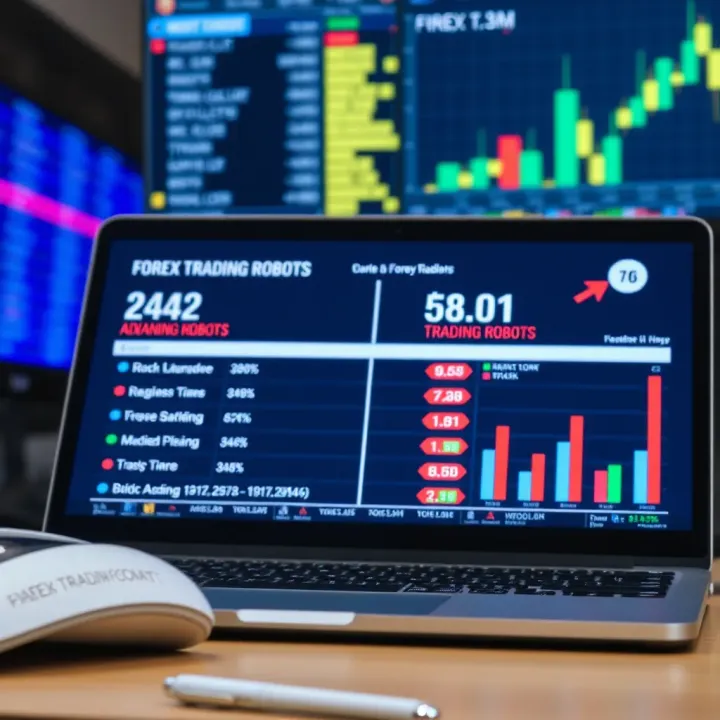
For example, a forex robot can spot a sudden shift during off-hours — say, when Asian markets open — and act promptly. This constant vigilance can translate to seizing opportunities that manual traders might miss. It also suits active forex traders in Kenya who want to benefit from global market moves without being online 24/7.
Emotions often cloud trading decisions, leading to hesitation or rash moves. Forex robots remove this human element by following predefined rules strictly, without fear, greed, or anxiety. This can help Kenyan traders stick to their trading plan and avoid impulsive trades.
For instance, during volatile times like economic data releases from the US or Europe, emotions can cause panic selling or overbuying. A robot will execute trades based on technical criteria rather than feelings, preventing costly mistakes borne from stress or excitement.
Forex robots analyse vast amounts of data much faster than people can. They execute trades instantaneously as soon as conditions meet their programmed criteria. This speed can mean taking advantage of brief, profitable market setups before they disappear.
Consider a robot that uses moving average crossovers to trigger trades. It will enter or exit positions within milliseconds once signals form, while a human trader might take minutes to react. This efficiency can improve trade execution and reduce slippage, which is the difference between expected and actual trade prices.
One pitfall is over-optimisation, where a robot is too closely tailored to past market data. Such robots often perform well in backtests but fail to adapt to real, changing market conditions. This can produce false signals that lead to losses.
Kenyan traders should beware robots promising high returns based solely on historical performance without live testing. Market dynamics in Kenya’s forex brokers might differ from data used to train the robot, so over-optimised systems can disappoint when faced with real-time trades.
Technical glitches such as software bugs, internet outages, or power failures can disrupt automated trading. A robot might stop working mid-trade or execute trades incorrectly if the platform connection drops suddenly.
Given some parts of Kenya still face inconsistent power supply and internet stability challenges, this risk is real. Traders need to monitor their bots and have safeguards like stop-loss orders or manual override plans to manage potential technical failures.
Not all forex robots are free; many require purchase, subscription fees, or charge commissions on profits. Some also hook you with hidden costs linked to broker fees or platform compatibility.
Kenyan traders need to carefully review all expenses involved before adopting a robot. For instance, a robot that demands a high monthly fee plus a costly broker spread might reduce overall profitability. Transparency in pricing and understanding all associated costs is crucial to avoid surprises.
Using forex robots can improve trading discipline and seize opportunities, but it’s wise to remain vigilant about limitations and costs. Balancing these factors helps Kenyan traders use robots as powerful tools, not magic solutions.
Using forex trading robots can improve your chances in the Kenyan forex market by automating strategy execution and reducing emotional decisions. However, setting up these robots correctly is key to making them work for you and aligning them with local trading conditions and regulations.
Before picking a forex robot, you must review its past results carefully. Look for verified track records—these show how the robot performed in live markets, not just in backtests. For instance, some robots may boast high returns but on very risky strategies that don’t suit your tolerance. Prioritise robots with consistent profits over time rather than suddenly high wins.
Most Kenyan traders use platforms such as MetaTrader 4 or 5, as these are widely supported by brokers like FXPesa or HotForex. Ensure the robot you choose works seamlessly with your preferred platform. Compatibility affects how easily you install and run the software, plus how it interacts with the broker’s execution systems.
Checking user feedback lets you know what to expect. Trusted forex robot developers provide good customer service and regular updates based on user input. A community or forum where other Kenyans discuss robot performance can also help you spot scams or poorly designed systems.
Your broker and platform choice will affect the robot’s efficiency. Pick brokers that are licensed by Kenya’s Capital Markets Authority (CMA) to ensure safety and fair trading. Make sure the broker’s platform supports automated trading and allows Expert Advisors, which are basically forex robots.
Installation usually involves downloading the robot file (.ex4 or .mq5) and placing it in the correct folder within the trading platform before activating it. Follow the developer’s instructions closely. Getting the installation wrong can make the robot fail to execute or freeze during trading hours.
No robot works well out of the box. You'll need to tailor risk settings, lot sizes, stop-loss levels, and trading hours based on your own strategy and the typical forex market conditions in Kenya. For example, if you prefer conservative trading due to limited capital, reduce the lot size and use tighter stop-loss limits.
Keep your robot updated to benefit from improvements or patches against newly detected bugs. Backtesting on historical data simulating Kenya’s trading periods helps verify if the robot still fits the market strategy or if it needs adjustments. This helps prevent costly mistakes.
Trusting a robot fully is risky. Sometimes market events, such as sudden political announcements or currency rate shifts (like those affecting the Kenyan shilling), require you to intervene manually—pausing the robot or changing settings to avoid losses. Set clear rules on when to step in, as this balancing act keeps you ahead of unforeseen market moves.
Effective use of forex trading robots involves a blend of tech know-how and active management. Kenyan traders who invest time in setup and monitoring tend to see more steady results.
Setting up your robot with care and monitoring its activity regularly will increase your chances of success moving forward in Kenya's dynamic forex environment.
Understanding the legal and regulatory framework is vital for anyone planning to use forex trading robots in Kenya. These rules ensure your trading activities remain above board and protect you from unscrupulous practices. Kenyan regulators have been keen to keep pace with technological advances like automated trading to safeguard investors and promote fair markets.
The Capital Markets Authority (CMA) is Kenya’s main regulator overseeing trading activities in securities and derivatives, which includes forex trading when offered by licensed entities. The CMA’s role is to ensure transparency, investor protection, and market stability. For Kenyan traders using forex robots, CMA regulation means dealing only with brokers who meet these standards, reducing the chances of fraud or market manipulation.
Moreover, the CMA issues guidelines and policies that impact automated trading, ensuring software like forex robots comply with established financial laws. For example, CMA requires brokers to disclose relevant information and maintain client funds in segregated accounts. This accountability helps traders avoid losing their invested capital due to broker mismanagement or illegal activities.
To operate legally in Kenya, forex brokers must be licensed by the CMA. This licensing signals that the broker has met specific operational criteria, including sufficient capital reserves, sound business practices, and transparent customer dealings. Kenyan traders should always verify that their broker holds a valid CMA licence before linking any forex robot to the broker’s platform.
Trading on unlicensed platforms increases the risk of scams and losing funds without recourse. Licensed brokers, however, are subject to regular audits and must maintain compliance with anti-money laundering rules and fair trade practices. These checks offer a safety net for automated trading, giving Kenyan traders more confidence using forex robots.
Forex trading robots are popular targets for unscrupulous vendors promising guaranteed profits with little risk. Unfortunately, many such offers come from unlicensed companies or individuals operating outside CMA oversight. To avoid scams, Kenyan traders should perform due diligence by checking the vendor’s registration and reputation before purchasing or subscribing to any forex robot.
Practical steps include reading reviews from other Kenyan traders, consulting forums, and asking for clear performance records verified by third parties. Avoid robots that claim unrealistic returns or push high-pressure sales tactics. Staying within the regulated market environment is the safest bet to avoid fraudulent software.
Profits from forex trading, whether manual or automated, are subject to taxation under Kenyan law. The Kenya Revenue Authority (KRA) requires traders to declare income from such activities and pay tax accordingly. Automated trading profits through forex robots do not exempt you from these tax obligations.
Traders should keep detailed records of all transactions made via forex robots, including deposits, withdrawals, and realised profits or losses. Proper record-keeping helps when filing tax returns and can prevent surprises during tax audits. Consulting a tax professional familiar with Kenyan forex trading rules is advisable to stay compliant and avoid penalties.
Staying informed about the legal environment and following regulatory guidelines protects your investments and enhances your confidence in automated trading with forex robots.
By understanding the CMA’s role, confirming broker licensing, avoiding scammers, and handling taxation properly, Kenyan traders can harness forex robots safely and effectively in the dynamic forex market.
Using forex trading robots effectively requires more than just switching them on. Practical strategies ensure you get the most from these tools while managing risks common in the forex market. For Kenyan traders, combining automated systems with hands-on skills and proper risk controls can mean the difference between steady profits and costly mistakes.
Forex robots should be viewed like any other tool in a trader's toolbox. They can process data faster and spot trends more quickly than a human, but they lack the intuitive grasp of market sentiment and economic events. For example, a robot might place a trade during a major news event without realising how volatile the market has become. Here, your judgment becomes essential to pause or override the robot’s decisions, avoiding unnecessary losses.
Relying fully on automation usually leads to complacency. It's wiser to watch your robot in action, understand its logic, and only tweak it manually when market conditions change. That way, you maintain control while enjoying the benefits of automation.
Markets never stand still. New trends, economic announcements, political shifts, or even weather events affecting commodity prices can alter forex dynamics quickly. Staying informed keeps you able to adjust your robot’s settings or trading style accordingly.
Kenyan traders, for instance, may need to track global influences like US Federal Reserve announcements, as these often shift the forex pairs involving the Kenyan shilling indirectly. Following economic calendars, market news, and even local business developments builds the awareness necessary to supplement automated decisions with timely interventions.
One of the simplest ways to protect your capital while using forex robots is setting stop-loss and take-profit points. These limit the maximum loss and lock in profits automatically. Without proper stops, a robot running trades non-stop can wipe out gains quickly during sudden downturns.
Imagine your robot buys EUR/USD expecting it to climb, but negative economic news causes a sharp fall. A stop-loss order closes the position once the price hits a certain point, preventing larger losses. On the other hand, a take-profit order secures gains if the price reaches a target, especially useful when the market stalls.
Not putting all your eggs in one basket is true for forex robots too. Using different robots or strategies across various currency pairs reduces risk exposure. For example, one robot might use trend-following algorithms on USD/KES, while another trades using breakout signals on EUR/USD.
This approach balances performance since some strategies do better in trending markets, others in sideways or volatile conditions. Diversification also cushions against the failure of a single robot or tactic, keeping your overall portfolio more stable.
Effective forex trading combines smart tools with active management. Using robots thoughtfully, staying updated, and controlling risks through stops and diversification greatly improve your chances of success in the competitive forex market.
📚 Discover the top books for forex trading tailored for Kenyan traders! Learn strategies, market psychology & risk management to boost your skills today.
Explore top forex trading apps for Kenyan traders 📱 Learn how to pick the right app, secure your trades, and start trading forex effectively on mobile platforms!
📊 Explore how binary trading platforms work and discover key tips for Kenyan traders. Learn about risks, regulations, and making smart choices in Kenya's market. 🇰🇪
💱 Explore a detailed guide to forex trading in Kenya: learn market basics, effective strategies, risk management, platforms, and regulations for confident trading.
Based on 9 reviews