
Effective Forex Trading Strategies for Steady Gains
Master Forex trading with practical strategies for steady profits 📈 Learn to blend technical, fundamental analysis & smart risk management for all skill levels.
Edited By
Isabella Grant
Diving into the forex market isn't just about watching charts or hoping your trades hit the jackpot. It’s about having a solid plan that balances smart market moves with sound risk management. For traders based in Kenya, and anywhere really, understanding and applying effective forex trading strategies is the key to not just surviving but winning consistently.
In this article, we'll break down the nuts and bolts of practical forex trading strategies you can rely on. You'll get to grips with different ways to analyze the market, from technical setups to keeping an eye on economic indicators. We'll also tackle the often overlooked but absolutely vital aspect of managing risk — because luck alone won’t keep your account healthy.
By the time you're done reading, you’ll have a clearer idea of how to pick and customize a strategy that suits your personality and trading style, helping you take confident steps in this fast-paced market. So, whether you’re a broker, an analyst, or an active investor, the goal here is straightforward: consistent success, no fluff or gimmicks.
"Consistency in forex trading is less about striking gold once in a while and more about steady, well-thought-out decisions."
Let's jump in and explore what really moves the needle in forex trading today.
Getting a solid grip on the basics of forex trading is like laying a strong foundation for a house – everything else builds on this. Without understanding how the forex market works, jumping into complex strategies can feel like sailing without a map. By mastering the basics, traders can avoid common pitfalls, spot opportunities early, and generally make better decisions, which is vital for consistent success.
Forex trading, simply put, is the exchange of one currency for another. It's the largest financial market globally, boasting a daily trading volume exceeding $6 trillion. Unlike stock exchanges, forex operates around the clock, allowing for continuous price movements. This high liquidity ensures that traders can enter and exit positions swiftly. For example, a Kenyan trader might convert Kenyan shillings to US dollars hoping to benefit from fluctuations caused by economic news like US employment reports or interest rate announcements.
The practical appeal here is flexibility – markets don't sleep, and that means opportunities pop up at all hours. Plus, the vast size of the market means traders aren't limited by counterparties; they can typically find a willing buyer or seller at any time.
In the forex arena, there’s quite a crowd. The major players include:
Central banks like the Federal Reserve or the Bank of Kenya, which influence currency values through monetary policy.
Commercial banks that facilitate currency conversions for clients and trade for profit.
Hedge funds and investment managers who speculate or hedge currency risks.
Corporations involved in international trade, managing currency exposure.
Retail traders—individuals like us—who trade through brokers.
Understanding who moves the market and why can help traders anticipate volatility. For example, when central banks announce policy changes, the market can surge or plunge dramatically. A trader aware of these roles stays not just reactive but proactive.
Forex is unique because of its 24-hour nature, running through four major sessions: Sydney, Tokyo, London, and New York. Each session has its own personality. The London and New York overlap (roughly 2 p.m. to 4 p.m. Nairobi time) tends to bring the highest trading volumes and volatility – this is when many opportunities arise, but also when risks spike.
To put it practically, if you're in Nairobi, planning trades during these overlapping hours might give you tighter spreads and more liquidity. However, quieter sessions like Sydney sometimes offer slower but steadier moves which can suit conservative strategies.
Currencies trade in pairs, such as EUR/USD or USD/JPY. Understanding the pair means grasping the relationship between the two economies involved. There are three main categories:
Major pairs, featuring the US dollar and highly liquid currencies like the Euro, British Pound, or Japanese Yen. These pairs tend to have tighter spreads and more predictable moves.
Minor pairs, which exclude the US dollar but involve other significant currencies like GBP/JPY.
Exotic pairs, which include currencies from emerging markets, such as USD/KES (US dollar/Kenyan shilling).
Each pair behaves differently. For example, exotic pairs like USD/KES might experience wider spreads and higher volatility due to lower liquidity and local economic factors. It's no secret that knowing your pair's quirks helps in selecting appropriate trading times and strategies.
Recognizing how forex basics like market hours and participant roles mesh with currency pair behavior is key. It’s no use having a strategy if you’re trading a low-liquidity pair during a quiet session.
In summary, spending time to understand forex trading basics isn’t just academic—it’s the groundwork that sets the stage for a strategy capable of weathering the market’s ups and downs. This understanding enables traders to make smarter choices and improve their chances of consistent success.
A solid forex strategy isn't just about picking the right currency pairs or perfect timing. It's rooted deeply in understanding the core components that keep your trading game strong even when markets take wild swings. These key elements form the foundation of consistent success—without them, even the sharpest insights could turn into costly mistakes.
At the heart of any thriving strategy lie clear planning, self-discipline, and smart money management. Take, for example, Joseph, a trader based in Nairobi, who saw his initial gains evaporate because he didn’t set clear limits on his risk. Once he disciplined himself and used a proper plan—including defined goals and controlled risk—his results stabilized, and profits returned.
Understanding these components helps traders make informed decisions rather than relying on luck. It’s like building a house: no matter how fancy the decor is, if the foundation is weak, the whole structure becomes unsafe.
Establishing clear and realistic trading goals is where every effective forex strategy begins. These goals act as your roadmap, clarifying what you want to achieve and how to measure progress. Without them, traders often drift aimlessly, chasing quick wins or stubbornly holding losing trades.
Consider setting goals such as a target monthly return percentage or a maximum number of trades per week. For example, aiming to grow your account by 5% monthly keeps things in perspective and prevents unrealistic expectations. Clear goals also help identify what success looks like for you personally, whether it's steady income on the side or full-time trading.
"If you don’t know where you’re going, any road will get you there."
Maintaining achievable goals reduces emotional stress and keeps you disciplined even in volatile markets.
A trading journal isn't just a log of your trades; it’s your personal feedback loop. Writing down every trade’s entry point, exit point, strategy used, and emotional state can reveal patterns that numbers alone might miss.
Imagine Naomi, a forex trader from Mombasa, who started journaling her trades. She noticed she often closed positions too early due to fear, missing out on gains. Once aware, she tailored her plan to stick to her strategy, improving her long-term results.
Keeping a journal helps you identify strengths to replicate and mistakes to correct. Over time, it becomes an invaluable tool for refining strategy and boosting confidence.
Knowing how much to risk on each trade is a cornerstone of longevity in forex trading. Position sizing is the method of deciding the number of lots or units to trade, based on your account size and risk tolerance.
A common approach is the 1-2% rule: never risk more than 1 or 2% of your trading capital on a single trade. For instance, if your account is $10,000, risking 1% means you’ll only lose $100 max if the trade goes south. This way, you avoid catastrophic losses that can wipe out months of work in a day.
Proper position sizing keeps emotions in check and preserves your capital, so you stay in the game longer.
Stop-loss and take-profit orders are your safety nets. A stop-loss limits your downside by automatically closing a trade at a set loss, while a take-profit locks in gains once a target price is reached.
Suppose you're trading the EUR/USD and you enter at 1.1200 expecting a 100-pip movement upward. Setting a stop-loss at 1.1150 limits potential losses to 50 pips, and a take-profit at 1.1300 locks in a 100-pip gain. This structured approach removes guesswork and emotion, so you’re trading within your planned risk-reward parameters.
Ignoring these tools can lead to big losses or missed profits when markets move fast.
Understanding and applying these key components is a must for anyone serious about forex trading. Incorporating solid planning, discipline, and money management keeps risk manageable and increases your chances of consistent success in the challenging forex environment.
When it comes to navigating the choppy waters of forex trading, having a grasp of different strategy types is like knowing when to row, when to sail, and when to drop anchor. Forex isn’t just about picking a currency pair and hoping for the best — understanding the kinds of strategies available lets traders pick a style that fits their personality, market conditions, and goals.
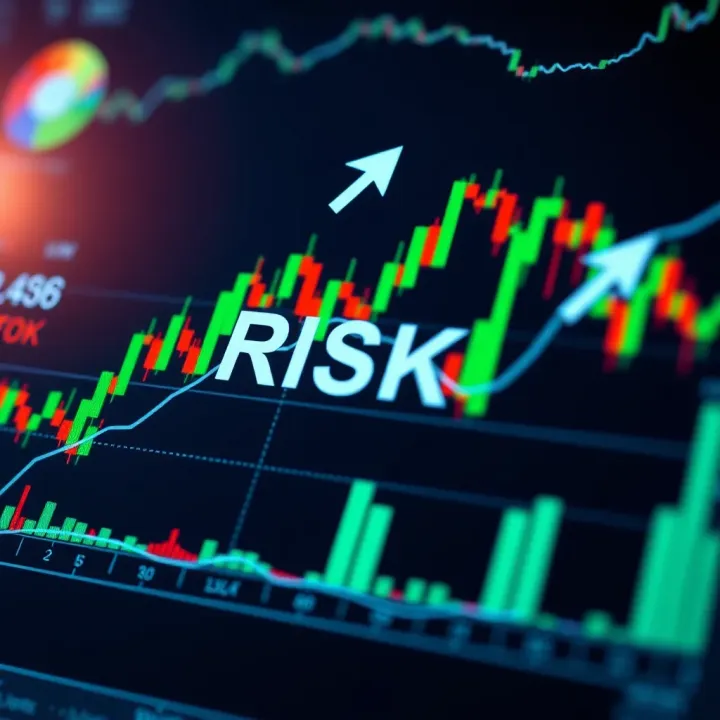
Technical analysis focuses on past price action and patterns to predict future movements. It’s kind of like reading a map of the sea currents before you set sail.
Trend following means riding the wave. Traders look for currencies that are consistently moving up or down and enter trades that go with this flow. The idea is to avoid fighting the market’s tide. For example, if the EUR/USD pair has been steadily climbing over weeks, a trend follower might buy in, expecting this momentum to carry on. This method works well when the market’s got a clear direction but can get traders stuck if the trend suddenly reverses.
Breakout trading jumps on the boat once the market breaks out of a well-defined range — think of it as catching the wind after being stuck in a calm. Say the USD/JPY has been stuck trading between 110.00 and 111.00 for days; a breakout trader waits for the price to push beyond these limits, suggesting a new trend might be starting. This strategy can lead to quick gains but also entails the risk of false breakouts.
Range trading works like a fisherman casting nets repeatedly in known good fishing spots. When prices bounce between support and resistance, range traders buy at the bottom part of the range and sell near the top. For instance, if GBP/USD keeps oscillating between 1.2800 and 1.2900, range traders exploit these steady swings. It’s a solid choice in sideways markets but can be risky during sudden trend shifts.
Fundamental analysis is more about following economic news and events than charts. It’s like checking the weather forecast before sailing and deciding whether to go out or wait.
Using economic indicators means watching out for numbers like GDP growth, employment data, and inflation rates. For example, if the U.S. jobs report shows stronger employment numbers, the dollar often gains strength, providing a clue for traders to buy USD pairs. Paying attention to these indicators helps traders anticipate long-term trends rather than short-term price blips.
Impact of geopolitical events can’t be ignored. Political tension, elections, or trade talks influence currency moves unexpectedly. Think of Brexit’s impact on the British Pound — sudden shifts rooted in political uncertainty. Traders who understand this can avoid nasty surprises and spot opportunities when the market reacts.
For those who want the best of both worlds, hybrid and sentiment-based strategies combine signals from different sources, much like consulting both your compass and your weather vane.
Combining technical and fundamental data means validating what charts say with what the news reports. For example, if technical analysis shows EUR/USD is trending upward but economic data from Europe weakens, a hybrid trader might hold back, waiting for clearer confirmation. This approach helps filter out false signals.
Reading market sentiment indicators involves gauging the general mood of traders. Tools like the Commitment of Traders report or the Sentiment Index show how many traders are bullish or bearish on a currency. Knowing whether the crowd is overconfident or fearful can help you spot when a reversal is likely. It’s a bit like sensing a change in wind direction before seeing it on the waves.
Understanding these different types of strategies allows traders to adapt as per their style, market conditions, and risk tolerance. A Kenyan trader focusing on the dynamic USD/KES pair might lean more on technical trends for quick trades, while a longer-term investor watches economic data and geopolitical news closely.
In the end, no single strategy is foolproof. The key is to know their nuances, test what works for you, and stay disciplined.
Having a personalized trading plan is like having a compass when you navigate the forex world. It helps you stay focused, avoid knee-jerk reactions, and align your trading habits with your goals. Every trader is different — what works for someone trading from 9 to 5 might not suit someone who can only trade after hours.
For example, a part-time trader in Nairobi who can only check markets in the evening needs a plan tailored around less active trading sessions or swing trading, rather than scalping during peak volatility. The main takeaway is, a well-crafted plan minimizes guesswork and builds confidence.
Before you put money on the line, you should figure out your trading style. Scalping is fast and furious: taking small profits multiple times a day. It demands intense focus and quick decisions, fitting traders who can dedicate blocks of time to the screen. Day trading holds positions for minutes to hours but closes all trades before the market closes. Swing trading is slower paced, holding positions for days or even weeks, and works better for those who prefer analyzing patterns without needing constant market watching.
Each style affects your risks and rewards differently. Scalping can chip away small wins but can rack up losses if you're not alert. Swing trading lets you catch bigger moves but ties up your capital longer. Choose the style that fits how much time you got and how comfortable you are sitting in front of charts.
Don’t ignore your daily routine when choosing a strategy. If you're juggling a busy job or family commitments, scalping might wear you out or force risky trades due to time pressure. Swing trading allows flexibility, since trades don’t need minute-to-minute supervision.
Think about your natural energy cycles too—is you’re sharper in the morning or late evening? Trading when your focus is highest improves decision-making. And don't overlook time zones; for example, trading the London session from Kenya means you can catch major moves during your afternoon, giving you prime trading hours without compromising rest.
A trading plan without lifestyle consideration is like trying to fit a square peg in a round hole — it just won’t work in long run.
Choosing which currency pairs to trade can be as important as picking your strategy. Major pairs like EUR/USD, USD/JPY, and GBP/USD have high liquidity and tighter spreads — meaning it’s cheaper and easier to enter and exit trades. For a Kenya-based trader using brokers like Hotforex or XM, these pairs offer smoother price movements and plenty of info to keep tabs on.
Minor pairs, say NZD/JPY or GBP/ZAR, often have less liquidity and wider spreads, so they can be more volatile but also riskier. Some traders seek minor pairs for bigger swings, but this demands solid risk control.
Volatility is a double-edged sword: good volatility means opportunity, but too much can wipe out your account quickly. Look at average daily price swings to gauge this. For instance, USD/CHF tends to be less volatile than GBP/USD, so it suits traders who want steadier price action.
Keep an eye on scheduled economic events like US Nonfarm Payrolls or South African Reserve Bank decisions that can throw currency markets into chaos. Choosing pairs that react predictably to news—or avoiding them during those times—helps control risk.
In Kenya's forex market, knowing which currency pairs suit your style and risk appetite is key. Pair this with your trading schedule, and you can build a personalized plan that maximizes your edge while keeping stress levels manageable.
Having the right tools at your fingertips can make all the difference when trading forex. It’s not just about having them; knowing how to use these resources efficiently is what separates consistent traders from the rest. With a solid set of tools, you can analyze market movements faster, spot opportunities earlier, and make smarter decisions.
Whether you fancy technical analysis or keep an eye on economic events, certain software and information sources form the backbone of every effective trading plan. These resources help you stay organized, informed, and ready to act in a market that moves fast and doesn’t wait for anyone.
Technical indicators like RSI (Relative Strength Index), MACD (Moving Average Convergence Divergence), and moving averages are staples for many traders. They boil down complex price data into understandable signals so you don’t have to guess if a currency’s about to move up or down.
RSI measures momentum, letting you know if an asset is overbought or oversold — handy for spotting potential reversals before everyone else jumps in.
MACD shows the relationship between two moving averages, helping reveal trend changes and momentum shifts. It’s often used together with RSI as a confirmation tool.
Moving averages smooth out price action over a set period, showing clear patterns of trend direction and potential support or resistance points.
By combining these indicators, like pairing a 50-day and 200-day moving average crossover with an RSI reading, you can build a clearer picture rather than relying on just one signal.
Generic charts show plenty but tailoring them to your trading style can give you a real edge. If you’re a scalper looking for quick entries, your charts might focus on shorter time frames like 1-minute or 5-minute charts with indicators like Bollinger Bands or Stochastic Oscillator. Swing traders, on the other hand, might stick to daily charts and simpler moving averages.
Remember, cluttered charts can confuse more than help. Keep it neat by highlighting only the indicators that fit your style and strategy. Most platforms like MetaTrader 4 or TradingView let you customize colors, time frames, and overlays to suit your needs.
Regularly tweaking your setup as you learn more about how you trade can improve your reaction time and confidence moving forward.
Economic calendars provide a schedule of vital market events like interest rate decisions, GDP announcements, or employment data. These releases often cause sharp price moves because they reveal the state of a country’s economy and influence currency strength.
For example, a surprising increase in the US Non-Farm Payrolls (NFP) figure often sends the USD surging or falling sharply, depending on expectations and results. Missing such news can cost you, while timely awareness lets you brace for volatility or capitalize on sudden price changes.
Make a habit of following calendars from trusted sources like Forex Factory or Investing.com. Mark high-impact events marked usually in red or bold to prioritize your focus around these times.
Not all news affects currencies the same way; the context and market sentiment matter as much as the numbers themselves. For instance, a higher-than-expected inflation rate might push traders to anticipate rate hikes, strengthening the currency. But if inflation is rising because of supply constraints, the central bank may hesitate, leaving traders puzzled and markets volatile.
Understanding how different types of economic data fit into the bigger picture takes practice. Try watching market reactions around major announcements without trading first, just to get a feel for typical patterns.
Staying updated with news feeds and economic calendars lets you avoid nasty surprises and gives you a chance to jump on opportunities quickly. It’s part of discipline and preparation, not luck.
By combining sharp chart analysis with keen news awareness, your trading strategy becomes more rounded and resilient, adapting to what the market throws your way.
Trying out your trading strategy before going live isn’t just a good idea—it’s practically a lifesaver. Testing and refining your approach helps you find out if your plan actually works in real market conditions without risking real money. Think of it like tuning a car’s engine; you want everything running smoothly before you hit the highway. This process weeds out the weak spots in your strategy and highlights what’s solid, helping you trade with more confidence and fewer surprises.
Backtesting is all about running your trading strategy against past market data to see how it would have performed. You can do this manually or use software tools like MetaTrader 4 or TradingView, where you input your strategy rules and let the program test them over years of past price movements. For example, if your strategy says "buy when the RSI dips below 30 and sell at 70," backtesting will show how often this worked and the kind of profits or losses you might have gotten. The goal is to mimic real trades as closely as possible, including entry points, stop losses, and take profits.
After backtesting, analyze the results closely. Look for how often your strategy wins versus loses, the average size of those wins and losses, and how it reacts in different market conditions—whether trends, sideways moves, or high volatility. Maybe your plan shines during clear trending markets but tanks when prices are choppy. Knowing this helps you either tweak your strategy or avoid certain scenarios altogether. A balanced view of what’s working and what isn’t lets you refine, improving your chances when real money is on the line.
Forward testing takes your strategy out for a spin in a live-but-risk-free environment by using a demo account. This is where you see how your plan fares with current market prices and actual execution delays, spreads, and slippage that backtesting sometimes overlooks. Think of it as a dress rehearsal—the curtain goes up, but you’re not quite on the main stage. Watching your trades in real-time reveals if your strategy holds water or needs adjustments when emotions and fast market changes come into play.
As you collect live demo data, you might notice things like your stop-losses being hit too often or your take-profit targets not realistic given the current market moves. This is your chance to fine-tune. Maybe adjusting stop sizes, tweaking indicator settings, or changing trade entry times can boost performance. Forward testing isn’t a one-and-done; it’s a loop where you test, review, adapt, and test again. This cycle gradually polishes your strategy into something reliable enough for live trading.
Successful trading isn’t about chasing the perfect system right out of the gate but patiently refining and adapting your approach through careful testing—this humble step is what separates hobbyists from seasoned pros.
By diligently backtesting and forward testing your forex trading strategy, you lay a solid foundation for consistent success. These steps turn guesswork into informed decision-making, reduce costly mistakes, and help you trade smarter in Kenya’s dynamic forex markets.
Trading forex can feel like navigating a maze, especially when you're still finding your feet. While having a solid strategy is crucial, knowing what pitfalls to avoid is equally important. These common mistakes can drain your account and morale faster than you’d expect. Failing to recognize these traps doesn’t just cost money; it sets back your learning curve and can burn you out. By steering clear of errors like overtrading and ignoring risk management, you solidify the foundation for a smarter, calmer trading approach.
Overtrading is often a sneaky enemy for traders. It happens when you open too many trades or trade excessively in a short time, usually driven by the need to "make up" for losses or get a quick win. Imagine a trader who, after a couple of losses, starts clicking the "buy" or "sell" button repeatedly, hoping the market will finally go their way. This rush leads to more mistakes and often bigger losses.
Emotional trading is like trying to drive a car blindfolded—you might crash before you know it.
Recognizing emotional triggers is the first step to beating overtrading. Common triggers include frustration after a losing trade, excitement after a winning streak, or impatience when waiting for the right setup. Awareness helps you pause and question if a trade is based on strategy or a quick emotional reaction.
Maintaining discipline in trading means sticking to your trading rules no matter what. Set limits on the number of trades per day or week and stick to your plan for entry, exit, and position size. Discipline also means accepting losses as part of the game and not chasing them blindly. Simple habits like taking breaks, keeping a trading journal, and reviewing trades can keep emotions in check and sharpen focus.
Risk management isn’t just a fancy term; it’s what keeps your trading career alive. Ignoring it can blow your account in a matter of moments. For instance, a trader who puts 10% or more of their capital on one trade without a stop-loss is basically rolling the dice. One big bad trade could wipe out weeks or months of hard-earned gains.
Consequences of poor risk control often show up as rapid drawdowns, big emotional stress, and eventually, giving up. A well-known example is the story of traders in Kenya who got caught in highly leveraged forex trades without proper stops, leading to margin calls and hefty losses. Lessons learned the hard way.
Best practices for safety include setting clear stop-loss orders on every trade and never risking more than 1-2% of your account on a single position. Use position sizing to match your risk tolerance and overall strategy. Employ tools like trailing stops to lock in profits while protecting yourself from reversals. Keeping your risk consistent gives you a steady chance to grow your account even when not every trade is a winner.
Good risk management doesn’t mean you won’t lose—it means you won’t lose everything in one go.
Avoiding these traps—overtrading, emotional decisions, and poor risk management—doesn't guarantee profits, but it sure widens your runway to success. Trade smart, manage your emotions, and protect your capital; those are the cornerstones of any effective forex trading strategy.
In the world of forex trading, sticking to a rigid plan without considering current market conditions can lead to missed opportunities or costly mistakes. Adapting your trading strategy to market changes means being alert to shifts and tweaking your methods accordingly. This approach not only helps protect your capital but also positions you to take advantage of new trends as they develop.
Traders who fail to adapt might find themselves holding onto losing trades longer than they should or entering markets at the wrong time simply because their strategy no longer matches the environment. Recognizing that the forex market is dynamic and adjusting your approach keeps you flexible and responsive, leading to more consistent results over time.
One key aspect of adapting your strategy is identifying when a trend is about to reverse. Trend reversals signal that the market direction is changing, which is a critical time to reconsider your current positions. For example, a trader might notice the USD/KES pair moving in a strong upward trend but then see candlestick patterns like a shooting star or a doji, combined with declining volume. Such signs can hint that the rally is losing momentum and a reversal may be imminent.
Besides visual cues, tools like the Moving Average Convergence Divergence (MACD) or Relative Strength Index (RSI) can provide early warnings. When these indicators show divergence—price making new highs while the indicator falls—it often points to a potential shift. Acting on these signals means tightening stops or exiting positions before the market takes a turn.
Tip: Don't assume trends last forever. Regularly check for reversal signals to avoid being blindsided.
Volatility in forex markets can swing wildly, especially around economic releases or geopolitical events impacting currencies like the EUR/USD or GBP/USD. Recognizing when volatility is spiking or calming down helps traders adjust position sizes and risk levels. For instance, during times of high volatility, using smaller trade sizes can limit risks while still allowing participation in price swings.
Another practical application is adjusting your stop-loss orders when volatility changes. During calm markets, stops can be tighter, protecting profits. In contrast, during volatile periods, wider stops may prevent premature exit triggered by normal price swings. A good way to monitor volatility is by tracking the Average True Range (ATR), which measures how much a currency pair typically moves.
Losses are part and parcel of trading, but the key is to use them as learning opportunities. Each losing trade can teach something about flaws in your strategy or emotional weaknesses. After any loss, reviewing the trade setup, execution, and conditions can reveal whether poor timing, excessive risk, or market unpredictability was to blame.
Traders who keep a detailed journal have a leg up here. For example, if you notice a pattern of losses following major economic announcements, it might be wise to step back or reduce exposure during such times. Recognizing mistakes early helps prevent repeating them, gradually improving your overall approach.
The forex market is influenced daily by economic indicators, central bank decisions, and geopolitical shifts—staying updated is non-negotiable. Traders should regularly check economic calendars from sources like Investing.com or Bloomberg to anticipate events impacting liquidity and volatility.
Moreover, subscribing to market analysis from reputable forex brokers or analysts based in Kenya and globally can provide context beyond raw data. This helps traders adjust their strategies in real-time and avoid surprises.
Keeping abreast with news and data releases not only protects your trades but often reveals opportunities others might miss.
Adapting your trading strategy to changing market conditions by spotting trend reversals, tuning in to volatility, learning from setbacks, and staying informed is essential. It turns the unpredictability of forex into a manageable, even advantageous, factor for the savvy trader.
Master Forex trading with practical strategies for steady profits 📈 Learn to blend technical, fundamental analysis & smart risk management for all skill levels.
📊 Discover effective binary trading strategies with clear explanations, risk management tips, and practical advice for consistent success in Kenya’s markets.
Discover effective forex trading strategies🇰🇪 focused on risk management, analysis📊, trading plans📈, and mastering psychology for better results in Kenya's market.

📚Explore top books for mastering forex trading with tips on fundamentals, strategies, risk, and psychology to boost your market skills confidently.
Based on 7 reviews