
Top Books to Master Forex Trading Skills
📚Explore top books for mastering forex trading with tips on fundamentals, strategies, risk, and psychology to boost your market skills confidently.
Edited By
Amelia Turner
Forex trading, the buying and selling of currencies, might seem like a modern financial invention, but its roots stretch back thousands of years. The earliest forms of currency exchange began long before electronic platforms and global trading floors existed. To truly understand when forex trading started, we need to trace the changes from ancient barter systems to today's highly interconnected market.
In ancient Mesopotamia, around 2000 BCE, merchants started exchanging goods using different currencies, setting the foundation for currency trading. Traders in cities like Babylon recognised the need to convert silver, gold, and commodity values between regions for smoother trade. This early activity wasn't formal forex trading as we know it, but it planted the seeds.
Fast forward to the Roman Empire and the Middle Ages, when coins of varying origins circulated widely across Europe and North Africa. Money changers, known as "argentarii" in Rome, facilitated currency exchange for merchants and travellers. These agents often set early exchange rates and charged fees, roles similar to today’s brokers and dealers.
The emergence of banking houses in medieval Italy, particularly in Florence and Venice, brought more structure to currency exchange. Institutions like the Medici Bank laid groundwork for the foreign exchange mechanisms, allowing merchants to manage risks when trading across borders. Bills of exchange also became common, enabling deferred payments and quasi-exchange transactions.
By the 17th century, the establishment of formal stock exchanges in Amsterdam and London introduced more regulated trading environments, including currencies and government bonds. London became a major forex hub, given Britain's expanding global empire and trade network.
The real turning point came in the 20th century with the collapse of the gold standard. The Bretton Woods Agreement after World War II set fixed exchange rates, but by the early 1970s, major economies shifted to floating currency rates. This liberalisation allowed currencies to be traded freely in the open market, boosting forex trading volume dramatically.
Today, forex trading operates as a continuous 24-hour market, driven by banks, corporations, governments, brokers, and retail traders worldwide. This transformation was guided by technological advances like electronic trading platforms, the internet, and satellite communications. The market’s daily turnover now exceeds $6 trillion, making it the largest financial market globally.
Forex trading evolved over millennia from simple currency exchange among merchants to a sophisticated, technology-driven global market that shapes economies worldwide.
Understanding this history helps traders and investors appreciate the complexity and resilience of forex markets, especially in an increasingly interconnected world economy.
The early history of currency exchange and trade sets the stage for understanding how forex trading evolved into the complex market we see today. By looking back at the initial methods societies used to value and exchange goods, we can appreciate the roots of currency systems and how they influenced modern financial markets. This early period reveals the practical challenges traders faced, many of which still affect currency exchange practices in one form or another.
In the beginning, trade was mostly a simple exchange of goods and services, known as barter. For example, a farmer might swap maize for a pot crafted by a local artisan. While this system worked within small communities, it became cumbersome as trade extended over larger areas with more diverse goods. Different values assigned to items often made bartering inefficient.
To overcome these limitations, many societies adopted commodity money—items with intrinsic value like salt, cattle, or copper. The Shilluk people near the Nile used cattle as a measure of wealth, while salt slabs served as currency in the Sahara region. Such items eased trade by acting as standardised exchange mediums, though they lacked durability or portability.
The appearance of coinage around 600 BCE in Lydia (modern-day Turkey) was a crucial turning point. Coins stamped with marks guaranteed their metal content, making them trustworthy units of value. This innovation simplified trade by standardising currency across regions and reducing the risk of fraud.
In East Africa, the use of cowrie shells resembles commodity money but with more consistency in value, showing how different cultures sought stable mediums for trade. Coinage supported the growth of markets and cross-border trade by providing a reliable measure of value, which is foundational to foreign exchange operations today.
During medieval times, the rise of merchant guilds brought more organisation to trade. These guilds protected traders and regulated market practices, fostering trust among merchants. At the same time, money changers emerged as vital players—physically exchanging coins from different regions and assessing their value.
For instance, in 13th-century Europe, Genoese and Venetian money changers acted as forerunners to modern forex brokers. They not only facilitated trade in different currencies but also extended credit and helped merchants manage the risk of fluctuating values.
Large trading fairs, like those at Champagne in France or the Great Fair of Novgorod, attracted buyers and sellers from various regions. These events prompted the need for currency exchange services where traders could convert their coins into local money on the spot.
This early demand for currency exchange highlights how merchants navigated diverse monetary systems. It set the stage for centralised markets and foreign exchange operations, as the complexity of trading currencies grew. These practices reflect the practical need for liquidity and trust—qualities that remain important in forex markets.
Understanding these early currency exchange methods reveals the foundation laid for today’s forex market. The challenges of valuing diverse currencies, ensuring trust, and facilitating trade over distances began centuries ago and continue to influence market behaviour now.
In summary, the early history of currency exchange and trade offers clear lessons on the origins of value representation and market organisation. These developments form an essential context for grasping how forex trading became the global phenomenon it is today.
The birth of modern foreign exchange markets marked a turning point in how currencies were traded and valued globally. This phase laid the groundwork for more organised and efficient currency exchange, moving away from the informal, inconsistent practices that dominated earlier times. Understanding this period helps us see how current forex trading practices, market structures, and regulations evolved.
During the Renaissance, cities like Florence, Venice, and Amsterdam became hubs for banking innovation. Italian banking houses such as the Medici family developed early forms of credit and bills of exchange, easing trade across borders. Similarly, Dutch banks expanded on these ideas, introducing more sophisticated bookkeeping and currency handling. These institutions didn’t just facilitate payments; they also played a role in setting exchange rates, effectively acting as the first modern forex dealers.
The practical relevance of this growth lies in how these banks reduced risks and delays in international trade. Before, merchants relied heavily on carrying physical coins or bartering goods, which was risky and slow. Thanks to banking houses, traders could settle their accounts with far less friction, a principle that endures in today’s forex systems.
Alongside these banking advances came the establishment of formal currency exchange mechanisms. Specialised money changers and exchange offices started appearing in major trade centres, offering fixed exchange rates for certain currencies. This practice created more predictable environments for merchants and investors, allowing for clearer pricing and risk management—all essentials in modern forex trading.
With these mechanisms in place, the process became less about guesswork and more about calculated decision-making. Traders began to think strategically about currency valuation and timing, precursors to the complex strategies utilised by today’s forex traders.
The introduction of fixed exchange rates under the gold standard was a significant leap towards stabilising currency values internationally. By tying currencies to a specific amount of gold, countries aimed to prevent drastic fluctuations and foster trust among trading partners. For example, the British pound was pegged to a fixed quantity of gold, ensuring that its value remained relatively stable compared to other currencies on the gold standard.
This system's practical impact was significant: it simplified international transactions and encouraged cross-border investment by reducing the uncertainty over exchange rate risks. Businesses could plan with more confidence, knowing that their foreign earnings or costs would not change unpredictably overnight.
However, the gold standard also imposed limits on monetary policy, as currencies had to reflect gold reserves rather than domestic economic needs. Still, this period demonstrated the value of having a stable reference point in currency exchange, a concept central to modern monetary policies and forex markets.
In terms of international trade and currency stability, the gold standard fostered a predictable environment. Merchants and governments alike benefited from reduced risk of inflation or devaluation in trading partners' currencies. This stability helped global trade flourish in the late 19th and early 20th centuries, setting a precedent for future currency arrangements.
The gold standard era showed that even with vast complexities, having a consistent yardstick for currency value can anchor economic confidence, a lesson still relevant amid today's volatile forex markets.
While the gold standard eventually gave way to more flexible systems, its influence remains. Modern forex trading still balances between the need for stability and the flexibility to adjust to economic conditions—a dynamic inherited from this formative period.
After World War II, the global economy needed order and stability to recover from the chaos. This led to a system that would shape currency trading for decades: the Bretton Woods System. It was an arrangement where countries pegged their currencies to the US dollar, which itself was tied to gold at a fixed rate. This gave forex markets a level of predictability previously missing.
The International Monetary Fund (IMF) and the World Bank emerged from the Bretton Woods Conference in 1944. Their main goal was to promote global financial stability. The IMF was set up to provide short-term financial assistance to countries struggling with balance of payments problems, helping them avoid devaluing their currencies abruptly. Meanwhile, the World Bank focused on long-term development projects, supporting countries’ infrastructure and economic recovery.
By ensuring a framework where countries could get help when facing currency pressures, these institutions helped curb the kind of instability that can trigger wild swings in exchange rates. This stability made international trade smoother and gave forex markets some structure to operate within.
The creation of these institutions also influenced currency regimes worldwide. Many countries joined the IMF and agreed to maintain fixed exchange rates within a narrow band around the dollar. This meant currencies wouldn't fluctuate wildly, which helped businesses and traders plan better. The IMF monitored compliance and encouraged adjustments only when necessary, maintaining a balance between flexibility and stability.
The Bretton Woods System began to face strains in the late 1960s and early 1970s. The US was running persistent trade deficits and printing more dollars, which led to doubts about the dollar’s convertibility to gold. In 1971, the US officially stopped dollar convertibility to gold, effectively ending the system.
This collapse was important because it exposed the limits of fixed exchange rates in a growing, interdependent world economy. Countries could no longer maintain artificial currency pegs without risking reserves depletion or economic strain. Consequently, many moved to floating exchange rates, letting market forces determine currency values.
The end of Bretton Woods marked the emergence of flexible currency markets. Trading in forex became more dynamic, reacting to economic data, political events, and market sentiment. This shift introduced volatility but also created opportunities for traders and investors to speculate, hedge, and manage risk more effectively.
The shift to floating rates paved the way for today's forex market, where currencies are traded around the clock in a highly liquid and constantly evolving environment.
Today’s forex trading volume, including the participation of retail traders and advanced electronic platforms, owes much to the transition towards flexible exchange rates after Bretton Woods. Understanding these changes offers crucial insights into how modern forex dynamics developed from the mid-20th century onward.
Technology has reshaped the forex market, making it vastly more accessible and efficient than in previous decades. This section covers how the introduction of electronic trading platforms replaced traditional methods, and how it sparked the growth of retail forex trading beyond banks and large institutions.
Before electronic systems, forex trading relied on the open outcry method, where dealers shouted bids and offers across trading floors. This process was slow and limited trading hours to the exchange's physical opening times. For example, in the 1980s, London’s forex market operated mainly through floor trading and telephone calls, causing delays and inefficiencies.
The shift to digital platforms in the 1990s marked a turning point. Electronic trading introduced near-instantaneous order execution and 24-hour market access across global centres. This change allowed traders in different time zones, including those in Nairobi and Mombasa, to participate without the barriers of distance or limited market hours.
With electronic platforms, market accessibility improved dramatically. Traders could now execute orders with just a few clicks rather than relying on intermediaries. This also expanded trading volumes as more participants—from central banks to individual investors—gained direct access. Platforms such as MetaTrader and cTrader became popular tools offering real-time pricing, multiple technical indicators, and automated trading capabilities.
Electronic trading fostered the expansion of retail forex trading, moving it beyond the original institutional players like commercial banks and multinational firms. Previously, only large volumes and deep pockets could participate. But digital platforms leveled the playing field, letting individual traders enter with relatively small capital.
This expansion is evident in Kenya, where internet penetration and mobile money services like M-Pesa have enabled more everyday Kenyans to engage with forex markets. Retail brokers cater specifically to this segment, offering leverage options and educational resources that were unavailable before.
The internet and online brokers have been vital in this growth. Unlike the traditional system, the internet lets brokers reach clients anywhere with a stable connection. It also allows for transparency through live quotes and trade histories. Online brokers like FXTM and IG Markets offer access to multiple currency pairs, educational webinars, and demo accounts so traders can practise without risking real money.
The rise of electronic trading platforms and online brokers has transformed forex trading from a specialised activity for institutions into a global, inclusive market.
In summary, technological advances have dramatically reshaped forex trading by extending access, speeding transaction times, and increasing market volumes. These changes paved the way for retail trading to flourish worldwide, including Kenya’s emerging digital economy.
Understanding the current state of forex trading and its origins helps traders and investors grasp the market's complexity and operational dynamics. Today’s forex market is vast and highly liquid, influenced by a mix of historical practices, modern technology, and global economic policies. This knowledge offers practical benefits, such as informed decision-making and better risk management amidst volatile currency movements.
The forex market revolves mainly around major currency pairs like the US Dollar (USD) paired with the Euro (EUR), Japanese Yen (JPY), British Pound (GBP), and others. These pairs represent the most traded currencies worldwide due to their economic stability and high liquidity. For example, the EUR/USD pair often features tight spreads and high trading volume, making it attractive for both institutional and retail traders.
Trading centres located in financial hubs such as London, New York, Tokyo, and Singapore play a vital role. London remains the largest forex centre, accounting for over 40% of daily trading volume, thanks to its strategic timezone linking Asia and the Americas. The practical relevance for traders is clear: markets are open 24 hours on weekdays, allowing around-the-clock access to forex trading across these centres.
Central banks are key players influencing the forex market through monetary policy decisions and currency interventions. For instance, the Central Bank of Kenya (CBK) regularly monitors the Kenyan shilling's performance, impacting forex rates to stabilise inflation and support trade. Their actions can affect liquidity and volatility, creating opportunities or risks for traders.
Commercial banks facilitate the bulk of forex transactions, providing liquidity and acting as intermediaries between buyers and sellers. They execute trades on behalf of corporations, governments, and individuals. For example, Equity Bank or KCB may execute forex transactions for importers and exporters in Kenya. Their role underlines the practical importance of banking institutions in maintaining an efficient and accessible forex market.
Many fundamentals of today's forex market trace back to earlier currency exchange practices. The concept of exchanging one currency for another, first seen in coinage and merchant trade routes, evolved into standardised systems like the Bretton Woods agreements. This history anchors the market’s principles, such as fixed and floating exchange rates, which still guide how currencies are valued.
Additionally, the role of money changers and early banking houses set a precedent for the modern forex marketplace. Their methods of managing exchange rates and mitigating risk have influenced today’s hedging strategies, which traders use to protect themselves from unfavourable price swings.
Regulation remains a cornerstone of the forex market’s integrity. Bodies such as the Capital Markets Authority (CMA) in Kenya and international regulators enforce rules that protect traders against fraud and ensure fair trading conditions. These frameworks continue to evolve, responding to new challenges posed by technology and market growth.
Technology notably reshaped forex trading by making it more accessible. Online platforms, real-time data feeds, and automated trading systems allow even small investors in Nairobi or Mombasa to trade global currencies effortlessly. For instance, local brokers now provide platforms that integrate mobile payment options like M-Pesa, bridging traditional finance and digital convenience.
The blend of historical roots, institutional roles, and modern technology defines today's forex trading environment, offering both opportunities and challenges for market participants worldwide.
📚Explore top books for mastering forex trading with tips on fundamentals, strategies, risk, and psychology to boost your market skills confidently.
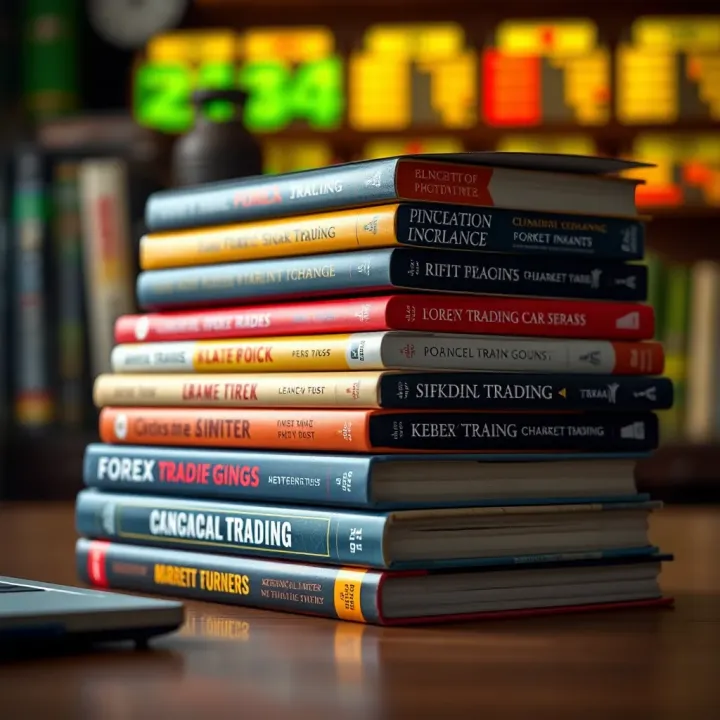
📚 Discover the best forex trading books tailored for Kenyan traders. Learn how to pick resources that match your style and boost your market skills! 🇰🇪
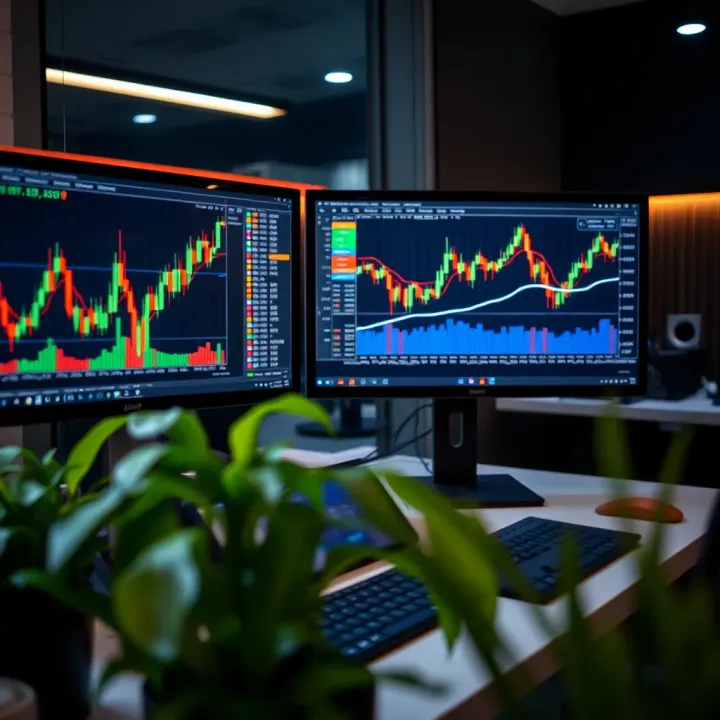
📈 Start your forex trading journey with confidence! Learn key concepts, smart steps, risk management, and access beginner-friendly PDFs tailored for Kenya traders.
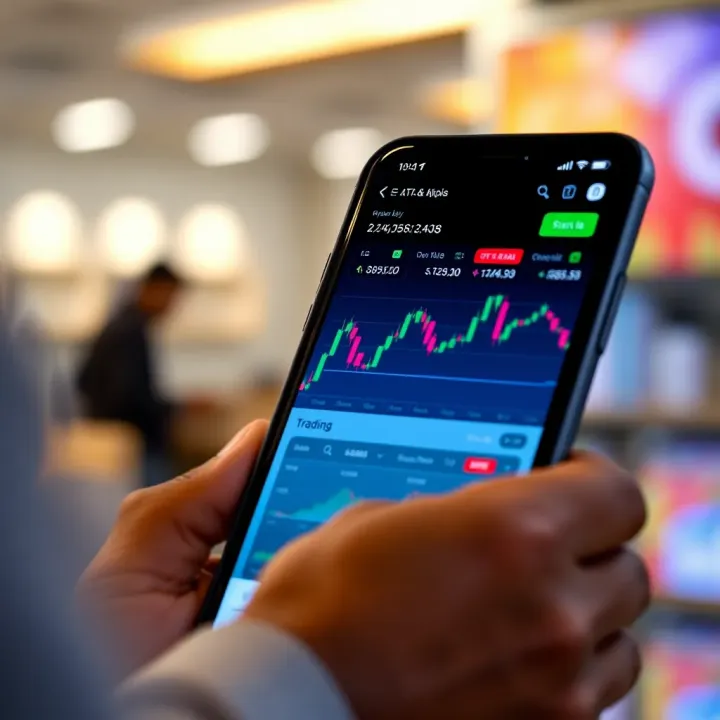
📱 Discover the best forex trading apps for Kenyan traders! Learn how they work, find trusted providers, spot key features, stay secure, and trade smarter today.
Based on 13 reviews