
Top Books to Master Forex Trading Skills
📚Explore top books for mastering forex trading with tips on fundamentals, strategies, risk, and psychology to boost your market skills confidently.
Edited By
Liam Foster
Forex trading, also called foreign exchange trading, involves buying and selling currencies to profit from changes in their value. Unlike stock markets, the forex market operates globally, 24 hours a day during weekdays. This continuous activity reflects the ever-changing economic and political events worldwide, including right here in Kenya.
At its core, forex trading means exchanging one currency for another — for example, swapping Kenyan Shillings for US Dollars or Euros. Traders aim to buy currencies they expect to strengthen and sell those expected to weaken. The difference between the buying and selling price creates opportunities for profit (or loss).
The forex market is mainly driven by banks, governments, multinational companies, investors, and individual traders. Commercial banks play a big role providing liquidity, facilitating international trade, and hedging risks. Meanwhile, retail traders in Kenya or worldwide use online platforms to access this market, often with small capital but high leverage, which increases potential gains and risks.
Currency pairs are the basic unit in forex trading. You always trade one currency against another, such as USD/KES (US Dollar/Kenyan Shilling) or EUR/USD (Euro/US Dollar). The first currency is the base currency, and the second is the quote currency. Prices show how much of the quote currency you need to buy one unit of the base currency.
Understanding factors that affect currency prices is key. These include economic data like inflation and unemployment, central bank policies (such as interest rate changes by the Central Bank of Kenya or the US Federal Reserve), political events, and market sentiment.
Getting started in forex trading involves opening an account with a licensed broker, learning about risk management, and practising with demo accounts before committing real money. Kenyan traders should also consider transaction costs, the availability of M-Pesa or bank deposit options for funding accounts, and regulatory safeguards.
Overall, forex trading involves real-time decisions based on global economic news and trends. While it can be profitable, it carries risks, especially if you trade on margin or leverage. With clear understanding and careful planning, it can be part of your investment toolkit.
Forex markets trade currencies in pairs 24 hours on weekdays
Major players include banks, corporations, governments, and individual traders
Prices depend on economics, politics, and market sentiment
Open accounts with regulated brokers and practise first
Keep a close eye on risks and manage trades carefully
This foundation will help you grasp how forex trading operates and prepare you for deeper insights on trading strategies and risk factors later in the article.
Forex trading, also known as foreign exchange trading, is the process of buying and selling currencies. This market operates 24 hours a day, five days a week, enabling traders to exchange one currency for another at fluctuating prices. Understanding these basics is vital because currency values influence global trade, investments, and economic policies, all of which impact financial markets worldwide.
At its core, forex trading involves swapping one currency for another to profit from changes in exchange rates. For example, if you expect the US dollar to strengthen against the Kenyan shilling, you might buy dollars and sell shillings. Later, if the dollar appreciates, selling those dollars back to shillings results in a gain. This process is not just speculative but also crucial for businesses that import goods or invest internationally, as they need to manage currency risk.
Currencies in the forex market are traded in pairs, such as USD/KES (US dollar to Kenyan shilling) or EUR/USD (euro to US dollar). The first currency listed is the base currency, while the second is the quote currency. The exchange rate tells you how much of the quote currency is needed to buy one unit of the base currency. For instance, if USD/KES is quoted at 110, it means one US dollar costs 110 Kenyan shillings.
These pairs fluctuate constantly due to demand and supply dynamics, economic news, and market sentiment. Traders monitor these movements to decide when to buy or sell, often using charts and technical analysis tools tailored to currency pairs.
Forex pairs are categorised mainly into major and minor pairs. Major pairs include currencies from the world’s largest economies, such as USD, EUR, JPY (Japanese yen), GBP (British pound), and CHF (Swiss franc). These pairs usually have high liquidity and tight spreads, making them attractive for many traders.
On the other hand, minor pairs include currencies that don’t involve the US dollar but involve other major currencies like EUR/GBP or AUD/CAD (Australian dollar to Canadian dollar). While these pairs may have lower trading volumes, they still offer valuable opportunities for those who follow regional economic trends.
Knowing the distinction between major and minor pairs helps you understand liquidity and trading costs, which directly affect your strategy and risk management.
In sum, grasping the basics of forex trading, from understanding what forex entails to how currency pairs function and their classifications, lays the foundation for effective trading decisions. For Kenyan traders, familiarising oneself with pairs like USD/KES brings practical insights given the local market’s exposure to global currency movements.
The forex market is a bustling, 24-hour global platform where different players come together, each with unique motives and strategies. Knowing who these participants are helps you understand market movements and trading opportunities. From giant banks to individual retail traders, each has a role that shapes currency prices.
Banks and financial institutions are among the biggest players in the forex market. Commercial banks like Equity Bank or multinational banks like Barclays execute massive daily currency transactions for clients and their own accounts. Central banks, such as the Central Bank of Kenya (CBK), intervene to stabilise their currency or control inflation by buying or selling their own currency. Investment firms and hedge funds operate on both short- and long-term strategies, sometimes moving billions of shillings to capitalise on opportunities. These institutions bring high liquidity and influence daily forex rates, impacting what retail traders and businesses see.
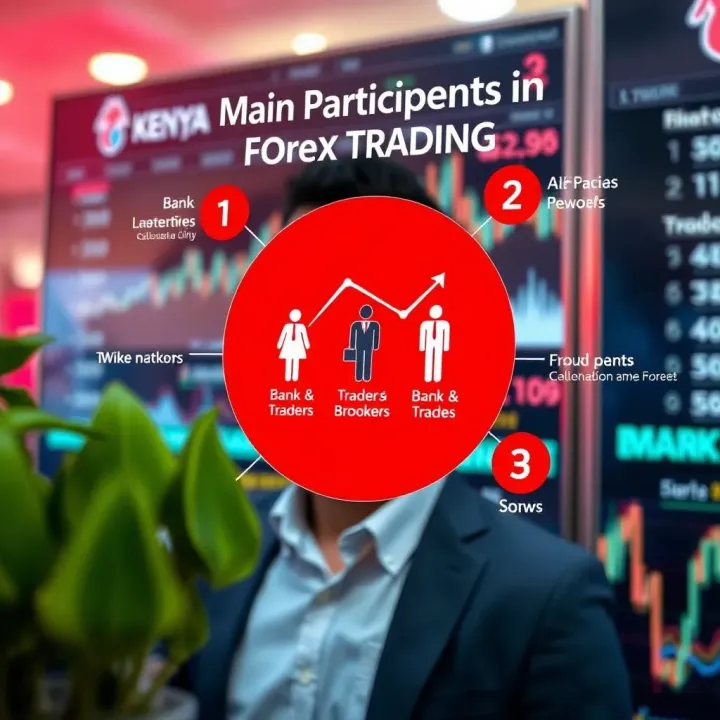
Retail traders represent everyday individuals who trade currency pairs, often via online platforms like XM or HotForex. Thanks to technology and mobile internet, many Kenyans now take part using smaller sums, sometimes just a few thousand shillings. Unlike banks, retail traders mostly try to profit from short-term price changes using strategies like scalping or swing trading. While they make up a small fraction of total forex volume, their collective activity contributes to market trends. Investors, including those using managed accounts, may also include forex as part of their diversified portfolio.
Businesses involved in import and export regularly engage in forex to manage currency risk. For example, a Kenyan tea exporter receiving payments in US dollars will convert receipts to shillings, affecting demand and supply in the forex market. Similarly, multinational corporations adjust currency exposure to protect profit margins. Governments, outside of central bank interventions, participate to settle international debts or fund development projects. Their transactions tend to be large and can cause shifts in currency prices, especially in smaller or emerging markets like Kenya.
Understanding these different participants helps you recognise the forces driving forex rates. It also guides how to approach trading — whether following the banks, observing retail market patterns, or noting the impact of major business deals.
To sum up:
Banks and financial institutions supply liquidity and shape market trends.
Retail traders and investors bring diverse strategies using online platforms.
Businesses and governments transact forex to manage currency risks in real-world trade and financing.
Grasping their roles helps you trade more wisely, recognising the environment you operate in and the bigger financial flows behind currency movements.
Understanding how trades happen in the forex market is key for anyone serious about currency trading. This section breaks down the main methods of trading currencies and the roles that brokers play, helping you navigate trading choices confidently.
The spot market is where the bulk of forex trading happens. Here, currencies are exchanged immediately, or within a couple of business days. For example, if a Kenyan trader buys US dollars against the shilling in the spot market, the transaction is settled quickly at the current exchange rate. This market suits traders looking to capitalise on immediate price moves. In contrast, forward contracts allow traders or businesses to agree on exchanging currencies at a specific rate for a future date. This tool is used mostly by exporters or importers in Kenya who want to lock in rates to avoid the uncertainty of future fluctuations. So, while the spot market covers instant deals, forward contracts provide a way to hedge against risk later.
Leverage is a technique that lets traders control larger positions than their actual capital. Think of it as using a small deposit (margin) to open a bigger trade. For instance, with a 1:100 leverage, a trader could open a KSh 100,000 position with just KSh 1,000 in their account. While this can multiply profits, it can also amplify losses, sometimes wiping out your margin swiftly if the market swings against you. Kenyan traders should be cautious with leverage since forex is volatile, and the temptation to overtrade can be high. Always remember — having sufficient margin protects you from sudden margin calls, which force you to either add funds or close positions.
Forex brokers are the gatekeepers to the market, linking you to currencies around the world. They provide trading platforms where you can see live prices and execute trades. A good broker in Kenya offers transparent pricing, responsive customer support, and proper regulation to safeguard your funds. Brokers make money through spreads (the difference between the buying and selling price) or commissions. For example, a broker might quote USD/KES at 108.50 (ask) and 108.45 (bid), earning KSh 0.05 per unit traded. Choosing a reliable broker is crucial because of the differences in fees, execution speed, and the variety of currency pairs on offer.
Traders must understand these trading mechanisms to manage risk effectively and make informed decisions. Spot markets serve immediate needs, forwards help manage future exposure, leverage magnifies both opportunity and risk, and brokers provide the tools and access necessary for forex trading.
Together, these elements shape how trades come alive in the forex world, offering multiple options for different trading goals and risk appetites. Kenyan traders who get familiar with these will be better placed to navigate the vibrant forex market safely and profitably.
Currency prices in the forex market fluctuate constantly due to various factors. Understanding these drivers helps traders and investors predict changes and make informed decisions. Prices aren’t random; they react to real-world events and financial data, so keeping an eye on these can give you an edge.
Economic indicators are statistics representing a country’s economic health. Examples include GDP growth rates, unemployment figures, trade balances, and inflation rates. For instance, Kenya’s GDP growth often influences the Kenyan shilling’s strength compared to the US dollar. When GDP rises, it signals a stronger economy, making the currency more attractive to investors.
Inflation is another key indicator: if inflation rises too quickly, the central bank might increase interest rates to tame it, affecting currency values. Trade balances also matter — a country with a trade surplus tends to see its currency appreciate because of higher foreign demand.
Interest rates set by central banks like the Central Bank of Kenya (CBK) shape currency prices significantly. Higher interest rates usually attract foreign investors seeking better returns, pushing the currency's value up. Conversely, rate cuts tend to weaken the currency. For example, if the CBK raises its base rate, traders may buy Kenyan shillings expecting stronger returns on investments.
Monetary policy includes decisions on money supply and interest rates. A tight policy (higher rates, less money supply) can strengthen the currency, while loose policy tends to weaken it. Central banks’ communication during policy meetings also moves forex markets, as traders react quickly to any hints about future changes.
Politics can rattle currency markets. Elections, leadership changes, or policy uncertainty can cause currencies to waver. For example, during the 2017 Kenyan elections, the shilling experienced volatility as traders weighed the stability of the new government.
Market sentiment—how investors feel about the market’s future—also plays a role. Even good economic data can be overshadowed by negative sentiment, such as fear of global recessions or geopolitical tensions. News reports, social media trends, and analyst opinions can all stir this sentiment.
Traders should stay updated on economic releases and political developments, as these directly affect the forex prices they are betting on.
In short, keeping track of economic indicators, interest rates, and political developments is key to navigating the forex market effectively. These factors act like the engine, fuel, and driver of currency price movements—knowing how each part works helps you steer better in trading.
Getting started with forex trading in Kenya involves more than opening an account and pressing buy or sell. It requires understanding your local market context, choosing the right partners, and adopting strategies that suit your financial goals and risk appetite. This section addresses the key steps Kenyan traders should focus on to build a solid foundation in forex trading.
Selecting a trustworthy forex broker is critical. The broker acts as your gateway to the forex market, so you want one authorised by the Capital Markets Authority (CMA) of Kenya to avoid scams. For example, brokers like EGM Securities and Sterling Capital are regulated locally, giving you some assurance of security.
Besides regulation, consider these points:
Trading platform: Ensure it’s user-friendly and stable, such as MetaTrader 4 or MetaTrader 5.
Fees and spreads: Look for brokers offering competitive spreads and low trading fees to reduce costs.
Customer support: Efficient support in real time can save you from costly mistakes, especially during market volatility.
Opening a trading account typically starts online and requires submitting identification like a national ID or passport, plus proof of residence. Kenyan traders benefit from brokers who accept M-Pesa or bank transfers, making funding easier. For instance, many retail traders fund accounts with as little as KSh 10,000 to test the waters first.
Also, keep in mind:
Check if the broker allows you to open a demo account first — this lets you familiarise yourself with trading without risking actual money.
Understand the minimum deposit and withdrawal procedures to avoid any surprises when accessing your funds.
Having a clear strategy helps manage risks and increases your chances of success. Here are some strategies popular among Kenyan forex traders:
Trend following: Buying a currency pair as it moves up, or selling as it moves down, aiming to ride the trend.
Scalping: Making many small trades throughout the day for quick profits, but requires sharp timing.
Swing trading: Holding positions for days or weeks to capture medium-term price moves.
Starting with a demo account can help you test these strategies without losing money. Choose what fits your style, time availability, and risk comfort.
With a reliable broker, practical funding options, and a trading plan tailored to your needs, you are better placed to navigate forex trading confidently in Kenya. Always remember the market is dynamic; continuous learning and discipline are your best allies.
Forex trading offers opportunities, but it comes with risks that traders must understand well. Managing these risks is vital, especially for Kenyan traders who want to avoid unnecessary losses and improve their chances of success.
The forex market is known for its high volatility, meaning currency prices can swing sharply within short periods. This unpredictability can open chances for quick profits, but it also raises the risk of losses if trades move against you. For instance, the Kenyan shilling may weaken rapidly against the US dollar during political unrest or unexpected economic reports. Traders should watch global and local events closely and use stop-loss orders to limit potential damage. Volatility isn’t just about risk—it's also what keeps the market lively but demands careful attention.
Leverage allows you to control a large position with a relatively small amount of money. While it can multiply gains, it equally multiplies losses. Kenyan traders often find leverage tempting, thinking it will boost profits quickly. However, using leverage improperly can wipe out capital fast. Imagine trading with 100:1 leverage; a 1% adverse move could erase your entire investment. It’s wise to start with low leverage ratios and fully understand margin requirements set by brokers. Responsible use of leverage protects your account from sudden calls for extra funds, which could force premature liquidation of your positions.
The forex market in Kenya sees its fair share of scams, with fake platforms promising huge returns overnight. Some schemes target new or inexperienced traders by offering unrealistic profits or guaranteed success. To steer clear, always verify if the broker is licensed by bodies like the Capital Markets Authority (CMA) in Kenya. Avoid platforms that require large upfront payments without clear terms, or those not providing transparent access to your funds. Genuine brokers offer clear contract details and customer support. Educate yourself on common red flags and never rush into investments without thorough research.
Understanding these risks helps traders build practical strategies and avoid common pitfalls. A cautious approach, combined with continuous learning, is the best way to navigate forex trading safely.
By recognising market volatility, managing leverage carefully, and avoiding scams, you stand a better chance to protect your investments and trade with confidence in the Kenyan forex market.
📚Explore top books for mastering forex trading with tips on fundamentals, strategies, risk, and psychology to boost your market skills confidently.
📚 Discover the best forex trading books tailored for Kenyan traders. Learn how to pick resources that match your style and boost your market skills! 🇰🇪
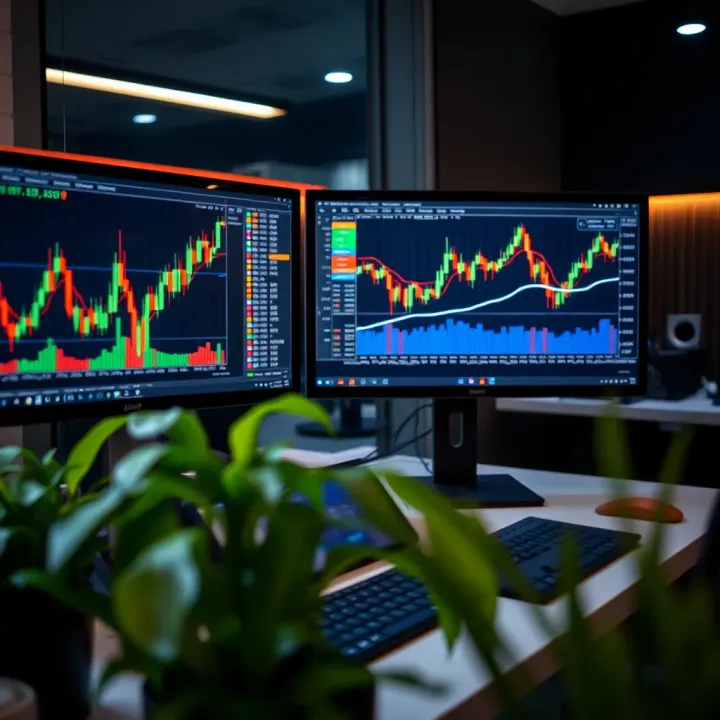
📈 Start your forex trading journey with confidence! Learn key concepts, smart steps, risk management, and access beginner-friendly PDFs tailored for Kenya traders.
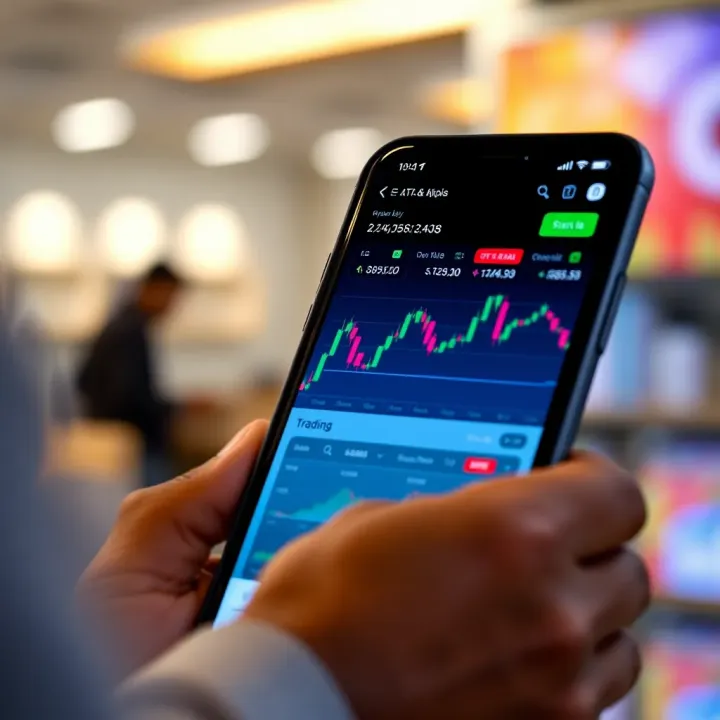
📱 Discover the best forex trading apps for Kenyan traders! Learn how they work, find trusted providers, spot key features, stay secure, and trade smarter today.
Based on 14 reviews