
Understanding Risk Management Basics
📊 Learn how understanding risk management helps Kenyan businesses safeguard assets, improve decisions, and maintain stability through effective practices.
Edited By
Sophie Bennett
Risk management isn’t just a corporate buzzword; it’s a daily necessity for anyone handling finances or assets, especially in Kenya’s vibrant and often unpredictable economic scene. Whether you’re running a business in Nairobi’s bustling CBD or managing your household budget, identifying and managing risks can shield you from unexpected losses and help you make smarter decisions.
Businesses face various threats every day. For instance, a matatu operator must assess risks like road accidents, fuel price jumps, or fluctuating passenger numbers. By recognising these threats early and finding ways to reduce them—such as maintaining vehicles regularly or adjusting fares according to fuel costs—they protect their income and passengers’ safety.

Investors and traders carry risks ranging from market volatility to policy changes by the Capital Markets Authority (CMA). An investor in the Nairobi Securities Exchange (NSE) who understands these risks can diversify their portfolio or use hedging strategies to reduce potential losses. Ignoring risk management here could wipe out substantial savings or investments overnight.
Effective risk management means looking ahead and planning for what might go wrong, not only reacting after problems arise.
In everyday life, managing risks is equally vital. Take mobile money: a majority of Kenyans use M-Pesa for payments and savings. However, risks like fraud or incorrect transactions exist. Using PIN protection, verifying recipients, and regularly monitoring account statements minimise financial risks.
Here are key benefits of practicing risk management both in business and daily life:
Protects assets: Stops unexpected events from damaging your savings or investments.
Improves decision-making: Gives you clear insights to choose safer or more profitable options.
Enhances preparedness: Allows for contingency plans, so you’re not caught off guard.
Builds trust: Customers and partners have confidence in your ability to handle uncertainties.
In Kenya’s dynamic environment, risk management is a practical tool that helps businesses and individuals stay afloat and thrive. It goes beyond just insurance or luck—it's a strategic approach to recognising threats and making thoughtful choices that protect your future and peace of mind.
Risk management is about spotting potential problems before they happen and figuring out ways to handle them. In business and daily life, understanding this helps avoid sudden shocks that can drain resources or cause bigger issues. For instance, a trader in Nairobi who understands the risks of currency fluctuations can plan better to protect profits instead of facing unexpected losses.
Risk is any uncertain event that could result in loss or harm. It might be a delayed payment from a key customer, theft at a business premises, or sudden changes in market demand. In real life, risks are everywhere—from the chance your boda boda might break down while you’re rushing to work, to a bank facing a drop in deposits.
The main goal is to reduce the impact of threats and prevent surprises that affect financial health or operations. Good risk management aims to keep businesses and individuals stable by controlling what they can and preparing for what they cannot control. For example, by having insurance against theft or fire, a shop owner ensures business continuity even when things go wrong.
These refer to any threat to money or assets. For businesses, this may include bad debts, fluctuating interest rates, or unstable cash flows. For individuals, unexpected medical bills or job loss fall here. Many SMEs face cash flow risks during peak seasons when payments slow down, which can make it difficult to pay suppliers.
These relate to problems in day-to-day business activities. Equipment breakdowns, staff shortages, or failed IT systems are some examples. For instance, a printing press failing just before an important order deadline is an operational risk that can disrupt income and client relationships.
Changes in competition, consumer preferences, or external conditions like weather can affect businesses. Farmers in Kenya often deal with droughts that lower yields, impacting their earnings and food security. Similarly, a sudden drop in demand for certain goods due to market trends can leave retailers with excess stock.
Failing to follow laws and regulations can lead to fines, legal disputes, or business closures. Kenyan businesses must comply with tax regulations set by the Kenya Revenue Authority (KRA) and abide by labour laws. Ignorance or negligence here can be costly, especially when regulators increase inspections.
Understanding different risks and how they affect your finances or operations is the foundation for making better decisions and building resilience against unexpected shocks.
Knowing what risks exist and what you want to achieve through risk management can save time and resources in the long run. Whether you are investing in stocks, running a small shop in Nairobi’s CBD, or managing household finances, these ideas apply universally.
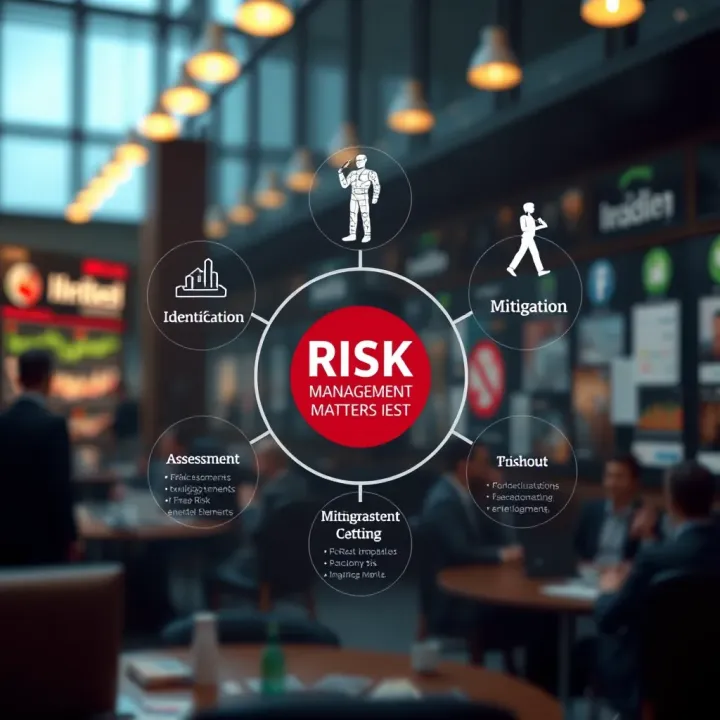
Risk management acts as a safeguard for businesses and communities by helping to spot and handle threats before they spiral into major problems. This is especially relevant in Kenya’s dynamic markets where unexpected challenges—ranging from supply chain hiccups to regulatory changes—can quickly affect stability and trust. By managing risks well, organisations avoid costly surprises and strengthen relationships with clients, partners, and regulators.
Reducing unexpected costs is a key benefit of risk management. For instance, a small business in Nairobi that regularly assesses its financial exposures might spot irregular cash outflows early, such as supplier price hikes or equipment breakdowns. Acting on these early warnings allows them to negotiate better contracts or budget for repairs, preventing sudden financial shocks that could cripple operations.
Similarly, ensuring steady cash flow matters because businesses need reliable income to cover daily expenses like rent, salaries, and stock. If a trader relies solely on cash sales without planning for low-demand periods, they risk running out of operational funds. Through risk management techniques—such as diversifying revenue sources or setting aside emergency funds—they maintain smoother cash flows, which helps avoid delays in payments and keeps business running.
Improving reputation is another vital aspect. Businesses that proactively manage risks demonstrate responsibility, which boosts customer confidence. For example, a company that complies with health and safety standards in a busy marketplace like Maasai Market avoids accidents and disruptions, making customers more likely to return and recommend it.
Complying with Kenyan regulations such as those from the Capital Markets Authority (CMA) or the Central Bank of Kenya (CBK) ensures businesses avoid penalties and legal troubles. A firm that regularly updates its policies to meet new regulatory standards sends a clear message of transparency and professionalism. This compliance helps not only with smooth operations but also with attracting investors who value governance.
Allocating resources wisely prevents wastage and aligns spending with priorities. Consider a manufacturing firm in Thika that uses risk assessments to decide where to invest—whether in new machinery or staff training. This approach means limited funds go to areas that reduce downtime and improve quality, rather than scattered across non-essential projects.
Finally, adapting to market changes is easier when risks are understood. In a sector like retail, consumer preferences can shift quickly. Businesses that track market trends and supply risks can adjust their stock or pricing strategies accordingly. For example, a retailer noticing a drop in demand for certain products can introduce alternatives or promotions, avoiding inventory pile-up and lost revenue.
Effective risk management builds a strong foundation for lasting success by protecting finances, reputations, and adaptability, making businesses and communities more resilient in Kenya’s ever-changing environment.
Effective risk management involves more than just recognising threats; it requires putting practical processes in place to identify, assess, manage, and monitor risks. Implementing these steps helps businesses and individuals take control, reduce surprises, and make informed decisions that protect their assets and reputation.
A risk register is a simple but powerful tool that helps organise information on potential risks. It lists each risk alongside details like its likelihood, possible impact, and mitigation measures. For example, a small retailer in Nairobi might use a risk register to track risks such as delayed supplier deliveries, theft, or power outages. By having these risks documented, the retailer can prioritise which ones need urgent attention and allocate resources accordingly.
SWOT (Strengths, Weaknesses, Opportunities, Threats) analysis helps organisations see where risks can come from both inside and outside their operations. It’s especially useful for strategy planning and spotting risks related to competition, market changes, or internal weaknesses. A local tech startup could use SWOT to identify weaknesses in its delivery system or threats from shifting customer preferences and adapt its approaches before problems escalate.
There are several ways to manage risks. Avoidance means stopping activities that carry high danger, like a trader avoiding volatile stocks. Reduction involves steps to lower the risk’s chance or impact, such as installing CCTV cameras to reduce theft in a retail shop. Sharing transfers some risk to others, for example by purchasing insurance or partnering with reliable suppliers. Sometimes risks must be accepted, recognising that not all uncertainties can be eliminated but should be carefully monitored.
Preparing contingency plans means having backup steps ready if risk issues become reality. For example, a manufacturer in Kisumu might prepare for supply chain disruptions by identifying alternate suppliers or holding extra inventory. This readiness ensures the business keeps running smoothly, reducing downtime and financial shocks.
Regular audits help verify that risk controls work as intended. This could mean finance professionals in a bank carrying out quarterly checks to ensure compliance with internal policies and regulatory standards, spotting gaps before they cause trouble. Audits also encourage accountability among staff and improve overall risk awareness.
Risks evolve over time, driven by market trends, tech advances, or regulatory updates. Businesses must stay alert and adjust their risk strategies accordingly. For instance, with the rise of digital payments in Kenya, many SMEs have had to address cyber risks by implementing stronger data protection measures. Adapting fast keeps risk management relevant and effective.
Proper risk management is a continuous cycle of identifying, controlling, monitoring, and updating — not a one-off task.
By applying these practical risk management processes, businesses and individuals improve their chances of weathering challenges and thriving in Kenya’s dynamic economic environment.
Understanding how risk management unfolds in Kenya offers valuable insights for traders, investors, and finance professionals. The local economic environment, characterised by the hustler economy, informal sectors, and unique regulatory frameworks, demands approaches tailored to these realities. Kenya's dynamic sectors—from SMEs hustling through daily challenges to agriculture reliant on unpredictable weather—showcase practical risk handling that helps safeguard assets and improve decision-making.
For many small and medium enterprises (SMEs) in Kenya, cash flow unpredictability is a daily obstacle. Traders in markets or owners of small dukas often face late payments or fluctuating demand, which affects their ability to stock goods or pay suppliers. SMEs manage this risk by keeping tight records of daily transactions and using mobile money platforms like M-Pesa to track payments quickly.
To cushion cash flow shocks, some SMEs adopt informal savings groups or 'chamas' to build a buffer fund. These groups allow members to access emergency funds without resorting to expensive loans, helping them maintain operations during lean periods.
Security is a pressing risk for businesses operating in many Kenyan towns. Theft, fraud, and vandalism pose real threats especially to standalone shops or small manufacturing units. SMEs mitigate these risks through practical measures such as installing CCTV cameras, hiring local security guards, or even coordinating with community watch groups.
Furthermore, some businesses use insurance products tailored for the jua kali sector to cover losses caused by theft or property damage. While insurance uptake remains low, growing awareness is helping more SMEs protect their investments.
Kenyan farmers face climate-related risks like droughts, floods, and erratic rainfall that affect crop yields. Pest invasions also threaten food security and farmer incomes. To manage these, farmers increasingly use early warning systems provided by county governments and agricultural extension officers.
Adopting diversified crops and pest-resistant seed varieties helps reduce vulnerability. For example, planting sukuma wiki alongside maize spreads risk, ensuring some harvest even if one crop fails. In manufacturing, process adjustments and better storage facilities help guard against losses caused by spoilage or pest damage.
Manufacturers and agribusinesses can face supply chain interruptions from road blockages, fuel shortages, or logistics costs spikes. Such disruptions delay deliveries and inflate expenses.
To manage this, businesses often keep alternative suppliers or stock raw materials in advance when possible. Some manufacturers in Nairobi work with boda boda riders for last-mile delivery, adapting quickly when matatus face strikes or route changes.
The Capital Markets Authority (CMA) and Central Bank of Kenya (CBK) play a central role in safeguarding Kenya’s financial stability. CMA regulates capital markets ensuring investor protection through licence vetting, disclosure requirements, and market surveillance.
CBK manages monetary policy to curb inflation and maintain steady exchange rates, thus providing a smoother business environment. Both institutions offer guidelines and interventions that assist firms in managing financial and compliance risks, fostering trust among investors.
Kenyan businesses must meet tax obligations with the Kenya Revenue Authority (KRA) using iTax portals, adhere to labour laws governed by the Directorate of Labour, and comply with sector-specific regulations. For example, SMEs dealing with food must follow Kenya Bureau of Standards (KEBS) guidelines.
Adhering to these requirements is a risk management strategy on its own—it avoids penalties, legal troubles, and business interruptions. Many firms invest in training staff or partnering with consultants to navigate compliance comfortably.
By observing risk management in Kenya's everyday sectors and its regulatory frameworks, businesses and individuals better prepare for threats, safeguard operations, and make informed decisions suited to their environment.
📊 Learn how understanding risk management helps Kenyan businesses safeguard assets, improve decisions, and maintain stability through effective practices.

Stay ahead of legal, financial, and operational risks with practical compliance and risk management tips for Kenyan businesses. 🛡️📊
Master forex risk management in Kenya 🇰🇪 with tips on setting limits, stop-loss orders, and position sizing to protect your investments confidently 💹.

📊 Explore key financial risk management concepts and tools to pinpoint, assess, and control risks. Essential insights for Kenya's professionals and businesses.
Based on 10 reviews