

Understanding Binary Trading in Kenya
Explore binary trading in Kenya 📈: learn how it works, spot the risks ⚠️, understand Kenya's regulations, and get tips for smarter trading choices.
Edited By
Isabella Green
Binary trading has become a buzzword among Kenyan traders, promising quick returns through simple yes-or-no bets on market movements. But many wonder, is binary trading really legit, or just another scheme to lose your hard-earned KSh? Understanding the core of how binary trading works and what risks come with it can save you from costly mistakes.
In basic terms, binary trading involves predicting whether the price of an asset—like forex pairs, commodities such as tea or coffee, or even stock indices—will go up or down within a fixed time frame. You either win a fixed payout or lose your investment depending on the outcome. This straightforward payoff structure attracts many because it seems less complicated than traditional trading.

However, legitimacy depends heavily on the platform and the regulatory environment. In Kenya, binary trading platforms are often not regulated by the Capital Markets Authority (CMA). Some platforms operate without licences, increasing the risk of fraud. There have been reported cases where traders deposit KS0,000 or more only to find their accounts blocked or withdrawals denied.
Beware: Not every platform offering binary trading in Kenya is trustworthy.
To check if a platform is legitimate, verify its licensing status with local regulators like CMA Kenya. Trusted brokers will have transparent terms, clear payout structures, and reliable customer support.
Despite its appeal, binary trading carries significant risks:
High volatility: Prices can shift rapidly, making it hard to predict outcomes consistently.
Short expiry times: Many trades expire within minutes, encouraging risky decisions.
Potential scams: Unregulated platforms often manipulate results or delay payments.
Traders should treat binary trading more like a gamble than an investment. For those still interested, consider allocating only small amounts, learn technical analysis basics, and avoid platforms that promise guaranteed profits.
In summary, while binary trading exists as a trading method, its legitimacy in Kenya is tangled with regulatory gaps and scam risks. Being informed and cautious can help you avoid falling prey to unscrupulous operators.
Next, we will explore the detailed risks and how to identify credible binary trading platforms in Kenya.
Understanding what binary trading involves is key to knowing why it attracts many Kenyan traders despite the risks. At its core, binary trading is a financial bet where you predict whether the price of an asset will go up or down within a fixed time. The outcome is either a fixed payout or a total loss of your stake, making the process straightforward but also quite risky.
Binary options are contracts where you choose whether an asset’s price will be above or below a certain level at a specific time. Unlike traditional trading, you don’t own the asset itself—you're simply speculating on the direction the price takes. For example, if you think the price of a barrel of oil will be above KS,000 in the next hour, you place a ‘call’ option; if correct, you make a set profit.
Assets traded in binary options typically come from markets like forex (currencies), commodities (gold, oil), and stocks (big company shares). This variety allows traders to diversify and pick markets they understand or follow closely. For instance, a Kenyan trader familiar with Safaricom shares may prefer options based on those stocks.
The trading process starts by selecting the asset, deciding the direction you predict (up or down), and setting the expiry time – often ranging from 30 seconds to a few hours. If your prediction matches the outcome at expiry, you receive a pre-agreed payout, usually between 70% and 90% of your investment. If wrong, you lose the entire stake. This clear win-or-lose system means the payout and loss are predictable upfront.
One major reason why binary trading attracts many is its simple yes/no outcome. You don’t need to calculate complex indicators or own the asset; your job is just to decide if the price will rise or fall. That simplicity lowers the entry barrier for beginners who might find regular trading complicated.
Plus, the potential for quick returns is a strong lure. Since many binary trades last just minutes, traders can see instant results and possibly multiply their investment fast. For example, some platforms offer trades as short as 60 seconds, ideal for those eyeing quick gains but also carrying high risk.
Lastly, accessibility through online platforms has democratised binary trading. Kenyan traders can start with just KS,000 or less from their mobile phones, thanks to apps and websites compliant with local payment methods like M-Pesa. This convenience means even traders outside Nairobi can join, without needing direct access to stockbrokers or forex desks.
Binary trading’s straightforward structure appeals to many, but its ‘all-or-nothing’ nature demands careful consideration and discipline to avoid heavy losses.
In summary, while binary trading offers simplicity and fast-paced chances to earn, it comes with a clear set of risks and mechanisms every Kenyan trader should understand before stepping in.
Binary trading carries several risks that investors in Kenya should understand before committing their hard-earned money. This section looks closely at these concerns, from the high chance of losing investments to the presence of scams. Knowing these risks helps you make informed choices and avoid pitfalls that many traders face.
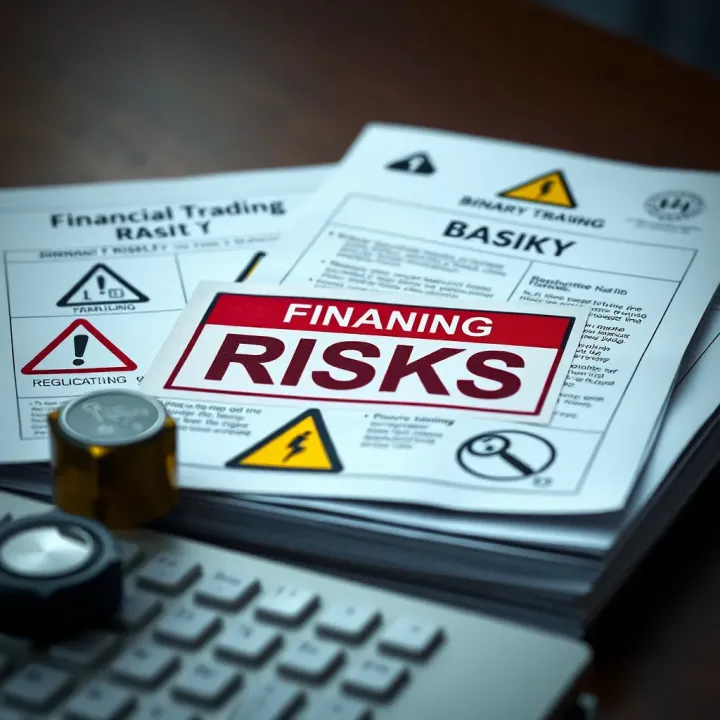
Binary trading operates on an all-or-nothing basis, meaning you either win a fixed payout or lose your entire stake. For example, if you bet KS,000 that an asset’s price will rise within a set time and you’re wrong, you lose that KS,000 entirely. There’s no middle ground or partial recovery. This structure makes binary trading highly speculative and risky compared to traditional investments like stocks or bonds, where you can still recover some value if prices drop.
Success rates among binary traders show the harsh reality of this risk. Statistics indicate that up to 85% of traders eventually lose money over time. This is partly because predicting asset prices accurately within short time frames is extremely difficult, especially for inexperienced traders. Unless you have strong market knowledge or a well-tested strategy, it's quite likely that you will lose most of your capital.
Binary trading attracts fraudsters who set up fake platforms promising easy money. Common scam tactics include rigging software to manipulate prices or payouts, making it nearly impossible for a trader to win fairly. Some fraudsters also use aggressive sales tactics, offering huge bonuses that come with unreasonable withdrawal conditions, trapping traders into investing more.
To protect yourself, watch out for red flags like:
Platforms without proper licensing from Kenya’s Capital Markets Authority (CMA)
Unsolicited calls or messages urging urgent deposits
Lack of transparency in trading terms or withdrawal processes
Reviews consistently reporting delays or refusal to pay withdrawals
Recognising these signs early can save you from losing your funds to dishonest operators.
Quick, frequent trades in binary trading can become addictive. The thrill of winning a fast payout often tempts traders to place repeated bets, sometimes chasing losses. This behaviour can lead to reckless decisions driven by emotions rather than careful analysis.
The financial fallout from significant losses isn't just about money. Many traders suffer stress, anxiety, and reduced quality of life when large chunks of savings vanish quickly. Some have even taken loans to recover losses, which only worsens their financial situation. It’s wise to approach binary trading cautiously and never risk more than you can afford to lose.
Understanding these risks is vital. Binary trading may look simple, but the potential for loss and deception is very real. Always prioritise careful research, regulation checks, and calm decision-making if you choose to participate.
Understanding the legal and regulatory framework of binary trading in Kenya is vital for anyone considering this form of investment. The legal status shapes the environment within which traders operate and determines the level of protection they receive. Without clear regulation, traders risk falling prey to unscrupulous platforms that may disappear with their funds.
The Capital Markets Authority (CMA) plays a central role in overseeing financial markets in Kenya, including securities and derivatives trading. Although binary options are a form of financial instrument, the CMA has not licensed any binary trading platforms to operate locally. This stance highlights the absence of official recognition for binary trading platforms within Kenya’s regulated financial sector.
Given CMA’s mandate to protect investors, it has issued warnings cautioning the public about the risks and unregulated nature of binary trading. The authority regularly publishes advisories urging Kenyans to verify the licensing status of any trading platform before investing. These warnings are practical reminders to traders that engaging with unregulated entities can lead to significant financial loss.
Binary trading platforms operating without CMA approval are considered unlicensed and operate outside the bounds of Kenyan financial law. While some international binary options websites may accept Kenyan clients, these platforms do not have legal backing from Kenyan authorities. Thus, they do not offer the safeguards or dispute resolution mechanisms typical of regulated investments.
Engaging with unregulated brokers exposes traders to multiple risks:
Possible manipulation of trade outcomes
Delayed or denied withdrawals of funds
Lack of recourse in cases of fraud or malpractice
For example, cases where Kenyan traders have reported losing funds on binary platforms often involve brokers unregistered with CMA, making it difficult to recover lost money or pursue legal remedies. Therefore, Kenyan traders must remain vigilant and prioritise platforms with official licences and transparent operations.
Always confirm the licensing status of any binary trading platform with the Capital Markets Authority before committing funds. This step is fundamental to managing risk in a market littered with unregulated operators.
In summary, binary trading in Kenya is not directly regulated, and platforms offering these services legally must have CMA licensing. Traders should be cautious about platforms lacking this, as the legal protections and enforcement mechanisms may be limited or non-existent.
Protecting yourself in binary trading is vital because this market carries significant risks and is often targeted by scams. Knowing how to spot genuine platforms and managing your money carefully can save you from heavy losses and emotional stress. Taking precautions helps you trade more confidently and keep your capital safer.
Always verify whether the binary trading platform holds a licence from Kenya’s Capital Markets Authority (CMA). Platforms with CMA approval have met certain standards and are monitored to prevent fraud. Trading on unlicensed sites increases the risk of losing your money because they operate without government oversight. For example, if you find a broker advertising massive returns but they lack CMA credentials, it’s best to stay clear.
Beyond CMA, some international binary brokers claim global licences, but these may not protect you fully in Kenya. It’s advisable to prioritise local regulation to ensure you have legal recourse in case of disputes.
Before committing funds, spend time checking the platform’s reputation online. Look for reviews on trusted financial forums or from Kenyan traders’ feedback on social media. Watch out for repeated complaints about delays in withdrawals or unfair trading conditions. For instance, traders sharing stories of accounts being blocked after profits emerge is a glaring warning.
You can also check with consumer protection bodies or ask peers in investment groups about their experience. These steps can highlight red flags that simple advertisements or glossy websites won’t.
Never toss in a big sum right away. Begin trading with small amounts you can afford to lose, preferably under KSh 1,000 initially. This approach lowers your risk exposure and helps you learn how the platform works and your own trading behaviour.
Many traders rush with large investments only to blow their funds quickly. Practicing with small stakes lets you understand the market without serious financial pain.
Set a clear loss limit daily or weekly and stick to it. For example, decide you won’t lose more than KSh 500 per day, then stop trading if you reach that. This discipline prevents chasing losses, which often leads to bigger crashes.
Using loss limits is like putting a safety net around your capital. It also forces you to plan trades more carefully instead of gambling recklessly.
Emotions like fear or greed can make you rush trades or place risky bets. It’s important to stay calm and stick to your strategy. If you notice you are upset after losing a few trades, take a break instead of trying to recover losses immediately.
Emotional trading often causes poor decisions. For example, doubling your bet after a loss rarely recovers the money but instead accelerates losses. Maintaining a clear head helps preserve funds and improve long-term performance.
If binary trading seems too risky, consider traditional routes like buying shares on the Nairobi Securities Exchange (NSE). These investments may take longer to grow but come with more transparency and regulation. For instance, investing in giants like Safaricom or Equity Bank stocks offers potential dividends and capital appreciation without the all-or-nothing gambles.
You can also look at unit trusts and mutual funds available through Kenyan banks which diversify your investment.
Government treasury bonds provide a safer way to invest your money with fixed interest rates and predictable returns. The Central Bank of Kenya issues these bonds, and they are accessible even to small investors through competitive or tap bonds.
Additionally, savings plans like those offered by banks or the National Social Security Fund (NSSF) provide steady growth with low risk. These options suit people seeking to grow wealth steadily without the stress of volatile binary markets.
Always remember: Protecting your money requires careful choice of platform and self-discipline. Whether you stick with binary trading or explore safer alternatives, informed decisions are your best defence.
Explore binary trading in Kenya 📈: learn how it works, spot the risks ⚠️, understand Kenya's regulations, and get tips for smarter trading choices.

📊 Thinking about binary trading in Kenya? Learn how to navigate the market, understand risks, choose platforms, and apply smart strategies for better results.
Discover smart binary trading strategies for Kenyan traders 📈 Learn key tactics, manage risks, and understand local regulations to boost your trading success.

📊 Discover how binary trading works in Kenya with this detailed guide! Learn key strategies, risks & legal tips to trade smart and safe today.
Based on 13 reviews