

Binary Trading Strategies for Kenyan Traders
Discover smart binary trading strategies for Kenyan traders 📈 Learn key tactics, manage risks, and understand local regulations to boost your trading success.
Edited By
Victoria Shaw
Risk management in supply chains is not just a theoretical exercise; it’s a daily necessity for businesses keen on staying competitive in Kenya’s fluctuating market. Disruptions such as delays at Mombasa port, fluctuating fuel prices, or even political unrest can quickly ripple through the supply network, affecting costs and delivery times.
Understanding and managing these risks helps businesses avoid costly breakdowns, maintain steady flow of goods, and protect profit margins. For instance, a trader dealing in fresh produce from Eldoret needs to anticipate delays caused by bad weather or roadblocks, which can spoil goods and erode earnings.
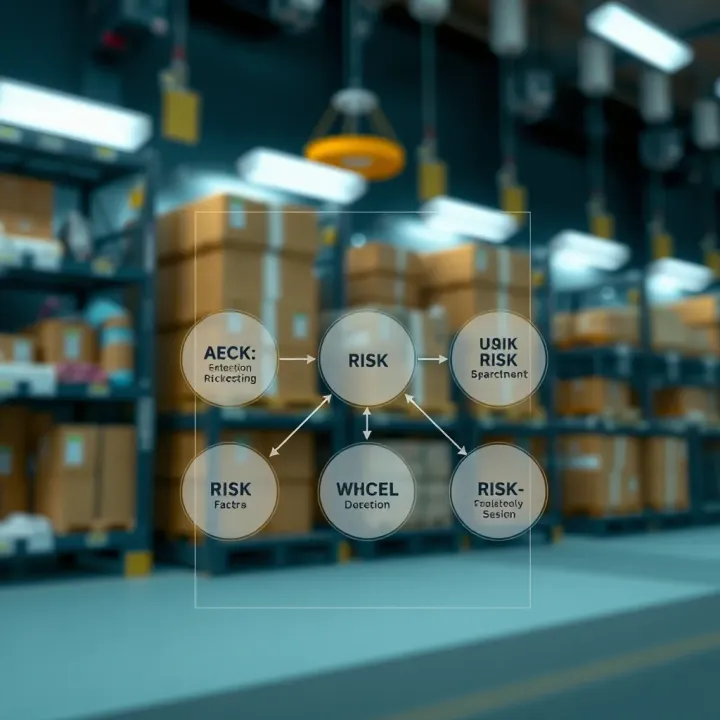
Building resilience in supply chains demands more than just reactive measures. It calls for proactive strategies that identify risks early and offer practical solutions.
These risks often fall into a few key categories:
Operational risks: Equipment breakdowns, transport delays, labour strikes
Financial risks: Currency fluctuations, credit issues, payment delays
Environmental risks: Seasonal rains affecting road conditions, floods
Political and regulatory risks: Changes in import duties, county-level policies
Not all risks carry the same weight. Using a risk matrix that scores impact against likelihood, businesses can focus efforts where they matter most. For example, a Nairobi-based importer might prioritise customs clearance delays over currency volatility, depending on market conditions.
Diversify suppliers: Avoid reliance on a single source, especially those from regions prone to disruption.
Leverage technology: Use supply chain management software and GPS tracking to monitor shipments and respond promptly.
Collaborate with partners: Establish clear communication channels with suppliers and logistics providers to anticipate issues.
Maintain safety stock: Keep buffer inventory of essential goods to cushion against unexpected delays.
By integrating these approaches, businesses can safeguard their operations against disruptions common in the Kenyan and broader East African context. Managing supply chain risk this way isn’t just about avoiding trouble—it’s about seizing opportunities to maintain trust with customers and preserve financial health.
Understanding risk in the supply chain is vital for businesses looking to stay competitive and resilient. For traders, investors, and finance professionals, recognising the types and impacts of risks allows for better decision-making and resource allocation. A well-understood risk environment helps identify weak spots before they escalate into costly disruptions.
Operational risks refer to failures within day-to-day activities, such as machinery breakdown, labour shortages, or production errors. For instance, a factory in Nairobi facing power outages may halt production, delaying deliveries downstream. Operational hiccups typically disrupt efficiency and increase costs.
Financial risks include currency fluctuations, credit issues, and unexpected cost rises. Kenyan businesses trading internationally face forex volatility, which can inflate import expenses overnight. Poor financial planning or supplier insolvency can also threaten supply continuity.
Geopolitical and regulatory risks arise from changes in government policies, trade restrictions, or political instability. For example, new import tariffs or stricter customs regulations across East African Community (EAC) borders might delay shipments or raise costs. Political unrest in supplier countries can further complicate logistics.
Environmental and natural disaster risks cover floods, droughts, or infrastructure damage caused by severe weather. During Kenya's long rains, roads leading to key ports may become impassable, halting deliveries. Such risks are often unpredictable but have immediate effects.
Supplier and logistics risks include supplier reliability, transport delays, and logistical bottlenecks. A delayed container off the port in Mombasa can backlog the entire supply chain, causing shortages. Supplier disruptions from strikes or quality failures also affect supply stability.
Cost implications are among the most visible impacts. Unexpected risks often lead to higher operational expenses, such as paying for last-minute air freight instead of sea transport. For example, a Kenyan textile trader who must reorder fabric due to supplier delays ends up spending more, squeezing profit margins.
Delivery delays and customer satisfaction directly influence business reputations. When products arrive late or in poor condition, customers lose confidence. A distributor in Nairobi failing to deliver fresh produce on time risks losing supermarket contracts, fuelling losses and negative reviews.
Brand reputation and trust take a hit when supply chain failures become public knowledge. Consistent problems with product availability or quality may prompt customers to switch brands. For instance, a mobile phone retailer known for delays might see customers turn to competitors with better service reliability.
Effective risk understanding supports stronger strategies, helping businesses like yours to reduce costs, keep customers happy, and build trust across the supply chain.
By focusing on these risk areas, traders and finance experts can create more robust supply chains that withstand shocks common in Kenya and beyond.
Assessing and prioritising risks in the supply chain is key for businesses to avoid costly disruptions and focus resources where they matter most. Without a clear sense of which risks have the biggest impact and how likely they are to occur, companies may waste effort tackling minor issues while missing serious threats. For instance, a Kenyan tea exporter might concentrate on weather-related disruptions that affect delivery schedules rather than rare customs delays, ensuring smoother operations.

Mapping the supply chain network involves charting every node and link from raw material suppliers through manufacturing to final delivery. This visual tool reveals vulnerabilities such as single-source suppliers or key transport chokepoints. For example, a Nairobi-based retailer mapping their supply chain would spot dependence on a single port for imports and consider alternatives. Mapping helps teams understand complex flows and pinpoint where disruptions could cause ripple effects.
Engaging suppliers and stakeholders is critical to gather on-the-ground insights about risks they face and share risk management responsibilities. Open dialogue with suppliers in Mombasa or Eldoret can uncover issues like labour strikes or logistic bottlenecks early enough to take action. This engagement nurtures trust and improves transparency, leading to faster responses when problems arise.
Historical data analysis uses past supply chain disruptions and performance records to identify patterns and recurring risk hotspots. For example, tracking delays during Kenya’s long and short rains over several years helps predict seasonal transport challenges. Analysing such data guides realistic risk expectations and informs contingency planning based on actual experience.
Risk scoring and ranking assigns numerical values to risks based on how probable they are and how severe their impact could be. This method provides a clear hierarchy of threats, enabling firms to prioritise efforts and budget accordingly. For example, a score might show that an unstable supplier poses a higher risk than transport strikes, prompting immediate attention to supplier alternatives.
Scenario analysis and stress testing simulate various disruption scenarios to observe potential outcomes and test the resilience of supply chain plans. A Kenyan pharmaceutical company might model a sudden regulatory change or a flood disrupting a key route to see how it affects delivery. These exercises expose weak points and help refine response plans before actual crises hit.
Focusing on high-impact and high-probability risks means addressing issues most likely to cause serious damage first. Concentrating on threats such as fuel shortages or port congestion during peak seasons can prevent major delays. Prioritisation ensures that resources go to managing what truly jeopardises continuity instead of spreading efforts too thinly.
Balancing short-term and long-term concerns requires managing immediate threats while preparing for future challenges. While it’s important to resolve current supplier disruptions, firms should also monitor emerging risks like changing trade policies within the East African Community that could affect costs later. This balanced view helps build a supply chain that’s both responsive and sustainable.
Effective risk assessment and prioritisation empower businesses to act decisively—saving time, cutting costs, and strengthening resilience in Kenya’s dynamic trade environment.
By adopting these practical approaches, traders, investors, and analysts can better navigate the complex risks shaping supply chains and ensure smoother operations across sectors.
Managing supply chain risks isn’t just about avoiding disruptions but preparing your business to handle surprises with minimal impact. This section focuses on practical ways firms, especially in Kenya’s dynamic market, can build resilience. From working with suppliers to leveraging tech, each approach adds layers of protection that keep goods moving and costs manageable.
Choosing between local and international suppliers has direct consequences for risk exposure. Local sourcing tends to cut lead times and reduce customs delays, which is a big plus for Kenyan businesses aiming for quick turnaround. For instance, a Nairobi-based textile firm that sources cotton locally may dodge international shipping delays and currency fluctuations affecting import costs.
On the flip side, international sourcing often offers access to specialised materials or lower prices, but exposes your supply chain to risks like geopolitical tensions or global transport disruptions. Balancing local and international suppliers lets businesses spread risk while capturing benefits from both worlds.
Relying on a single transport mode can leave your supply chain vulnerable. Say your goods usually arrive via Mombasa port and travel by road to Nairobi—if there’s a strike blocking the roads, your inventory stalls. Incorporating alternative routes, like rail transport through the Standard Gauge Railway or air freight for urgent deliveries, diversifies risk.
Transport flexibility ensures you can pivot quickly when usual routes face challenges. Even within road transport, working with multiple trucking firms reduces the chance that a single disruption stalls your entire supply.
Open, ongoing communication with suppliers builds trust and smooths the path when problems arise. For Kenyan SMEs, developing partnerships rather than transactional dealings means suppliers may prioritise your orders during tight supply periods or share early warnings of potential issues.
This collaboration can also extend to joint problem solving, such as adjusting order sizes or delivery schedules. When each party understands the other's constraints, it’s easier to react to changes quickly and fairly.
Providing suppliers with accurate forecasts improves their planning and reduces risk. For example, a company that shares monthly sales projections with its supplier enables better inventory management, lowering stockout chances.
Digital platforms, including those integrated with M-Pesa or company ERP systems, make real-time data sharing easier. Transparency keeps suppliers informed, reducing surprises that can disrupt the flow of goods.
Maintaining extra stock cushions your operation against sudden disruptions. In the Kenyan market, where supply chain hiccups may be frequent due to infrastructure or political factors, safety stock ensures customer orders are fulfilled without delay.
However, holding stock has costs—warehousing and potential obsolescence. The key is to find an optimal buffer level based on historical variability and supplier reliability.
Flexible manufacturing and distribution systems enable rapid adjustment to demand or supply changes. For example, a food processing company might switch packaging sizes based on inventory levels or redirect shipments to different retail outlets according to local demand.
This agility helps firms respond swiftly to disruptions or market shifts while optimising resources.
Using GPS and IoT-enabled devices to track shipments provides visibility over goods in transit. This transparency helps spot delays early and allows quick decisions, such as rerouting a shipment stuck due to roadblocks or customs hold-ups.
Kenyan businesses increasingly use mobile apps linked to transport providers or warehouses, staying informed even when on the move.
Beyond tracking, predictive analytics looks at patterns—weather forecasts, political events, or supplier performance data—to flag risks before they escalate. For instance, if heavy rains forecasted in key transport corridors could cause flooding, companies can adjust schedules or stockpiles accordingly.
These data-driven insights turn raw information into actionable warnings, helping businesses move from reactive to proactive risk management.
Practical risk management strategies not only protect your supply chain but can also reduce costs and improve service levels by identifying issues early and keeping operations agile and transparent.
Monitoring risks and continuously improving supply chain processes are vital for maintaining business resilience. By keeping an eye on potential threats and learning from past issues, companies can react faster and reduce losses when disruptions happen. In Kenya’s dynamic business environment—where factors like political changes, weather effects, or transport strikes can impact the supply chain—these ongoing efforts help firms stay ahead.
Key risk indicators are specific metrics that signal when a risk is growing or approaching a critical level. For example, a rise in delivery delays from a supplier or sudden changes in currency exchange rates might indicate increasing financial risk. By tracking these indicators in real time, businesses can spot trouble early and take preventive steps. Practical use includes integrating monitoring software that pulls data from suppliers and logistics partners to flag anomalies.
Regular review cycles involve scheduled assessments of risk data, ensuring the system adapts to new threats or shifts in the environment. These reviews could be monthly or quarterly depending on the complexity of the supply chain. Nairobi-based firms, for instance, might review risks before and after rainy seasons to prepare for transport interruptions. Consistency in these reviews guarantees that risk responses remain relevant and the organisation stays proactive rather than reactive.
Contingency and recovery plans are predesigned actions that come into play immediately after a disruption. These plans map out clear steps covering everything from sourcing alternative suppliers to rerouting shipments. For example, a fresh produce exporter in Kenya may have agreements with secondary suppliers in case the primary shamba’s harvest is affected by drought. Having these plans reduces downtime and minimizes financial impact.
Communication protocols during crises define how information flows between stakeholders when problems arise. Clear, prompt communication avoids misinformation and confusion. For instance, during a strike affecting Mombasa port operations, real-time updates to customers and transporters ensure everyone adjusts expectations and plans accordingly. Establishing these protocols ahead ensures that during disruption, messages reach the right people fast and responses stay coordinated.
Post-event analysis focuses on reviewing what went wrong and why after a disruption occurs. This review should be thorough, looking at both internal weaknesses and external factors. For example, after a delay caused by container shortages, an analysis could reveal poor supplier diversity or inadequate inventory buffers. Documenting these findings creates a knowledge base for the team.
Adapting strategies based on lessons means changing policies or processes in light of past experience. If a logistics failure repeatedly caused losses, a company might diversify its transport providers or increase safety stocks. Kenyan importers who faced prolonged delays during past customs backlog might streamline clearance procedures or hire clearing agents to reduce future risks. Continuous improvement relies on this learning loop, helping businesses refine their risk management without starting from scratch every time.
Proactive monitoring and learning create a supply chain that not only survives shocks but grows stronger from each challenge.
By embedding these elements into their operations, traders, investors, and analysts can safeguard supply chains against common and unique risks, supporting steady business growth amid uncertainty.
Discover smart binary trading strategies for Kenyan traders 📈 Learn key tactics, manage risks, and understand local regulations to boost your trading success.

Discover effective forex trading strategies🇰🇪 focused on risk management, analysis📊, trading plans📈, and mastering psychology for better results in Kenya's market.
Manage financial risks like a pro! Learn key strategies and practical tips tailored for Kenyan businesses to identify, assess, and reduce financial losses 📉💼

Explore practical disaster risk management in Kenya 🌍 with strategies on risk assessment, preparedness, response & recovery to protect communities effectively.
Based on 9 reviews