
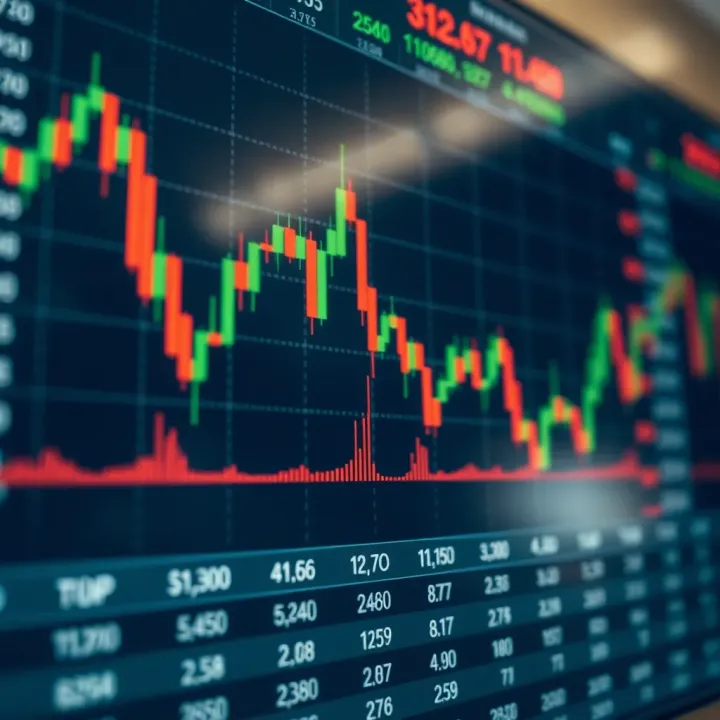
Forex Trading Guide for Beginners in Kenya
💱 Explore a detailed guide to forex trading in Kenya: learn market basics, effective strategies, risk management, platforms, and regulations for confident trading.
Edited By
Sophie Mitchell
Online forex trading in Kenya has become widely accessible thanks to improved internet connectivity and mobile technology. Many Kenyans see it as an opportunity to diversify income sources, especially with platforms that accept M-Pesa payments directly. However, jumping into forex trading without a clear understanding can quickly lead to losses.
Forex trading involves buying and selling pairs of currencies, such as the US Dollar against the Kenyan Shilling (USD/KES), aiming to profit from changes in exchange rates. Unlike the stock market, forex runs 24 hours a day on all weekdays, driven by economic news and geopolitical events worldwide. This continuous trading calls for discipline and effective risk management.
Before starting, the right choice of broker is critical. Among the brokers operating in Kenya, look out for those regulated by reputable global bodies like the Financial Conduct Authority (FCA) or the Cyprus Securities and Exchange Commission (CySEC). Kenyan traders should also check if the broker offers easy deposit and withdrawal options, such as Lipa Na M-Pesa, and supports KES-based accounts to avoid conversion charges.
Choosing a reliable broker and understanding market dynamics reduces the risk of falling prey to scams or unsafe platforms.
Practical strategies suit Kenyan traders, considering local economic trends and currency volatility. For example, focusing on major pairs like EUR/USD or USD/KES can offer more predictable movements than exotic pairs. Additionally, starting with small capital and using demo accounts helps build experience without risking real money.
Here are key steps to begin trading forex online in Kenya:
Research and select a trustworthy forex broker with Kenyan payment options.
Open a trading account and familiarise yourself with trading platforms like MetaTrader 4 or 5.
Use demo accounts to practice without financial risk.
Learn technical and fundamental analysis relevant to forex markets.
Apply strict risk management, capping exposure per trade at small percentages.
Starting with a strong foundation will help you trade forex confidently and responsibly in the Kenyan context. The sections ahead will unpack these elements in detail to equip you with practical knowledge.
Understanding forex trading is the foundation for anyone looking to enter the market, especially in Kenya where online trading is gaining traction fast. Knowing the basics helps you avoid common pitfalls and spot genuine opportunities. For example, if you don’t grasp how currencies move relative to each other, you might take positions that expose you to unnecessary losses. This section will break down the core elements you need to know before you dive in.
Forex trading involves buying one currency while simultaneously selling another, aiming to profit from fluctuations in exchange rates. For instance, if you believe the US dollar will strengthen against the Kenyan shilling, you could buy USD/KES and sell when the rate rises. Unlike stocks or commodities, forex trades happen continuously around the clock during business days worldwide, giving traders flexibility to react to market events anytime.
The forex market works mainly through a global network of banks, brokers, and traders. Unlike the Nairobi Securities Exchange (NSE), forex has no single central marketplace. Instead, transactions happen electronically over-the-counter (OTC). Large banks act as liquidity providers, quoting bid and ask prices for currency pairs. Retail traders in Kenya access this market through online brokers, who connect them to these larger players. Trading platforms like MetaTrader or cTrader display live price feeds and allow order execution within seconds.
The forex market’s 24-hour nature means Kenyan traders can engage outside traditional business hours, but it also requires attentiveness to different global market sessions such as London, New York, and Tokyo.
Forex pairs are grouped into majors, minors, and exotics. Majors include pairs like EUR/USD, USD/JPY, and GBP/USD, which have the highest liquidity and tightest spreads. For Kenyan traders, USD/KES is particularly relevant due to the direct link with the local currency. Understanding these pairs matters because each reacts differently to economic news and policies. For example, USD/KES might be heavily influenced by Central Bank of Kenya decisions and regional trade developments. On the other hand, EUR/USD responds more to European economic data and US Federal Reserve policies.
Focusing on major pairs helps new traders avoid erratic price swings common with less liquid exotic pairs. Also, it’s easier to find resources, analysis, and price information on these widely traded pairs, which supports better trading decisions.
In summary, starting forex trading without understanding how the market operates and the dynamic between currencies is like driving without knowing the rules of the road. This section lays out the essential concepts to help you trade smarter and navigate Kenya's growing forex scene with confidence.
Starting online forex trading in Kenya means getting familiar with key steps that set a strong foundation. This helps you avoid costly mistakes and navigate the market confidently. It begins with finding a reliable broker, setting up your account properly, and understanding the tools available for trading.
It’s smart to pick a forex broker regulated by recognised authorities like the Capital Markets Authority (CMA) here in Kenya or internationally respected bodies such as the Financial Conduct Authority (FCA). A regulated broker must follow rules that protect your money and ensure fair trading practices. For instance, if anything goes wrong, you have a point of recourse which isn’t the case with unregulated brokers.
Look for brokers who offer competitive spreads and transparent fees to keep your trading costs low. Fast trade execution and easy deposit and withdrawal processes save you time and frustration. Having local customer support matters too, especially for new traders who may need quick answers. Some brokers provide educational resources, demo accounts, and tools that help you sharpen your skills before risking real money.
Opening an account usually involves submitting your personal details, ID copies, and proof of residence through the broker’s online portal. This process is mostly straightforward, but ensuring you provide accurate info speeds up verification. For example, some brokers in Kenya accept eCitizen verification which cuts down wait times.
In Kenya, M-Pesa is a convenient payment method accepted by many brokers, allowing instant deposits without going to a bank. Other methods might include bank transfers, debit/credit cards, or online payment services like Airtel Money. Always check if your broker charges fees for deposits or withdrawals, and how long transactions typically take. This helps you plan your trades without cash flow interruptions.

MetaTrader 4 and 5 are the most widely used trading platforms worldwide and are favoured by Kenyan traders too. They offer a user-friendly interface, reliable charting tools, and support automated trading strategies (Expert Advisors). Access to historic price data and live news feeds further aid in making informed trade decisions.
Mobile trading apps bring forex markets to your fingertips, letting you monitor and execute trades anywhere—be it commuting in a matatu or at home. Reliable brokers usually provide apps compatible with Android and iOS. These apps maintain core functionalities like chart analysis and order placement, so you don’t miss out when away from your computer.
Starting smart with a regulated broker, a funded account, and familiar trading tools sets you on the path to a better forex trading experience in Kenya.
Knowing the right strategies can make the difference between consistent gains and frequent losses in forex trading. Kenyan traders must understand these techniques clearly before risking real money. Strategies like fundamental analysis, technical analysis, and proper risk management help you make informed decisions instead of guessing.
Economic events such as inflation figures, employment data, or GDP releases directly impact currency value. For instance, if Kenya’s inflation rate shoots up unexpectedly, investors might lose confidence in the shilling, pushing it down against other currencies like the US dollar. Traders following this news often adjust their positions quickly to benefit or protect themselves from such swings.
Understanding the timing of these announcements is equally important. If you know the Central Bank of Kenya (CBK) is about to release a report, you can expect increased volatility in forex markets. Being alert to these events gives you the edge to either enter or exit trades at the right moments.
Central banks influence forex prices through interest rate adjustments and monetary policies. If the CBK raises interest rates, it often makes the shilling more attractive as investors seek higher returns, causing it to appreciate. Conversely, cutting rates might weaken the currency.
Traders in Kenya closely watch statements from the CBK and major global banks like the US Federal Reserve. Such policies guide expectations on currency movements, helping traders plan trades aligned with monetary trends rather than relying solely on guesswork.
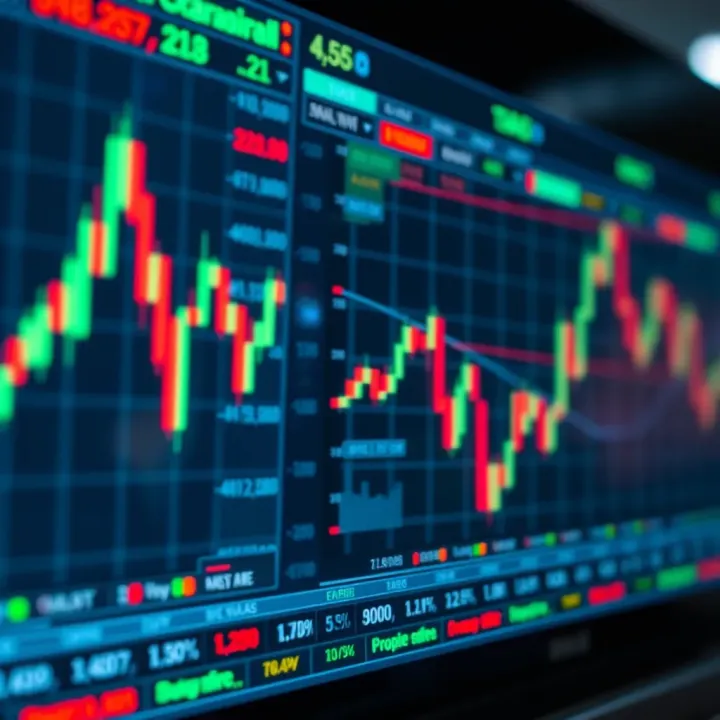
Charts show price movements over time, revealing trends that traders can exploit. For example, if the KSh/USD rate has been steadily climbing over several days, a trader might anticipate the trend continuing and buy into the pair. Recognising patterns like support (price floor) and resistance (price ceiling) helps in timing entries and exits.
Kenyan traders benefit from daily chart reviews to spot these trends early. It’s like watching the traffic flow before crossing a busy road; knowing which way the market is moving reduces surprises.
Indicators such as Moving Averages, Relative Strength Index (RSI), and Bollinger Bands provide extra insights. Moving Averages smooth out price data to reveal direction, RSI indicates if a currency is overbought or oversold, and Bollinger Bands show volatility ranges.
For instance, if the RSI shows a currency is overbought, it might signal a coming price correction—traders could quickly adjust their positions. These tools support decisions based on measurable data, adding structure to the trading plan.
Stop-loss orders limit potential losses by closing a trade at a predefined price. If you buy USD/KSh at 110 and set a stop-loss at 108, your trade automatically closes if the price falls to that level, limiting losses. Similarly, take-profit closes the trade once the price hits a target profit.
Using these tools is vital on volatile days or when trading with leverage, especially in Kenya’s fast-moving markets. They help lock gains and protect your account from sudden market reversals.
Leverage lets you control large trade sizes with small capital but comes with high risk. For example, with 1:100 leverage, a KSh 1,000 deposit controls KSh 100,000 worth of currency. While this magnifies profits, losses follow the same pattern and can wipe your capital quickly.
Kenyan traders should be cautious, starting with low leverage and small positions. This approach keeps risks manageable while you gain experience. Remember, controlling how much you risk per trade often makes the difference between staying in the game and losing your entire pot.
Successful forex trading combines understanding market forces, using the right tools, and controlling risks carefully. Strategies supported by good fundamentals and disciplined management help Kenyan traders navigate foreign exchange markets confidently.
Trading forex online can be quite rewarding, but it carries its share of risks, especially for Kenyan traders who may be new to the market. Understanding these risks helps you protect your capital and avoid common pitfalls. Trading responsibly means knowing what challenges you face and managing them well so that your trading remains sustainable in the long run.
The forex market is known for its high volatility, meaning currency prices can change rapidly. For example, a sudden change in US Federal Reserve policy or unexpected political events in the Eurozone might cause sharp swings in the dollar or euro exchange rates. For Kenyan traders, this volatility can create opportunities but also sudden losses if the market moves against your trade unexpectedly. Volatility demands close attention and careful timing; ignoring it can lead to wrapping up a trade at a loss before you realise why.
Leverage allows you to control a larger position with a small amount of money. While this looks attractive, it also multiplies the risk. If you use 50:1 leverage to trade KS0,000, you effectively control KS00,000 worth of currency. If the market moves unfavourably, your losses could wipe out your initial investment quickly. Many new traders in Kenya fall into the trap of high leverage, chasing big wins but ending up with heavy losses. Properly managing leverage by using smaller ratios ensures you don’t lose more than you can afford.
Scams in forex trading are unfortunately common, so watch for these warning signs: promises of guaranteed profits, pressure to deposit immediately, brokers without clear contact details, or websites full of spelling mistakes. If a broker offers unusually high leverage or bonuses that seem too good to be true, take caution. Kenyan traders should also be wary of unregulated platforms targeting locals with fancy adverts on social media but no real backing.
The Capital Markets Authority (CMA) Kenya regulates forex brokers operating in the country. Before choosing a broker, confirm their registration status with CMA. This protects you because regulated brokers must meet standards for client fund safety, transparency, and fair trading practices. Avoid using brokers that don’t appear on CMA’s official list; these may not be trustworthy or compliant. It’s a straightforward step that can save you from falling victim to fraud.
When starting out, it pays to set realistic goals. Instead of aiming to double your money every month, target smaller, consistent returns such as 5–10% per month. This approach lets you build experience while preserving capital. For instance, a Kenyan trader with KS0,000 might decide to risk only KS,000 per trade and aim for small gains over weeks. Over time, modest progress adds up without risking burnout or recklessness.
Forex trading can be stressful, especially when the market moves against you. Emotional reactions like panic-selling or chasing losses can worsen your results. A solid trading plan includes rules for when to exit trades and how much to risk, which helps keep emotions in line. Kenyan traders sometimes become overconfident after a few wins or too fearful after losses; sticking to your plan will help avoid these pitfalls. Taking breaks and reviewing your trades calmly also improves discipline.
Responsible trading is about respecting the dangers in forex and preparing to face them confidently. Understanding risks, spotting scams, and making realistic plans will serve you well in Kenya’s growing online forex market.
Trading forex successfully in Kenya involves more than just understanding the charts and currency pairs. Practical steps like using local payment options, accessing relevant education, and staying updated on economic news can greatly improve your trading experience and results. These tips not only smooth the trading process but also align with Kenyan market realities and infrastructure.
For Kenyan forex traders, local payment systems such as M-Pesa make funding and withdrawing from trading accounts straightforward and fast. Because M-Pesa is widely used and trusted, many brokers now support it alongside bank transfers and card payments. Using familiar payment channels helps avoid delays and unnecessary fees often encountered with international payment solutions. For example, with M-Pesa, you can deposit as little as KSh 500 and get instant confirmation, unlike some global bank wires which may take several days and charge higher fees.
Additionally, some brokers also accept payments through Paybill and Till Numbers, familiar options for many Kenyans. Choosing brokers that support these payment methods can save you time and reduce transaction costs, especially for smaller trades. Ensuring smooth deposit and withdrawal processes is key to successful, ongoing trading.
Kenyan traders benefit from locally organised forex courses that address specific concerns in the market such as trading within the EAC economic context and using currencies like the Kenyan shilling. Institutions in Nairobi, Mombasa and Kisumu host workshops that cover basics to advanced topics, often including hands-on sessions for MetaTrader platforms or mobile app trading. These courses provide practical knowledge that's easier to apply in the local environment than some international programmes.
Moreover, these workshops offer opportunities to network with fellow traders, share experiences, and learn tips tailored for Kenyan realities like navigating local banking times or accessing local financial news.
Kenya has growing online forex communities on platforms such as Telegram, Facebook, and WhatsApp groups. Joining these forums gives you direct access to active traders discussing market trends, broker reviews, and technical strategies suited for local conditions. You'll hear firsthand experiences about Kenyan brokers’ reliability, support quality, and withdrawal speeds.
Besides peer support, these groups often share links to real-time economic events affecting African and global markets. Regular involvement helps keep you sharp and informed, a crucial advantage considering how economic developments impact currency valuations almost immediately.
To trade forex effectively, staying updated with news that influences currency prices is vital. Kenyan traders must monitor not only global indicators like US Federal Reserve decisions or oil prices but also regional events such as East African Community (EAC) trade talks or Kenyan government fiscal policies.
Local business dailies, radio stations, and online portals frequently report on such developments. For example, a significant change in Kenya's inflation rate reported by the Central Bank of Kenya (CBK) can signal shifts in KSh strength, which directly affects forex positions involving the shilling.
Consistent awareness of both global and regional economics allows you to anticipate market moves rather than react blindly, improving the timing of your trades and reducing risks.
Incorporating these practical tips not only helps you trade with more confidence but also builds a foundation for disciplined, informed decision-making in the Kenyan forex market.
💱 Explore a detailed guide to forex trading in Kenya: learn market basics, effective strategies, risk management, platforms, and regulations for confident trading.
Explore top forex trading companies in Kenya 🇰🇪, learn to choose trusted brokers, understand market trends, manage risks, and follow local regulations 📈📊.
📈 Explore top forex trading classes in Kenya! Discover tips, course types, benefits & trusted schools to boost your trading skills effectively.
Discover top Forex brokers in Kenya 🇰🇪, learn how to pick reliable platforms, understand regulations, and get tips tailored for Kenyan traders 💹
Based on 11 reviews