

Top Forex Trading Books for Kenyan Investors
📚 Discover top forex trading books for Kenyan investors! Learn market basics, strategies, risk control, and psychology to boost your trading skills effectively.
Edited By
Grace Ellis
Online forex trading has become increasingly popular among Kenyan investors, offering new opportunities beyond traditional investment routes. Unlike the typical stock market, forex trading involves exchanging one currency for another, such as Kenyan shillings (KSh) for US dollars (USD), based on fluctuating prices. It operates 24 hours a day, making it accessible even outside standard banking hours.
The foreign exchange market is the largest globally, with daily volumes surpassing $6 trillion. This huge liquidity allows investors in Kenya to enter and exit trades quickly, provided they understand the risks involved. Forex trading is influenced by multiple factors: economic reports, geopolitical events, and interest rate changes by central banks like the Central Bank of Kenya (CBK) or the US Federal Reserve.
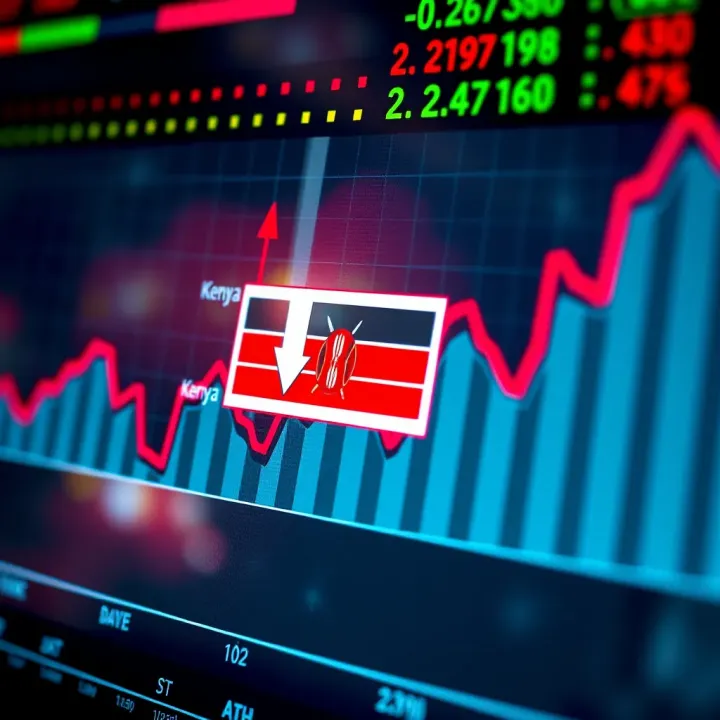
In Kenya, participating effectively in forex trading means navigating both global market movements and local conditions. For instance, fluctuations in the USD/KSh exchange rate can directly impact export businesses and remittances, making forex knowledge relevant beyond speculation.
Wise traders know that education and a disciplined approach are more valuable than chasing quick profits in volatile markets.
Basic forex trading involves pairs: a base currency and a counter currency. If you think the base currency will strengthen, you buy; if you expect it to weaken, you sell. To start, Kenyan investors usually deposit funds via platforms supporting M-Pesa or bank transfers. Choosing a trustworthy platform regulated by the Capital Markets Authority (CMA) in Kenya ensures compliance and some degree of protection.
Here are practical points for Kenyan traders to consider before diving in:
Understand leverage carefully: While it amplifies gains, it increases losses too.
Follow global economic news alongside local updates.
Practice with demo accounts before risking real money.
Stay aware of scams; prefer brokers licensed by CMA Kenya.
Getting into forex trading without a clear plan is like stepping into Nairobi’s matatu stage without knowing your destination — risky and confusing. This guide will break down these essentials to help Kenyan investors tread more confidently in online forex trading.
Understanding what online forex trading entails is the first step for anyone interested in earning from currency fluctuations. Forex trading involves buying one currency while selling another simultaneously — this forms a currency pair. In Kenya, many investors have started recognising forex as a way to diversify their portfolios and tap into global markets from the comfort of their homes using just a mobile device or laptop.
The forex market is the largest financial market worldwide, with a daily trading volume exceeding $6 trillion. It operates 24 hours during weekdays, making it accessible for traders in different time zones—including Nairobi. The forex market allows investors to exchange currencies for trade, investment, or speculation purposes. For example, a Kenyan trader may exchange Kenyan Shillings (KES) for US Dollars (USD), hoping the USD will strengthen.
Currency pairs are the heart of forex trading. Major pairs involve the most frequently traded currencies like USD, EUR (Euro), JPY (Japanese Yen), and GBP (British Pound). Examples include EUR/USD or USD/JPY. These pairs tend to have high liquidity and tighter spreads, making them more cost-effective for new traders. Minor pairs, such as EUR/AUD or GBP/NZD, usually involve less liquid currencies and can be more volatile. As a Kenyan trader, focusing on majors often provides more predictable trading conditions.
Currency prices change based on supply and demand factors driven by economic indicators, geopolitical developments, and market sentiment. For instance, if the Central Bank of Kenya raises interest rates to curb inflation, it can boost demand for the Kenyan Shilling, affecting its value against the Dollar. Traders watch news like inflation reports, trade balances, and political stability closely to anticipate price movements.
Forex brokers act as intermediaries between traders and the forex market. They provide trading platforms where you can open an account, deposit funds (often through M-Pesa in Kenya), and execute trades. Choosing a broker regulated by the Capital Markets Authority (CMA) of Kenya or reputable international bodies is essential to ensure safety and fair trading conditions. Your trading account tracks your balance, open positions, and allows position management.
Trades happen electronically through platforms like MetaTrader 4/5 or proprietary broker platforms accessible via desktop or mobile apps. When you place a trade, the platform routes your order to the market or the broker’s liquidity providers. Execution speed is vital as delays can cause slippage, changing your expected trade price. Many Kenyan traders rely on strong internet connections at home or in internet cafés to stay competitive.
Leverage lets you control a larger position than your actual investment by borrowing funds from the broker. For example, with 1:100 leverage, depositing KSh 10,000 allows trading positions worth KSh 1,000,000. While leverage magnifies profits, it also increases losses and risk. Margins are the minimum funds you must keep in your account to maintain open trades. Mismanaging leverage can quickly lead to losing more than your initial deposit, so it’s wise to use it carefully and understand margin calls.
Forex trading offers exciting opportunities but demands understanding of market mechanics and disciplined risk management. Starting with solid knowledge helps Kenyan traders avoid common pitfalls and build confidence.
This section lays a foundation for Kenyan investors to grasp how online forex trading functions and its practical relevance. With this background, you’re better prepared to dive into market analysis, broker selection, and risk strategies in subsequent sections.
Understanding the key factors that influence forex markets is essential for Kenyan investors aiming to trade successfully. Currency values don't move randomly; they respond to economic events, political stability, and global trends. By recognising these influences, traders can make informed decisions, reduce risks, and take advantage of market movements.
Interest rates and inflation are among the strongest drivers of currency prices. When the Central Bank of Kenya raises interest rates, it often attracts foreign investment because investors seek higher returns. This demand for the Kenyan shilling (KSh) can push its value up. On the flip side, high inflation tends to erode a currency's value since it reduces purchasing power. For example, if Kenya's inflation spikes faster than in the US, the shilling may weaken against the dollar, affecting forex pairs like USD/KES.
The Gross Domestic Product (GDP) measures a country's economic performance. A growing GDP suggests a healthy economy, making its currency more appealing to investors. If Kenya reports strong GDP growth compared to previous quarters, the shilling might strengthen as confidence rises. However, if GDP growth stalls or contracts, it signals economic trouble, possibly causing currency depreciation. Tracking Kenya’s quarterly GDP results alongside other global players helps traders predict currency moves.
Political events and stability play a vital role in shaping forex dynamics. Kenya’s elections or policy changes can cause fluctuations in the shilling’s value. Political uncertainty, like contested election results or sudden government reshuffles, makes investors nervous and often triggers currency sell-offs. On the other hand, stable governance and investor-friendly policies tend to boost foreign exchange inflows, strengthening the currency. Traders watching political developments can anticipate market reactions and position themselves accordingly.
Currency volatility and market sentiment reflect how calm or turbulent forex markets are at any given time. For instance, during global crises like the Covid-19 pandemic, currencies including the KSh showed erratic swings as traders feared economic slowdown. Sentiment driven by news, forecasts, or central bank decisions can quickly push markets up or down. Staying updated with global financial news helps traders navigate such volatility.
International trade relations significantly impact currency pairs. Kenya’s trade balance—exports versus imports—affects demand for the shilling. A trade surplus (more exports) usually strengthens the local currency because foreign buyers convert their money to KSh to pay Kenyan exporters. Conversely, trade tensions or tariffs with key partners like China or the US may disrupt flows, causing currency weakness. Forex traders should track Kenya’s trade agreements and disputes to anticipate shifts.
Commodities prices influence currencies of countries dependent on exporting raw materials. Kenya exports tea, coffee, and horticultural products, so global price changes affect the shilling indirectly. For example, a slump in coffee prices reduces export earnings and foreign currency inflows, potentially weakening the KSh. Meanwhile, rising oil prices increase import costs, impacting Kenya’s trade balance negatively. Commodity fluctuations abroad can therefore ripple through local forex markets.
Being aware of these economic indicators and global trends helps Kenyan forex traders manage risks better and spot trading opportunities with greater confidence.
Starting with online forex trading in Kenya requires careful preparation and informed choices. This step ensures that you are set up with the right tools and protections to navigate the forex market safely. A solid start reduces risks and improves your chances of success.
Kenya's Capital Markets Authority (CMA) plays a key role in regulating forex brokers. Choosing a broker licensed by the CMA offers some assurance that the broker operates under strict guidelines for transparency and fairness. For example, brokers licensed locally must meet capital requirements and maintain client fund segregation, which protects you if the company runs into trouble. Traders should confirm the broker’s regulatory status on the CMA website to avoid falling prey to unregulated operators who often engage in scams.
An intuitive and reliable trading platform improves your ability to make quick decisions and execute trades smoothly. Look for platforms with real-time charts, technical indicators, and easy access to order execution. Mobile compatibility is crucial for many Kenyan traders who often operate on the go or rely on mobile data. Platforms like MetaTrader 4 and MetaTrader 5 are popular because they balance power with user-friendly interfaces.
Trading costs directly affect your profits, making it important to compare spreads and commissions charged by brokers. Some brokers offer fixed spreads, which remain constant even during volatile times, while others have variable spreads that can widen. Also, check if the broker charges withdrawal fees or inactivity fees. For example, a broker with a low spread but a high withdrawal fee may end up costing you more in the long run. Factor in all fees to get the full cost picture.
Kenyan forex brokers follow Know Your Customer (KYC) rules to verify your identity and comply with anti-money laundering laws. You typically need to submit a copy of your national ID or passport, a recent utility bill or bank statement as proof of address, and sometimes proof of income. Completing this verification promptly speeds up your ability to trade and ensures your funds remain secure.
Funding your trading account should be easy and convenient. Many Kenyan brokers now accept M-Pesa, the ubiquitous mobile money platform, alongside traditional bank transfers. M-Pesa deposits are usually instant and affordable, allowing you to top up your account without hassle. For example, you can send funds via Paybill or Till Number services linked directly to your trading account, making it accessible even if you don’t have a bank account.
Most brokers offer demo accounts where you can practice trading with virtual money. Demo accounts help you get familiar with the trading platform and test strategies without risking real cash. It’s wise to spend time on the demo before moving to a live account. Once you switch to live trading, start small and increase your investment as you gain confidence and experience.
Starting the right way in forex trading sets a strong foundation. By choosing a reliable broker, understanding costs, completing verification, and using demo accounts, you better protect your funds and trade smarter in Kenya's growing forex market.
Managing risks is the backbone of staying afloat in online forex trading, especially for Kenyan investors navigating global markets. While forex offers potential for profit, it also involves volatile swings that can erode your capital quickly if you aren’t prepared. Knowing the typical risks and adopting strong risk management strategies can prevent devastating losses and increase your chances of long-term success.
Market volatility and unexpected losses can hit hard. The forex market reacts to news, economic data, or political events sometimes within seconds. For example, a sudden change in US Federal Reserve interest rates or unexpected inflation numbers in Kenya can swiftly move currency pairs like USD/KES. If your position isn’t protected, what looked like a winning trade could turn into a loss overnight. Traders must understand that market volatility is unavoidable; losses sometimes occur despite careful analysis.
Risks of high leverage come next. Most forex brokers offer leverage that allows you to control a large position with a small deposit. While this magnifies profits, it also amplifies losses. Suppose you use 100:1 leverage and the market moves just 1% against you; your entire deposit might be wiped out. Some Kenyan traders, lured by promises of high gains, risk more than they can afford. It’s critical to use leverage cautiously and understand your broker’s margin calls.
Scams and unregulated brokers continue to plague forex trading in Kenya. The rapid growth of online platforms has attracted unscrupulous operators promising unrealistic profits, only to disappear with clients’ money. Without proper due diligence—such as checking the Capital Markets Authority (CMA) licence—traders risk falling victim to such schemes. Always choose CMA-regulated brokers and stay vigilant against suspicious offers or pressure tactics.
Setting stop losses and take-profit levels helps you automate exit points and limit losses. For instance, if you enter a trade on EUR/USD, placing a stop loss 50 pips below your entry ensures you don’t lose more than you planned. Similarly, setting take-profit levels locks in gains when the price hits your target. These orders prevent emotional decisions during volatile market swings.
Diversifying trading portfolios reduces exposure to any single currency’s risk. Don’t put all your eggs in one basket by trading just USD/KES. Instead, spread trades across multiple pairs like EUR/USD, GBP/USD, and AUD/USD to balance risks emerging from different economies. This approach helps smooth returns and protect your capital when one market suffers a downturn.
Continuous learning and market analysis are non-negotiable for success. The forex market isn’t static; economic cycles, geopolitical tensions, and central bank policies shift regularly. Follow reliable financial news, attend webinars, and practise demo trading to sharpen skills. Kenyan traders who keep up with global and local developments stand a better chance to anticipate market moves and adjust strategies accordingly.
Staying safe in forex trading involves respect for the risks and deliberate steps to control them. With sound risk management, Kenyan investors can convert uncertainties into opportunities rather than pitfalls.
Kenyan financial regulations shape how forex trading operates locally, providing a framework that protects traders and ensures market integrity. Understanding these rules helps investors avoid scams and comply with the law while trading forex, which can be quite volatile. Kenyan authorities have set clear guidelines so traders know what to expect when dealing with brokers and navigating this market.
The Capital Markets Authority (CMA) is the main regulator for forex trading in Kenya. It licences and supervises brokers offering forex services to guarantee they follow local laws. For example, a broker licensed by the CMA must keep clients' funds separate from company money and submit regular reports, which increases transparency.
This oversight helps Kenyan traders by setting minimum standards for safety and fairness. If a brokerage firm operates without CMA approval, it should raise red flags to investors, suggesting possible risks such as fraud or unfair trading conditions.
Although the CMA specifically regulates forex brokers, the Central Bank of Kenya (CBK) plays a role in safeguarding the wider financial environment. CBK monitors cross-border currency flows and sets limits on how much money can leave or enter Kenya through forex trading.
This matters because forex trading involves different currencies and large sums can move quickly. The CBK guidelines help reduce risks of money laundering and ensure that the forex market does not destabilise the Kenyan shilling or the economy.
For traders, these regulatory frameworks mean they have a degree of protection against fraud and better clarity on who to deal with. Brokers complying with CMA and CBK rules tend to offer safer platforms and clearer terms.
Brokers, on their side, must meet compliance costs and operate with accountability, which can raise the quality of service. However, it also means traders should spend time verifying broker licences and understanding their terms before committing funds.
Choosing a broker regulated by CMA is fundamental. You can check the CMA website for a list of licensed brokers operating in Kenya. A regulated broker will clearly display their licence number and information about their compliance practices.
Working with unregulated brokers exposes you to scams, such as manipulated prices or difficulties withdrawing profits. Regulated brokers usually have customer support and formal complaints procedures, which give Kenyan traders a safer environment to trade forex.
If you suspect fraud or unethical trading practices, reporting to the CMA is vital. They have a complaints mechanism to investigate breaches and protect investors.
Acting early could save your funds and possibly protect others from falling victim. Besides CMA, you can also alert your bank or mobile money provider if suspicious fund movements occur through your accounts.
Staying alert and reporting fraud promptly helps maintain a fair forex trading environment for all Kenyans.
Forex profits made by Kenyan residents are subject to tax under the Kenya Revenue Authority (KRA) rules. Profits from forex trading fall under income tax and must be declared on annual returns.
Failing to report forex earnings can lead to penalties. It’s advisable to keep detailed records of trades, profits, and losses to facilitate accurate tax reporting. Consulting a tax expert familiar with Kenyan regulations can help you understand your obligations and avoid surprises during tax season.
This means staying compliant not just with trading regulations but also with tax laws, ensuring your forex activities remain legitimate and hassle-free.
📚 Discover top forex trading books for Kenyan investors! Learn market basics, strategies, risk control, and psychology to boost your trading skills effectively.

📚 Discover the top books for forex trading tailored for Kenyan traders! Learn strategies, market psychology & risk management to boost your skills today.
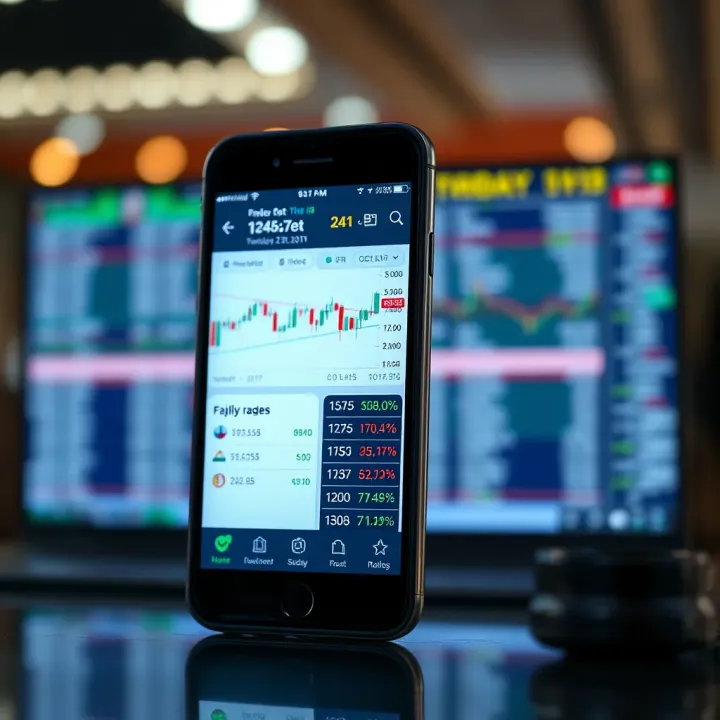
Explore top forex trading apps for Kenyan traders 📱 Learn how to pick the right app, secure your trades, and start trading forex effectively on mobile platforms!
📚Explore top books for mastering forex trading with tips on fundamentals, strategies, risk, and psychology to boost your market skills confidently.
Based on 14 reviews