

Benefits of Risk Management for Kenyan Businesses
Discover how effective risk management in Kenyan businesses safeguards assets, boosts decision-making, reduces losses, and strengthens stakeholder trust 📊🤝
Edited By
Henry Wallace
Operational risk management (ORM) is a key part of running a successful business in Kenya. It involves identifying, assessing, and controlling risks that come from daily operational activities. These risks could crop up from internal processes, staff errors, systems breakdowns, or external events like supply chain interruptions or regulatory changes.
In the Kenyan context, operational risks often include challenges such as unreliable power supply affecting production lines, delays in customs clearance for imports, or sudden shillings depreciation influencing cost structures. For example, a small manufacturing firm in Nairobi might face equipment failures due to irregular maintenance or untrained staff handling machinery—this is operational risk directly impacting productivity and profitability.
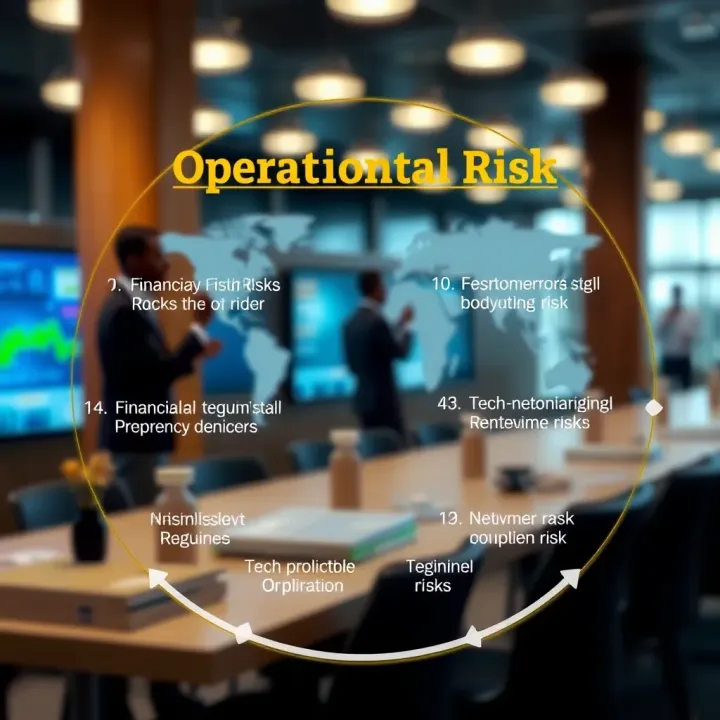
By managing these risks effectively, companies reduce unexpected losses and maintain trust with customers and regulators. This is especially crucial for traders, investors, and finance professionals, who rely on smooth business operations and compliance to sustain growth and returns.
Practical ORM starts with a clear understanding of the various risk types, such as:
Process risks: Errors in workflows or procedures causing delays or quality issues
People risks: Mistakes or misconduct by employees that lead to financial loss or reputational damage
System risks: Failures in IT infrastructure, like software glitches or cyberattacks
External risks: Factors outside the organisation's control, including political changes, economic swings, or pandemics
Assessment involves gathering data from operations, reviewing past incidents, and using tools like risk matrices to prioritise risks based on their likelihood and impact.
Successful operational risk management doesn’t aim to eliminate risks entirely—rather, it focuses on reducing risks to acceptable levels, ensuring business continuity and compliance.
Once risks are mapped, mitigation strategies can include staff training, process improvement, adopting technology for real-time monitoring, and setting clear policies.
For Kenyan businesses, leveraging technology such as cloud-based ERP systems, M-Pesa payment integration, or remote monitoring tools helps cut down on manual errors and improve response times. This is particularly relevant for SMEs in Nairobi, Mombasa, or Kisumu, where access to robust infrastructure may vary.
In summary, operational risk management is not just a back-office function but a strategic approach that protects assets, reputation, and growth prospects amid Kenya’s dynamic business environment.
Operational risk refers to the potential for loss resulting from failures in a company's internal processes, people, systems, or from external events. Clearly defining what operational risk means helps Kenyan businesses create focused strategies to identify, minimise, and control these risks. This definition forms the foundation for practical risk management, ensuring efforts are targeted where they matter most.
Understanding operational risk is especially useful because it captures challenges that are often invisible until a problem occurs. For instance, a bank in Nairobi could face operational risk if its teller staff makes repeated errors during cash handling or if its IT system crashes during peak banking hours. Such disruptions can cause losses not only financially but also harm the trust customers place in the institution.
Internal processes and human error
Mistakes by staff and weak internal procedures are common sources of operational risk. For example, a small retail store might struggle when its cashier fails to record transactions accurately, leading to revenue loss or customer complaints. In Kenyan companies, lack of adequate training or supervision can worsen these risks, as new or temporary employees may not fully grasp company protocols.
Poor communication between departments or delays in approval workflows can also create bottlenecks and errors. Without clear responsibilities and checks in place, an organisation increases its vulnerability to slip ups that could seriously disrupt operations.
System failures and technology challenges
Technology plays a central role in today’s business operations but also introduces risks of failure. A Kenyan online retailer relying on internet payment portals like M-Pesa may face serious setbacks if their system goes down during high-demand periods such as the festive season. Network outages, software bugs, or cyberattacks can all halt transactions and sap customer confidence.
Moreover, many firms operate with outdated infrastructure due to budget constraints, increasing the likelihood of breakdowns or security breaches. Regular system updates and investing in cybersecurity can reduce these vulnerabilities, but many small to medium enterprises still lag in these areas.
External events impacting operations
Operational risk extends beyond the company’s control to external factors like political unrest, power outages, or even natural disasters. For instance, during Kenya's election periods, some businesses may experience supply chain disruptions or staff shortages due to curfews or security concerns.
Similarly, prolonged power cuts in regions outside Nairobi can halt production lines in manufacturing firms, causing delays and extra costs. Climate-related events such as flooding during the long rains can also damage business premises, leading to operational downtime.
Impact on business continuity
Operational risks can halt daily activities, putting business continuity at stake. A Nairobi-based logistics company, for example, relies heavily on consistent transport and communication systems. Interruptions like driver strikes, vehicle breakdowns, or network failures can delay deliveries and tarnish client relationships.
Ensuring continuous operations demands upfront risk assessment and contingency plans. Companies that neglect operational risk often face prolonged downtime, which can cost them contracts or cause penalties.
Financial losses and reputational damage
Unexpected operational failures translate directly to financial losses. For example, a fraud incident in a microfinance institution might drain client funds, forcing the company to cover the losses and compensate customers. Such events also severely damage reputation in Kenya’s tightly networked business environment where word of mouth spreads fast.
A Kenyan business's credibility often underpins partnerships and customer loyalty. Failing to handle operational risks properly can lead to negative media coverage or loss of trust, which is challenging to rebuild.
Regulatory compliance in Kenya
Kenyan regulators increasingly expect firms to demonstrate sound operational risk management, especially in sectors like banking, insurance, and telecommunications. The Central Bank of Kenya (CBK) and the Capital Markets Authority (CMA) require regular reporting on risk controls.
Non-compliance might result in fines, suspension of licence, or enhanced inspections. Besides regulatory consequences, maintaining compliance protects the business by enforcing standards that minimise potential operational failures.
Managing operational risk isn’t just about avoiding losses; it safeguards your business’s future, strengthens trust with customers and regulators, and ensures smooth day-to-day functionality.
In sum, recognising and defining operational risk clearly allows Kenyan businesses to tackle these challenges head-on. Taking practical steps to control risks related to people, processes, technology, and external factors is vital for sustaining growth and competitiveness.

Understanding common operational risks in Kenya is essential for businesses to stay ahead in a challenging environment. Such risks often differ from global contexts due to local economic, infrastructural, and political realities. By recognising these risks, companies can develop targeted strategies that safeguard assets, maintain customer trust, and ensure steady growth.
Staff negligence and fraud present some of the most frequent operational challenges in Kenyan businesses. For instance, a small retail shop in Nairobi might regularly lose profits due to staff mishandling cash or unauthorized discounts. Larger organisations face even more complex fraud types, such as payroll scams or falsification of supplier invoices. These actions not only drain resources but also damage reputations, making it critical for businesses to enforce strict internal controls.
Meanwhile, inadequate training and supervision remain a hidden risk that often leads to mistakes affecting service delivery and operational efficiency. In sectors like banking or insurance, poorly trained staff might enter wrong data into customer systems, causing delays or compliance breaches. Businesses with inconsistent supervision tend to suffer from absenteeism and lower productivity, directly impacting profitability. Continuous staff development and clear management oversight can substantially reduce these risks.
System outages and cyber threats are increasingly significant as Kenyan firms adopt more digital tools. For example, a fintech startup relying on mobile apps might face downtime due to server failures or fall victim to cyber-attacks like phishing that compromise client data. Such disruptions can paralyse operations and trigger costly regulatory penalties if customer confidentiality is breached. Proactive IT maintenance and strong cybersecurity frameworks are vital to keeping systems resilient.
Another set of challenges comes from network and power interruptions common in many parts of Kenya. Businesses outside major cities often experience frequent electricity cuts and unstable internet connections, which can halt production lines or disrupt online transactions. Even large companies in urban centres occasionally suffer network outages due to technical faults or accidents. Investing in backup power solutions like generators and alternative internet sources proves crucial for maintaining uninterrupted business activities.
Political instability and security issues remain a variable threat especially during election cycles. In regions prone to demonstrations or sporadic unrest, operations such as transport logistics or retail can be severely affected. For example, a wholesale distribution company might face delays when matatus are off the road due to security concerns. Ensuring dynamic security strategies and close monitoring of the political climate helps businesses adapt quickly.
Natural and man-made disasters, including floods during the long rains or fires in informal settlements, can cause sudden disruptions in supply chains and infrastructure. A manufacturing plant located near the Athi River might face shutdowns during heavy floods, affecting delivery schedules and leading to financial losses. Preparing disaster recovery plans and diversifying supplier networks can mitigate such impacts.
Operational risks in Kenya are shaped by everyday realities — from power cuts to political shifts. Recognising these specific challenges allows businesses to respond effectively and keep operations sailing smoothly.
Staff negligence and fraud cost companies millions annually in lost revenue and damage to brand trust.
Cybersecurity threats are growing with digital transformation; vigilance is now non-negotiable.
Power and network reliability directly affect transaction processing and customer satisfaction.
Political events demand flexible operational plans to avoid costly downtime.
Kenyan enterprises thriving in risk management continuously review these factors, striking a balance between risk exposure and operational resilience. This approach not only protects their bottom line but also builds confidence among investors, customers, and regulators.
Identifying and assessing operational risks is a critical step for Kenyan businesses aiming to protect their daily activities and financial health. Without a clear understanding of where these risks come from and how severe they could be, companies expose themselves to avoidable losses. Effective risk identification helps spot vulnerabilities before they escalate, while thorough assessment prioritises which risks demand urgent attention. For instance, a Nairobi-based SME might discover that lapses in their invoicing process pose a bigger threat than occasional power outages — focusing resources accordingly can prevent cash flow problems.
Process mapping involves charting out every step in a business process to understand how tasks flow and where errors might creep in. For example, an insurance firm in Kisumu could map out its claims handling procedure to pinpoint stages prone to delays or mistakes caused by human error. This visual breakdown highlights bottlenecks or redundant steps, allowing management to redesign workflows that reduce risk. In practical terms, mapping workflows helps staff see exactly what to watch for and where control points should be strengthened.
Workflow analysis complements this by diving deeper into operational tasks to spot inconsistencies or unstandardised practices. In a factory on the outskirts of Eldoret, analysing how raw materials move through production may reveal risks such as inadequate quality checks or storage issues that could spoil goods. By clarifying these risks, businesses can institute safeguards that prevent costly mistakes or delays.
Another effective way to identify risks is by collecting data from reports on past incidents or near misses. Encouraging employees in a retail chain in Mombasa to report errors or suspicious activity – no matter how small – creates a knowledge bank that highlights recurring problems. Observing daily operations also helps uncover risks that might not surface in reports, such as shortcuts taken by workers during busy periods that compromise safety or quality.
In practice, combining incident reporting with direct observation gives a fuller picture of operational vulnerabilities. For instance, banks in Nairobi regularly review transaction errors and staff feedback to spot fraud risks early. This proactive approach facilitates timely interventions and continuous risk awareness.
Once risks are identified, estimating their likelihood and potential impact guides decision-making on where to focus efforts. Kenyan businesses often face a mix of common and unique risks, so assessing probability helps avoid spreading resources too thin. For example, a logistics company may find that road accidents are frequent but usually cause minor delays, while theft at warehouses is rarer but results in significant losses. Evaluating both aspects ensures management targets major threats.
Impact assessment considers financial, reputational, and operational consequences. A sharp rise in cyberattacks on Nairobi firms shows how a small data breach can undermine client trust and invite regulatory penalties. Understanding these effects helps businesses plan controls that safeguard assets while maintaining stakeholder confidence.
To streamline risk prioritisation, businesses assign scores combining likelihood and impact to rank risks objectively. For instance, a manufacturing firm may use a scale of 1 to 5 for probability and impact, then multiply them for a composite score. Risks scoring above a certain threshold receive urgent mitigation attention.
This method also helps track risks over time, showing if interventions reduce their severity or if new risks emerge. Ranking risks provides a clear overview for boards and management teams, balancing limited resources against the most pressing threats. Kenyan SMEs and large corporations alike benefit from this clarity when making budgeting or policy decisions related to risk management.
Identifying and assessing operational risks unlocks the power to act swiftly and wisely, ultimately protecting Kenyan businesses from surprises that can disrupt growth and sustainability.
By using these practical techniques, finance professionals, traders, brokers, and analysts can better anticipate challenges in day-to-day operations and keep their organisations resilient in a dynamic market landscape.
Operational risks can hit Kenyan businesses hard, from unexpected financial losses to damaged reputations. Having clear strategies to manage these risks helps companies avoid stalling their daily activities and keeps them compliant with local regulations. Implementing practical measures—suited to Kenya’s unique operational environment—improves not only resilience but also investor confidence.
Checks and balances within departments help prevent errors and fraud by ensuring no single person has unchecked authority. For example, a trading firm in Nairobi might separate sales approvals from cash handling to cut down on mismanagement of funds. Simple actions such as requiring dual sign-offs for large transactions or regular internal audits create layers of oversight that catch problems early.
Segregation of duties means dividing key responsibilities so that employees cannot, by themselves, execute a full transaction cycle without oversight. In banks or brokerages operating in Kenya, this means the team handling client deposits differs from those managing account reconciliations. This reduces the risk of embezzlement since no one can cover up mistakes alone.
Continuous training programmes keep staff up to date on emerging risks and company policies. A stockbroker in Mombasa, for instance, may organise quarterly workshops to explain new cybersecurity threats and how to spot phishing attempts. Regular learning sessions build vigilance and practical skills, lowering human-related errors.
Clear communication of policies ensures that all employees understand expectations and procedures. Publishing risk management guidelines in Kiswahili and English, accessible both physically and online, helps everyone in the company stay informed. Well-communicated policies reduce confusion and empower staff to act in ways that safeguard the business.
Automating processes and controls cuts down on manual errors and speeds up detection of irregularities. For Nairobi-based SMEs, using software to automatically flag transactions above certain thresholds can curb fraud early. Automation also standardises workflows, making audit trails clearer and simpler.
Cybersecurity measures protect business data from hacking and data breaches, which are increasing threats in Kenya’s growing digital economy. Installing firewalls, performing regular system updates, and training staff on safe internet use are musts. For instance, mobile money agents handling large volumes of transactions rely heavily on these safeguards to prevent customer losses.
Contingency and disaster recovery plans prepare companies for events like power outages or floods common in parts of Kenya. A manufacturing firm could have backup generators and off-site data backups to ensure work continues during blackouts or technical failures. This foresight reduces downtime and financial strain.
Supplier and vendor risk management involves vetting partners to avoid disruptions from unreliable service providers. A supermarket chain in Nairobi might regularly assess its fresh produce suppliers for consistency and compliance with health standards. Having alternative suppliers ready ensures business operations stay smooth even if one vendor fails.
Strong operational risk strategies build not just protection but also trust among investors and clients. Kenyan businesses that take these steps position themselves better to grow sustainably amidst daily uncertainties.
Managing operational risk in Kenyan businesses doesn't end once controls are in place. Monitoring and reporting ensure these controls work as intended, while continuous improvement helps firms adapt and strengthen over time. Together, they guard against surprises that could disrupt business, cause losses, or bring regulatory trouble.
Selecting relevant metrics is the first step in tracking operational risk. Businesses need to focus on indicators that best reflect their unique risk profile. For example, a bank might monitor failed transaction rates or unusual activity alerts as KRIs. These metrics should be measurable, timely, and linked clearly to operational risk areas, ensuring management gets early warnings when issues arise.
Regular tracking and reviews keep the risk management process alive. Kenyan businesses should schedule routine analysis of their KRIs to spot trends and anomalies. Such reviews can be weekly, monthly, or quarterly depending on the risk level. For instance, a small manufacturing firm might review production line downtime every week to immediately address recurring problems before they escalate.
Management and board involvement provides strategic direction and accountability in managing operational risk. Boards in Kenyan companies need to take an active interest in risk reports and ensure management follows through on mitigation measures. Their oversight helps align risk appetite with business goals and assures stakeholders of effective governance.
Risk management teams and staff roles bring operational focus to risk oversight. These teams co-ordinate risk assessments, gather data, and drive risk awareness across departments. Every employee plays a part—from a teller spotting transaction anomalies to IT staff handling cybersecurity breaches. Clear role definitions avoid gaps and duplication in risk-related tasks.
Internal risk reports are vital for sharing risk information across the business. Kenyan firms can use dashboards or written reports to present risk levels, incidents, and mitigation progress to managers and executives. Transparency builds a culture of responsibility and helps decision-makers act quickly.
Compliance documentation supports adherence to Kenyan regulations and standards. Keeping detailed records of risk activities helps during audits by bodies like the Capital Markets Authority (CMA) or Central Bank of Kenya (CBK). It also shows regulators that the firm takes operational risk seriously.
Incident analysis and feedback loops turn mistakes into learning opportunities. When an operational failure happens, Kenyan businesses should investigate root causes and record lessons learned. Sharing this feedback across teams reduces repeated errors and improves response readiness.
Adjusting controls and processes based on incident findings is key to continuous improvement. If a matatu transport company notices frequent delays due to vehicle maintenance issues, it can update its preventive maintenance procedures accordingly. This cycle of review and adaptation keeps risk management effective over time.
Ongoing attention to monitoring, detailed reporting, and improvement helps Kenyan companies stay ahead of risks and protect their operations.
Discover how effective risk management in Kenyan businesses safeguards assets, boosts decision-making, reduces losses, and strengthens stakeholder trust 📊🤝

Master forex risk management in Kenya 🇰🇪 with tips on setting limits, stop-loss orders, and position sizing to protect your investments confidently 💹.

📊 Explore key financial risk management concepts and tools to pinpoint, assess, and control risks. Essential insights for Kenya's professionals and businesses.

Explore how Enterprise Risk Management (ERM) frameworks help Kenyan businesses identify, assess, and manage risks effectively ⚖️ Learn practical steps for strong ERM.
Based on 10 reviews