

Financial Risk Management Guide for Kenya
📊 Explore key financial risk management concepts and tools to pinpoint, assess, and control risks. Essential insights for Kenya's professionals and businesses.
Edited By
Oliver Hastings
Risk management is about spotting potential problems before they become actual losses. Whether you are investing in the Nairobi Securities Exchange (NSE), trading forex, or managing a portfolio, understanding the principles behind risk management helps you protect your capital and make smarter decisions.
Risk doesn’t only mean loss; it can be the chance to gain or lose something of value. Traders and analysts often face risks from market volatility, credit defaults, or unexpected events like political shifts in East Africa. Looking at these risks systematically makes handling them less guesswork and more deliberate.

Effective risk management isn’t about avoiding risk altogether—it’s about knowing how much risk you can handle and making decisions that align with your goals.
At its core, risk management involves:
Identification: Recognise all possible risks affecting your investments or business. For example, a forex trader should watch out for changes in central bank policies like those by the Central Bank of Kenya (CBK).
Assessment: Judge the likelihood and impact of these risks. This could mean calculating potential losses during the long rains season, when agricultural yields might affect commodity prices.
Control measures: Decide on actions to minimise negative effects. This includes diversification across sectors or using stop-loss orders in trading.
Practically, this could look like a broker monitoring political news for regulatory changes affecting stock prices, or an investor choosing to balance between real estate and equities to spread risk.
The following sections will unpack these principles with local examples and detailed methods tailored for finance professionals, traders, and investors. You will gain insights on how to apply risk management principles daily, helping you safeguard assets and make informed choices that support sustainable growth.
This guide focuses on practical steps supported by Kenyan market realities, aiming to make risk management accessible and actionable for those navigating the region’s dynamic financial environment.
Risk management forms the backbone of effective decision-making in both personal finance and business operations. Understanding its basics helps traders, investors, and finance professionals shield themselves from unforeseen losses and make better-informed choices. Without grasping these fundamentals, it’s easy to be blindsided by market fluctuations, regulatory changes, or operational hiccups.
At its core, risk management means identifying potential threats to your financial or business objectives and taking steps to control or mitigate them. Rather than avoiding risk completely—which isn't always possible or even desirable—good risk management ensures you understand the risks you face and can prepare accordingly. For example, a stockbroker monitoring market trends to avoid large losses during a volatility spike is practising risk management.
The importance lies in preventing small issues from snowballing into major crises. Consider a small investment firm in Nairobi that ignored foreign exchange risks when dealing with USD transactions. When the shilling weakened unexpectedly, their costs ballooned, leading to losses that could have been minimised with proper hedging strategies. This shows how risk management is essential for sustainability and confidence in financial dealings.
Successful risk management protects assets, supports regulatory compliance, and fosters business continuity.
Various risks can affect financial activities and organisational health. Here are key categories relevant to your work:
Market Risk: Fluctuations in prices or rates, such as share prices or interest rates, directly impacting portfolio value.
Credit Risk: The possibility that a borrower or counterparty fails to meet financial obligations, affecting cash flow.
Operational Risk: Internal failures like system crashes, fraud, or human errors that disrupt normal operations.
Liquidity Risk: Difficulty in converting assets to cash quickly without significant loss, affecting financial flexibility.
Regulatory Risk: Changes in laws or policies that might introduce new compliance costs or restrictions.
Understanding these helps professionals assess where their vulnerabilities lie. For instance, an investor heavily concentrated in Kenyan equities must watch market and regulatory risk closely, especially with evolving government policies or economic shifts.
By getting a solid grasp on the basics—including the definition and kinds of risk—you’re better placed to develop practical strategies that safeguard investments and business interests. These fundamentals are your starting point in a smart approach to handling uncertainties in the financial environment.
Good risk management relies on clear, practical principles. For traders, investors, and finance pros, these principles form a solid framework to handle uncertainties confidently and protect assets effectively.

Identifying risk is the very first step and sets the tone for everything else. Without knowing what you’re facing, you can’t plan or react properly. For example, an investor looking at the Nairobi Securities Exchange (NSE) needs to spot market risks like price volatility or regulatory changes early to avoid surprises.
Once risks are spotted, the next move is to size up their chance of happening and what damage they could cause. This helps in allocating effort and resources. Suppose you're managing a portfolio with strong exposure to currency fluctuations; knowing how often shilling swings affect your returns, and by how much, guides smarter hedging choices.
Not all risks hit equally – some pack a bigger punch. Prioritising involves ranking risks by how severe their impact would be and how likely they are. For instance, a broker might prioritise a risk of a major economic shock over a smaller, unlikely event like a tech glitch. That focus helps streamline decision-making.
Avoiding Risks: This means steering clear of risks altogether. For example, if a trader sees a sector that’s too volatile or outside their expertise, they may choose not to invest there. Avoidance is useful but can limit opportunities if overused.
Reducing or Mitigating Risks: Here, the aim is to lessen risk impact or likelihood. An investor might diversify investments across several asset classes or sectors to avoid losing all in a downturn. Using stop-loss orders in stock trading is another form of mitigation, guarding against large losses.
Transferring Risks: This entails shifting risk elsewhere, often via insurance or contracts. For example, companies might buy credit default swaps to transfer the risk of bond default. For traders, using derivatives like options can transfer some market risks to other parties.
Accepting Risks: At times, risks are small or manageable enough that absorbing them makes sense. Beginners in forex trading, for instance, accept minor price fluctuations as part of normal market behaviour. Acceptance is practical where control or avoidance is too costly or impossible.
Effective risk management balances these strategies depending on the situation, aiming for both protection and growth. It’s never one-size-fits-all but a practical blend tailored to your specific finances and goals.
In summary, mastering these core principles helps finance professionals make informed choices about where to focus efforts, how to safeguard investments, and when to take calculated chances. This approach keeps the financial ship steady amid the waves of uncertainty.
Integrating risk management into organisational practices ensures that dealing with uncertainties becomes part of the daily workflow rather than an afterthought. This approach helps companies pivot swiftly to challenges such as market fluctuations, regulatory changes, or operational disruptions. For example, a brokerage firm that embeds thorough risk assessments in its trade approvals can reduce exposure to volatile markets, limiting losses during market dips.
Embedding risk awareness means making it a foundation for every decision, whether it's investing, lending, or launching new products. Rather than isolating risk management as a separate function, organisations should integrate it across departments. For instance, during an investment appraisal, financial analysts should systematically review not only expected returns but also possible risks like political instability or currency fluctuations, weighing them before recommending any move. This mindset encourages a balance between ambition and caution, preventing reckless choices.
Moreover, leveraging tools such as risk dashboards or heat maps can provide real-time insight to decision-makers. This visibility promotes transparency and enables quick responses where risks evolve. Say a bank’s lending team notices an uptick in loan defaults in a certain region; flagging this promptly allows them to adjust credit policies or tighten scrutiny.
Leadership commitment is the backbone of successful risk management integration. When top managers actively champion risk awareness, it trickles down and shapes the organisational culture. Leaders need to communicate clearly why managing risks is everyone’s responsibility and set measurable targets. For example, a CEO in a trading firm who regularly discusses risk metrics during staff meetings signals that managing risk matters as much as profit.
Equally, clear accountability mechanisms have to be in place. Assigning roles for risk oversight, whether to risk officers or department heads, ensures proper follow-up and enforcement. In practical terms, this means that if a compliance issue arises, there is a defined person or team accountable for addressing it, reducing delays and confusion.
To sum up, integrating risk management into organisational life through informed decision-making and strong leadership not only protects assets but also supports sustainable growth. Organisations that succeed in this tend to have a sharper edge when facing Kenya’s dynamic financial and business environment.
Successful risk management is not an add-on but a core organisational habit, driven by leadership and embedded in every choice made.
Continuous monitoring and review of risks is a vital part of effective risk management. Risks are not static; they evolve as market conditions, regulations, and organisational priorities change. Regular oversight helps traders, investors, brokers, and analysts respond swiftly, reducing potential losses and seizing new opportunities.
The risk environment can shift quickly due to political developments, economic trends, or technological advances. For example, a sudden change in Central Bank of Kenya (CBK) interest rates can affect loan repayments and investment returns. Keeping tabs on such shifts allows decision-makers to anticipate impacts instead of reacting after losses occur.
Besides economic factors, regulatory updates by Kenya Revenue Authority (KRA) or changes to capital markets oversight by the CMA can introduce fresh compliance risks. By routinely scanning news, official communications, and market data, professionals stay alert to these dynamics.
Besides formal sources, grassroots trends also matter. A disruption in Nairobi’s matatu routes due to strikes may affect supply chains or market access for businesses relying on physical distribution. Monitoring local realities ensures risks are understood beyond numbers and reports.
Assessing risks is not a one-off event. Once new information emerges or risk indicators shift, updating risk management plans becomes necessary. This ensures strategies remain relevant and practical. For instance, if an investor’s portfolio initially diversified across Kenyan equities and government bonds encounters unexpected FX volatility, a reassessment may suggest adjusting asset allocations.
Updating plans should involve clear documentation and communication with all relevant stakeholders. This keeps everyone informed and aligned, avoiding misunderstandings later on. In practice, this might mean quarterly risk reviews or after any significant market event.
A well-maintained risk register supports tracking changes and steps taken. It creates an audit trail and boosts accountability, especially when organisations deal with multiple risk categories like credit, operational, and market risks.
Monitoring risk changes and refreshing plans are not just good practices; they are essential to protect investments and optimise decision-making.
In sum, risk management is a dynamic exercise. Staying vigilant to changing circumstances and revisiting plans frequently is how professionals safeguard assets and maintain a competitive edge in Kenya’s vibrant financial markets.
Risk management often sounds straightforward but putting it into practice comes with its own share of challenges. For traders, investors, brokers, analysts, and finance professionals, understanding these obstacles is key to navigating financial markets more effectively. This section sheds light on common hurdles organisations face and practical ways to tackle them, ensuring risk management efforts yield tangible benefits.
One major challenge is incomplete risk identification. Many organisations miss emerging or less obvious risks because they rely on outdated information or fail to consult key stakeholders. For example, a trading firm may overlook geopolitical tensions affecting commodity prices until it's too late.
Another frequent problem is risk assessment inconsistency. Without a standard way to measure likelihood and impact, different departments might evaluate the same risk differently, causing confusion and ineffective prioritisation. This is common in financial institutions where credit risks, market risks, and operational risks need to be balanced.
Limited resources also hamper risk management. Small or medium-sized enterprises (SMEs), for instance, often cannot afford specialised risk management teams or advanced software. This issue leads to risks going unnoticed or responses being delayed.
Resistance to change can also stall risk initiatives. Leadership or staff might see risk management as bureaucracy rather than a necessary discipline, slowing adoption of policies that protect the organisation.
Start by establishing a clear, organisation-wide framework for risk identification and assessment aligned with your business context. This means involving all relevant units regularly to capture a full picture of potential threats. Holding quarterly risk workshops can help keep everyone on the same page.
Use simple, standardised tools for risk evaluation, such as risk matrices tailored to your sector. For example, a brokerage could define thresholds for financial exposure and use this to rank risks consistently.
For resource constraints, leverage technology and affordable options. There are cloud-based risk management platforms suited for SMEs that reduce upfront costs. Additionally, collaborate with partners or industry associations to share best practises and even co-develop risk assessments.
To address resistance, leadership must champion risk management visibly. Regular communication about risk issues and how they affect performance helps transform attitudes. Practical training and examples showing how risks impact daily operations can also increase buy-in.
Successful risk management requires more than policies—it depends on a proactive culture that recognises risk as part of everyday decisions.
Ultimately, overcoming these challenges helps firms reduce unexpected losses, improve decision-making, and build resilience. By recognising common pitfalls and applying realistic solutions, finance professionals can move from reactive fire-fighting to confident, informed risk handling.
📊 Explore key financial risk management concepts and tools to pinpoint, assess, and control risks. Essential insights for Kenya's professionals and businesses.
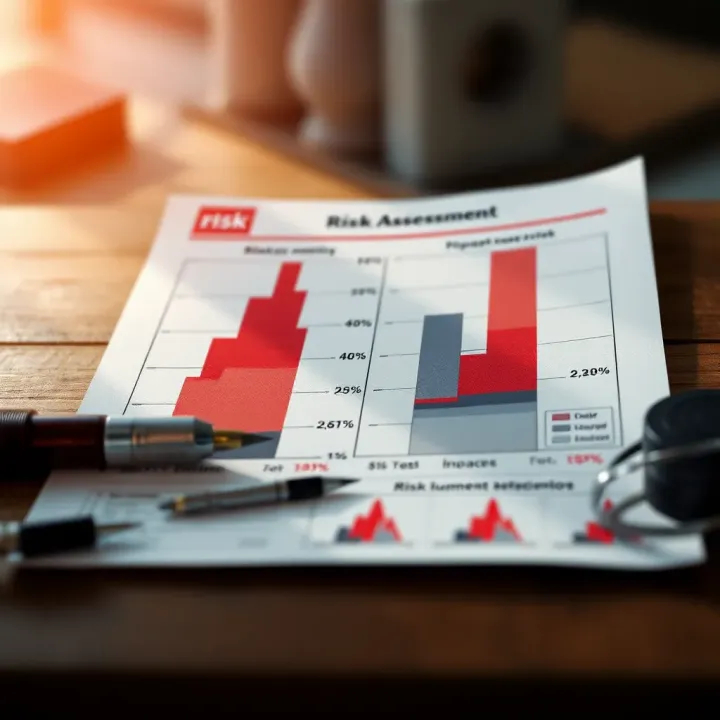
Explore practical tips for enterprise risk management 🛡️ tailored to Kenyan businesses. Learn to identify, assess, and manage risks with clear steps and best practices.
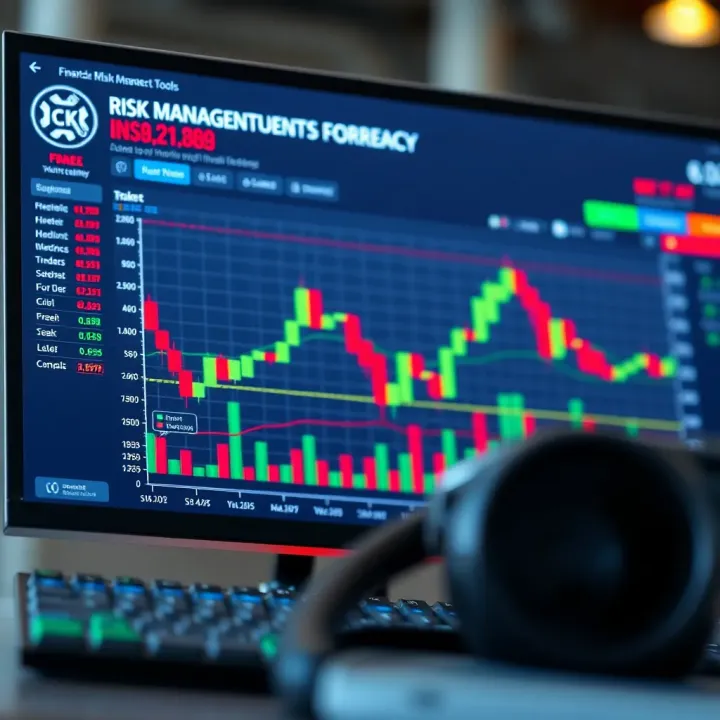
Master forex risk management in Kenya 🇰🇪 with tips on setting limits, stop-loss orders, and position sizing to protect your investments confidently 💹.

Explore how Enterprise Risk Management (ERM) frameworks help Kenyan businesses identify, assess, and manage risks effectively ⚖️ Learn practical steps for strong ERM.
Based on 5 reviews