
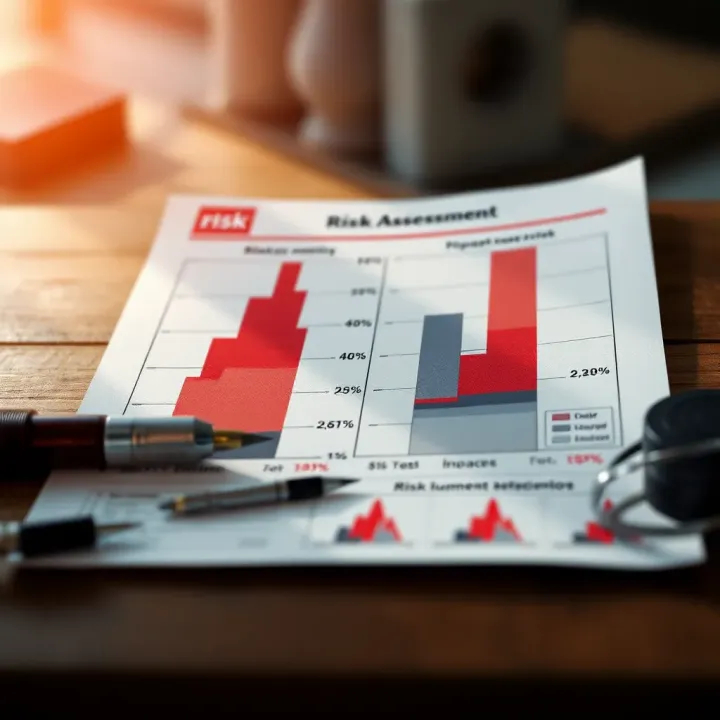
Enterprise Risk Management Guide for Kenyan Businesses
Explore practical tips for enterprise risk management 🛡️ tailored to Kenyan businesses. Learn to identify, assess, and manage risks with clear steps and best practices.
Edited By
Oliver Grant
Project risk management is the process of spotting, analysing, and handling potential issues that could disrupt a project’s progress or outcome. In the Kenyan context, where projects—from infrastructure to technology—often face unique challenges, risk management becomes a practical tool to avoid costly delays or failures.
Unlike some approaches that treat risk as unpredictable, effective risk management sees risk as something you can prepare for. For instance, a construction project in Nairobi might face risks like delayed delivery of materials due to traffic jams or fluctuating costs of cement and steel. Identifying these risks early allows the project team to develop backup plans, such as securing multiple suppliers or budgeting for price variations.
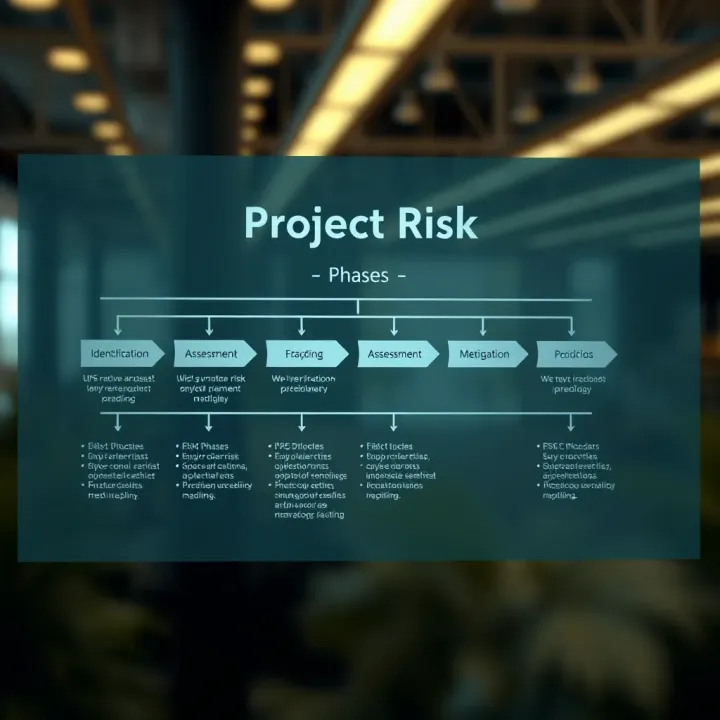
Key steps in managing project risks include:
Risk Identification: Listing likely risks based on the project scope and environment
Risk Assessment: Evaluating the probability and impact of each risk
Risk Control: Developing strategies to reduce, transfer, avoid, or accept risks
Monitoring: Continuously tracking risks throughout the project’s life
An example from the Kenyan fintech sector is when a team developing a payment app anticipates regulatory changes that might affect compliance. By staying updated with the Central Bank of Kenya regulations and having contingency plans, the team keeps the project on track.
"Good risk management is not about avoiding risk completely but handling it wisely to ensure smoother delivery and better use of resources."
Various tools help with this process, including risk registers—a simple table tracking risks, their status, and mitigation actions—and scenario analysis, which explores different future possibilities affecting the project.
In Kenya’s dynamic business environment, involving all stakeholders, from funders to local communities, ensures diverse perspectives on potential risks. This collaborative approach makes risk management more effective and grounded in on-the-ground realities.
Managing risks properly boosts investor confidence, protects resources, and increases the chances of project success, especially important in sectors like real estate, agriculture, and energy where investments stretch over years and millions of shillings. Applying these risk management principles will help Kenyan traders, investors, and finance professionals navigate their projects with fewer surprises and better outcomes.
Project risk management is about spotting potential problems early and planning how to deal with them. In the context of Kenyan projects, where uncertainties like fluctuating exchange rates, regulatory changes, or infrastructure delays are common, being proactive about risks can save a project from costly setbacks or complete failure. For example, a construction company building a road in a rural county might face unexpected heavy rains disrupting the schedule — identifying this risk upfront helps to plan alternative timelines or extra resources.
At its core, project risk management means identifying, analysing, and responding to events or conditions that can affect a project’s objectives. The purpose is not just to avoid problems but also to make sure the project delivers on time, within budget, and meets quality standards. For instance, when an agricultural project plans to introduce a new crop variety, risk management might involve evaluating pest resistance risks, market acceptance, and climatic conditions.
Without proper risk management, projects can face delays, cost overruns, or fail altogether. Managing risks builds resilience and lets project teams prepare for uncertainties. It supports better decision-making by providing a clearer picture of what might go wrong and what can be done. Taking the example of a fintech startup in Nairobi launching a new app, understanding risks like cybersecurity breaches or customer adoption challenges helps set realistic goals and safeguards investments.
Good risk management turns surprises into manageable issues, improving the chances of a project’s smooth success.
Though often used interchangeably, risk and issue management address different project realities. Risks are potential problems that might happen, while issues are problems that have already emerged. For example, a Kenya-based exporter faces the risk of forex restrictions, which may or may not occur. An issue would be an actual customs delay already affecting shipment. Risk management focuses on anticipating and mitigating uncertain events, while issue management deals with solving problems as they arise.
Understanding these distinctions helps project teams respond appropriately, ensuring risks don’t turn into issues and issues are resolved quickly to keep the project on track.
Managing risks effectively is vital for Kenyan projects, where unexpected challenges can quickly escalate costs or delay delivery. Understanding the key steps in project risk management helps traders, investors, and finance professionals anticipate threats and prepare appropriate responses. These steps ensure that risks are not just identified but properly analysed, planned for, and controlled throughout the project lifecycle.
Risk identification is the first step and involves pinpointing potential threats that could affect the project. This is not limited to obvious dangers but includes subtle internal or external factors. For example, a construction project in Nairobi might identify risks like fluctuating material prices or delays due to county-level permit approvals. Tools such as brainstorming sessions with the project team or consultation with stakeholders help surface these threats early. Proper identification prevents surprises and lays the groundwork for informed decision-making.
Once risks are identified, the next step is to analyse their likelihood and potential impact. This assessment enables project managers to prioritise risks based on severity rather than treating all risks equally. For instance, a financial risk such as currency fluctuations might carry a high impact but low probability, while operational delays due to power outages might occur more frequently. Using qualitative methods like expert judgment or quantitative approaches like probability-impact matrices helps measure this. This step guides resource allocation to where it matters most.
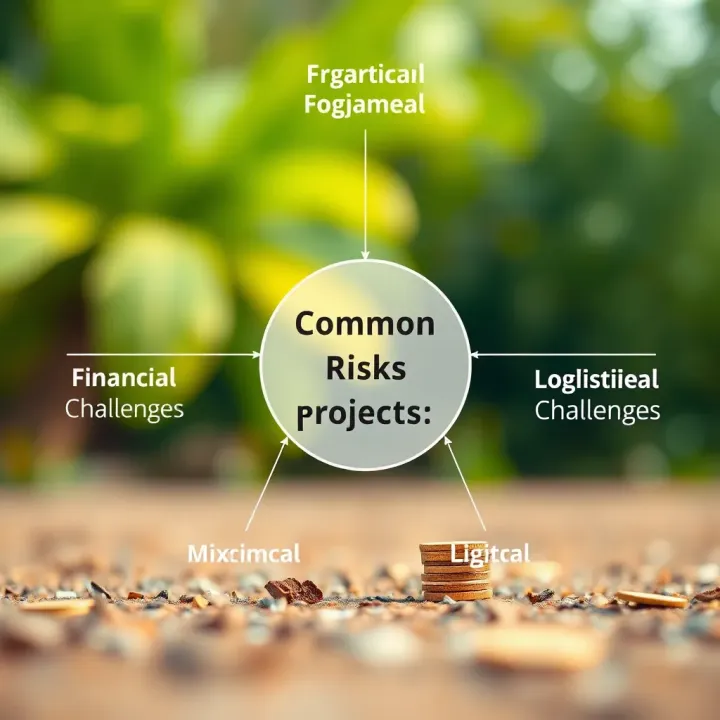
This stage focuses on defining measures to address each significant risk. Responses can include avoiding the risk, reducing its impact, transferring it (through insurance or contracts), or accepting it if the cost of mitigation is too high. Consider a renewable energy project in Kisumu where technical failure risk is high. Here, the team may opt to mitigate by investing in quality control or transfer risk via supplier warranties. Clear response plans ensure swift action if risks materialise, reducing project disruption.
Risk management is an ongoing process that requires continuous tracking of identified risks and scanning for new ones. Regular updates and reviews help keep risk responses relevant as projects evolve. For Kenyan projects, this might mean monitoring regulatory changes or inflation trends quarterly, adjusting plans promptly. Tools like risk registers are updated continuously, enabling teams to spot early warning signs and avoid costly surprises.
Effective risk management balances preparedness and flexibility. By following these key steps, Kenyan project professionals can safeguard investments, meet timelines, and build confidence among stakeholders.
In summary, these steps form a cycle that ensures risks are dealt with systematically rather than reactively. Being thorough and proactive with risk steps lets projects cope efficiently with the unique challenges of doing business in Kenya's dynamic environment.
Understanding common risks in Kenyan projects is key to managing uncertainties that may impact project success. Kenyan projects often face specific challenges arising from local economic conditions, governance, and environmental factors. Being aware of these common risks helps project teams prepare better and reduce unforeseen setbacks.
Financial risks include budget overruns, delayed funding, and currency fluctuations. For example, a construction project in Nairobi might face increased costs due to sudden changes in construction material prices or delays in disbursement of funds from investors or government bodies. Budget overruns are common when there is poor cost estimation or scope creep. Companies need strict cash flow management and alternative financing options to handle these uncertainties.
Kenyan projects must comply with multiple regulations from national bodies like NEMA (National Environment Management Authority) and county governments. Delays in obtaining permits or failing to meet compliance standards can stall projects significantly. For instance, a manufacturing project without proper environmental impact assessments might face fines or shutdowns. Staying updated with regulatory changes and engaging local authorities early helps avoid these issues.
Operational challenges often arise from inadequate skills, equipment failure, or supply chain disruptions. A solar power project in rural Kenya can be stalled if the technical team is not skilled enough or if key equipment gets delayed or breaks down. Also, poor site management and communication gaps within the project team contribute to these risks. Investing in local capacity building and reliable suppliers reduces such risks.
Projects in Kenya often face environmental and social concerns that can lead to community resistance or legal challenges. For example, a road project crossing sensitive ecosystems or private land may provoke community protests or legal actions. Ignoring local customs, failing to conduct social impact assessments, or inadequate compensation plans can escalate conflicts. Early involvement of community leaders and transparent communication eases social risks.
Recognising these common risks helps Kenyan project managers tailor mitigation strategies that fit local realities, ensuring smoother execution and better outcomes.
These risks are interconnected; financial strain can worsen operational efficiency, just as social disputes may delay regulatory approvals. For Kenyan projects, understanding this mix of financial, compliance, technical, and social risks makes risk management actionable and effective.
Having the right tools and techniques can make managing project risks a lot smoother. In Kenyan projects, where uncertainties like fluctuating exchange rates or changing county regulations are common, applying practical tools helps keep track of risks and their impacts. These tools also provide a clear overview, making it easier for investors, finance professionals, and project teams to decide how best to respond.
A risk register is the backbone of project risk management. It’s a simple yet powerful document listing all identified risks, their descriptions, likelihood, impact, and current status. For example, in a Nairobi construction project, the register might track risks like delayed material delivery or labour strikes. By updating it regularly, project managers can spot emerging threats early.
Alongside the register, the risk matrix categorises risks based on their probability and the severity of impact. This visual helps prioritise risks that deserve immediate attention. For instance, a risk with high likelihood but low impact may be monitored, while one with high impact and high probability calls for urgent action. You might find a 5x5 grid matrix effective, assigning risks scores from 1 (low) to 5 (high) on both axes, which gives a quick, clear risk landscape.
Risk analysis breaks down into two approaches. Qualitative analysis uses subjective assessment to classify the level of risk severity. It suits early project phases, especially when detailed data is scarce. Say a project team weighs the risk of delayed permit approvals as ‘high’ due to past experiences in Kisumu County.
Quantitative analysis, on the other hand, involves numbers—probabilities, cost implications, and timelines. It demands data and can include techniques like Monte Carlo simulations or Expected Monetary Value (EMV) calculations. For Kenyan projects with firm budget ceilings, knowing the potential financial impact of risks helps avoid nasty surprises and informs contingency fund allocation.
Digital tools have transformed risk management. Popular software like Microsoft Project, Oracle Primavera, or specialised risk management platforms offer functions from risk logging to analysis and reporting. These tools allow seamless updates, shared access among stakeholders, and automated alerts.
Locally, many projects also integrate M-Pesa payment tracking or supply chain software to monitor financial and operational risks in real time. This helps project teams react swiftly to cash flow issues or delivery delays.
Using the right combination of these tools ensures risks don’t slip through cracks, increasing chances of smooth project delivery on time and within budget.
In sum, adopting an organised risk register, applying thorough risk analyses, and leveraging appropriate software form a strong foundation to manage project risks effectively in the Kenyan context.
Clear roles and responsibilities are vital to managing project risks effectively. Assigning specific duties ensures risks are identified, assessed, and controlled promptly—preventing surprises that could derail projects. Kenyan projects often involve multiple parties, so clarity avoids overlaps or gaps that could leave risks unmanaged.
The project manager carries the main responsibility for risk management. They coordinate risk identification and develop response plans, keeping the project on track despite uncertainties. For example, in a road construction project in Kisumu, the project manager must monitor supply chain disruptions caused by seasonal rains and adjust timelines accordingly. Beyond spotting risks, the manager communicates issues to senior management and stakeholders, ensuring everyone understands potential impacts. They also lead risk reviews and adjust plans as new information emerges.
Project team members offer practical insights critical for spotting and managing risks early. Engineers, finance officers, and procurement staff each bring a unique perspective. For instance, a procurement officer working on a Nairobi housing development might flag risks in delayed approvals for building materials. When each team member actively shares concerns and updates, the team can respond to issues quickly. Their involvement also fosters a collaborative environment where risk management becomes everyone's responsibility rather than falling only on the manager.
Stakeholders—clients, suppliers, regulators, and the community—often influence or are influenced by project risks. Engaging them ensures critical risks are not overlooked. Take a hydropower project in Turkana: involving community leaders helps identify social risks like displacement concerns early on, enabling mitigation plans that respect local ties. Regular updates build trust and can unlock support when challenges arise. Stakeholder input also guides adjustments in risk response strategies, making plans more realistic and accepted.
Assigning clear risk management roles strengthens accountability, speeds up decision-making, and improves a project's chance of success.
In Kenyan project settings, effective risk roles cut through typical challenges like communication bottlenecks and fragmented oversight. By clearly defining who handles what, projects stay adaptive and better positioned to meet delivery goals on time and within budget.
Effectively managing project risks brings tangible benefits that can determine whether a Kenyan project succeeds or falls short. When risks are identified and handled early, projects stay on track, budgets are respected, and key stakeholders remain confident in the process. This section highlights how solid risk management practices lead to improved project outcomes, cost savings, and stronger relationships with stakeholders.
Managing risks well helps keep projects aligned with their goals and timelines. For instance, a construction project in Nairobi that identified potential delays due to permit processing could work proactively with county officials to avoid hold-ups. This foresight means the project meets its completion date instead of dragging on, which often costs more and frustrates all involved.
Clear risk management also allows teams to prioritise critical tasks and allocate resources correctly. When unexpected issues arise, they can respond quickly rather than scrambling in confusion. From infrastructure to tech rollouts, incorporating risk assessments in the planning stages is a common factor among successful Kenyan projects.
A major advantage of risk management lies in controlling costs. Projects often face hidden expenses from unforeseen challenges—like price hikes in raw materials or sudden equipment breakdowns—which can blow budgets wide open. Anticipating these risks gives the project team room to negotiate better deals, schedule maintenance earlier, or build contingency funds.
For example, an agribusiness project in Rift Valley that tracked weather-related risks could schedule planting and harvesting to avoid heavy rains, thereby protecting crops and avoiding waste. Resources are thus used more efficiently rather than being wasted on recovery or replacements.
"Well-managed risks avoid surprises that cost money and delay progress."
Stakeholders—whether investors, clients, or local authorities—appreciate transparency and control over uncertainties. Regular updates on risk management efforts reassure them that the project team is on top of potential problems, which builds trust and long-term support.
In Kenyan projects, where community involvement and governmental approvals often play a big part, showing that risks are managed responsibly helps maintain good relationships. This can smooth the way during funding rounds or when negotiating with contractors and suppliers.
By managing risks well, projects not only avoid pitfalls but also build a reputation for reliability and professionalism in a competitive market.
Explore practical tips for enterprise risk management 🛡️ tailored to Kenyan businesses. Learn to identify, assess, and manage risks with clear steps and best practices.
Master forex risk management in Kenya 🇰🇪 with tips on setting limits, stop-loss orders, and position sizing to protect your investments confidently 💹.

📊 Explore key financial risk management concepts and tools to pinpoint, assess, and control risks. Essential insights for Kenya's professionals and businesses.
Manage financial risks like a pro! Learn key strategies and practical tips tailored for Kenyan businesses to identify, assess, and reduce financial losses 📉💼
Based on 11 reviews