
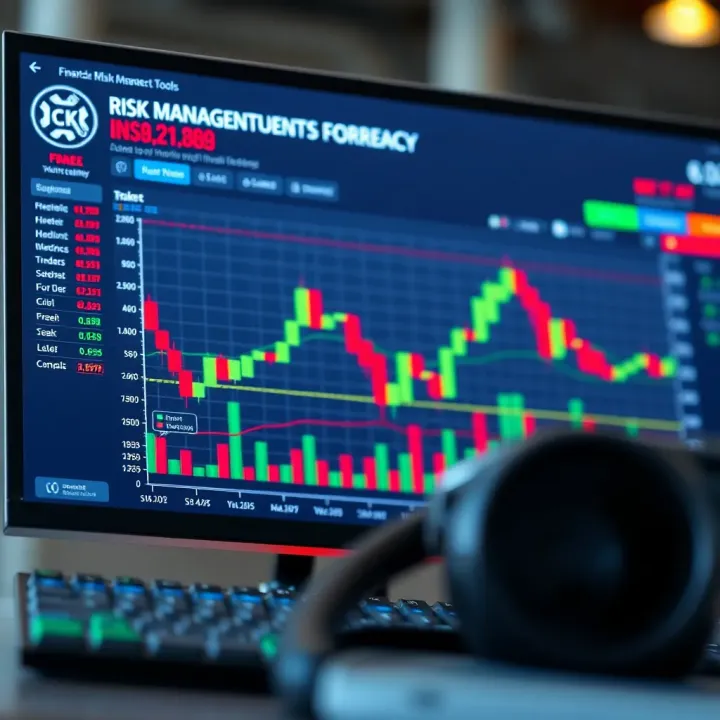
Smart Forex Risk Management for Kenyan Traders
Master forex risk management in Kenya 🇰🇪 with tips on setting limits, stop-loss orders, and position sizing to protect your investments confidently 💹.
Edited By
Oliver Bennett
Risk management is more than just a buzzword in Kenya's business scene—it’s a necessity. With the shifting economic landscape, increasing competition, and evolving regulations, the ability to identify and control potential risks separates thriving businesses from those struggling to stay afloat.
For traders, investors, brokers, and analysts, understanding risk management means securing your capital, maintaining steady operations, and avoiding costly mistakes. Imagine a small manufacturing firm in Nairobi facing an unexpected supply chain disruption. Without proper risk strategies, delays might pile up, leading to missed sales and angry customers. However, with risk management in place, the firm can quickly reroute orders or negotiate new contracts, minimising losses.

Kenyan organisations face varied risks, from currency fluctuations and political changes to cyber threats and compliance demands by authorities like the Kenya Revenue Authority (KRA) or Capital Markets Authority (CMA). Risk management helps navigate these challenges by:
Identifying threats early: Spotting potential issues such as unstable foreign exchange rates or new tax laws
Assessing impact: Measuring how severe a disruption could be on finances or reputation
Planning responses: Preparing mitigation strategies like insurance, diversified investments, or internal controls
"A business without risk management is like navigating the matatu stage without knowing the routes—you’re bound to end up somewhere you didn’t plan for."
Moreover, properly managed risks build confidence among stakeholders. Investors are more likely to back companies that show readiness for uncertainty. Traders can better predict market movements when they understand risk exposure. Compliance with regulatory requirements avoids penalties and protects licences to operate.
In Kenya's fast-moving and sometimes unpredictable markets, risk management supports long-term sustainability. It keeps organisations alert, adaptable, and prepared for challenges, shielding them from financial shocks and helping maintain smooth day-to-day running. This foundation is critical for anyone involved in the financial and business sectors looking to secure a competitive edge and build resilience.
Having said that, the rest of this article will explore common business risks specific to Kenya and share practical strategies that firms can use to build a strong culture of risk management.
Risk management plays a significant part in ensuring that businesses and organisations in Kenya stay afloat and succeed amid uncertainties. It helps identify potential threats early and provides ways to handle them before they escalate into major issues. This proactive approach not only protects financial interests but also strengthens the overall operation of the business.
Kenyan industries face diverse risks depending on their nature and operating environment. For instance, agriculture suffers from weather variability like droughts or floods, while manufacturing businesses might grapple with supply chain disruptions due to transport inefficiencies or strikes. Security risks such as theft and cyber threats have also increased, affecting both urban and rural enterprises.
Economic and political changes in Kenya often have direct impacts on business risks. Fluctuations in the shilling's value can influence import and export costs, affecting profit margins. Similarly, political shifts like elections or policy reforms can trigger regulatory changes or market instability. For example, increased taxation measures or shifts in trade laws create uncertainty that risks must anticipate.
Sector-specific risks add another layer of complexity. The tourism industry, for example, depends heavily on stable security and global travel trends, so any sudden unrest or disease outbreaks can sharply reduce visitor numbers. On the other hand, financial services must stay alert to fraud and compliance risks, especially with evolving regulations from authorities such as the Capital Markets Authority (CMA).
One of the most immediate reasons to manage risk is to prevent financial losses. Businesses that fail to recognise and prepare for risks—such as defaults on payments, theft, or equipment failure—can face severe cash flow problems or even bankruptcy. Take, for example, a retail shop that has not insured against fire; a single incident can wipe out its entire capital.
Besides money, reputation and brand hold immense value. A company that handles complaints poorly or suffers a public product failure can lose customer trust rapidly. Risk management helps by setting procedures to address such issues swiftly, avoiding long-term damage that can reduce market share and investor confidence.
Ensuring operational continuity during disruptions is another crucial benefit. Kenyan businesses often face interruptions from power outages, political protests, or extreme weather. Having a risk management plan allows for quick response and recovery, such as backup power systems or alternative supply routes. This minimises downtime and keeps clients and stakeholders confident in the business’s reliability.
Effective risk management is not just a defensive measure but a strategic tool that supports sustainable growth and competitiveness.
By understanding and mitigating risks specific to their environment, Kenyan businesses can protect their assets better and position themselves for steady success even in an unpredictable market.
Implementing risk management offers clear advantages for Kenyan businesses and organisations, helping them not only avoid pitfalls but also seize opportunities effectively. It provides a structured approach that sharpens decision-making, keeps businesses compliant with regulations, and supports steady growth in a competitive market.

Data-driven risk assessments form the backbone of solid decision-making. When a company gathers accurate data about potential risks—such as market fluctuations, credit exposure, or supply chain interruptions—it can make more informed choices. For instance, a Nairobi-based exporter using data analytics might spot trends in currency movements or shipping delays early, allowing them to adjust contracts or diversify markets ahead of time.
This approach reduces guesswork and helps allocate resources where they matter most. Rather than reacting to problems as they arise, businesses anticipate challenges and plan accordingly, increasing their chances of success.
Balancing opportunity and threat is essential to effective risk management. It’s not just about avoiding losses; it’s equally about knowing when to take calculated risks. Traders on the Nairobi Securities Exchange (NSE), for example, weigh market volatility against potential returns to decide when to buy or sell.
Having a risk framework encourages organisations to consider the upsides alongside the dangers. This balanced view supports growth initiatives like entering new markets or launching products while keeping exposure manageable.
Meeting Kenya Revenue Authority (KRA) requirements is critical for businesses to avoid penalties and maintain smooth operations. Risk management ensures that tax filings, payments, and documentation are timely and accurate, reducing the risk of audits or fines. Many SMEs find it useful to integrate KRA compliance checks into their financial processes, making it easier to spot and correct errors early.
Adhering to sector regulations protects a company’s licence to operate. Whether in finance, manufacturing, or agriculture, each sector in Kenya has its own standards—from CMA guidelines for capital markets firms to KEBS quality controls for products. A good risk management system monitors these regulations closely, helping businesses keep up with changes and avoid costly breaches.
Building stakeholder trust results from transparent and responsible management of risks. Investors, suppliers, and customers are more confident dealing with organisations that demonstrate control over potential pitfalls. For example, banks and lenders often favour clients with clear risk strategies when considering loans, while consumers prefer brands with consistent quality and service.
Trust doesn’t build overnight, but consistent risk management helps maintain and strengthen these vital relationships over time.
Reducing unexpected costs is one of the most direct benefits. When a business identifies risks like equipment failure or currency swings early, it can budget for contingencies or invest in mitigation measures. For example, a retailer in Mombasa might secure multiple suppliers to avoid stockouts during supply chain disruptions, thus avoiding loss of sales.
Adapting to market changes helps organisations stay relevant. Kenyan businesses that track risks related to competition, consumer preferences, or technology shifts can adjust pricing, marketing, or product lines before falling behind. The rise of mobile money payments illustrates how quick adaptation to technology changes can position a company ahead of others.
Attracting investors and partners becomes easier with a solid risk management reputation. Domestic and foreign investors are keen on businesses that demonstrate clear awareness and control of potential hazards. A company that can explain its risk framework clearly shows maturity and readiness for collaboration, securing better financing and partnership deals.
Implementing risk management isn’t just about defence – it helps Kenyan businesses thrive despite uncertainties by enhancing decision-making, compliance, and growth prospects. Ultimately, these benefits contribute to stronger, more resilient organisations that can navigate the twists and turns of today’s market conditions.
Risk management is essential, but it doesn't come without hurdles, especially in Kenya's diverse business environment. Many organisations face difficulties like spotting new threats, juggling limited resources, and creating a workplace that truly values risk awareness. Tackling these challenges head-on keeps businesses resilient and ready for change.
Technology and structured tools can help firms spot risks before they escalate. For example, many Kenyan businesses use software like RiskWatch or simple spreadsheet-based risk registers to track and analyse potential threats regularly. These tools help transform scattered information into clear insights, making it easier for decision-makers to act swiftly. This is crucial in sectors like agribusiness, where weather patterns and market demands can shift rapidly.
Staff across all levels often have firsthand knowledge of risks, whether from client interactions or daily operations. Encouraging open communication allows companies to tap into this pool of knowledge. At the same time, bringing in external experts — such as industry consultants or risk advisers — can provide fresh perspectives on emerging challenges. For instance, a Nairobi-based tech startup might benefit from cybersecurity experts to anticipate hacking threats that in-house teams might not yet see.
SMEs often operate on tight budgets, making high-end risk management software or consultants out of reach. However, low-cost or free tools exist, such as basic risk assessment templates or community risk-sharing groups. SMEs in Kenya can also utilise free online resources or collaborate with regulatory bodies like KRA for guidance on compliance-related risks. These cost-effective approaches help smaller firms stay protected without breaking the bank.
With limited funds, SMEs must focus on the risks that pose the biggest threat to survival. This means ranking risks based on potential impact and likelihood — for example, prioritising cash flow delays over minor equipment repairs. By targeting their efforts, businesses can avoid spreading themselves too thin and address the most pressing vulnerabilities first. A local manufacturer might concentrate on supply chain disruptions over less immediate concerns.
Employees are the frontline defence against risks. Regular training sessions build awareness and equip staff with the knowledge to identify and report risks early. In Kenya, these can be practical workshops or simple briefings tailored to local contexts, such as recognising fraud attempts linked to mobile money transactions like M-Pesa. Clear communication helps everyone understand their role in protecting the business.
Risk management becomes effective only when leadership sets the tone at the top. Leaders must model risk-aware behaviour, allocate resources, and encourage transparency. For example, when company heads openly discuss risks in management meetings, it signals to staff that dealing with uncertainties is a priority. This commitment fosters trust and motivates the whole organisation to adopt safer practices.
Taking on these common challenges equips Kenyan businesses to handle risk actively rather than reactively, paving the way for smoother operations and growth even amid uncertainty.
Establishing practical steps for risk management is essential for Kenyan businesses to stay ahead of disruptions and safeguard their operations. Clear frameworks and systematic approaches help organisations anticipate challenges and respond effectively, especially amid Kenya's shifting economic and regulatory environment. This section outlines tangible actions businesses can take to build a solid risk management foundation.
Setting policies and procedures forms the backbone of a risk management framework. These policies define how risks should be identified, assessed, and mitigated across the organisation. For example, a manufacturing firm in Nairobi might establish procedures for handling supply chain interruptions caused by transport strikes or fuel shortages common in the region. Without documented policies, response efforts tend to be inconsistent, leading to operational delays or increased costs.
Assigning roles and responsibilities is equally crucial. Risk management should not fall solely on a single department but requires participation from all levels. In many Kenyan SMEs, the managing director might wear multiple hats; still, it helps to designate clear roles such as a risk officer, finance lead, or compliance manager. This division improves accountability. For example, during the 2020 regulatory changes on tax compliance, companies with well-assigned roles managed their KRA filings smoothly compared to those scrambling last minute.
Businesses apply qualitative and quantitative methods to evaluate risks. Qualitative methods involve describing risk impacts — for instance, estimating reputational damage from a product recall. Quantitative methods add numbers, such as calculating potential financial losses if a key supplier defaults, using historical data and market trends. Kenyan agribusinesses may rely on rainfall projections and price volatility data to quantify risks affecting crop yields. Combining both approaches strengthens decision-making by balancing subjective insights with hard facts.
Risk matrices and scoring help further by visually classifying risks according to their likelihood and impact. A risk matrix can highlight that a low-likelihood but high-impact event — like a sudden fuel shortage during a festive season causing delivery delays — deserves urgent attention. Kenyan importers might score risks related to port congestion, allowing them to prioritise alternative sourcing strategies. These tools simplify complex data, making risk ranking and resource allocation more straightforward.
Regular audits and updates keep the risk management system relevant. Often, risks evolve rapidly due to external factors such as political changes or global market shifts. For example, an energy company operating in Kenya will need frequent reviews to track regulatory reforms on renewable energy that could affect project viability. Scheduled audits identify gaps in controls and help update mitigation strategies before issues grow.
Responding to changes in the risk landscape ensures resilience. Businesses must stay alert to new threats or opportunities. Take the rise of mobile money fraud; many Kenyan retailers have since adapted by enhancing transaction monitoring and staff training. Being proactive rather than reactive preserves assets and customer trust. Adaptability is key — for instance, adjusting supply chains quickly when border closures disrupt imports benefits exporters and wholesalers alike.
A practical and ongoing approach to risk management transforms uncertainty into manageable challenges, helping Kenyan businesses safeguard profits and build competitive advantage.
By focussing on these practical steps, organisations can create robust systems that do more than react — they prepare businesses to thrive despite Kenya’s dynamic environment.
Master forex risk management in Kenya 🇰🇪 with tips on setting limits, stop-loss orders, and position sizing to protect your investments confidently 💹.
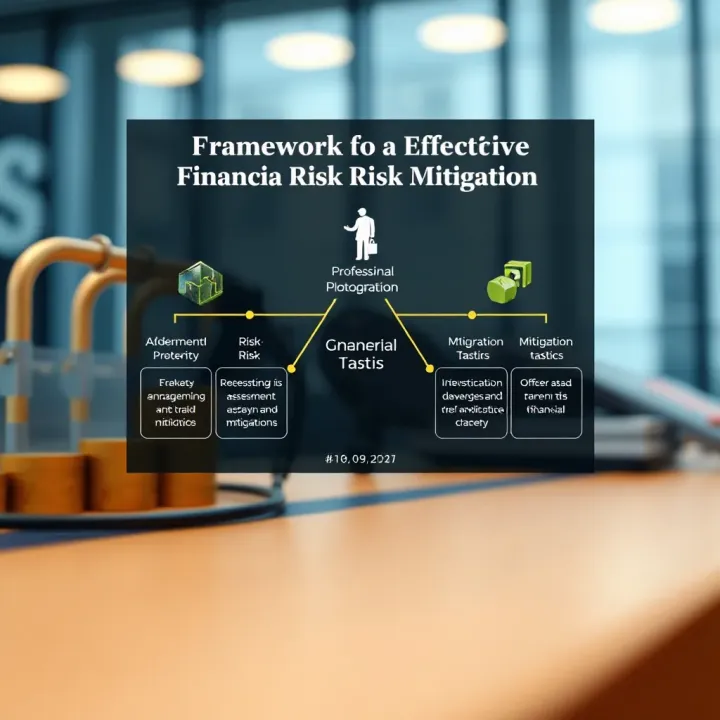
Manage financial risks like a pro! Learn key strategies and practical tips tailored for Kenyan businesses to identify, assess, and reduce financial losses 📉💼

Explore practical tips for enterprise risk management 🛡️ tailored to Kenyan businesses. Learn to identify, assess, and manage risks with clear steps and best practices.

Explore practical disaster risk management in Kenya 🌍 with strategies on risk assessment, preparedness, response & recovery to protect communities effectively.
Based on 6 reviews