

Benefits of Risk Management for Kenyan Businesses
Discover how effective risk management in Kenyan businesses safeguards assets, boosts decision-making, reduces losses, and strengthens stakeholder trust 📊🤝
Edited By
Henry Lawson
Risk management isn’t just a fancy term for big companies. For Kenyan traders, investors, brokers, and finance professionals, understanding how to manage risks can protect your resources and improve your decision-making. A risk management framework acts like a map, guiding you on how to identify what can go wrong, assess how serious these risks are, and decide what to do about them.
In practical terms, this framework helps businesses prepare for challenges such as currency fluctuations, delayed payments via M-Pesa, or regulatory changes by bodies like the Capital Markets Authority (CMA). Kenyan organisations face many uncertainties, from unstable supply chain costs due to fluctuating fuel prices to shifts in consumer demand caused by economic cycles or election periods.
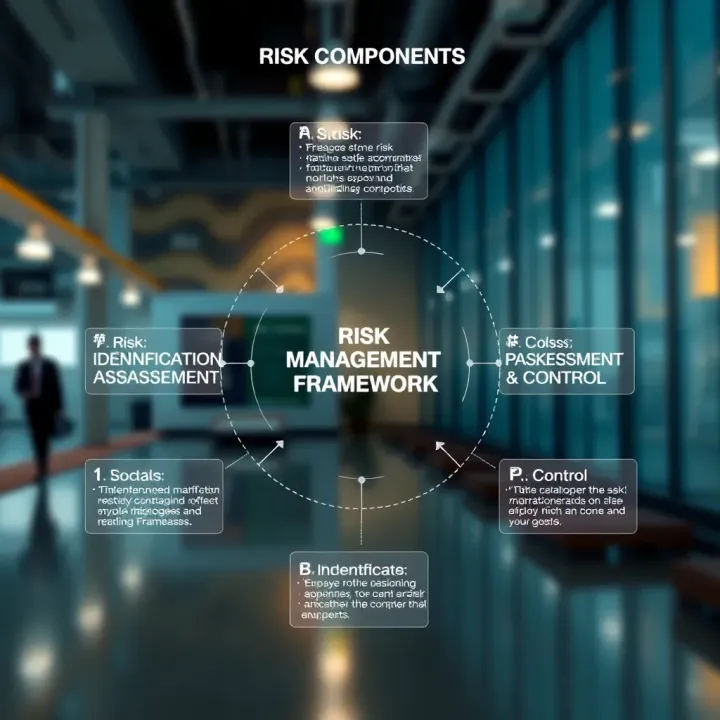
A well-structured risk management framework keeps you a step ahead—minimising surprises and helping you respond effectively to setbacks.
Typically, the framework includes five core steps:
Risk Identification – Spotting threats like credit defaults, market volatility, or fraud.
Risk Assessment – Measuring risks by their likelihood and impact, for example, how much delayed payments might affect cash flow.
Risk Control – Implementing measures such as diversifying investments or using insurance cover.
Monitoring – Keeping an eye on risk indicators regularly, like changes in interest rates or regulatory announcements.
Communication – Sharing risk information with stakeholders including partners, investors, and regulators.
For instance, an investment firm may face a risk if Kenya shilling weakens significantly against the dollar, affecting returns from foreign bonds. Using the framework, the firm can assess this currency risk, hedge it partially, monitor exchange rates, and keep clients informed.
Applying this framework isn’t costly or complicated. Even small enterprises or investors can start by documenting risks relevant to their business or portfolio and tracking them regularly. This way, organisations build resilience and better safeguard their financial health.
Understanding and adopting a risk management framework offers Kenyan organisations a practical tool to stay prepared and make informed choices in a fast-changing economy.
A risk management framework is essentially a structured approach that helps organisations identify, assess, and manage risks that could affect their operations and objectives. It is not just about spotting risks but setting in place clear processes and responsibilities to handle them effectively. For instance, a Kenyan investment firm might face risks like currency fluctuations or regulatory changes; a sound framework ensures these risks are identified early, evaluated properly, and mitigated through defined strategies like diversification or compliance checks. This structure provides consistency in addressing uncertainties and ensures everyone from board members to operational staff knows their role in managing risks.
The purpose of the framework is to protect the organisation’s objectives, be it financial growth, reputation, or operational continuity. It serves to reduce surprises that can cause losses or disrupt services. Without it, decisions become reactive and scattered, often leading to costly consequences. By having a framework, businesses build resilience and are better placed to respond to unexpected events.
Kenyan organisations operate in a dynamic environment marked by factors like political shifts, economic variability, and technological change. For example, an agribusiness could be disrupted by unpredictable weather patterns during the long rains or supply chain issues driven by fuel price fluctuations. A risk management framework helps such businesses anticipate these kinds of risks and plan accordingly.
Moreover, regulatory compliance is a growing demand in Kenya, with agencies like the Capital Markets Authority (CMA) and Central Bank of Kenya (CBK) tightening oversight. Organisations without proper risk management may face penalties or lose investor confidence. Implementing a framework supports compliance by embedding controls that ensure laws and guidelines are followed.
Beyond compliance, investors and partners increasingly expect robust risk practices before committing capital. A framework sends a strong signal that the organisation understands and manages its risks, thereby attracting better financing terms. It also promotes better decision-making by providing data-backed insight on potential risks, helping executives avoid poor investments or projects.
A well-structured risk management framework is not a luxury but a necessity for Kenyan businesses aiming to safeguard their future and thrive amid uncertainty.
In practice, even small and medium-sized enterprises (SMEs) benefit from a simplified risk framework tailored to their scale, such as regularly reviewing cash flow or client credit risks. Larger firms might use software tools alongside their risk frameworks to track and report risks to management in real-time.
Having a clear risk management framework transforms risks from hidden threats into manageable issues. This shift empowers Kenyan organisations to face challenges head-on while seizing opportunities with confidence.
A risk management framework is built around key elements that help organisations systematically manage risks. For Kenyan traders, investors, and financial professionals, understanding each component is vital to reduce losses and enhance decision-making. These core elements form a continuous cycle—identifying, assessing, controlling, and monitoring risks—that keeps businesses agile amid uncertainty.
Risk identification is the first step and sets the stage for all further actions. It involves spotting potential threats that could derail business objectives. For example, a forex trader in Nairobi might identify currency exchange fluctuations or regulatory changes as risks. Techniques include brainstorming with relevant teams, reviewing historical data, and monitoring the broader economic environment. The goal is to have a clear map of what could go wrong before it happens.
After risks are identified, assessing their likelihood and impact guides prioritisation. Kenyan enterprises often face both operational risks, like power outages, and financial risks such as defaulting debts. Assessment methods range from qualitative ratings (high, medium, low) to quantitative measures like expected financial loss. This evaluation lets organisations focus resources on the most threatening risks, avoiding wasted time on negligible issues. For instance, a stockbroker might calculate potential losses from market volatility to adjust their strategies accordingly.

With assessed risks in hand, organisations design controls to reduce or eliminate exposure. Controls could be preventive, such as installing backup power systems, or corrective, like clear recovery procedures after cyberattacks. For Kenyan SMEs dependent on M-Pesa payments, risk controls might include daily transaction monitoring to spot anomalies quickly. Deciding on the most cost-effective controls considering the business context is key. Sometimes accepting minor risks is wiser than expensive controls that offer little benefit.
Risks evolve, so continuous monitoring ensures controls remain effective and new risks are caught early. Monitoring can involve automated systems or regular management reviews. Kenyan investors might track economic indicators or political developments that influence market conditions. Regular audits and risk reporting create transparency and allow timely responses. Updating risk registers and adapting control measures keeps organisations resilient amid changing environments.
Effective risk management depends on the interplay of these elements. Skipping any step weakens the whole framework, exposing the organisation to surprises.
In summary, Kenyan businesses that apply these core elements can expect clearer insights into their risk landscape, better preparedness for shocks, and stronger confidence among stakeholders. The process is dynamic and requires commitment, but the payoff is a more secure foundation for growth and investment.
Small and medium-sized enterprises (SMEs) form the backbone of Kenya’s economy, powering jobs and innovation across towns and cities. Building a risk management framework tailored specifically to these businesses can help them stay resilient amid challenges such as currency fluctuations, supply chain disruptions, or regulatory changes. Unlike large corporates, Kenyan SMEs often juggle limited resources and face unique local market dynamics, so their frameworks must be both practical and adaptable.
A one-size-fits-all risk framework rarely fits Kenyan SMEs well. Instead, it’s essential to consider the specific risks relevant to the sector and location. For instance, a maize farming cooperative in Uasin Gishu will prioritise risks like weather variability and pest outbreaks, while a Nairobi-based retail outlet needs to focus more on theft prevention and fluctuating consumer demand. SME owners should map risks based on their operations, customers, suppliers, and even community factors such as local political stability.
Customisation also means aligning the framework with business size and structure. Micro-enterprises may rely on simpler tools like spreadsheets or manual checklists, while medium-sized businesses can invest in digital solutions. This keeps the framework manageable and ensures everyone understands their role in risk control.
Technology increasingly plays a key role in helping Kenyan SMEs manage risks effectively. Tools such as cloud-based accounting software (e.g., QuickBooks, Xero) enable real-time financial tracking, flagging cash flow issues before they spiral. Mobile money platforms like M-Pesa allow businesses to handle payments safely, reducing cash handling risks.
In addition, simple digital risk registers or notification systems can alert managers to hazards or compliance deadlines. For example, a delivery company might use GPS tracking apps to monitor its fleet and reduce theft or delays. SMEs can find affordable apps tailored for their needs, balancing cost with functionality.
Even the best framework falls short if staff do not understand or engage with it. Successful Turkish restaurants in Nairobi, for example, involve all their workers—from chefs to waiters—in regular discussions about safety and customer service risks. This open approach builds ownership and sharpens risk awareness across the enterprise.
Similarly, SMEs should incorporate training that emphasises risk responsibilities. Involving managers in defining roles and reviewing risk reports fosters commitment and quicker response to emerging threats. Leadership buy-in is crucial; when top management shows genuine interest in risk matters, it filters down and becomes part of the daily business culture.
Effective risk management for Kenyan SMEs isn’t about overcomplicating processes but building frameworks that reflect real challenges, utilise accessible technology, and involve every team member in safeguarding the business.
This approach improves agility and helps SMEs navigate the sometimes turbulent Kenyan business environment, from fluctuating currency rates to shifts in consumer habits or county regulations.
A well-structured risk management framework provides a solid foundation for Kenyan organisations to handle uncertainties effectively. This framework helps businesses, from SMEs in Nairobi to large enterprises in Mombasa, to spot potential threats, plan ahead, and safeguard resources. Folowing this approach can improve operational resilience and protect investments, which is especially important given local challenges like fluctuating market prices or regulatory changes.
Implementing a risk management framework leads to sharper decision-making by providing clear insights into potential hazards and their impacts. For example, a horticulture export company in Naivasha might use the framework to assess risks related to weather changes or export regulations, allowing it to adjust planting schedules or diversify markets. With better foresight, management can prioritise resources effectively, plan budgets more accurately, and avoid costly surprises. This clarity saves time and reduces guesswork, enabling businesses to focus on growth rather than firefighting.
Risk management frameworks help Kenyan organisations limit losses by identifying early warning signs and putting controls in place. Consider a transport company relying heavily on matatus and bodaboda riders; by assessing risks such as vehicle breakdowns or accidents ahead of time, it can arrange maintenance schedules or driver training to reduce downtime and claims. Similarly, financial institutions using risk frameworks can detect fraud or credit risks earlier, safeguarding clients’ investments and maintaining trust. Such preventative measures reduce unexpected expenses and keep operations running smoothly.
Kenyan businesses face increasing scrutiny from regulators such as the Capital Markets Authority (CMA) and the Kenya Revenue Authority (KRA). A risk management framework helps organisations stay ahead by continuously monitoring compliance requirements and adapting to changes. For instance, an investment firm listed on the Nairobi Securities Exchange (NSE) can use the framework to ensure it meets reporting deadlines and disclosures, thus avoiding penalties or reputational damage. This proactive stance builds confidence with regulators, partners, and customers, supporting sustainable business growth.
A risk management framework isn't just about avoiding problems; it’s a tool to strengthen your business’s foundation, helping you plan smartly, control losses, and meet legal obligations with confidence.
By focusing on these benefits, Kenyan organisations position themselves to thrive even in challenging environments, making risk management a practical and indispensable part of their strategy.
Implementing a risk management framework comes with several common challenges that Kenyan organisations often face. Understanding these hurdles is key for traders, investors, finance professionals, brokers, and analysts seeking to keep their firms resilient. Addressing these challenges head-on helps businesses build stronger systems and avoid costly mistakes in an ever-changing economic environment.
One major obstacle is the limited awareness among staff about risk management concepts and the practical steps needed. Many organisations, especially small and medium enterprises (SMEs), have employees who lack formal training on identifying and managing risks. This gap often leads to inconsistent risk assessments or overlooking threats that may seem minor but can escalate quickly. For example, a local trading company might fail to spot the risk of currency fluctuations affecting import costs because the finance team isn’t trained to monitor exchange trends.
To overcome this, organisations should invest in tailored training programmes that are easy to understand and relevant to their operations. Workshops or short courses delivered by professionals can equip staff with practical tools to spot risks and report them timely. Encouraging a culture of continuous learning ensures that when new challenges arise, the team is better prepared to handle them.
Many Kenyan businesses operate within tight budgets, making it hard to allocate funds for comprehensive risk management efforts. Limited resources may restrict hiring dedicated risk officers, purchasing specialised software, or conducting frequent risk audits. For instance, a jua kali enterprise may rely solely on manual tracking without digital tools, increasing the chance of missing critical signals.
However, risk management doesn’t have to break the bank. Organisations can start small by setting clear roles among existing staff, using simple Excel sheets for risk registers, and prioritising high-impact risks first. Free online resources and partnerships with local business support centres can also ease costs. Over time, as the benefits of reduced losses and better decision-making show, more investments can be justified.
Change is often met with hesitation, especially when it affects established ways of working. Employees may fear additional workload or question the value of new procedures, leading to resistance that stalls risk framework adoption. A financial firm, for example, might see pushback from teams used to informal risk discussions not documented systematically.
To manage this, leadership must communicate clearly why risk management matters and how it safeguards jobs and reputation. Involving staff in designing the framework encourages ownership and reduces fear. Sharing early wins and showing how the framework supports smoother operations can turn sceptics into advocates. Ultimately, fostering an open dialogue helps teams embrace change as a tool for growth rather than a burden.
Addressing these challenges thoughtfully boosts the chances of embedding a risk management culture that stays strong amid Kenya’s dynamic business conditions, helping organisations protect assets and seize opportunities with confidence.
Implementing a risk management framework can seem overwhelming at first. However, breaking the process into practical steps makes it manageable and effective. For Kenyan organisations, especially those in trading, finance, and investment, these steps help create a clear picture of risks and how to handle them, strengthening everyday operations and long-term resilience.
The first step is to identify and evaluate risks relevant to your organisation. This means looking at everything from market volatility and credit risks to operational challenges like fraud or IT failures. For instance, a Kenyan SME relying on M-Pesa payments should assess the risk of network downtime disrupting cash flow. You can begin with workshops involving various departments to list risks, then prioritise them based on likelihood and impact. Using simple tools like risk matrices helps visualise which threats need urgent attention.
Regularly updating your risk assessment ensures you don’t miss emerging risks, especially in dynamic sectors like Nairobi’s financial markets where changing regulations or economic shifts can alter risk profiles quickly.
Clear accountability ensures every part of your risk management process runs smoothly. Assign specific roles for risk identification, assessment, and control. For example, your finance team might monitor credit exposures while HR handles risks linked to staff shortages or compliance. Making sure all teams understand their duties avoids gaps.
Establish a risk committee or designate a risk officer to coordinate efforts, monitor progress, and report to top management. This encourages ownership and speeds up decision-making when risks need swift responses.
Once risks and roles are defined, the next key step is setting up systems that keep track of risks and their controls. This doesn’t require fancy software; many Kenyan firms start with well-organised spreadsheets and scheduled review meetings.
Monitoring means regularly checking if the risks are changing or if controls are effective. For example, an investment firm might track market indicators weekly, while a jua kali enterprise ensures supplier reliability monthly.
Reporting structures should be clear—who reports what to whom, and how often. Well-structured reports keep everyone aware and help spot new risks early. Using dashboards or simple scorecards can make information easy to digest for decision-makers.
Taking these practical steps offers Kenyan organisations a solid foundation in risk management. It proves that with commitment and modest resources, businesses can protect themselves better and make more confident decisions in an often unpredictable environment.
Discover how effective risk management in Kenyan businesses safeguards assets, boosts decision-making, reduces losses, and strengthens stakeholder trust 📊🤝
Master forex risk management in Kenya 🇰🇪 with tips on setting limits, stop-loss orders, and position sizing to protect your investments confidently 💹.

📊 Explore key financial risk management concepts and tools to pinpoint, assess, and control risks. Essential insights for Kenya's professionals and businesses.

Explore how Enterprise Risk Management (ERM) frameworks help Kenyan businesses identify, assess, and manage risks effectively ⚖️ Learn practical steps for strong ERM.
Based on 11 reviews