

Benefits of Risk Management for Kenyan Businesses
Discover how effective risk management in Kenyan businesses safeguards assets, boosts decision-making, reduces losses, and strengthens stakeholder trust 📊🤝
Edited By
Daniel Foster
Risk management is not just a fancy term but a necessary practice for businesses in Kenya aiming to thrive in uncertain conditions. Whether you're running a shop in Nairobi, managing an investment portfolio, or operating an SME in Mombasa, managing risks effectively helps safeguard your operations and ensures you stay afloat even when challenges arise.
At its core, risk management means identifying potential threats, assessing their impact, and taking steps to control or minimise them. For Kenyan businesses, these risks often include currency fluctuations against the US dollar, supply chain interruptions during the rainy season, fluctuating fuel prices, or even political instability during election periods.

Why focus on risk management? Because it directly protects your assets and investments. Imagine a trader who neglects the rising cost of imports due to a weakening shilling and suddenly faces increased costs that wipe out profits. Proper risk strategies help anticipate and cushion such blows.
Moreover, managing risks improves decision-making. When you understand potential downsides and opportunities, you can prioritise investments, diversify supplier options, or choose hedging instruments like futures contracts where appropriate. This is especially crucial in Kenya's volatile market environment where external shocks like sudden tax changes or import restrictions can happen fast.
Well-managed risk is often the difference between a business surviving tough times or closing shop. It builds business continuity by ensuring you have plans in place for unexpected events.
Common methods include regular risk assessments, creating contingency funds, diversifying product lines, and securing adequate insurance cover. For instance, an exporter in Kisumu might hedge against shilling depreciation while also ensuring contracts include clauses to cushion against transport delays caused by infrastructure issues.
Businesses must also acknowledge local challenges: limited access to comprehensive data, varying enforcement of regulations across counties, and sometimes slow adaptation to digital risk tools. However, by integrating risk management into daily operations, Kenyan businesses are better positioned to protect their profits and remain competitive.
In this article, you'll learn practical approaches to handle these risks tailored to Kenya’s business landscape, helping you reduce exposure and safeguard your financial goals.
Risk management is a vital practice that helps businesses in Kenya identify, assess, and prepare for uncertain events that could affect their operations. It’s not just about avoiding losses but also about making better decisions and staying competitive in a challenging market. For traders, investors, and finance professionals, recognising the role of risk management can spell the difference between steady growth and unexpected setbacks.
In simple terms, risk management involves recognising potential threats to a business and developing strategies to handle them effectively. These risks could come from many areas such as financial markets, regulatory changes, operational challenges, or external shocks like economic downturns or natural disasters. The goal is to reduce the impact of these risks or to turn them into opportunities. For example, a Nairobi-based exporter might use risk management to hedge against foreign exchange fluctuations that could eat into profits.
Risk management isn’t about eliminating all risks—that’s impossible—but about balancing risk and reward wisely. By putting in place controls, monitoring threats, and preparing contingency plans, a business can protect its assets while pursuing growth.
Kenyan businesses face a unique mix of risks that make risk management especially important. Volatile currency rates, unpredictable weather patterns affecting agriculture, and evolving regulatory landscapes demand that businesses stay alert.
Take a small-scale maize farmer in Uasin Gishu County. Without proper risk management, a bad season due to drought or floods could wipe out the entire year’s income. Meanwhile, companies in Nairobi’s financial sector must navigate shifts in interest rates and lending policies that affect profitability.
More than that, risk management helps protect a business’s reputation, which is crucial in Kenya’s interconnected market. A bad incident—like failing to deliver on contracts or poor compliance with tax laws—can quickly damage trust among customers, partners, and regulators.
Effective risk management gives Kenyan businesses room to plan ahead and react swiftly, helping them stay afloat during tough times and seize new opportunities confidently.
In brief, understanding what risk management entails allows you to prepare for challenges realistically and keep your business running smoothly despite uncertainties. This approach not only safeguards your current operations but also builds a solid base for future investments and growth strategies.
Every Kenyan business hinges on solid assets and a good name. Protecting physical and financial resources keeps the enterprise running smoothly, while safeguarding reputation ensures ongoing trust with clients and partners. Neglect in these areas can lead to losses that take years to recover from, especially in the dynamic local market.
Physical assets like premises, vehicle fleets, inventory, and equipment form the backbone of many Kenyan businesses, from SMEs in Nakuru to large firms in Nairobi. It's vital to regularly inspect and maintain these to avoid costly breakdowns or losses. For example, a jua kali workshop that keeps its tools well secured and serviced will experience fewer disruptions than one that doesn’t.
On the financial side, disciplined bookkeeping and regular audits help spot irregularities early. Business owners should use digital tools like Safaricom’s Lipa Na M-Pesa systems integrated with accounting software for clear transaction trails. Equally critical is managing cash flow prudently to meet obligations such as rent, suppliers, and staff salaries without scrambling for short-term credit.
Insurance also plays a practical role in asset protection. Kenyan businesses can choose policies covering fire, theft, or public liability. This might seem like an additional cost but acts as a safety net, especially when unexpected events occur — like floods disrupting supply chains in Kisumu or a fire damaging stock in a downtown duka.
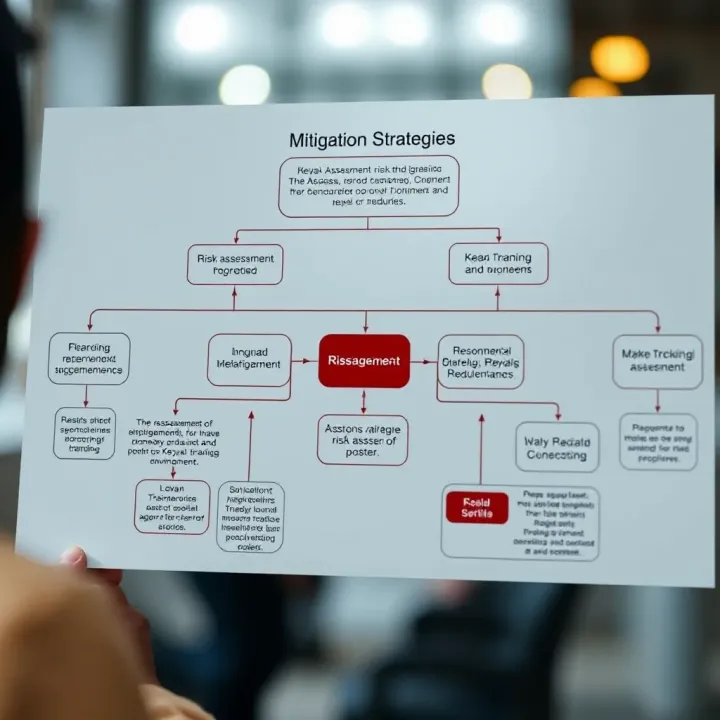
Neglecting physical and financial safeguards invites operational halt and heavy losses. A proactive approach is essential for survival and growth.
Trust acts like currency in Kenya’s business community. Once lost, it is hard to regain. Maintaining consistent quality and transparent communication with customers builds loyalty, which is key during economic fluctuations.
For example, an agro-dealer who openly provides clear expiry dates and genuine seeds earns customer confidence unlike those cutting corners. Similarly, partnerships thrive when each party respects contract terms and shares information freely, reducing misunderstandings.
Reputation also depends on handling complaints swiftly and fairly. Kenya’s digital age means negative reviews on platforms like Jumia or Google can spread fast, influencing many potential buyers. Businesses must therefore invest in customer service training and quick grievance redress mechanisms.
In summary, protecting assets and reputation in Kenyan businesses means both tangible actions like securing physical and financial resources and intangible efforts such as building loyalty and managing perception. These together form a solid base from which businesses can confidently face risks and seize opportunities ahead.
Sound decision-making is at the heart of every successful business, and this is especially true in Kenya’s dynamic market. Supporting informed decision-making means giving traders, investors, and finance professionals the tools they need to assess potential risks clearly before committing resources. Without this, one can easily overlook hidden dangers, resulting in financial loss or wasted effort.
Before launching a new product or expanding operations, Kenyan businesses must carefully evaluate the possible risks involved. For example, a small-scale farmer considering switching to avocado farming should assess risks like price fluctuations in international markets and the reliability of export logistics. Skipping this evaluation can lead to heavy losses if prices drop or shipments are delayed.
Risk evaluation involves collecting data, analysing market trends, and reviewing past experiences within the business. A Nairobi-based tech startup, for instance, might study data on internet penetration and consumer behaviour before investing heavily in a mobile app. This method helps identify financial, operational, and reputational risks that could affect the venture.
Risk management is not just about avoiding danger; it’s about finding a middle ground between risk and opportunity. Kenyan businesses operate in an environment where economic and political changes can quickly alter the business landscape. Deciding when to invest or hold back requires balancing these risks with growth possibilities.
Consider a retail shop in Kisumu deciding whether to open a second branch. They must weigh the potential for increased sales against challenges such as rising rent or competition from established stores. Strategic risk-taking can maximise growth while containing potential setbacks.
Effective risk management guides you to make decisions that align with your business goals without exposing you to unnecessary hazards.
Practical steps to achieve this balance include:
Using risk matrices to rank risks by their likelihood and impact.
Setting clear thresholds for acceptable losses.
Continuously monitoring market conditions and adjusting plans accordingly.
In Kenya’s business environment, supporting informed decision-making reduces guesswork. It empowers professionals to act with confidence and adapt as circumstances change, enhancing overall stability and long-term success.
Business continuity means keeping your operations running despite unexpected problems. In Kenya, this takes on special importance due to the country’s unique mix of challenges such as fluctuating economic conditions, unpredictable weather patterns, and infrastructure issues. Without a plan for continuity, even small disruptions can snowball into significant losses.
Kenyan businesses face regular natural shocks like floods during the long rains or droughts affecting agricultural production. These events can halt supply chains and reduce consumer demand. On the economic side, currency volatility and inflation impact costs and pricing unpredictably. For instance, a trader reliant on imports may suddenly find input costs rising sharply with the shilling’s weakening against the dollar.
To prepare, businesses should build buffers such as emergency funds and stock reserves. Establishing supplier diversity can also reduce risks; relying solely on one source increases vulnerability. For example, a hotel in the coast region might source food supplies from multiple local farms instead of a single distributor. Furthermore, keeping abreast of macroeconomic indicators through reliable sources like the Central Bank of Kenya helps anticipate economic shifts.
Early warning systems also help. Accessing weather forecasts and government advisories guides better scheduling and resource allocation. Some enterprises now partner with mobile platforms that send timely weather alerts to farmers and traders.
Resilience is not just about avoiding risks but bouncing back fast after setbacks. Businesses that can recover operations quickly save costs and maintain client trust. For example, a Nairobi-based boutique might face unexpected power outages. Investing in backup generators or solar power systems ensures minimal downtime.
Clear communication strategies during crises are essential, both for customers and suppliers. Keeping stakeholders informed about disruptions and recovery plans builds goodwill. Additionally, documenting lessons learned from disruptions supports improved responses in future.
Lastly, accessing contingency financing options such as overdraft facilities with banks or emergency credit through platforms like M-Pesa can provide vital liquidity after setbacks.
Ensuring your business can ride out shocks and bounce back swiftly is not just a protective measure; it supports growth and trust among clients, suppliers, and investors alike.
Many Kenyan businesses struggle with unexpected challenges like currency fluctuations, political changes, or even infrastructure failures. Having common risk management strategies helps businesses spot these risks early and deal with them before they escalate. Protecting your business requires practical tools and methods to identify risks, control them effectively, and keep monitoring for changes.
The first step is figuring out what risks you face. This could be anything from credit risk if customers delay payment, to operational risks like power outages that can halt production. Kenyan traders, for example, often use simple checklists and brainstorming sessions with their teams to list possible threats. More advanced firms might apply SWOT analysis—looking at strengths, weaknesses, opportunities, and threats—to get a clearer picture.
Assessing each risk means looking at how likely it is to happen and how much damage it could cause. For instance, a small retail shop in Nairobi might rate the risk of stock theft higher than currency risk. Tools like risk matrices help rank these risks so that businesses focus on the ones that matter most.
Once identified, controlling risks involves strategies like avoidance, reduction, transfer, or acceptance. Avoidance means staying away from risky activities, such as not investing in volatile currencies. Reduction might include installing a backup generator in case of power cuts common in some counties.
Transferring risk often involves insurance policies that cover losses due to fire or theft. But not every risk can be removed entirely; therefore, monitoring is key. Kenyan businesses use regular audits and performance reviews to keep tabs on risk changes. For example, a maize farmer might track weather forecasts and adjust planting dates to reduce drought impact.
Insurance plays a big role in Kenya’s risk management, especially for medium to large businesses. Products like fire insurance, motor vehicle insurance, or goods in transit insurance protect assets and limit financial loss. SMEs operating informally may find it hard to access these products due to cost or lack of awareness, which leaves them exposed.
Legal compliance is another pillar. Staying up-to-date with regulations from agencies like KRA (Kenya Revenue Authority) and the Capital Markets Authority (CMA) helps businesses avoid fines and reputational damage. For instance, proper tax filings via iTax and adherence to employment laws can prevent costly legal disputes.
Successful risk management isn’t about eliminating all risk, but about understanding, preparing, and responding wisely to protect your business’s future.
To sum up, practical risk management in Kenyan businesses boils down to identifying risks clearly, applying suitable control measures, and ensuring legal cover through insurance and compliance. These tools support better decisions and keep businesses resilient against local challenges, whether in Nairobi’s hustling markets or rural shambas.
Risk management in Kenya faces unique challenges but also presents distinct opportunities, especially given the country’s dynamic economic and social environment. Understanding these elements helps businesses tailor their risk strategies to local conditions and optimise their resilience.
The informal sector and small-to-medium enterprises (SMEs) dominate Kenya’s economy but often lack formal risk management frameworks. Many operate without clear financial records or insurance, exposing them to sudden shocks such as theft, market disruptions, or loan defaults. For instance, a boda boda operator might lose income overnight due to road closures or accidents without any safety net. Addressing these risks requires tailored solutions like micro-insurance products and financial literacy programmes designed for informal workers. Encouraging SMEs to keep proper records and educating them about simple risk assessments can gradually build a culture of preparedness across the sector.
Access to practical risk management tools remains limited for many Kenyan businesses outside major urban centres. While large companies may engage consultants and invest in software, smaller firms often rely on informal knowledge and intuition. This gap poses a challenge but also an opportunity to develop affordable, accessible resources. Mobile platforms that offer risk assessment checklists or alert systems could bridge this divide. Training through business associations or county government initiatives can further expand skills in identifying and mitigating risks. Additionally, partnerships with financial institutions can incentivise risk management by linking credit terms to demonstrated risk practices.
Technology is reshaping how Kenyan businesses manage risk. Mobile money platforms like M-Pesa enable quick transactions and help businesses maintain cash flow even during disruptions. Moreover, data analytics tools allow better prediction of market trends or credit risks. For instance, some insurers now use satellite imagery and weather data to offer crop insurance to farmers, reducing agricultural risks from droughts or floods. However, adoption remains uneven, especially among smaller or informal businesses due to costs or lack of digital skills. Scaling these innovations while investing in digital literacy offers a clear path forward to strengthen risk management nationwide.
Despite challenges, Kenyan businesses that adapt to local realities and embrace accessible risk tools stand to enhance their stability and growth prospects significantly.
In sum, while informal sector risks, resource accessibility, and technology present hurdles, they also unlock practical ways for risk management to take root firmly in Kenya’s business environment. Businesses and policymakers must work together to harness these opportunities.
Discover how effective risk management in Kenyan businesses safeguards assets, boosts decision-making, reduces losses, and strengthens stakeholder trust 📊🤝

Master forex risk management in Kenya 🇰🇪 with tips on setting limits, stop-loss orders, and position sizing to protect your investments confidently 💹.

📊 Explore key financial risk management concepts and tools to pinpoint, assess, and control risks. Essential insights for Kenya's professionals and businesses.

Explore how Enterprise Risk Management (ERM) frameworks help Kenyan businesses identify, assess, and manage risks effectively ⚖️ Learn practical steps for strong ERM.
Based on 11 reviews