

Benefits of Risk Management for Kenyan Businesses
Discover how effective risk management in Kenyan businesses safeguards assets, boosts decision-making, reduces losses, and strengthens stakeholder trust 📊🤝
Edited By
Isabella Harper
Risk management is a vital discipline for businesses across Kenya, especially given the country’s dynamic economic environment. With factors such as changing government policies, fluctuating currency rates, and unpredictable weather impacting operations, understanding how to identify and handle risks can protect your investment and boost your business resilience.
In practice, effective risk management starts with pinpointing the specific threats your business faces. These can range from financial risks like cash flow shortages or exchange rate volatility, to operational risks such as supply chain disruptions caused by road closures or fuel price hikes. For example, a retailer in Nakuru might face inventory delays if roads become impassable during the long rains season, affecting sales.
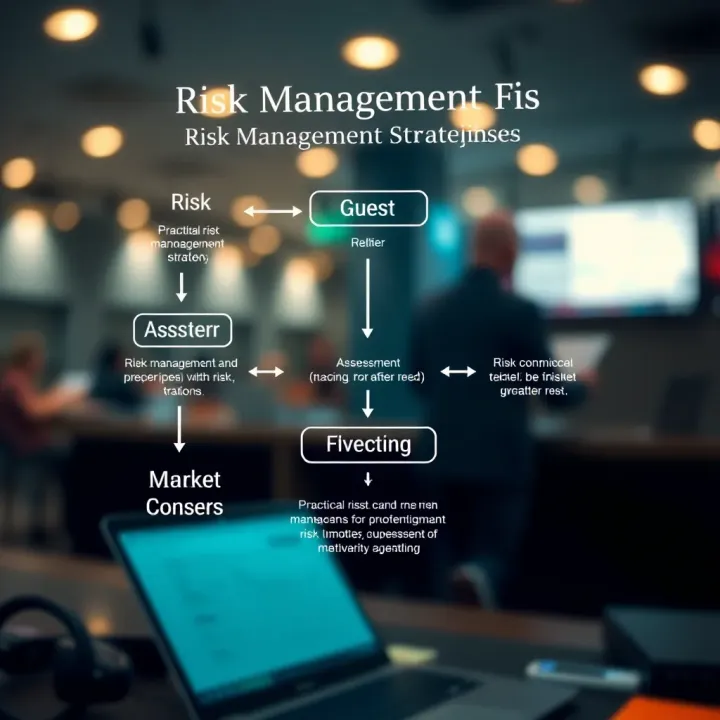
Once risks are identified, assessing their potential impact helps prioritise which threats need urgent attention. Consider the scale—would a delay cause minor inconvenience or major losses? This evaluation allows businesses to focus their limited resources where it counts.
Practical techniques to manage risks usually include the following:
Risk transfer: Using insurance policies or contracts to shift risks to third parties. For instance, a construction company might insure against equipment theft or damage.
Risk mitigation: Taking steps to reduce the likelihood or impact of risks. This could be establishing alternative suppliers to avoid disruptions when one faces problems.
Risk monitoring: Continuously tracking risks and their indicators. Kenyan businesses might use tools like cash flow forecasts or market trend analysis to spot emerging issues early.
Businesses that embed consistent risk review processes find they can respond faster to challenges and seize opportunities with more confidence.
To illustrate, a Nairobi-based exporter dealing with currency risk might hedge by using forward contracts offered by local banks, thus locking in exchange rates and stabilising projected income. Similarly, investing in staff training on compliance creates awareness that reduces regulatory risks.
Ultimately, effective risk management tailored to the Kenyan context demands a practical approach—understanding the local terrain, leveraging tools like insurance and financial instruments, and staying alert through regular monitoring. This helps businesses not just survive but thrive in a landscape full of uncertainties.
Grasping the concept of risk and how it affects organisations is vital for any business operating in Kenya. Risk, essentially, refers to the possibility of events that can harm an organisation’s assets, earning potential, or reputation. Knowing these risks allows businesses to prepare and respond properly, thus avoiding costly disruptions. For example, a Nairobi-based exporter who understands currency fluctuation risks can hedge appropriately to protect profits from shilling depreciation.
Understanding risk enables organisations to align their strategies with uncertainties unique to their sector and environment. A trader in the Jua Kali (informal) sector might face supply chain disruptions, while a bank needs to be aware of credit and regulatory risks. In all, comprehending risk helps allocate resources wisely and improve decision-making.
Financial risks involve potential losses due to factors affecting cash flow, investments, or operational funding. Kenyan businesses often face exchange rate volatility; for instance, changes in the US dollar can impact import costs or foreign loans. SMEs relying on credit sales face risks if customers default or delay payments, affecting working capital. Besides, interest rate hikes by the Central Bank of Kenya (CBK) can raise borrowing costs unexpectedly, squeezing margins.
Operational risks stem from day-to-day processes, systems, or human factors that can disrupt business activities. Power outages, common in some Kenyan counties, can halt production or delay service delivery. In agriculture, erratic weather patterns during the long or short rains can interrupt harvest schedules. A small retailer relying solely on one supplier may face stockouts if that supply chain breaks down.
Regulatory and compliance risks arise from failing to meet laws, standards, or contractual obligations. Kenyan businesses deal with multiple agencies like Kenya Revenue Authority (KRA), National Hospital Insurance Fund (NHIF), and county governments, each with their own rules. Non-compliance can result in penalties or licence suspensions. For example, a firm ignoring tax deadlines may face fines, interest charges, or legal proceedings, severely affecting cash flow.
Market and competitive risks involve changes that affect demand, consumer preferences, or the business environment. The rise of e-commerce platforms like Jumia Kenya has shifted customer shopping habits, threatening traditional brick-and-mortar stores. Also, increased competition from imports, often cheaper than local goods, pressures pricing and profitability. Fluctuations in commodity prices such as tea or coffee affect producers’ incomes directly.
Risk management helps safeguard business assets—both physical and financial—from unexpected losses. A Nairobi-based transport company might invest in vehicle maintenance schedules and driver training to reduce accident risks that could cripple operations. Protecting revenue streams through customer credit checks or contract vetting ensures payments arrive on time, supporting business continuity.
Reputation is a valuable intangible asset for Kenyan companies. Poor risk handling, such as data breaches or delivery failures, can quickly damage customer trust and brand loyalty. For example, a bank facing fraud incidents without a proper risk plan may lose client confidence, impacting future business. Effective risk management signals professionalism, which attracts investors and partners.
Adhering to laws and regulations is not just legal compliance but a way of avoiding costly sanctions and business disruptions. Kenyan businesses with clear compliance routines and regular audits reduce the chances of penalties from authorities like KRA or the Capital Markets Authority (CMA). Staying updated on changing rules, such as new tax directives or health guidelines, proactively shields firms from conflicts.
Understanding and managing risk isn’t optional—Kenyan businesses that ignore it put their operations, finances, and reputation at serious danger. A deliberate approach to identifying and controlling risks fosters resilience and long-term growth.
Kenyan businesses face a variety of risks, from fluctuating exchange rates to supply chain disruptions during the long rains. Pinpointing these risks and gauging their potential impact help firms prepare rather than react. This approach allows more precise allocation of resources and keeps operations steady despite unforeseen events.
Bringing together teams from different departments sparks diverse ideas on possible risks. For example, a Nairobi-based logistics company might hold workshops including drivers, warehouse staff, and finance officers to brainstorm threats such as roadblocks, fuel price hikes, or delayed payments. These sessions tap into frontline experience and company-wide perspectives, ensuring no obvious risks get overlooked.
Kenyan businesses can benefit hugely by reviewing past incidents and using tailored checklists for their sector. An agro-processing firm might analyse previous supply chain failures caused by drought or pest outbreaks to identify recurring vulnerabilities. Checklists offer a systematic way to cover typical risks like regulatory changes, credit defaults, or reputational issues based on existing knowledge.
Engaging external experts, regulators, or even customers can highlight risks a company’s internal teams may miss. For example, a bank may consult KBA (Kenya Bankers Association) insights on cybersecurity threats or compliance shifts. Stakeholders often provide fresh views on market trends, legal shifts, or technology disruptions that impact business.

Qualitative methods use descriptive scales—such as low, medium, and high—to judge risks. A real estate developer in Mombasa may rate delays due to permit issues as high impact but low likelihood if they have strong government relations. These assessments are quick, cost-effective, and help understand the nature of risks without needing complex data.
Numbers provide a clearer picture when data is available. For instance, a retailer tracking past sales downturns during festive seasons can estimate the financial hit from stockouts or demand shifts. This helps calculate potential losses in Kenyan shillings, informing budget and contingency plans.
Not all risks demand equal attention. Prioritising based on likelihood and impact ensures that resources focus on threats that could cause the most damage or disruption. For example, a microfinance institution may prioritise credit risk over market risk because loan defaults directly affect its liquidity. Prioritisation also guides the development of targeted mitigation plans, improving risk management effectiveness.
Timely identification and accurate assessment empower Kenyan businesses to focus on what matters most, balancing effort and cost for sustainable growth.
Many Kenyan businesses face diverse risks that can affect their survival and growth. Applying well-known risk management methods tailored to local conditions is essential. These techniques help businesses identify, reduce, transfer, or accept risks while ensuring they are prepared for unforeseen events. From small SMEs to larger companies, understanding and using these practical approaches is vital for maintaining resilience in Kenya’s dynamic business environment.
Sometimes the best way to handle risk is to steer clear of it completely. Kenyan businesses often avoid high-risk ventures that could jeopardise their stability. For instance, an agribusiness might decide against planting a crop susceptible to erratic rain patterns during the long rains season to avoid losses. Similarly, some traders avoid credit sales to customers with poor payment records to reduce financial exposure.
Avoiding such activities helps preserve capital and focus resources on safer opportunities. This strategy is especially useful when the cost of potential risk outweighs the expected benefit.
Switching to different business models can reduce exposure to specific risks. For example, a retailer moving from a physical shop in a bustling Nairobi neighbourhood to an online e-commerce platform like Jumia Kenya mitigates risks related to high rental costs and matatu commuters’ disruptions.
Alternative models also include franchise systems or partnerships, where operational risk is shared. This can be particularly effective for startups that lack deep pockets or want to test new markets without heavy upfront investment.
Well-designed controls and standard operating procedures help minimise risks by creating consistent workflows. For example, a manufacturing firm may introduce quality checks at each production stage to reduce defective products and wastage.
Such frameworks reduce operational errors and enhance compliance with standards set by bodies like the Kenya Bureau of Standards (KEBS).
Training employees regularly ensures they understand potential risks and how to manage them. For instance, financial institutions frequently train staff on anti-money laundering protocols to comply with regulatory requirements and reduce legal risks.
Empowered staff can detect issues early, respond faster, and contribute ideas for risk reduction.
Technology adoption cuts down various risks from human error to fraud. Kenyan businesses increasingly use digital payment systems like M-Pesa and Safaricom’s Lipa Na M-Pesa to ensure secure transactions and transparent records.
Inventory management software also helps reduce stock losses due to theft or expiry, especially in retail and pharmaceutical sectors.
Insurance is a key tool for transferring risks beyond the business to insurers. Products like business interruption insurance or equipment breakdown cover protect firms from unexpected financial shocks.
Many Kenyan SMEs can now access tailored insurance through agencies offering microinsurance, making this option affordable and practical.
Outsourcing non-core tasks such as IT support, security, or cleaning to specialised firms shifts responsibility and risk change onto experts. For example, many Nairobi firms outsource cybersecurity to reduce exposure to online threats without heavy internal investment.
Similarly, partnerships can spread financial, operational, or reputational risks across involved entities.
Not all risks can or should be avoided or transferred. Businesses must decide which risks they can bear based on capacity, cost, and strategic objectives. For instance, a startup might accept higher customer default rates in initial years in exchange for market penetration.
Clear policies on acceptable risk help focus resources and prevent overreaction.
Having plans for emergencies — like fire outbreaks or floods — reduces the impact of sudden shocks. Kenyan companies often hold drills and prepare communication strategies to keep staff safe and restart operations quickly.
For example, firms in flood-prone areas of Kisumu or Homa Bay draft evacuation plans and ensure proper insurance cover to bounce back fast.
Effective risk management blends these techniques based on the business’s size, sector, and risk appetite. Kenyan firms that apply these methods thoughtfully stand a better chance of weathering economic ups and downs while growing steadily.
Monitoring risk factors and reporting on them regularly are essential steps for Kenyan businesses seeking to manage uncertainty effectively. Continuous improvement ensures that risk management stays relevant as conditions change, particularly in dynamic environments like Nairobi’s business districts or county-level markets. This approach helps firms catch early warning signs, gauge the effectiveness of risk controls, and adapt before small issues become costly problems.
Internal audits check whether risk management policies are followed and controls are effective. For example, a mid-sized Nairobi manufacturing company might conduct quarterly audits to verify adherence to safety procedures and financial records. These checks can spot weak points and prevent issues such as fraud or regulatory breaches before they escalate. Compliance reviews also ensure the business meets KRA tax regulations, NHIF payments, and industry-specific standards, reducing the risk of penalties.
Risk dashboards provide a snapshot of critical risk metrics at a glance. Kenyan businesses can track key risk indicators (KRIs) like receivables ageing for credit risk or stockout frequency affecting operations. Dashboards allow management to monitor risk trends in real time and allocate resources where needed. For instance, a retail chain using a dashboard can quickly see which stores face cash flow pressure or supply delays, enabling swift corrective action.
Clear communication of risk status helps decision-makers understand the current threat landscape and act accordingly. Regular reports to management should highlight significant risks, progress on mitigation, and emergent concerns tailored to their focus areas. Stakeholders such as investors and partners also appreciate transparency, which builds trust. For example, an SME exporting agricultural produce might report on market risks to buyers and financiers, securing confidence and support.
A culture where employees understand and engage with risk management leads to better identification and handling of problems. Training staff in risk concepts and encouraging reporting of near misses fosters vigilance. Companies like insurance firms in Kenya that routinely brief their teams on fraud risks and claim procedures show lower losses. Building a risk-aware culture involves open dialogue and recognising frontline workers for their role in spotting risks early.
When incidents happen, analysing their causes and effects yields valuable lessons to avoid repeats. Kenyan businesses can establish a no-blame review process to examine failures like supply chain disruptions due to strikes or infrastructure issues. Learning from these improves the risk framework and response capabilities, saving costs over time.
Risk policies should not stay static. Regular reviews, ideally annually or after major events, ensure controls match current realities, such as new regulations or market conditions. Updating policies based on recent experiences and emerging threats keeps risk management practical and actionable. For example, adapting data protection policies as digital usage grows in Kenya protects companies from cyber risks.
Monitoring and continuous improvement close the loop in risk management. Kenyan businesses that invest in these areas position themselves for sustainable growth despite economic and operational challenges.
Using practical examples and case studies from Kenya helps businesses understand how risk management techniques apply within our unique environment. These real-world insights show how Kenyan firms handle financial, operational, and regulatory risks given local challenges like fluctuating markets, regulatory changes, or infrastructural gaps. Learning from peers encourages more grounded, actionable approaches than theoretical models alone.
For many small and medium enterprises (SMEs) in Kenya, managing cash flow is the lifeblood of survival. SMEs often depend on daily sales and face delays in payments from customers. Techniques like keeping short-term cash flow forecasts and setting aside emergency funds help prevent crises. For instance, a Nairobi-based retailer might use M-Pesa transaction records to track daily inflows and outflows, ensuring they can meet suppliers’ payments on time.
Credit risk is common where businesses extend payment terms to customers or depend on credit from suppliers. SMEs can limit exposure by conducting informal credit checks, using mobile money platforms that provide transaction histories, or insisting on partial upfront payments. A good example is a Jua Kali craftsman who requests a 30% deposit on custom orders to secure payment and reduce losses if buyers back out.
The Jua Kali sector involves many physical tasks often done without formal safety protocols. Simple safety measures—like ensuring proper ventilation, using protective gear, and securing electrical equipment—significantly reduce accidents. For instance, a metalworks workshop in Kisumu might establish clear zones for welding and grinding, minimising fire hazards and injuries.
Disruptions in materials supply add costly delays, especially for Jua Kali artisans reliant on local suppliers. Diversifying suppliers and maintaining a small stock of critical materials helps reduce risks. For example, a woodcarver near Mombasa might keep an alternative supplier lined up in case the main provider faces transport strikes or stock shortages.
Compliance with Kenya Revenue Authority (KRA) tax requirements and National Hospital Insurance Fund (NHIF) contributions is vital for large enterprises. Implementing dedicated compliance teams and automated systems linked to payroll ensures timely tax filing and contributions. Companies can face hefty fines or legal action if they fail to comply, so robust internal checks are essential. For example, a Nairobi manufacturing firm might use ERP software integrated with iTax to monitor submissions continuously.
Different counties have varying rules, from licensing fees to environmental standards. Larger businesses often assign officers to liaise with county governments, tracking regulatory updates and preparing for inspections. For instance, a chain of supermarkets operating across multiple counties ensures each outlet complies with local health and trade rules to avoid penalties that might disrupt operations.
Practical, context-specific examples empower Kenyan businesses to tailor risk management approaches effectively, helping them face local hurdles confidently while safeguarding growth and reputation.
Discover how effective risk management in Kenyan businesses safeguards assets, boosts decision-making, reduces losses, and strengthens stakeholder trust 📊🤝

Master forex risk management in Kenya 🇰🇪 with tips on setting limits, stop-loss orders, and position sizing to protect your investments confidently 💹.

📊 Explore key financial risk management concepts and tools to pinpoint, assess, and control risks. Essential insights for Kenya's professionals and businesses.

Explore how Enterprise Risk Management (ERM) frameworks help Kenyan businesses identify, assess, and manage risks effectively ⚖️ Learn practical steps for strong ERM.
Based on 9 reviews