

Benefits of Risk Management for Kenyan Businesses
Discover how effective risk management in Kenyan businesses safeguards assets, boosts decision-making, reduces losses, and strengthens stakeholder trust 📊🤝
Edited By
Michael Lowry
Understanding the steps in risk management is essential for anyone dealing with finance, trading, or investment, especially in Kenya's dynamic market. Risk management isn’t just about avoiding losses—it’s about recognising potential challenges early and planning how to handle them effectively.
The process begins with risk identification, where you identify possible threats that could affect your business or investment portfolio. For example, a trader in Nairobi might spot risks related to currency fluctuations, political changes, or supply chain disruptions due to the ongoing rains impacting transport routes.

Next comes risk assessment. This step involves evaluating the likelihood of each risk and its potential impact. Here, you might rate a risk as high if it can cause significant financial loss or operational delays. For instance, unforeseen regulatory changes by the capital markets regulator in Kenya can majorly disrupt investment plans.
Once risks are assessed, the focus shifts to risk prioritisation. It helps you direct resources to the most serious threats first, reducing the chances of being overwhelmed. You prioritise risks by weighing both their probability and their impact on your business objectives.
Planning risk responses is where you decide on actions to either avoid, mitigate, transfer, or accept risks. A trader could hedge against currency risk using forward contracts or choose insurance to cover potential losses.
Then comes the implementation phase, where the plans are put into action. This step requires coordination across teams, especially when the risk response involves multiple functions like finance, compliance, and operations.
Finally, monitoring and reviewing keep the process dynamic. Risks evolve, so continuous tracking and adjustment ensure your plans remain relevant. For example, new technology adoption may introduce cybersecurity risks that didn't exist before.
Remember, an effective risk management process is not a one-off task but a continuous cycle that helps protect your investments and business operations in Kenya’s changing economic environment.
By following these clear, step-by-step stages, finance professionals and traders can build resilience against uncertainties and protect their ventures efficiently.
Identifying potential risks is the first step in any effective risk management process. It means spotting the various uncertainties that could impact your business or investments before they turn into problems. For traders, investors, brokers, or analysts, knowing what could go wrong early enough helps in making better decisions and putting safeguards in place. For example, a trader might recognise that sudden currency fluctuations could affect forex deals and prepare accordingly.
Operational risks arise from daily business activities and processes. These risks can include machinery breakdowns in a factory, system failures, or human errors like entering wrong stock prices. For a financial analyst, operational risks might emerge from poor data handling or flawed models. Since these risks happen frequently, businesses need strong internal controls and staff training to reduce them.
Financial risks deal with money matters such as market volatility, credit defaults, and liquidity shortages. For instance, an investor holding shares in a company could face losses if the stock price drops due to economic downturns. Banks face credit risk when borrowers fail to repay loans. It’s crucial to assess financial risks carefully to avoid heavy losses and maintain cash flow.
Compliance risks concern failing to follow laws, regulations, or standards. In Kenya, this could mean not adhering to KRA tax rules, CMA regulations for capital markets, or sector-specific rules like those from the Energy and Petroleum Regulatory Authority. Getting compliance wrong can lead to penalties, legal battles, and reputational damage. Organisations must keep up to date with regulations and embed compliance in their operations.
Strategic risks relate to wrong choices in business direction or competition. For example, if a broker ignores a shift towards digital trading platforms, they risk losing clients to more tech-savvy competitors. Poor market entry decisions or ignoring new trends can have long-term impacts. Strategic risks require strong market knowledge and regular reviews of business plans.
Brainstorming sessions bring together different team members to list possible risks openly. This method sparks fresh ideas and uncovers risks that might be overlooked individually. For example, a trading firm might hold a workshop with traders, analysts, and IT staff to pinpoint operational and market risks together. These sessions encourage collaboration and diverse viewpoints.
Expert interviews involve consulting specialists who have deep knowledge in certain areas. These experts might be risk managers, external consultants, or sector professionals. For instance, a compliance officer might interview a lawyer familiar with CMA regulations to identify compliance risks affecting investment firms. Their insights add depth and precision to risk identification.
Checklists and historical data use past information and predefined risk lists as references. A finance professional might review previous market crashes or loan default records to anticipate likely future risks. Checklists ensure no common risks are missed, while historical data highlights patterns that can guide current risk assessment.
Stakeholder consultation means engaging people affected by or involved in the business, such as customers, suppliers, regulators, or employees. Through surveys or meetings, organisations can discover emerging risks from different angles, like supply chain disruptions or new regulatory demands. This method offers practical insight and builds stakeholder trust.
Identifying risks accurately early on allows Kenyan businesses and investors to protect their interests carefully and make decisions with confidence in uncertain environments.
By applying these methods and understanding various risk types, professionals can lay a strong foundation for effective risk management. This first step sets the stage for subsequent assessment, response, and control strategies.
Assessing and evaluating risks is a key stage in managing risk effectively. This step helps traders, investors, and finance professionals understand which risks could cause the most damage or opportunity loss to their business or portfolio. Without proper evaluation, efforts to manage risk may be misdirected, wasting resources on low-impact issues while neglecting more serious threats.
The core of evaluation involves looking at the likelihood that each risk will occur and the impact it would have if it did. For example, a trader in Nairobi might identify currency fluctuation as a risk. Evaluating the probability and potential loss from this risk guides how much money to allocate towards hedging strategies.

Qualitative assessment approaches rely on descriptive measures rather than numbers. This method uses experience, opinions, and expert judgement to classify risks as high, medium, or low in both likelihood and impact. For instance, a fund manager assessing political risks in a neighbouring country may not have precise data but can estimate risk levels based on recent developments and news. Qualitative analysis suits situations where data is scarce or the risk is new.
Quantitative assessment approaches use numerical data and statistical tools to assign values to likelihood and impact. This could mean calculating the probability of a stock price drop based on historical volatility or modelling potential losses using financial simulations like Value at Risk (VaR). While data-intensive, quantitative methods give more objective and detailed insights. For example, a bank evaluating loan defaults may calculate expected loss as a percentage, helping prioritise risk controls.
Risk matrix is a simple yet effective tool that plots risks on a grid based on their likelihood and impact scores. This visual map helps decision-makers quickly spot the most threatening risks. For example, a company may place risks with high probability and high impact in the top-right corner, signalling urgent attention. A Nairobi SME might use this to identify which supply chain disruptions to tackle first.
Risk scoring systems assign numerical scores to specific risk factors, then total them to rank risks. This system allows nuanced comparisons across different risk types. A trader using this can score credit risk, market risk, and operational risk separately and decide which one needs immediate resources. It's especially helpful where many risks compete for limited management attention.
Cost-benefit analysis weighs the cost of managing a risk against the expected benefit or avoided loss. For instance, installing cybersecurity measures might cost KSh 500,000 but prevent a potential loss of KSh 5 million from data breaches. If the costs far outweigh benefits, the organisation may choose to accept or share the risk instead. This technique ensures that risk treatments make financial sense and align with business priorities.
Assessing risks thoroughly helps focus efforts where they matter most, saving money and strengthening resilience amid Kenya's dynamic business environment.
Developing risk response strategies is a critical stage in managing risks. After identifying and assessing the most pressing threats, organisations must decide how to handle them to minimise negative impact. The right strategy keeps businesses agile and resilient, especially in a fast-changing environment like Kenya’s trading and investment scene. A practical risk response plan ensures that resources focus on effectively dealing with risks rather than reacting in an ad hoc manner.
Avoiding risk means steering clear of activities or decisions that expose your business to possible harm. For example, an investor might avoid sectors known for extreme volatility or regulatory uncertainties, such as emerging tech startups without clear compliance records. This approach removes the risk altogether but may also limit opportunities.
In Kenya’s context, a transport company could avoid routes prone to frequent security issues by selecting safer, though longer, alternatives to protect both goods and crew. Avoidance is a proactive strategy but requires careful choice since it might reduce potential gains.
Risk reduction involves taking steps to lessen either the likelihood or the impact of risk. For instance, a farmer can reduce the effects of drought risk by investing in irrigation equipment or drought-resistant crop varieties. Similarly, a bank might enhance cybersecurity measures to reduce chances of data breaches.
In trading, using stop-loss orders limits potential financial losses by automatically selling an asset when it hits a set price. This helps lessen exposure to sudden market swings. Unlike avoidance, reduction accepts the risk but manages it more safely.
Sharing or transferring risk means passing some or all of the risk responsibility to another party. A common example is insurance, where a business pays premium in exchange for coverage against specific risks like fire or theft. This shifts the financial burden away from the company.
Companies also share risk through partnerships or outsourcing. For example, a Kenyan importer may use freight forwarders to handle shipping risks instead of managing it alone. Transferring risk frees up resources but involves cost and trust in the other party.
Risk acceptance means recognising a risk but deciding not to take active steps to address it, often because the cost of mitigation outweighs the potential impact. Small start-ups sometimes accept minor risks, like occasional equipment breakdowns, as a cost of doing business.
For investors, this could translate to accepting currency fluctuation risk when trading on international markets with little hedging. Acceptance is practical when risks are low or unavoidable, but it must be a conscious, informed choice rather than neglect.
Every treatment option requires resources, be it money, time or personnel. Organisations must evaluate whether the benefits of a chosen risk response justify the expenditure. For example, installing advanced surveillance systems to reduce theft may not be viable for a small trader with limited capital.
An example from Nairobi’s informal sectors shows how many businesses opt for basic risk-sharing methods like group savings and informal insurance instead of expensive formal options. Careful budgeting allows better allocation of limited funds towards risks that could cause serious loss.
Risk response should support the organisation’s broader objectives. For instance, a socially responsible investment fund may avoid options that reduce risk but conflict with its ethics, like certain industries or suppliers.
A Kenyan manufacturing firm aiming for expansion might prefer risk reduction strategies that protect assets without halting growth initiatives. Aligning risk actions with company strategy ensures coherence and keeps the business on track without being held back by overly cautious decisions.
Effective risk response strategies require a balance between cost, relevance, and organisational fit to protect without unnecessary burden.
By carefully developing and selecting appropriate risk responses, Kenyan businesses and investors can better prepare for uncertainties and navigate the complex economic environment with greater confidence.
Implementing and communicating risk plans is vital to ensure that risk management moves from theory to practice. Without clear execution, even the best plans remain paper exercises. For traders, investors, and finance professionals in Kenya, this step ensures that identified risks are actively managed, reducing surprises that can wipe out gains or destabilise portfolios.
A well-implemented risk plan connects strategies with day-to-day actions, while effective communication keeps everyone informed and aligned. This means risks are not only recognised but also systematically controlled across departments, improving organisational resilience.
Establishing risk owners is about giving specific individuals or teams the task of managing particular risks. This approach ensures accountability and clear lines of stewardship. For example, a portfolio manager might be named the risk owner for foreign exchange exposure, tasked with monitoring currency fluctuations and initiating hedging strategies when necessary.
Risk ownership prevents issues from slipping through cracks; when no one owns a risk area, it often goes unchecked. Defining these roles upfront streamlines decision-making and monitoring.
Setting action deadlines means giving each risk-related task a clear timeline. Deadlines create a sense of urgency and help track progress. For instance, if a risk response involves adjusting asset allocation, the deadline might be the end of a trading quarter to reassess exposure.
In the Kenyan financial scene, where market conditions can shift rapidly, missing deadlines can lead to missed opportunities or increased vulnerability. Deadlines push teams to stay committed and report back regularly.
Internal communication channels are the pathways through which risk information flows inside an organisation. These could include regular risk review meetings, email updates, or intranet dashboards. Efficient channels ensure that insights about emerging risks reach everyone who needs to know.
For instance, a compliance officer might circulate weekly updates about regulatory changes affecting investment rules on the Nairobi Securities Exchange (NSE). Without such communication, teams might operate with outdated risk assumptions.
Training and awareness programmes build a culture where everyone understands their role in risk management. Regular training sessions help staff recognise risks early and respond correctly. For example, brokers could undergo workshops focusing on cyber risk, helping them spot phishing attempts that could compromise client accounts.
Awareness programmes also promote consistency in applying risk procedures, so risk responses are not left to chance or individual discretion. Especially for SMEs or informal sector players in Kenya's hustler economy, simple, ongoing training can make the difference between controlling risks and suffering losses.
Clear implementation and communication turn plans into protective shields. Without this, risk management remains an ambition, not a safeguard.
In summary, assigning clear responsibility with deadlines and maintaining open communication channels backed by training programmes is the backbone of executing any risk management strategy effectively. This keeps Kenyan businesses and financial players agile and ready to respond to their unique risk landscape.
Monitoring, reviewing, and updating risk management is not a once-off task but an ongoing necessity. It ensures your risk strategies remain effective as your business environment evolves. For traders, investors, and finance professionals, continuous oversight means spotting fresh risks early, adjusting plans promptly, and learning from past experiences. Without this, businesses can quickly be blindsided by changes that render earlier risk plans obsolete.
Regular risk audits provide structured checks on whether risk controls and responses are working as intended. For instance, a securities firm might schedule quarterly audits to verify compliance with regulatory requirements like Capital Markets Authority guidelines. Such audits help uncover gaps like unmonitored insider trading risks or system vulnerabilities in trading platforms. Regular audits also boost confidence among stakeholders, showing that the organisation prioritises risk vigilance.
Use of risk indicators involves tracking key metrics that signal emerging threats or worsening risks. In the Kenyan context, a bank could monitor loan default rates or fluctuations in the Nairobi Securities Exchange (NSE) indices as early warnings for credit or market risks. Risk indicators must be relevant and quantifiable, such as cash flow variances, customer complaints frequency, or cyber-attack attempts. These indicators support proactive decision-making, allowing firms to act before risks escalate.
Responding to new risks means adapting your risk management when unexpected threats emerge. Take the case of the COVID-19 pandemic, which introduced health, operational, and market risks previously unconsidered by many Kenyan businesses. Traders needed to adjust by incorporating pandemic-related economic volatility into their risk assessments rapidly. Responding swiftly often requires flexible systems and clear communication lines within the team.
Learning from incidents and near misses refers to analysing past mistakes or close calls to improve future risk handling. For example, an insurance company that experienced a data breach should conduct a thorough post-incident review, identifying weak spots in its cybersecurity frameworks. Sharing such lessons internally prevents repetition and sharpens risk awareness. Documenting near misses can be just as valuable—they often reveal vulnerabilities before they cause real damage.
Continuous review and adaptation make risk management a living process, vital for staying ahead in Kenya's dynamic financial and trading sectors.
Discover how effective risk management in Kenyan businesses safeguards assets, boosts decision-making, reduces losses, and strengthens stakeholder trust 📊🤝
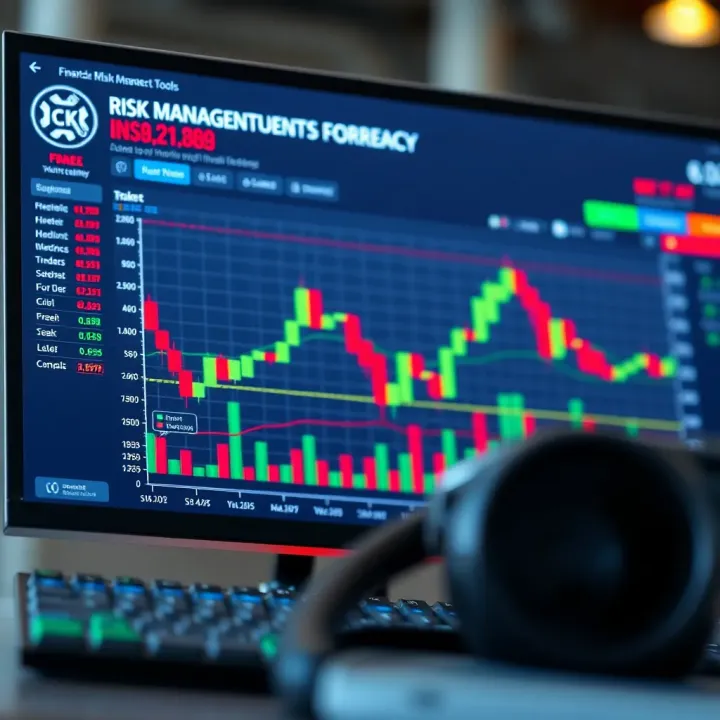
Master forex risk management in Kenya 🇰🇪 with tips on setting limits, stop-loss orders, and position sizing to protect your investments confidently 💹.

📊 Explore key financial risk management concepts and tools to pinpoint, assess, and control risks. Essential insights for Kenya's professionals and businesses.

Explore how Enterprise Risk Management (ERM) frameworks help Kenyan businesses identify, assess, and manage risks effectively ⚖️ Learn practical steps for strong ERM.
Based on 14 reviews