
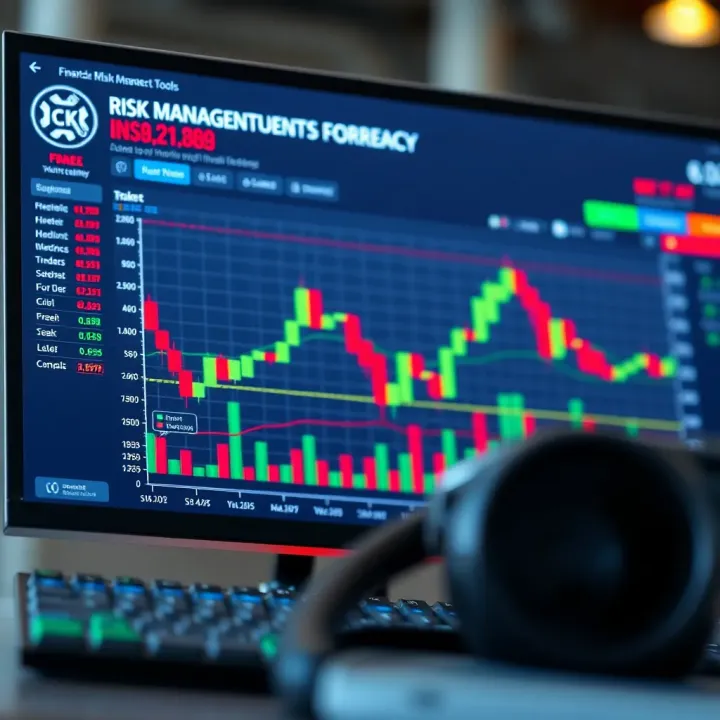
Smart Forex Risk Management for Kenyan Traders
Master forex risk management in Kenya 🇰🇪 with tips on setting limits, stop-loss orders, and position sizing to protect your investments confidently 💹.
Edited By
Ethan Clarke
Every business faces risks; understanding these risks forms the backbone of effective risk management. Risks are essentially potential events or conditions that can harm an organisation’s objectives or create opportunities if well managed. For traders, investors, and finance professionals in Kenya, knowing the types of risks helps prepare better strategies to protect assets and maximise returns.
At its core, risk management involves recognising different categories of risks, assessing their likelihood and impact, then choosing how to handle them. These risks can be broadly grouped into financial, operational, strategic, compliance, and reputational risks. Each has unique features and demands distinct responses.
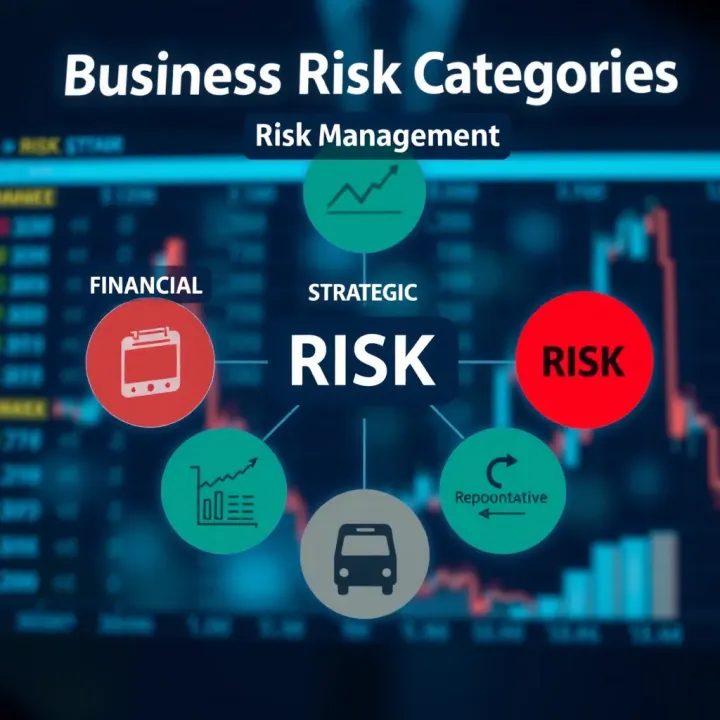
For example, financial risks could include currency fluctuations affecting importers in Nairobi or credit risks for banks granting loans. On the other hand, operational risks might arise from disruptions like power outages common in many counties, affecting production or service delivery.
Understanding these risk categories isn't just about avoiding losses — it's about making informed decisions that strengthen your organisation’s position amid uncertainty.
In Kenya, compliance risk is particularly tangible, given evolving regulations by institutions like the Kenya Revenue Authority (KRA) or the Capital Markets Authority (CMA). Non-compliance can lead to hefty fines or operational halt, putting the business in jeopardy.
Meanwhile, strategic risks often emerge from poor market choices or failing to adjust to shifts like digital payments dominating commerce (M-Pesa, KCB M-Pesa, Lipa Na M-Pesa). A bank ignoring this trend risks losing customers to more agile competitors.
Lastly, reputational risk may result from social media mishaps, product failures, or service delays. For a business operating in Kenya’s digital age, a damaged reputation can swiftly translate into financial losses.
By systematically identifying, measuring, and responding to these risks, businesses can not only survive but thrive in the Kenyan market's dynamic environment. This article unpacks each risk type further, offering practical insights for professionals seeking to manage uncertainties effectively.
Risk management is a vital part of running any business, especially in Kenya’s dynamic economic environment. It involves identifying potential threats that might affect the achievement of business objectives, assessing their likelihood and impact, and then taking steps to reduce or manage these risks. For traders, investors, and finance professionals, this means having a clear view of what could go wrong and preparing accordingly.
Risk management is a systematic process that helps organisations protect themselves from losses and uncertainties. For example, a Nairobi-based manufacturing company may face risks such as fluctuating currency rates or supply chain disruptions. By implementing risk management, the company can monitor foreign exchange movements and secure alternative suppliers to avoid production delays. Essentially, risk management is about being proactive rather than reactive, enabling businesses to stay resilient when unexpected situations arise.
Recognising different types of risks allows businesses to focus their resources effectively. Financial risks like market volatility differ from operational risks such as system failures, and each requires tailored strategies. Ignoring these differences might lead to wasted effort and increased vulnerability. For instance, an investment firm must monitor credit risk diligently to avoid bad debts, while a retailer might prioritise operational risks like theft or technology interruptions.
Understanding the nature of various risks ensures that risk management is not just a box-ticking exercise but a practical tool for safeguarding business continuity and growth.
Moreover, Kenya’s unique business climate underlines the need to grasp risks at a granular level. Factors like regulatory changes, political shifts, or even seasonal agricultural cycles can dramatically affect different sectors. Traders and investors who understand these risk types are better placed to make informed decisions, protect investments, and harness opportunities while keeping uncertainties in check. This clarity ultimately improves strategic planning and helps achieve long-term success in volatile markets.
In summary, risk management shapes the backbone of sound business practices. It empowers professionals to anticipate challenges, reduce surprises, and confidently navigate Kenya’s fast-evolving commercial landscape.
Financial risks are those uncertainties that can directly affect a company’s ability to generate profits and sustain its operations. In Kenya’s dynamic economic environment, understanding these risks is essential for traders, investors, and finance professionals. Financial risks influence investment decisions, creditworthiness, and business growth, making their identification and management crucial to avoid costly losses.
Market risk arises from changes in market variables like stock prices, interest rates, foreign exchange rates, and commodity prices. For Kenyan businesses, this could mean shifts in the price of tea or coffee exports or fluctuations in the Kenyan Shilling against the US dollar. For instance, an exporter paid in dollars but with costs in shillings can suffer losses if the shilling strengthens unexpectedly. Traders and investors need to monitor these fluctuations closely because sudden price changes might erode profits or increase costs. Hedging strategies such as futures contracts or options—though not widespread here—can help manage these risks.

Credit risk refers to the chance that a borrower or counterparty will fail to meet financial obligations. In Kenya, SMEs often face credit risk when customers delay payments or default altogether, especially in informal sectors lacking solid contracts. For example, a supplier to a large retailer may struggle if payment terms are not honoured, affecting cash flow and operations. Lenders also face credit risk when offering loans without proper credit assessments. Debt management involves assessing borrower credibility and setting appropriate terms to reduce defaults. Finance professionals should maintain up-to-date credit information and diversify their client base to spread this risk.
Liquidity risk occurs when a business cannot quickly convert assets into cash or cannot meet immediate financial demands. In Kenya, many businesses experience liquidity shortages during off-peak seasons like long rains when sales dip. For instance, a shopkeeper may hold merchandise that can’t be sold quickly, making it hard to pay suppliers or staff on time. Also, reliance on M-Pesa and mobile payments means a temporary network outage can disrupt cash flow. Maintaining a buffer of liquid assets or short-term credit lines helps cushion such shocks. Businesses should review cash-flow forecasts regularly to plan for rainy-season slowdowns or sudden expenses.
Financial risks matter because they directly affect a business’s survival and ability to expand. Managing these risks requires a clear understanding of local market conditions, timely data, and practical tools tailored to Kenya’s economy.
Understanding and managing financial risks can help businesses avoid severe setbacks, make informed investment decisions, and improve sustainability. For professionals in trading, investments, and finance in Kenya, staying alert to these risks offers a competitive edge and long-term stability.
Operational risks crop up in the regular running of any business and often bridge the gap between strategy and execution. These risks can range from small glitches to system-wide failures, impacting everything from product delivery to client satisfaction. For traders and investors, understanding operational risks means recognising how behind-the-scenes issues—whether in processes, people, or technology—might affect performance and profitability.
Process failures happen when a standard workflow or procedure doesn’t run smoothly, causing delays or mistakes. Take a Nairobi-based firm relying on manual invoicing; a simple error in data entry could lead to incorrect billing, affecting cash flow and client relations. More structured environments, such as banks, may face system interruptions due to poorly maintained IT infrastructure, leading to transaction delays that frustrate clients and reduce trust. Frequent power outages common in some Kenyan counties can also disrupt operations, making it necessary for businesses to invest in backup systems or generators.
Almost every operational hiccup includes some element of human error. Whether it’s a broker misreading market signals or an accountant entering the wrong figures, these mistakes can have big ripple effects, sometimes costing the business significant sums. For example, a small error in reporting stock performance could mislead investors and lead to bad decisions. The best way to reduce these risks is through thorough training and clear communication channels. Additionally, implementing checks like peer reviews or automated alerts helps catch errors before they cause harm.
Technology is a double-edged sword—while it boosts efficiency, it also opens doors to cybersecurity threats and breakdowns. Kenyan businesses increasingly depend on digital tools, from M-Pesa for payments to cloud services for data storage. However, this rise brings risks such as data breaches, malware, and phishing scams that can paralyse operations or lead to theft. For instance, a Nairobi fintech startup suffered a cyberattack that exposed client data, shaking confidence and inviting regulatory penalties. Investing in strong cybersecurity practices, including firewalls, regular software updates, and staff awareness programmes, is crucial to guard against these threats.
Operational risks aren’t just about fixing problems when they pop up; they’re about anticipating where things might go wrong and building systems that can handle the hiccups without derailing the business.
A practical risk management approach includes regular process reviews, employee training, and tech audits to keep everything running smoothly. For Kenyan businesses, balancing operational efficiency with flexibility is key, especially given the local challenges like infrastructure variability and market volatility. Keeping an eye on these risks helps traders, investors, and analysts make more informed decisions that weather everyday uncertainties.
Strategic risks directly influence the future direction and success of a business. These risks emerge when organisations make decisions that steer them away from their goals or fail to adapt to changing markets. Understanding these risks helps businesses avoid costly mistakes and stay resilient, a key concern for traders, investors, and finance professionals operating in Kenya’s dynamic economy.
Poor planning can derail even the best businesses, especially when market conditions shift unexpectedly. For example, a retail chain expanding rapidly without properly analysing customer demand across Kenyan counties might end up with excess stock in some stores while others face shortages. This misjudgement drains resources, tying up working capital unnecessarily. Equally, underestimating competitor moves or overestimating sales growth can create budgeting gaps that threaten business continuity.
A practical way to counter such risk is through thorough market research and scenario planning. Businesses should gather reliable local data, consider factors like seasonal demand fluctuations, and continually adjust their forecasts. Regular reviews of business plans involving financial analysts and market experts ensure the strategy remains realistic and flexible enough for the Kenyan context.
Fast-evolving industries require businesses to stay alert to competitors and market trends. Consider the telecommunication sector in Kenya, where companies like Safaricom and Airtel constantly innovate with new services and pricing. A firm ignoring such shifts risks losing its customer base. Likewise, new entrants with disruptive technologies can quickly reshape consumer expectations.
Strategic risk here involves both responding to competition and anticipating future trends. Companies should embrace continuous innovation and invest in market intelligence. Keeping an eye on regional developments within the East African Community (EAC) can also reveal opportunities or threats. For instance, a fintech startup that fails to integrate M-Pesa services or other popular payment platforms might lose out to rivals.
Effective management of strategic risks demands clear vision combined with pragmatic flexibility. Businesses that plan well and stay updated on competitor activities and industry trends position themselves to survive and thrive.
In summary, recognising and acting on strategic risks like poor planning and competition ensures better decision-making amid uncertainty. For Kenyan businesses, this means balancing ambition with grounded analysis and being ready to pivot as market realities change.
Compliance and legal risks pose significant challenges for businesses operating in Kenya. These risks arise when organisations fail to meet regulatory standards or breach contractual agreements, potentially leading to hefty penalties, legal disputes, or reputational damage. In a business climate shaped by evolving laws and sector-specific rules, understanding how to navigate these risks is essential for any trader, investor, or finance professional aiming for long-term stability.
Kenya has a growing body of regulations that businesses must follow closely, from tax laws enforced by the Kenya Revenue Authority (KRA) to sectoral rules by bodies like the Capital Markets Authority (CMA) and Central Bank of Kenya (CBK). Non-compliance can result in penalties ranging from fines to license suspensions, or even business closure. For example, a financial institution that fails to comply with CBK’s anti-money laundering directives risks severe sanctions affecting its reputation and operations.
Understanding these rules involves more than just ticking boxes; it requires actively monitoring policy changes. In 2023, stricter data protection regulations under the Data Protection Act impacted how companies handle customer information, particularly for firms using mobile money platforms like M-Pesa. Failure to adhere to these could lead to fines exceeding KSh 5 million, underscoring why continuous compliance review is indispensable.
Staying ahead of regulatory changes minimises surprise penalties and builds a company’s credibility with regulators and clients alike.
Contractual risks surface when parties to a business agreement fail to meet their responsibilities, leading to disputes that can stall operations or incur additional costs. This is common in sectors like construction or supply chain management, where delays or quality issues frequently occur.
A real-life example involves a supplier failing to deliver goods on time to a Nairobi-based retailer. The retailer lost sales during the peak season, prompting a contractual dispute. Both parties lacked clear dispute resolution mechanisms, escalating costs for legal counsel and time spent resolving the conflict. This shows why Kenyan businesses need well-drafted contracts with explicit terms on delivery timelines, payment conditions, and dispute resolution methods such as arbitration or mediation.
Effective risk managers recommend involving experienced legal teams to review contracts before signing, especially in high-value or long-term projects. This reduces ambiguity, improves enforceability, and protects businesses against costly legal confrontations.
In practice, managing compliance and legal risks is an ongoing process requiring vigilance, clear documentation, and proactive engagement with legal experts. For businesses operating in Kenya's dynamic market, these steps form a solid bulwark against disruptions from regulatory or contractual challenges.
Reputational risk refers to the potential loss a business faces when its public image deteriorates. In the Kenyan market, where word of mouth and social media buzz travel fast, this risk can quickly translate into reduced sales, investor mistrust, or regulatory scrutiny. Beyond immediate financial consequences, reputational damage can affect long-term relationships with customers, suppliers, and partners.
Maintaining customer trust is central to protecting reputation. Businesses must consistently deliver on promises, whether it’s product quality, timely service, or transparent communication. For instance, a Nairobi-based bank that swiftly resolves customer complaints and maintains clear communication channels tends to enjoy stronger client loyalty and fewer public complaints.
Building a solid brand image requires deliberate efforts like engaging local communities and understanding cultural values. Companies such as Safaricom and Tusker have cultivated trust by aligning their brand with Kenyan identity and social causes. Practical steps include regular feedback collection, honest marketing, and swift responses to criticism.
No business is immune to crises, but how organisations respond determines the depth of reputational damage. During the 2015 Safaricom network outage, the company’s quick updates and compensation offer helped calm customers and stabilise the brand image.
Crisis handling should involve:
Immediate acknowledgment of the issue
Transparent and regular communication
Taking corrective measures visibly
Engaging stakeholders, including the media and affected customers
Ignoring or downplaying problems often worsens the situation. For instance, a hospitality business facing poor hygiene reports must act swiftly, or online reviews on platforms like TripAdvisor can deter future guests.
Reputational risk is a silent threat that grows bigger the longer it is ignored; swift, honest action is the best defence.
In summary, Kenyan businesses need proactive reputation management to guard against risks that arise from customer mistrust or negative publicity. Successful management supports customer retention, attracts investment, and strengthens market position even during tough times.
Master forex risk management in Kenya 🇰🇪 with tips on setting limits, stop-loss orders, and position sizing to protect your investments confidently 💹.

📊 Explore key financial risk management concepts and tools to pinpoint, assess, and control risks. Essential insights for Kenya's professionals and businesses.

Explore how Enterprise Risk Management (ERM) frameworks help Kenyan businesses identify, assess, and manage risks effectively ⚖️ Learn practical steps for strong ERM.
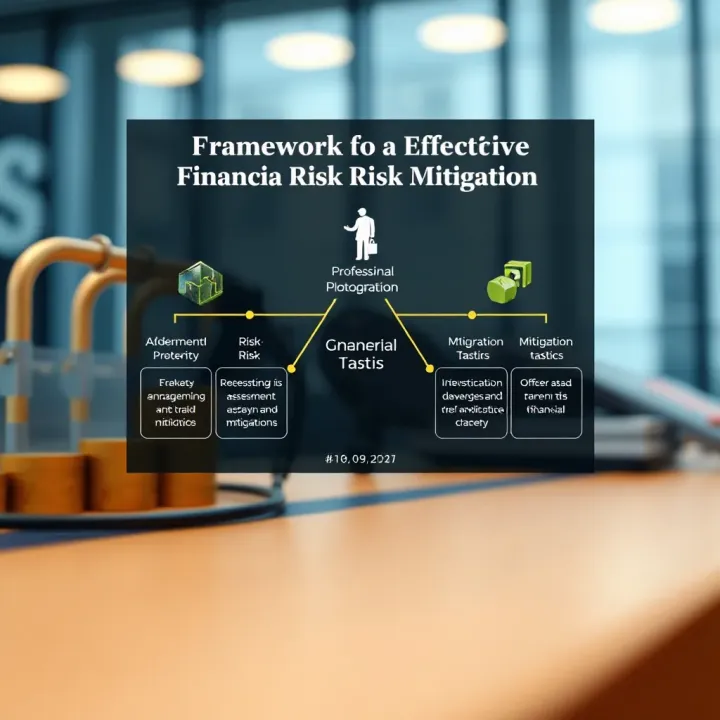
Manage financial risks like a pro! Learn key strategies and practical tips tailored for Kenyan businesses to identify, assess, and reduce financial losses 📉💼
Based on 13 reviews