
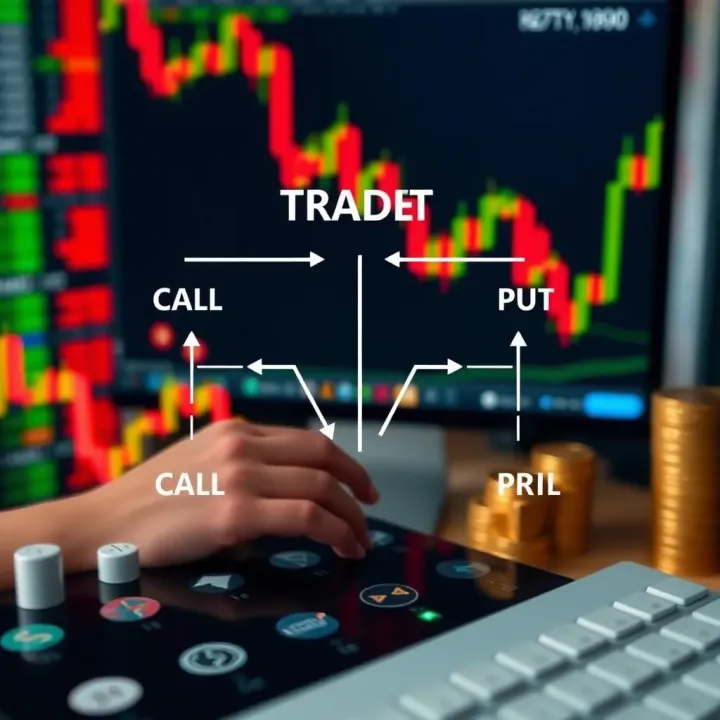
Understanding Binary Options for Kenyan Traders
Learn how binary options trading works in Kenya 🇰🇪⚖️, explore risks, strategies, and key facts to trade smarter and stay regulated with our clear guide.
Edited By
Thomas Edwards
Binary options trading has gained a lot of attention in Kenya in recent years. It's an attractive way for many to potentially grow their money fast. But like any market, this excitement comes with its own set of risks and challenges—mostly around choosing who to trade with. That’s where binary options brokers come in.
In this article, we’ll break down everything Kenyan traders need to know about binary options brokers. We'll talk about what these brokers do, how to tell the good from the shady, and what to watch out for to protect your investments. Whether you're just starting or looking to sharpen your approach, this guide aims to give you practical advice grounded in real-life trading experiences.

Binary options trading isn't just guesswork; it’s about understanding the market, knowing who you trust, and making smart moves. So before you dive in, it pays to have a clear picture of your options—literally and figuratively.
Choosing the right broker can be just as important as picking the right trade. Don't let your enthusiasm for quick profits cloud your judgment in selecting a trustworthy partner.
Throughout this guide, we will give you concrete examples, highlight risks, and share tips specifically tailored for Kenyan traders navigating this space. Let’s get started with the basics and move step by step toward trading with confidence.
Binary options brokers act as gateways between traders and the financial markets. In Kenya, where digital trading is gaining traction, understanding the role of these brokers is fundamental. They provide traders not just with access but also the tools needed to engage in binary options trading efficiently.
A key point to remember is that brokers differ widely in terms of the services they offer. For instance, some might provide advanced charting options and real-time data feeds, while others offer simpler interfaces designed for newcomers. Choosing the right broker can significantly impact a trader's ability to navigate the market and execute timely trades.
Moreover, Kenyan traders should pay close attention to broker credibility and transparency. Selecting a broker who aligns with legal requirements and offers secure, straightforward platforms can protect your capital from avoidable risks. By getting to know what binary options brokers do, traders equip themselves to make informed choices in this fast-moving arena.
Brokers serve as the bridge connecting Kenyan traders with global financial markets. Without a broker, an individual can't directly access the array of assets, such as currencies, indices, or commodities, that binary options traders bet on. For example, a trader wanting to speculate on the price movement of the Nairobi Securities Exchange index or the USD/KES currency pair must do so through a broker's platform.
In practical terms, brokers aggregate market data and provide a gateway for orders to be placed and executed. For traders, this means they can participate in markets that would normally be out of reach due to scale or complexity. A good broker ensures your trade requests are processed rapidly, reflecting market fluctuations accurately and minimizing slippage.
Another critical role is supplying the infrastructure for trading—usually online platforms, accessible via browsers or mobile apps. These platforms are the trader's cockpit: they display price charts, available assets, payout percentages, and order execution interfaces. A well-designed platform will also come bundled with analytical tools to help traders spot patterns or trends.
Consider IQ Option and Binomo, which have mobile-friendly apps tailored for emerging markets like Kenya. These platforms offer demo accounts for practice and simple deposit options suited to local payment methods like M-Pesa. Tools like one-click trading, preset time frames, and easy indicators help traders make quick, informed decisions without getting bogged down in complexity.
Binary options brokers generally fall into two categories: market makers and direct or ECN (Electronic Communication Network) brokers. Market makers create their own market for the assets they offer. This means they often take the other side of your trade instead of sending it to the open market. While this setup can mean quicker execution, it also creates a potential conflict of interest, as the broker profits when the trader loses.
Direct brokers, on the other hand, connect traders directly to external liquidity providers. This results in more transparent price quotes and less likelihood of price manipulation. For instance, a direct broker might route your trade on the USD/Euro pair to a large forex bank rather than internalizing the trade.
Understanding this distinction is vital because it affects trustworthiness and trading fairness. Kenyan traders need to be cautious of market makers who might prioritize their own profits over client interests.
Regulation is the backbone of trust in any financial service, including binary options trading. Regulated brokers comply with rules set by financial authorities like the UK’s FCA or Cyprus's CySEC, where many brokers are registered. These rules help protect trader funds, ensure fair pricing, and demand transparency.
Unregulated brokers lack such oversight and operate in a grey zone—often with little accountability. This raises red flags, especially in Kenya, where upfront scams have led to losses among naive traders. For example, a few unlicensed entities might promise unrealistically high returns or delay withdrawals indefinitely.
When choosing a broker, Kenyan traders should verify whether the broker holds a recognized license and operate with clear terms of service. Regulatory approval acts as a safety net, although it's not a foolproof guarantee; due diligence remains necessary.
Remember: Regulatory status and broker type influence the safety of your investments and the reliability of your trading experience. Always do your homework before opening an account.
In summary, binary options brokers in Kenya serve as crucial intermediaries offering market access and trading tools. Knowing their types and regulatory status equips traders with the knowledge to avoid pitfalls and select platforms that align with their trading goals and security needs.
Understanding how binary options trading operates is fundamental for any trader, especially for those based in Kenya who want to navigate the financial markets wisely. This part of the guide breaks down the nuts and bolts of binary options so you can get a clear picture of what's involved and make informed decisions.
Binary options are all about simplicity. Here, you predict whether an asset's price will go up or down after a certain amount of time — there’s no middle ground. What makes it especially easy to grasp is the fixed payout structure.
Imagine you're betting on whether the Nairobi Securities Exchange index will rise above a certain point in the next hour. Binary options offer a fixed payout amount if your prediction is correct, usually something like 70-85% of your investment. If you're wrong, you lose the amount you put in. This predictability helps traders know exactly what they stand to gain or lose upfront, without any messy calculations.
This fixed payout system limits risks and makes binary options appealing to many, but remember it also caps your potential profits.
Binary options come with flexible time frames — from as short as 60 seconds to several hours or even days. For Kenyan traders, choosing the right expiration time is critical. If you opt for too short a period, say one minute binaries, you might be gambling more than trading because the market can be wildly volatile for a moment.
Additionally, the asset choices range widely: stocks like Safaricom or Equity Bank, commodities like gold or oil, forex pairs involving the US dollar, euro, and local currencies, or indices such as NSE 20. Having a diverse asset pool lets you pick ones you understand or can analyze easily.
Just flipping a coin won't cut it here. Successful traders rely on strategies tailored to this binary setup.
This strategy is as old as trading itself. Basically, if the price of an asset like the GBP/USD pair is steadily climbing, you buy a binary option predicting it will continue to rise. Kenyan traders often use simple charts and indicators like moving averages to spot these trends.
The key is to let the market show its hand before jumping in. Trying to predict sharp reversals is risky — following a trend tends to reduce guesswork and increases the odds in your favor.
Trading without managing risk is like walking a tightrope without a net. Binary options, while straightforward, can drain your account fast if you're careless.
Good risk management for Kenyan traders means setting a limit on how much to invest per trade — often no more than 2-5% of your total trading capital. It's also smart to diversify your trades across different assets or expiration times rather than putting all eggs in one basket.

Additionally, using stop-loss tools might not always be possible in binary options, but setting mental stops and not chasing losses goes a long way.
Mastering the mix of understanding fixed payouts, picking suitable time frames and assets, and applying sound trading strategies can significantly increase your chances of success in binary options trading.
This section should give you a solid grounding on how binary options operate, setting you up to dive deeper into choosing the right broker and safeguarding your trades.
Picking the right binary options broker is like finding a trustworthy guide when hiking through unfamiliar terrain—it can save you from unnecessary trouble and help you reach your goals. For Kenyan traders, this choice carries even more weight because of the local market conditions and regulatory landscape. A good broker affects everything, from how smoothly your trades execute to how your funds are handled and whether you get fair treatment.
When choosing a broker, it's not just about flashy websites or big bonuses—Kenyan traders need to dig into essentials like licensing, platform usability, payment options, and clear account terms. Each of these parts matters on its own, but together they paint the full picture of a broker's reliability and suitability.
Having a broker regulated by recognized authorities is a major safety net. Regulators like the CMA (Capital Markets Authority) in Kenya or international bodies such as the FCA (UK) and CySEC (Cyprus) enforce rules brokers have to follow. This oversight protects traders from shady practices like price rigging or withdrawal delays. For instance, a broker licensed by FCA will have to maintain a certain level of transparency and keep client funds segregated from their operating capital, reducing the risk of misuse.
From a practical view, dealing with a regulated broker means you have recourse if things go south—it’s not just a trust fall. Always check for licensing certificates on the broker's website, and cross-verify on the regulator's official list. It's a simple step but a vital one.
Credentials verify if a broker walks the talk. This includes licenses, years in business, customer reviews, and financial health. Kenyan traders should be wary of brokers promising unrealistic returns or those with a history of unresolved complaints.
Look for clear contact details, like a physical address and customer support phone numbers in your region. Also, industry memberships or awards, while not decisive, can indicate a serious operation. Taking a few minutes to search for reviews on forums or feedback on platforms like Trustpilot helps identify patterns either of competence or red flags.
A user-friendly interface is more than just pretty graphics—it affects how quickly you can react to market moves. For binary options, seconds can mean the difference between a winning trade and a lost one.
Kenyan traders should prioritize platforms that are intuitive and clutter-free yet powerful enough to offer real-time charts, clear asset info, and easy navigation. Platforms like IQ Option or Olymp Trade have earned popularity partly because their designs simplify the complex.
Pay attention to the learning curve: a complicated setup can frustrate beginners and lead to costly mistakes.
In Kenya, where mobile usage often surpasses desktop, having access to a robust mobile trading app is a huge advantage. It allows you to trade while commuting or during breaks, keeping you connected to the markets without being tethered to a desk.
Most top brokers have dedicated apps for iOS and Android that support all the key functions from their desktop versions. Check whether the app offers smooth execution, push notifications for trade alerts, and easy deposit/withdrawal features. This way, you won’t miss out on opportunities just because you’re away from your laptop.
Smooth and flexible payment methods matter a great deal. In Kenya, brokers supporting local options like M-Pesa add a layer of convenience and trustworthiness. Instant deposits and withdrawals through familiar channels reduce friction and make managing funds stress-free.
Be mindful of the processing times and fees for withdrawals. Some brokers might hold your funds for days or charge hidden fees, which can be a red flag. Transparency here is key.
Minimum deposits vary widely among brokers. For many Kenyan traders starting out, a low minimum (e.g., $10-$50) can make trading more accessible without risking too much upfront.
Bonuses can be tempting, but they often come with strings attached like high turnover requirements before withdrawal. It's wise to read fine print carefully and consider whether the bonus genuinely benefits your trading or just complicates it.
Choosing a broker isn't just ticking boxes; it's about matching the broker’s features with your trading style, comfort, and safety needs. Keep these criteria in mind, test platforms when possible, and never rush into funding an account without doing your homework.
When it comes to binary options trading, especially in markets like Kenya's burgeoning finance scene, understanding the risks linked with brokers is a must. These risks aren't just theoretical; they hit traders in their wallets and peace of mind. From shady practices by unscrupulous brokers to misunderstandings about how the platforms work, knowing what could go wrong helps you spot trouble before it knocks too hard.
One of the biggest red flags is dealing with unlicensed brokers. These are operators without official approval from regulatory bodies such as the Capital Markets Authority (CMA) in Kenya or international regulators like CySEC or FCA. Without licensing, brokers often skip transparency and accountability, making it easier for them to disappear with your funds. For instance, a Kenyan trader once shared a story of a platform that vanished overnight after collecting deposits with promises of high returns — a classic example of an unlicensed broker running off with client money. Always look for brokers with credentials from trusted organizations, as this is your first line of defense against scams.
Another shady trick some dodgy brokers use is manipulating the asset prices you trade on. Since binary options rely on predicting whether prices will go up or down within a set time, distorted price feeds can turn what seemed like a winning trade into a losing one. Without a transparent price feed tied to actual market data, a broker can shift values to their advantage. For example, a trader might see gold priced at $1,850 per ounce on the site, but the broker’s system might display altered pricing during expiration to cause a loss. This manipulation is easier to spot when your broker is unregulated or has poor reviews.
Before putting your money on the line, always verify the broker’s credentials. Check for valid licenses from reputable institutions like the CMA in Kenya, the UK’s Financial Conduct Authority (FCA), or the Cyprus Securities and Exchange Commission (CySEC). You can usually find this information prominently displayed on the broker’s website, but cross-referencing on the regulator’s official site is a safer bet. Also, look for reviews and feedback from other traders — they can be telling about the broker’s honesty and reliability. Remember, a legitimate broker will be open about their credentials and ready to provide evidence of compliance.
Managing your risk isn’t just about picking the right trades; it involves using tools designed to limit losses. Many brokers offer features such as stop-loss orders, daily loss limits, or adjustable trade sizes. Kenyan traders should prioritize brokers whose platforms provide these features to control exposure. For example, setting a daily limit on losses helps prevent wiping out your account during a bad streak. Using demo accounts to practice these tools before real trading can also build confidence and reduce costly mistakes.
"In trading, it’s never just about how much you make but also about how well you protect what you have."
Being aware of these risks and actively working to mitigate them can make your experience with binary options brokers more secure and less stressful. Keep your eyes open, question what doesn’t feel right, and stick with brokers that meet strict standards. With careful steps, trading binary options becomes a tool rather than a trap in the Kenyan market.
Choosing the right broker is a game changer, especially in the fast-paced world of binary options. For Kenyan traders, knowing which brokers are accessible and trustworthy can save a lot of headaches. It’s not just about picking a name you’ve heard before; it’s about finding brokers that fit the local trading environment — from payment methods to communication support. Being aware of popular brokers helps traders spot reliable platforms and avoid those that might disappear overnight.
Broker A is well-known among Kenyan traders for its user-friendly platform and strong regulatory standing. One feature that stands out is their straightforward mobile app, which lets traders keep tabs on their investments anywhere, anytime — a big plus in a country where many do most of their trading on phones. Broker A supports deposits in Kenyan shillings, making transactions smoother and often cheaper due to avoided currency conversion fees. Their reputation is fairly solid, partly because they've been around for several years without any major complaints in public trading forums. This reliability makes Broker A a solid pick for Kenyans getting started or those who want a hassle-free experience.
Broker B has built its name on a slightly different approach, targeting more experienced traders. Their platform offers advanced charting tools and a wider selection of assets beyond the typical currencies and indices. Kenyan traders often mention their quick withdrawal process as a highlight, which beats many competitors. However, Broker B is less beginner-friendly, so new traders might feel overwhelmed at first. Despite that, their commitment to local customer support, including Swahili-speaking agents, has boosted their reputation here. This broker is a good option if you want a bit more control and analytical power without leaving the comfort of a familiar local service.
One big hurdle for Kenyan traders is finding brokers that accept local payment options, like M-Pesa. Both Broker A and Broker B have integrated M-Pesa and Airtel Money, which means you don’t have to navigate complicated bank transfers or expensive international cards. This matters because it speeds up deposits and withdrawals, and lets everyday traders move in and out of positions without unnecessary delays or fees. Having local payment options also reduces the risk of funds getting stuck, which has been a problem with some offshore brokers in the past.
Nothing beats clear communication when money’s on the line. Brokers offering customer support in local languages — especially Swahili and English — make a huge difference. Broker B’s Swahili-speaking support team means that when you face technical issues or questions about your trades, you’re understood without the hassle of translation or confusion. Broker A also offers 24/7 support but currently focuses more on English. For Kenyan traders, especially those new to binary options, this kind of personalized help can be the difference between making a smart move and walking into trouble.
When choosing your broker, it’s wise to check if they cater to the unique needs of Kenyan traders. Things like local payment options and language support are often overlooked but can make everyday trading much easier.
In sum, knowing which brokers align well with Kenya’s trading atmosphere goes beyond their marketing — it’s about the nitty-gritty details that make your trading experience smoother, safer, and more profitable.
Knowing the legal status of binary options trading in Kenya matters a lot for anyone looking to get into this market. Without clarity on the law, traders risk running into troubles that could cost time, money, or both. This section covers how Kenyan laws currently view binary options trading, which helps local investors and brokers steer clear of pitfalls.
The Kenyan government hasn’t fully embraced binary options trading as a mainstream financial activity. While there is no outright ban, the trading remains largely unregulated. This gray area means the government keeps an eye on such activities to protect citizens from scams and ensure financial stability. For example, in 2019, the Capital Markets Authority (CMA) issued warnings on unlicensed firms offering binary options.
This cautious approach means traders should be doubly careful when picking platforms, always checking if the broker meets any local or international regulatory standards. Kenyan authorities tend to stress transparency and investor protection, pushing for operators to disclose risks clearly.
The primary body handling financial oversight in Kenya is the Capital Markets Authority (CMA). The CMA’s role includes monitoring market activities and licensing brokers when appropriate. Unfortunately, many binary options brokers accessible in Kenya operate without CMA approval because the regulatory framework hasn’t caught up yet.
This gap means Kenyan traders often rely on international regulators' certifications—like the ones from CySEC in Cyprus or the UK's FCA—as benchmarks for a broker’s legitimacy. The CMA occasionally collaborates with these overseas agencies to curb fraudulent activities but a more detailed local policy is still in the works.
Because Kenya lacks specific rules for binary options, traders must stick to general financial laws. This includes using brokers who follow anti-money laundering (AML) guidelines and know-your-customer (KYC) procedures. These compliance checks, like submitting valid ID and proof of address, help minimize fraud.
Kenyan traders should demand transparency regarding trade terms and payouts from brokers. Always read the fine print to ensure you understand the risks and the platform's obligations. Remember, if a broker doesn't ask for basic compliance documents, that’s often a red flag.
Trading with unregulated brokers brings multiple legal risks, including loss of funds without legal recourse. Cases have shown some offshore binary options operators disappear overnight after collecting deposits from Kenyan clients.
In addition, if a broker manipulates prices or delays withdrawals, Kenyan traders might struggle to enforce their rights due to the lack of local jurisdiction. This risk is magnified when brokers don't hold licenses recognized by Kenyan authorities.
It pays to double-check broker credentials and stay updated on government notices, as Kenya’s regulatory stance on binary options continues to evolve.
In summary, understanding Kenya’s current legal rough terrain for binary options helps traders navigate safely. Taking extra caution, verifying brokers’ backgrounds, and staying alert to new regulations will go a long way in protecting investments and making informed trading choices.
Stepping into binary options trading without a solid strategy is like trying to navigate Nairobi traffic without a map – you might get lost or stuck somewhere undesirable. To trade successfully, especially in a market as fast-moving as binary options, Kenyan traders need a clear approach. This means understanding how to set realistic goals, choose the right assets, and practice before putting real money on the line. These tips don’t just help protect your capital; they boost your confidence and sharpen your skills, making your trading journey smoother.
Creating a trading plan is your foundation. It outlines what you want to achieve and how you’re going to get there, keeping emotions out of the equation.
Start by deciding on clear goals – not just to "make money," but specific targets like earning a particular percentage per month or logical end-results depending on your situation. Equally important is setting loss limits. Determine how much loss you can bear on any trade or across a day without it affecting you financially or emotionally. For example, if you decide to risk 2% of your trading capital on a single trade, stick to it rigidly. Without limits, it’s easy to chase losses and spiral into trouble. A simple yet effective approach is: if you lose three trades in a row, take a break and review your strategy rather than pushing on blindly.
Not all assets behave the same. Kenyan traders often see lots of buzz around forex pairs like EUR/USD or USD/JPY, but digital currencies like Bitcoin or commodities like gold may offer better opportunities based on market trends. The key is to focus on assets you understand or are willing to study. For instance, if you follow oil market news regularly, trading crude oil binary options might make sense. Avoid jumping on every hot asset just because it’s popular. Instead, identify a handful that suit your style and liquidity preferences, then learn their patterns over time.
Before jumping into live trading, spending time with demo accounts saves headaches and hard-earned cash.
Demo accounts let you test trading strategies without risking real money, which is a godsend, especially when you’re experimenting with timing or asset choices. Think of it like a pilot simulator: you practice emergency landings until you’re ready for the real thing. If you’re trying a new trend-following system, use demo mode to see how it performs during volatile market days without suffering losses. This hands-on experience helps solidify what works for you and which pitfalls to avoid.
No two brokers’ platforms are the same. Demo accounts give you a chance to click through all buttons, set up trades, use charts, and test features like stop-loss or alerts. For Kenyan traders, picking a broker whose platform runs smoothly on mobile can be crucial since many rely more on smartphones than desktop PCs. Getting comfortable with your platform reduces mistakes when trading live and helps you react quickly to market changes.
Starting small, planning well, and practicing in demo before live trading builds a strong base. In the world of binary options, where every second counts, this groundwork is often the difference between success and costly mistakes.
By following these guidelines, Kenyan traders can make more informed decisions and approach binary options trading with greater control and confidence.
Learn how binary options trading works in Kenya 🇰🇪⚖️, explore risks, strategies, and key facts to trade smarter and stay regulated with our clear guide.

Looking for the best binary options brokers in Kenya? Learn about key features, regulation, platforms, and risk management to trade wisely 📈🇰🇪
📊 Get a clear view of binary options trading in Kenya—how it works, legal tips, top platforms, risks, and strategies for local traders. Trade smart!

🔍 Explore a clear guide to binary options for Kenyan traders! Learn how they work, risks, strategies, and regulatory tips to trade smarter and safer.
Based on 7 reviews