
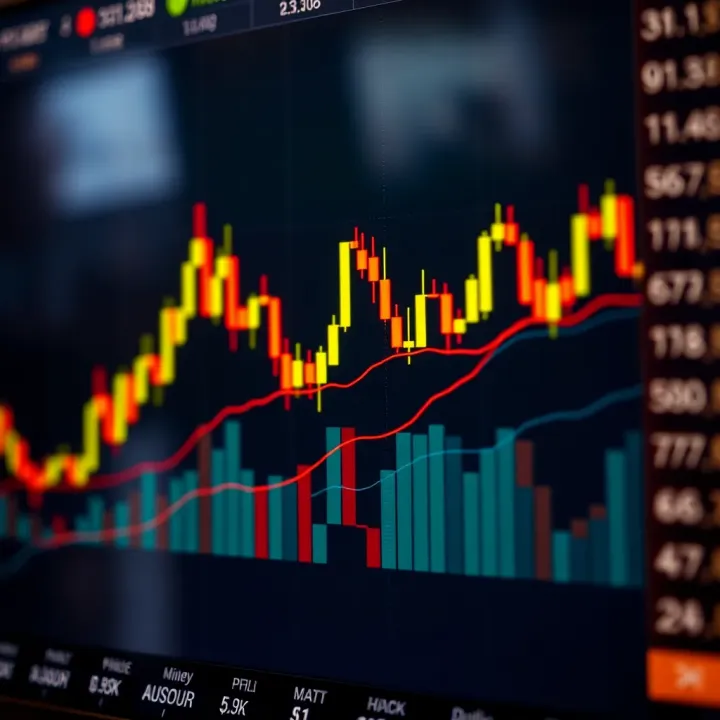
Understanding Forex Trading Charts in Kenya
📈 Learn how to read Forex trading charts and improve your currency trading skills with clear tips designed for Kenyan traders. Manage risks and spot trends confidently!
Edited By
Ethan Shaw
Forex trading, often called currency trading, involves buying and selling currencies on a global scale. Unlike the stock market, which focuses on companies’ shares, forex deals with pairs of currencies, like the US dollar (USD) against the euro (EUR). Traders speculate on how the value of one currency will move against another, aiming to profit from these changes.
In Kenya, forex trading has gained popularity, especially among those looking for alternative income streams beyond traditional jobs. Kenyan traders often use platforms accessible via smartphones or computers, leveraging services like M-Pesa for quick fund transfers to their brokers.
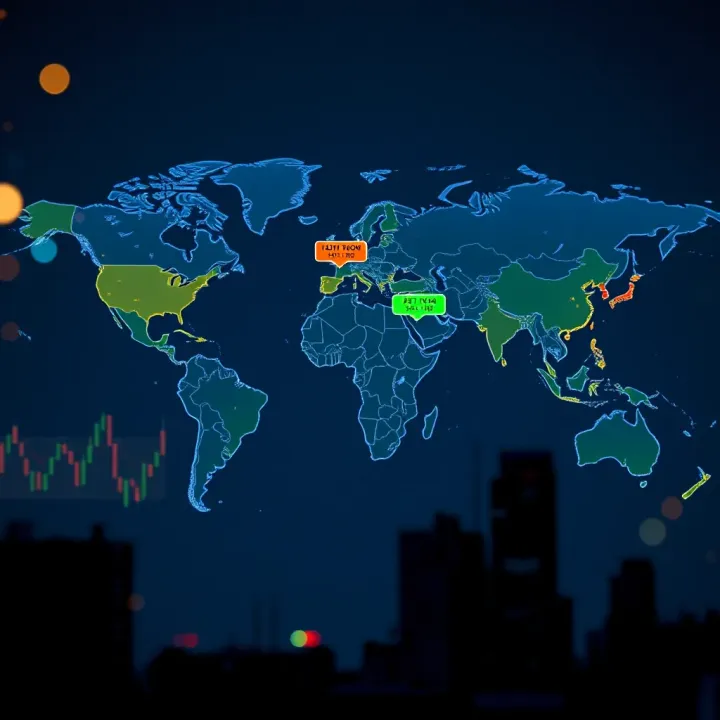
The forex market runs 24 hours a day during weekdays because it operates across different countries and time zones. It opens on Monday morning in Asia and closes on Friday evening in New York. This constant availability allows traders to act quickly on economic news or geopolitical events that can affect currency values.
Key players in the forex market include large banks, multinational corporations, governments, and retail traders. Banks facilitate huge volume trades, while corporations manage currency risk in their international business. Retail traders, often using smaller capital, participate through brokers offering access to these global markets.
Remember: Trading forex involves considerable risk due to market volatility. While it offers chances for profit, unexpected events can lead to significant losses if traders don't manage their risk properly.
Major currency pairs traded in Kenya’s forex scene often include USD/KES (US dollar/Kenyan shilling), EUR/USD, GBP/USD, and USD/JPY. The USD/KES pair is particularly relevant because it directly impacts import/export costs, travel expenses, and remittances.
Understanding market hours is crucial. For example, volatility tends to increase when London and New York markets overlap in the afternoon EAT (East Africa Time). This period often offers more trading opportunities due to higher liquidity.
In summary, forex trading is a dynamic market connecting buyers and sellers across the world, working nonstop during the week. For a Kenyan trader, grasping the basics of currency pairs, market hours, and key participants provides a strong foundation before diving deeper into strategies and risk management.
Forex trading is the process of buying and selling currencies in the global financial market. It matters because it connects countries, businesses, and individuals who need different currencies to trade goods, invest, or travel. For example, when a Kenyan company imports electronics from Japan, it needs to exchange Kenyan shillings (KSh) for Japanese yen to complete the payment. This activity happens every day around the world and forms the core of forex trading.
At its core, forex trading involves exchanging one currency for another with the goal of making a profit from changes in their value. Unlike buying shares in a company, forex deals with currency pairs such as USD/KES, EUR/USD, or GBP/JPY. Each pair shows how much of one currency (quote) you need to buy one unit of another (base). Traders try to anticipate these changes based on economic reports, political happenings, or market moods.
Trading forex means understanding these currency pairs and deciding when to buy or sell them. For instance, if you believe the US dollar will strengthen against the Kenyan shilling, you may buy USD/KES hoping to sell it later at a higher rate. That’s the basic idea behind forex trading — buying low and selling high or vice versa.
Currency exchange takes place in a decentralised market running 24 hours a day on weekdays, driven by supply and demand from various participants such as banks, corporations, governments, and retail traders. The rates fluctuate constantly due to factors like interest rates, inflation data, and international events.
When you exchange money, say at a bank or through M-Pesa’s global transfer service, the rate offered reflects the current market price with a small margin for profit for the service provider. In forex trading, technology platforms connect buyers and sellers globally, making it easy to trade even small amounts using mobile or desktop devices.
This fluid process enables smooth international trade and investment, allowing businesses and individuals to convert currency quickly depending on their needs. For example, during festive seasons like December, forex trading volumes usually increase as people send money home or businesses import goods to meet high demand.
Understanding forex trading starts with recognising that currency values are linked directly to everyday economic activities and global events. The market offers opportunities but also risks that require keen attention and knowledge.
Key takeaway: Forex trading involves exchanging currency pairs with the aim of profiting from their changing values, supported by a global market operating around the clock and influenced by many economic factors.
Understanding how the forex market operates is key to navigating currency trading effectively. This market is vast and moves continuously, reflecting global economic shifts and geopolitical events. Getting a grasp of its structure and main participants helps traders anticipate price movements and manage risks with better precision.
Unlike stock markets with central locations like the Nairobi Securities Exchange, the forex market is fully decentralised. It runs 24 hours a day across different time zones via electronic networks connecting banks, brokers, corporations, and individuals. This means there is no single physical exchange or headquarters. For instance, trading in Nairobi begins as the London session is midway, allowing Kenyan traders to react quickly to European market changes.
This decentralisation leads to high liquidity and tight spreads for popular currency pairs, but it also causes less transparency and potential price discrepancies between platforms. The absence of a central exchange allows forex to operate round the clock, accommodating traders in multiple time zones, which is particularly helpful for those balancing trading with daily business or personal activities.
Large banks and financial institutions dominate forex trading, accounting for the biggest share of daily turnover. They trade currencies to support international business operations, hedge risks, and take speculative positions. For example, a Kenyan bank involved in export funding may buy foreign currency to ensure it can reward its overseas suppliers without disrupting its local operations.
These institutions provide liquidity and set the market tone. Their large volumes influence price trends, meaning retail traders should pay close attention to movements initiated by such players.
Central banks, like the Central Bank of Kenya (CBK), manage their country's currency stability and control inflation. They intervene in forex markets by buying or selling their currency to adjust supply and demand when needed. For example, if the Kenyan Shilling weakens sharply, CBK might sell foreign reserves to support its value.
Their actions can trigger significant volatility and create opportunities or risks for traders. Following central bank announcements and monetary policies remains vital for anyone active in forex.
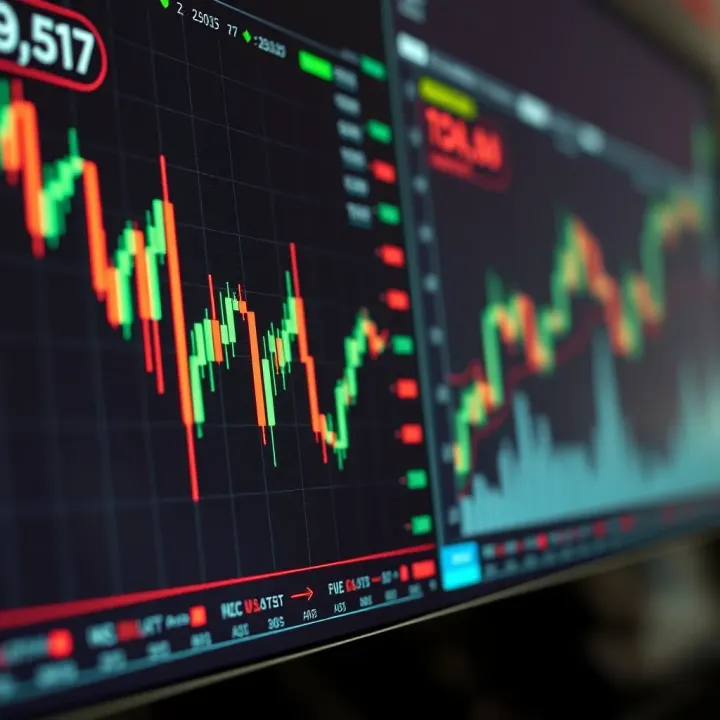
Retail traders—individuals trading through brokers—represent a growing segment in forex. In Kenya, thanks to internet access and platforms like MetaTrader, more individuals engage in forex for speculation or income. Brokers act as intermediaries, providing access to currency pairs, leverage, and tools.
While retail players make up a smaller volume compared to banks, their collective activity influences short-term market sentiment, especially during less liquid hours.
Major currency pairs include the most traded and liquid ones globally, typically involving the US dollar (USD) paired with currencies like the euro (EUR), British pound (GBP), or Japanese yen (JPY). Examples are EUR/USD, GBP/USD, and USD/JPY.
These pairs have the tightest spreads and reflect the health of the world’s largest economies, making them popular among Kenyan traders who prefer stability and liquidity.
Minor pairs exclude the US dollar but involve other major currencies, such as EUR/GBP or AUD/NZD. They tend to have wider spreads and may be affected by regional economic factors. For example, a trader speculating on EUR/GBP might react to Brexit-related news or Bank of England monetary changes.
Trading minor pairs allows diversification but requires understanding the involved economies and political contexts.
Exotic pairs involve one major currency and one currency from an emerging or smaller economy, like USD/ZAR (US dollar vs South African rand) or EUR/TRY (euro vs Turkish lira). These pairs often have lower liquidity and higher volatility.
While exotic pairs can offer big price swings, they carry higher transaction costs and risks due to less stable economic conditions. Kenyan traders should approach these cautiously, ideally using solid risk management strategies.
The forex market’s structure, key players, and currency pairs all shape trading behaviour and opportunities. Knowing these elements helps you plan trades that fit the market conditions and your risk tolerance.
Trading mechanics and platforms are fundamental to forex trading as they determine how transactions are executed and managed. Without understanding these mechanics, even the most knowledgeable trader can struggle to place effective trades or manage risks efficiently. Forex trading platforms provide access to real-time price data, charting tools, and various order options necessary for making informed decisions. In Kenya, popular platforms like MetaTrader 4 (MT4), MetaTrader 5 (MT5), and proprietary apps from brokers such as FXPesa or Pepperstone make forex trading accessible to individual traders.
To start trading forex, you must open an account with a licensed broker. The process typically involves submitting identification documents such as a national ID or passport and proof of residence, complying with Know Your Customer (KYC) regulations. Kenyan traders often find brokers offering accounts denominated in US dollars or Kenyan shillings, enabling easier management of funds. After verification, the trader deposits capital, often via mobile money services like M-Pesa, bank transfer, or card payments.
Selecting the right account type matters too—options range from standard accounts with larger minimum deposits to micro accounts suited for beginners testing smaller amounts. For instance, an account with KSh 10,000 might let you trade micro lots, making it suitable for those new to the market.
Trading platforms are your gateway to the forex market. They display live currency prices, charts, and indicators, plus news feeds to track market-moving events. Tools such as technical indicators (Moving Averages, RSI), economic calendars, and automated trading scripts (Expert Advisors on MT4/MT5) enhance your trading strategy.
Besides desktop versions, many platforms offer mobile apps for convenient trading on the go. This is particularly useful for Kenyan traders navigating daily commutes or managing trades outside office hours. Reliable platforms also provide smooth order execution and secure fund management.
Understanding order types is key to effective forex trading. Each order type controls when and how your trades enter or exit the market.
Market orders execute immediately at the best available price. When you place a market order, your broker fills it promptly, ensuring you enter or exit a position without delay. This is ideal in fast-moving markets where capturing the current price is crucial. For example, if you decide to buy USD/KES at the prevailing rate of 110.50, a market order will trigger your purchase instantly.
Limit orders allow you to specify the price at which you want your trade executed, but the order only fills if the market reaches that level. Traders use limit orders to buy below the current price or sell above it, helping to enter positions at better values or lock in profits.
For instance, if USD/KES is trading at 110.50 but you want to buy only if it drops to 110.00, setting a limit order at 110.00 means your order activates only if the market dips to that price.
Stop-loss orders protect your capital by automatically closing a trade when the market moves against you beyond a set point. This tool limits losses without the need for constant monitoring.
Say you bought EUR/USD at 1.1000 and want to limit losses to 50 pips. You’d set a stop-loss order at 1.0950. If the price hits this level, the system automatically sells your position, preventing further loss.
Proper use of stop-loss orders is especially important for Kenyan traders who might not monitor the market continuously due to work or other commitments.
By mastering trading mechanics and platforms, you gain control over your forex activities, enabling better decision-making and risk management amidst the dynamic forex market.
Currency values in the forex market fluctuate constantly, mainly due to various economic, political, and psychological factors. Understanding these key drivers helps traders anticipate market movements and make better decisions. For example, Kenyan shilling traders watch economic indicators from Kenya and major global economies like the US or China closely, as these reports can shift currency demand within minutes.
Gross Domestic Product (GDP) measures the total value of goods and services produced by a country over a specific period. It gives a snapshot of economic health: a rising GDP usually signals growth and can strengthen a nation’s currency. For instance, Kenya’s GDP growth rate announcements often affect the shilling, as investors interpret these numbers as signs of economic stability or trouble.
When GDP reports exceed expectations, forex traders may buy that country’s currency, anticipating stronger economic activity and higher interest rates. Conversely, weak GDP data often leads to sell-offs. Keeping an eye on Kenya’s quarterly GDP or larger economies like the USA or Eurozone can thus provide clues about potential forex price moves.
Inflation tracks how prices rise over time, affecting purchasing power. Moderate inflation often indicates a growing economy, but runaway inflation can hurt it. For forex, inflation impacts central bank policies, which in turn influence currency values. Higher inflation might push a central bank, say the Central Bank of Kenya, to raise interest rates, making the currency more attractive.
For example, if Kenya’s inflation reports show a sharp rise beyond the target range, traders might expect a rate hike to control inflation, leading to an appreciation of the shilling. On the other hand, unusual deflation or very low inflation could signal economic slack, causing currency weakness.
Employment statistics like job creation numbers and unemployment rates reveal the state of the labour market and overall economic health. Strong employment figures usually mean more people earning and spending, signifying growth, which supports the currency.
In Kenya, reports on formal sector jobs or informal employment trends can influence forex traders’ views on the shilling’s future. Similarly, in the US, monthly employment figures like the Non-Farm Payrolls report often cause brisk currency swings. Poor employment data might signal economic trouble, prompting traders to sell that currency.
Political stability shapes traders’ confidence in a currency. Elections, government reshuffles, policy changes or disruptions – such as protests or conflict – can cause jitters. For example, uncertainty before Kenyan general elections often leads to increased volatility in the shilling. Similarly, tensions between major economies, trade wars, or regional conflicts can shift forex flows quickly. Traders tend to seek safe-haven currencies like the US dollar or Swiss franc during such times.
Beyond fundamentals, the mood of forex traders influences prices heavily. Positive sentiment can drive currency rallies while fear or pessimism triggers sell-offs. Speculators react to news, rumours or technical patterns, sometimes causing prices to overshoot their underlying values.
For instance, if Kenyan or global traders expect the Central Bank of Kenya to change interest rates soon, they might position themselves early in the market, leading to price movements before the official announcement. Understanding market sentiment helps traders navigate both short-term moves and long-term trends.
In forex, prices don’t just reflect facts but also expectations. Successful traders combine analysis of economic data, political stability, and market mood to read the market better and manage risks efficiently.
Foreign exchange trading is not without its hazards. Understanding the specific risks involved and the considerations to mitigate them is essential for anyone looking to trade successfully. This section highlights the key risks traders face and practical strategies to manage those risks effectively.
The forex market is known for its volatility — price swings can be sharp and sudden. For example, a political event like a surprise election result in Kenya can cause the Kenyan shilling to fluctuate rapidly against the US dollar. While this volatility offers profit opportunities, it also means losses can pile up just as quickly.
Leverage further increases this risk. Many brokers offer leverage ratios such as 1:100 or even higher, meaning you control a large position with a relatively small deposit. If the market moves against you even slightly, your losses multiply. A trader using 1:100 leverage who risks KS0,000 could lose KS,000,000 if the market swings drastically. Therefore, although leverage can boost gains, it magnifies your exposure, potentially wiping out your account without careful control.
Using Stop-Loss: A stop-loss order is an instruction to close a trade once it reaches a certain loss level. For instance, if you buy EUR/USD at 1.1200 and set a stop-loss at 1.1150, your trade will automatically close if the price drops to 1.1150, limiting losses to 50 pips. This tool prevents emotional decision-making and protects your capital during sudden market movements.
Position Sizing: This means determining the right amount of money to risk on each trade relative to your account size. For example, if your trading account is KS00,000, a common rule is not to risk more than 1-2% (KS,000 to KS,000) on a single trade. Position sizing helps prevent heavy losses that might drain your account and often involves adjusting the trade volume accordingly.
Diversification: Just as with investing, spreading trades across different currency pairs or trading sessions can reduce the impact of any single loss. For example, trading both USD/EUR and USD/JPY rather than putting all funds in one pair might balance out risks caused by region-specific events. Diversification also involves combining short-term trades with longer positions to adapt to varying market conditions.
Many new forex traders fall into traps like overtrading, chasing losses, or ignoring risk controls. They might open too many positions without clear strategies or use excessive leverage without fully understanding consequences. Another common mistake is failing to stay updated on global economic news that directly affects currency values, which can lead to unexpected losses.
Discipline and patience are the cornerstones of forex success. A well-planned approach with clear risk limits helps traders survive the market’s ups and downs.
Being aware of these risks and applying sound management strategies is the difference between long-term survival and quick loss in forex trading.
📈 Learn how to read Forex trading charts and improve your currency trading skills with clear tips designed for Kenyan traders. Manage risks and spot trends confidently!

📚 Discover the best forex trading books tailored for Kenyan traders. Learn how to pick resources that match your style and boost your market skills! 🇰🇪
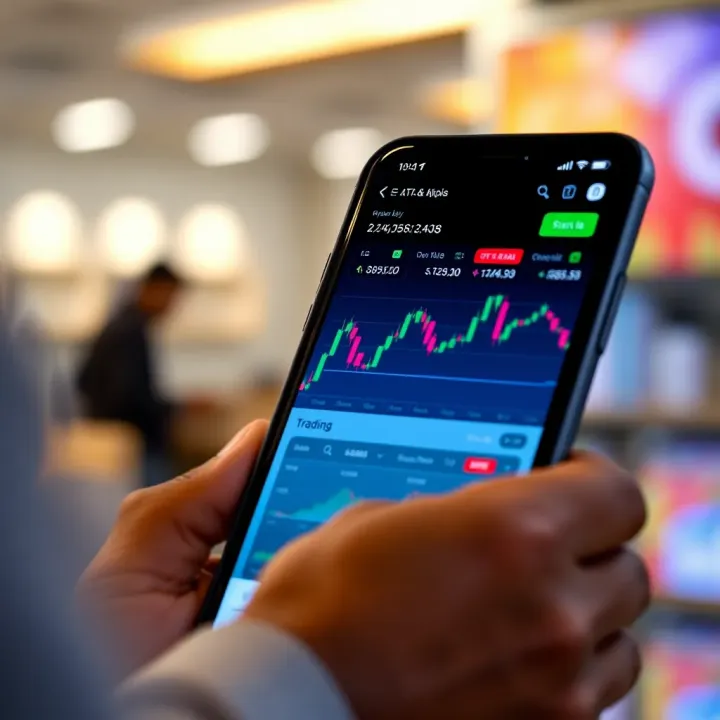
📱 Discover the best forex trading apps for Kenyan traders! Learn how they work, find trusted providers, spot key features, stay secure, and trade smarter today.
🔍 Learn the best times for forex trading in Kenya 🇰🇪! Explore global sessions, peak volatility, and smart timing strategies to boost your trading success 📈.
Based on 5 reviews