
Understanding Forex Trading Charts in Kenya
📈 Learn how to read Forex trading charts and improve your currency trading skills with clear tips designed for Kenyan traders. Manage risks and spot trends confidently!
Edited By
Amelia Turner
Forex trading signals are essential tools for traders aiming to navigate the fast-moving foreign exchange market. For Kenyan traders, understanding these signals can sharpen decision-making, reduce guesswork, and improve chances of a successful trade.
In simple terms, a forex trading signal signals when to buy or sell a currency pair. It is based on detailed analysis of market conditions, price trends, or economic events that affect currency values. By relying on signals, traders gain a clearer picture of the market direction instead of making decisions based on hunches.
“Trading without signals is like driving in the dark without headlights.”
There are several kinds of forex signals, including:
Manual signals created by experienced analysts who study charts and news.
Automated signals generated by software tools or trading algorithms using technical indicators.
Copy trading signals, where you follow the trades of experts via platforms like eToro or Zulutrade.
Kenyan traders can access these signals from brokers offering in-house tools, specialised signal providers, or social trading platforms. Some signals are free, but professional ones usually come with subscription fees.
However, it’s important not to rely solely on signals. Market conditions can change suddenly due to geopolitical developments or unexpected economic data. For example, a signal to buy the US dollar might fail if there’s a surprise change in the Central Bank of Kenya’s policy stance or global economic shock.
Smart traders combine signals with their own analysis and risk management strategies. This means treating signals as guidance rather than guarantees. Setting stop-loss orders and not risking too much capital on one trade protects the trader’s account.
Understanding how forex signals work, how to get reliable ones, and their limitations is the first step for any Kenyan trader wanting to enhance their trading approach. You can use signals to cut through market noise, but always keep an eye on the bigger picture and your trading plan.
Forex trading signals are alerts that inform traders about potential opportunities to buy or sell currency pairs. For Kenyan traders, these signals serve as a guide, especially considering the forex market operates 24 hours and moves fast. Having timely signals can make the difference between catching a profitable trade or missing out.
These alerts usually come with details such as the currency pair, entry price, target price, and stop-loss level to limit potential losses. For example, a signal might suggest buying the USD/KES pair at 110.50 with a target of 111.00 and a stop loss at 110.00. This gives a clear action plan and risk control, which is crucial for consistent gains.
Understanding what forex trading signals are lays the groundwork for smarter trading. It helps you navigate the market with better information rather than guesswork.
A forex trading signal is essentially a recommendation based on analysis, hinting at when to enter or exit a trade. These signals might come from analysts studying charts and economic data or from automated software processing market trends. The main purpose is to support traders by reducing the effort and expertise needed to identify good trading chances.
For Kenyan traders who may not have the time or skills to analyse charts daily, signals offer a shortcut to potential profits. Signals help break down complex market data into actionable steps, making forex trading more accessible. They often include the expected movement direction (buy or sell), price levels to act on, and limits on losses.
Trading forex without any guidance can be like navigating Nairobi traffic during rush hour without a map. Signals act as directions that guide traders through the volatile forex market by suggesting specific actions. For instance, if a signal advises selling EUR/USD at a certain level because economic indicators forecast a decline, you can decide whether to act without needing to spend hours on research.
Moreover, signals encourage discipline. Instead of reacting emotionally to sudden market swings, traders use signals to base decisions on data. This is key in reducing impulsive trades, which often lead to losses. Signals can also offer insights into market trends and potential reversals, helping traders plan their moves ahead.
While signals provide valuable information, they should not replace your trading strategy or research. It’s best to use signals as a tool alongside market updates and personal judgement. In Kenya’s active forex community, combining signals with local knowledge and news can improve trade outcomes significantly.
Understanding the different types of forex trading signals and where they come from can arm you with better tools to make trading decisions. Signals offer guidance on when to enter or exit trades, but not all signals are created equal. Knowing their sources helps you balance trust and usability depending on your trading style.
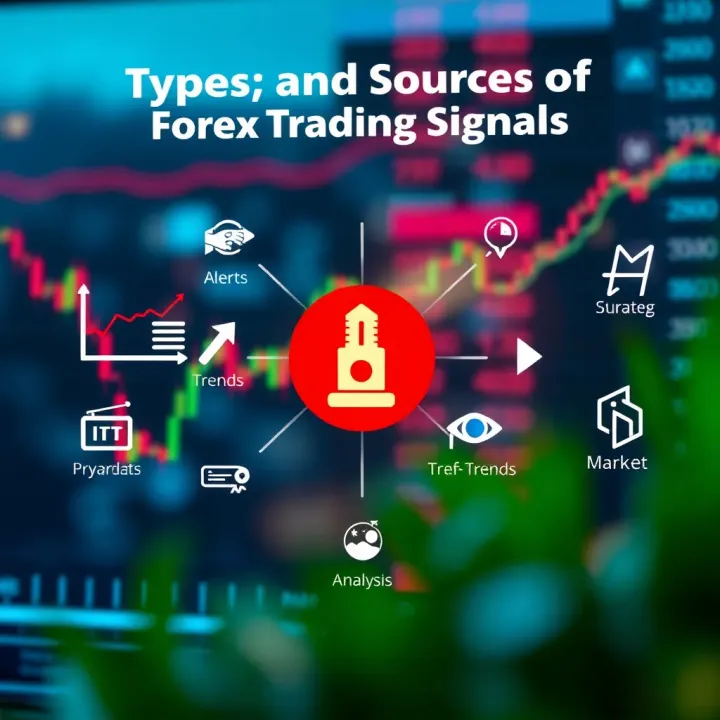
Manual signals come from experienced forex analysts who study charts, economic indicators, and market news. These analysts might work for brokerages, trading groups, or run independent services. Since they combine technical skills with interpretation of market events, their signals carry a human touch. For example, an analyst might warn about potential volatility in the USD/KES pair after a Central Bank of Kenya announcement, suggesting specific entry points.
The main advantage here is the analyst’s ability to factor in market context nuances that algorithms may miss. However, manual signals can vary depending on the analyst’s experience and bias, and may also be slower to update in fast-moving markets. Kenyan traders often find value in subscribing to reputable analyst services or attending webinars where live manual signals are discussed.
Automated signals rely on software programs that scan price charts and apply algorithms like moving averages, RSI, or MACD indicators to generate trade alerts. These systems can track multiple currency pairs around the clock without fatigue. For instance, an algorithm might signal a buy on EUR/USD when the 50-day moving average crosses above the 200-day moving average, suggesting a bullish move.
Using automated signals can save you time and remove emotion from decision-making. That said, they depend entirely on programmed rules and can sometimes flash false positives during choppy or news-driven market phases. Kenyan traders might access these signals through forex platforms or trading apps which integrate algorithmic trading features.
Social trading platforms allow you to follow and even copy the trades of experienced investors. Signals here emerge directly from other traders’ real actions and results. On platforms like eToro or ZuluTrade, you can view the performance history of signal providers, enabling informed choices.
Copy trading is practical for beginners or busy professionals who prefer trusting traders with proven track records. For example, a Kenyan trader could copy a forex expert specialising in commodity currencies such as AUD or CAD. While this reduces the burden of analysis, it also requires careful selection of whom to follow, as blindly copying losses is a real risk.
Not all signals suit every trader. Combining manual insight, automated alerts, and social trading signals can create a balanced approach tailored to your goals and risk appetite.
Finding trustworthy forex trading signals is critical for Kenyan traders aiming to make informed decisions without falling into traps. Reliable signals provide timely hints on when to buy or sell, helping traders save time and reduce guesswork. However, given the many options available, knowing where to look and how to evaluate sources is equally important.
Several well-known platforms offer forex signals that Kenyan traders frequently use. For example, services like Trading View and MetaTrader 4 (MT4) supply both manual and automated signals directly accessible via their software. Kenyan traders also turn to specialised local brokers that sometimes bundle signal services with their trading accounts. Additionally, subscription-based providers such as ForexSignals.com and Learn2Trade offer daily updates, combining expert analysis with algorithmic data.
It's worth noting that many international providers accept payments via M-Pesa or bank transfers, which eases subscription accessibility. Still, be careful to assess whether a provider’s signals align with your trading style—scalping signals may not suit those preferring longer-term positions.
Kenyan traders benefit greatly from engaging with local forex communities. Social media groups on Facebook and WhatsApp bring together traders from Nairobi, Mombasa, Kisumu, and beyond to share insights, discuss signals, and learn from one another. Forums dedicated to forex, occasionally hosted by Kenyan financial blogs, also serve as gathering points to verify signal accuracy and exchange tips.
Furthermore, county-level training workshops and webinars often touch on signal use, offering a personal approach to learning. For example, Kisumu’s recent forex seminar featured sessions on spotting reliable signals and recognising fake tips.
Beware of signals promising guaranteed profits or unrealistic high returns with minimal risk. Scam operators often lure traders with flashy ads or aggressive sales tactics. Always look for transparency—reputable providers regularly provide a track record with verifiable trading results.
Check reviews from trusted sources and ask around in local communities before committing your money. If a signal subscription demands large upfront payments or pushes for quick sign-ups without trial periods, approach with caution. Using free demo accounts to test signals in a risk-free environment is one practical way to assess reliability.
Reliable forex signals can boost trading confidence, but their value depends on source integrity and the trader’s own judgement. Kenyan traders should blend technological tools with local support networks to build a well-rounded approach that avoids pitfalls.
By combining internationally recognised platforms, local community knowledge, and careful evaluation, Kenyan traders can find dependable forex signals to enhance their trading strategies.
Using forex trading signals wisely can significantly boost your trading outcomes, but success depends on how you integrate them into your overall strategy. These signals provide clues about market movements, but they shouldn't replace your own analysis and risk management. Kenyan traders who blend signals thoughtfully with their plans often see better results than those relying solely on tips.
To make the most of trading signals, start by aligning them with your existing strategy. For example, if your approach involves trading major currency pairs like USD/KES based on technical indicators, use signals as a confirmation tool rather than the sole decision-maker. Suppose a signal advises buying EUR/USD at a certain level; check this against your support and resistance zones or moving averages before committing funds.
Another practical method is to use signals to spot potential trades you might have missed. If you mostly trade during the London session, signals can alert you to opportunities in the Asian or New York sessions, helping you stay active and diversify your trades. Remember, indiscriminate reliance on signals without context often leads to confusion or losses.
Risk management remains vital even when following signals. Always set stop-loss orders to limit potential losses if the market moves against you. For instance, if a signal suggests entering a trade at 1.1100 on GBP/USD, decide how much you can afford to lose — say 1% of your trading capital — and place your stop-loss accordingly.
Position sizing is another tool to protect your capital. Avoid committing a large portion of your funds on a single signal, especially if you are uncertain about its accuracy. Kenyan traders can use M-Pesa or bank transfers to fund accounts progressively, ensuring they don’t overextend themselves based on one or two signals.
Additionally, monitor signal performance over time. Not all providers deliver consistent results; keeping a record helps identify which signals align best with your trading style and which don’t.
A major trap is treating signals as guarantees. The forex market is influenced by countless factors, and no signal can predict outcomes with certainty. Blindly following every alert often leads to overtrading and unnecessary losses.
Another error is neglecting your analysis. Some traders ignore market news, economic data releases, or chart patterns, relying solely on signals. This approach misses the bigger picture. For example, if a signal suggests buying USD/JPY but the Bank of Japan announces a surprise policy change, your trade might fail if you haven’t factored in that news.
Also, be wary of signals promising unrealistic returns or pressuring you to act quickly. Scammers exploit such tactics. Always verify the source and test signals on demo accounts before applying them to live trading.
Stick to signals that fit your strategy and risk tolerance. Use them to support, not replace, your trading decisions.
By integrating signals thoughtfully, managing risks carefully, and avoiding common pitfalls, Kenyan traders can improve their chances of making smart trades and protecting their capital.
Forex trading signals can be helpful tools, but it’s essential for Kenyan traders to understand their risks and limitations. Relying entirely on signals without knowing their weaknesses can lead to significant losses. Being aware of these factors helps you use signals more wisely and protect your capital.
Trading signals aren’t crystal balls—there are no guarantees that a signal will result in profit. The forex market is affected by many unpredictable factors like economic news, political changes, or sudden market sentiment shifts. For example, a signal might suggest buying the US dollar against the Kenyan Shilling, but if a surprise announcement changes investor mood, the trade might quickly turn against you. Signals provide informed guesses based on analysis, not certain outcomes. Traders must treat signals like advice, not a sure bet.
Signal delays can affect their usefulness, especially in fast-moving markets. If a signal reaches you late, the trading opportunity may have passed or market conditions changed. For instance, during Kenya’s election period, currency markets often swing sharply. A delay of just a few minutes could mean acting on stale information. Besides delays, sudden market volatility can make signals less reliable. High volatility often causes price spikes and erratic movements that no signal can predict perfectly. Traders should factor in these risks and not act blindly on signals when volatility is high.
Relying solely on signals can be risky if you don’t understand the market yourself. Continuous learning helps you evaluate whether a signal fits your trading plan and current conditions. For example, if you notice signals repeatedly fail during certain economic announcements like CBK rate decisions, you can prepare to ignore or adapt during those times. Verifying signals through technical analysis, news updates, or using demo accounts first can prevent costly mistakes. In Kenya’s dynamic market context, blending signals with personal knowledge and research improves your chances of success.
Remember, no matter how good the signals seem, your trading decisions must be backed by your judgement. Signals are tools, not replacements for skill and experience.
By recognising these risks and limitations, Kenyan traders can approach forex signals with caution, protect their investment, and build stronger trading strategies over time.
📈 Learn how to read Forex trading charts and improve your currency trading skills with clear tips designed for Kenyan traders. Manage risks and spot trends confidently!
Explore how Kenyan traders can choose reliable forex brokers with our detailed guide covering types, regulations, and crucial factors 🤑📊🇰🇪

📚 Discover the best forex trading books tailored for Kenyan traders. Learn how to pick resources that match your style and boost your market skills! 🇰🇪
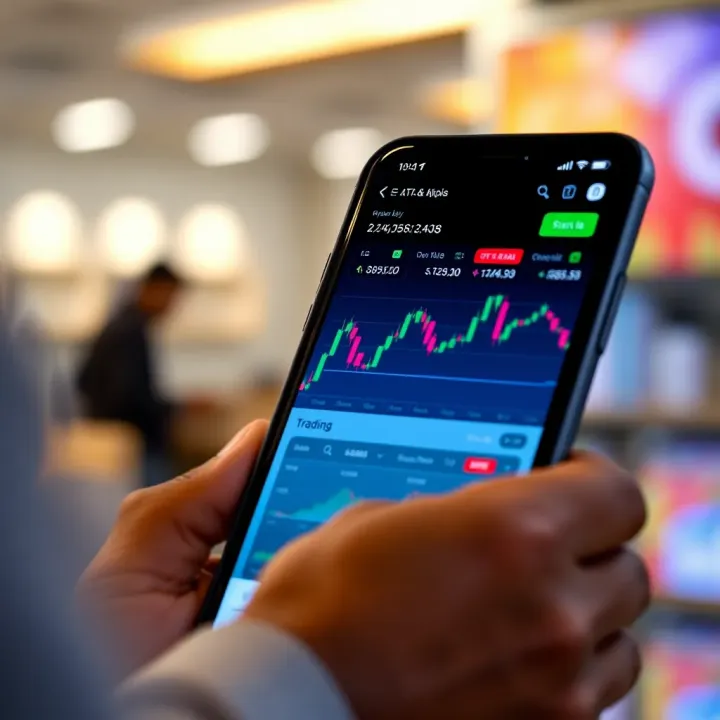
📱 Discover the best forex trading apps for Kenyan traders! Learn how they work, find trusted providers, spot key features, stay secure, and trade smarter today.
Based on 9 reviews