

Understanding Binary Options for Kenyan Traders
Learn how binary options trading works in Kenya 🇰🇪⚖️, explore risks, strategies, and key facts to trade smarter and stay regulated with our clear guide.
Edited By
Amelia Collins
Non-binary identity refers to how some people see themselves outside the typical male or female labels. This means their gender isn’t just strictly man or woman—they might feel like both, neither, or something else entirely. Understanding this helps tackle misconceptions and supports a more inclusive society.
In Kenyan society, the traditional roles of men and women remain strong, but a growing number of people are opening up about their non-binary experiences. This challenges the usual gender binary and pushes for more awareness on how we define identity.
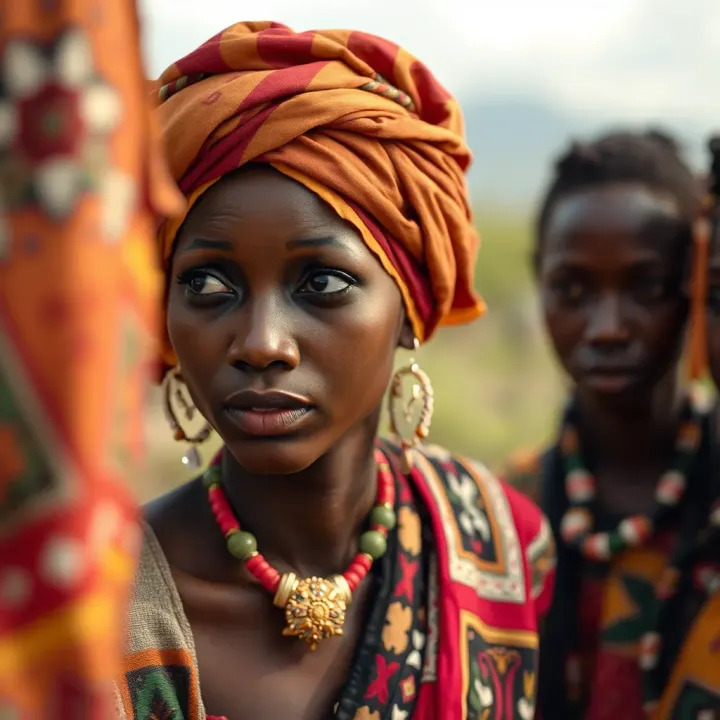
Non-binary identity isn’t new—various cultures worldwide have recognised genders beyond male and female. For example, the Luo people acknowledge terms that describe gender fluidity, and some Kenyan communities have historical acceptance of different gender roles. Still, modern social norms sometimes clash with these views, creating challenges for non-binary individuals today.
Navigating identity in a society where gender is often seen in strict categories can lead to discrimination and exclusion, especially in work, family, and legal settings.
Practical understanding matters for businesses and financial professionals engaged in diverse environments. Recognising non-binary identities means:
Respects individual dignity and boosts workplace inclusivity.
Helps tailor products or services to reflect diverse customer identities.
Prevents unintentional exclusion in client engagement and human resource policies.
For example, a bank onboarding process that offers only ‘male’ or ‘female’ as options may discourage non-binary clients from using the service. Simple changes like adding a third option or allowing free-text gender entries make interactions smoother and inclusive.
In summary, grasping non-binary concepts involves appreciating gender as a spectrum, recognising cultural diversity in gender identities, and responding with practical measures that accommodate everyone. This foundation paves the way for deeper discussion about experiences, social context, and ways to support non-binary people in Kenya and beyond.
Understanding what "non-binary" means is key for anyone looking to grasp the broader conversation about gender identity in Kenya and beyond. This term moves away from the traditional male-female categories and reflects the reality that gender can be more fluid and varied. For finance professionals, traders, and analysts, recognising this helps ground social awareness in broader discussions about workplace inclusivity, legal rights, and social dynamics which increasingly influence business environments.
Non-binary individuals do not identify exclusively as male or female. Rather than fitting into the traditional gender boxes, they may feel somewhere in between, outside, or even fluctuate between genders. This distinction is practical for workplaces or institutions needing to rethink policies on gendered dress codes, bathrooms, or official forms — recognising that offering options beyond "male" and "female" respects these identities.
The relevance here is clear: embracing non-binary identities challenges existing binary systems and forces us to reconsider what gender means practically. For example, a company may choose to introduce non-binary pronouns or update HR systems to reflect diverse identities, promoting a more inclusive culture.
Non-binary is an umbrella term covering various gender identities such as genderqueer, genderfluid, agender, and bigender, among others. Each reflects a personal experience of gender that may blend or reject conventional ideas. Recognising these distinctions helps avoid lumping all identities together, which can feel dismissive or inaccurate.
For instance, genderfluid people experience shifts in their gender identity over time, while agender individuals typically do not identify with any gender at all. Having a grasp of these variations ensures businesses, policy-makers, and community leaders can respond appropriately and respectfully, especially when crafting environments or laws that consider gender diversity.
One common misunderstanding is dismissing non-binary identity as a temporary phase or confusion, especially among young people. However, many non-binary individuals know and express their gender identity consistently over years. Ignoring this can cause real harm, leading to social exclusion or difficulty accessing services.
Understanding that non-binary identity is valid and enduring encourages more supportive attitudes in workplaces, schools, and families. For example, employers who take staff experiences seriously are more likely to retain talented individuals who might otherwise feel unseen.
Non-binary is sometimes wrongly confused or equated with transgender. While both challenge traditional gender norms, they are not identical. Transgender generally refers to someone whose gender identity differs from their birth-assigned sex, typically transitioning from male to female or vice versa. Non-binary people may or may not identify as transgender, as their experience defies the binary altogether.
Recognising this distinction is practical in ensuring policies or service provisions do not unintentionally exclude or mislabel individuals. For instance, healthcare providers in Kenya can improve patient care by understanding such differences, creating environments where diverse gender identities are fully respected and treated appropriately.
Embracing the complexity of gender beyond male and female categories fosters respect and practical change in social, legal, and professional settings. Recognising non-binary identity helps frame these changes clearly and sensitively.
Understanding the history and cultural background of non-binary identities sheds light on how gender diversity has existed well before contemporary discussions. This context helps investors and finance professionals appreciate social dynamics that influence markets and consumer behaviour, especially when considering inclusive policies or engaging with diverse communities. Recognising non-binary experiences in history encourages respect for cultural depth and invites better-informed decisions in environments where gender identity affects workplace inclusion and social cohesion.
Kenya's indigenous communities have long recognised diverse gender roles that go beyond the strict male-female binary. Among the Maasai, for instance, some individuals have traditionally taken on roles and behaviours associated with both genders. The Luhya community highlights similar examples, where spiritual or community roles sometimes transcended binary gender expectations. These historical practices demonstrate that non-binary identities are not foreign to Kenya but rooted in cultural traditions.
Such examples are practical guides for modern society, showing how gender diversity can be integrated respectfully within communities. For businesses and organisations, understanding these traditions can aid in creating culturally sensitive diversity programmes and improving community relations.
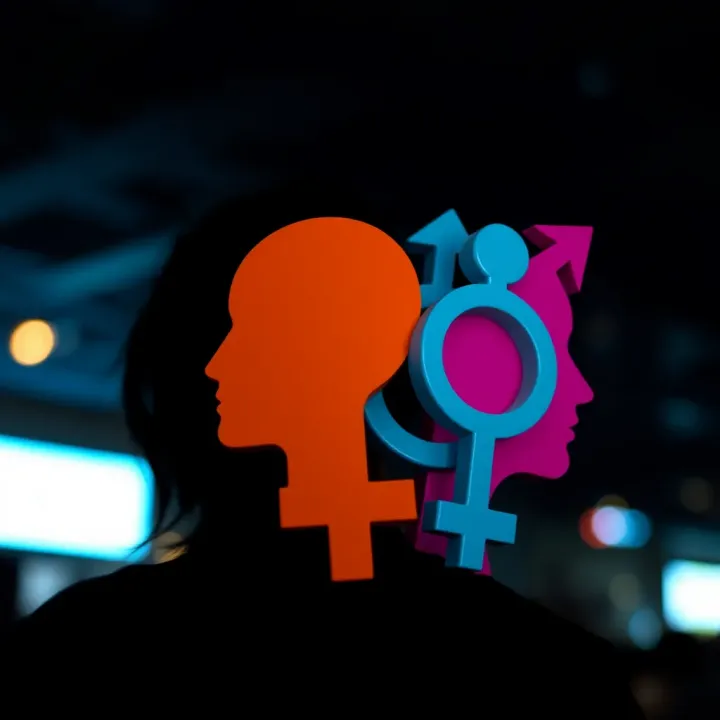
In many African societies, gender was historically connected more with social functions than biological sex. Spiritual leaders, healers, or mediators often held positions that required crossing conventional gender roles. These roles allowed for flexibility and fluidity, recognising the complex nature of identity.
This perspective challenges the rigid gender categorizations that may prevail in modern legal or workplace systems. For finance and business sectors, realising such fluidity opens pathways to inclusive policies and benefits, reducing discrimination and broadening talent pools.
Globally, attitudes toward non-binary identities vary widely. Countries like Canada, Germany, and Australia have made visible strides in recognising and accepting non-binary people, especially through public education and workplace inclusion policies. Meanwhile, some regions still lack understanding or legal protections, making life challenging for non-binary individuals.
For investors or business professionals operating transnationally, awareness of these differences is crucial. It affects hiring, corporate social responsibility efforts, and compliance with local regulations. Respecting local cultures while promoting inclusivity can benefit brand reputation and employee wellbeing.
Legal recognition remains a key area where progress differs. Some countries now allow for non-binary or third-gender markers on official documents such as passports and IDs. This change facilitates easier access to health services, voting, and travel without constant explanation or dispute.
In Kenya, while the law does not yet recognise non-binary gender markers officially, international examples show the tangible benefits of legal acknowledgment. Organisations supporting non-binary individuals can advocate for policy reforms, which ultimately contribute to safer and more equitable environments. Globally, legal recognition also influences market regulations and nondiscrimination laws, aspects vital for compliance and sustainable business operations.
Appreciating the historical and cultural contexts of non-binary identities helps professionals create informed, respectful, and inclusive environments that align with contemporary human rights standards.
Indigenous Kenyan communities have traditionally recognised gender beyond male and female
Social roles often dictated gender expressions more than biological sex
Different countries show varied levels of acceptance and legal recognition
Legal ID recognition impacts access to services and rights
Understanding these issues is essential for socially responsible business and inclusive workplaces
This insight equips professionals with a grounded understanding, essential when navigating Kenya's evolving socio-economic landscape and engaging with diverse populations globally.
Understanding how non-binary individuals express and live their identity is key to appreciating the day-to-day realities they face. For traders, investors, and finance professionals, this awareness can promote respectful and inclusive work environments, boosting morale and productivity. Personal expression often goes beyond mere appearance; it shapes how non-binary people communicate their authentic selves and navigate social systems built around binary gender assumptions.
Pronouns serve as a basic recognition of someone’s identity. Non-binary individuals often prefer gender-neutral pronouns such as "they/them" or local equivalents that move beyond "he" or "she." Using correct pronouns is a simple yet powerful way of showing respect. For instance, in a meeting or email exchange, addressing someone with the pronouns they prefer avoids unnecessary discomfort and affirms their identity.
Respecting pronouns also reduces misunderstanding and fosters clearer communication in workplaces or social settings. In Kenya, many non-binary people explain that being misgendered — called by wrong pronouns — undermines their sense of self and can create emotional distress. Cultivating an environment where pronouns are shared and honoured helps normalise inclusion without drawing undue attention.
Clothing is one of the most visible ways non-binary people express their identity. They may choose attire that does not conform to traditional male or female dress codes. This could mean a mix of colours, styles, or fabrics commonly associated with different genders, or simply wearing what feels right to them.
For example, in Nairobi’s art circles, some non-binary individuals wear tailored suits with softer colours or mix accessories like jewellery traditionally worn by women alongside masculine clothing. Such choices challenge conventional norms and invite others to rethink rigid gender expectations. In workplace settings like banks or financial firms, the balancing act between professional dress codes and personal authenticity can be tricky but is achievable through dialogues encouraging flexible dress policies.
Coming out as non-binary in Kenya often involves navigating family expectations rooted in traditional gender roles. Unlike openly sharing sexual orientation, declaring a non-binary identity may require explaining concepts that family or community members might not have encountered before.
Many non-binary Kenyans describe coming out as a gradual process—sometimes starting with close friends before family—and often met with a mixture of curiosity, confusion, or rejection. Being prepared with clear and patient explanations helps in reducing misunderstandings. For finance professionals who may relocate or travel frequently, finding supportive networks abroad or online can provide comfort during this process.
Support plays a crucial role in the wellbeing of non-binary people. Aside from family, non-binary individuals often benefit from peer groups and organisations that understand their unique challenges. In Kenya, NGOs focusing on LGBTQ+ rights and online platforms offer resources, counselling, and safe spaces.
At the workplace, establishing mentorship programmes or support circles can help non-binary employees feel valued and heard. Communities that embrace diversity not only improve individual happiness but also create resilient teams capable of dealing with varied challenges. The lesson for finance and business leaders is clear — fostering acceptance boosts cohesion and taps into a wider range of talents and perspectives.
Embracing personal expression and understanding the social dynamics of non-binary identity leads to a more inclusive society and workplace, where every individual’s potential is recognised and respected.
Understanding the challenges non-binary individuals encounter in Kenya highlights the social and legal barriers that limit their full participation in society. These obstacles are not just theoretical issues—they affect everyday life, from getting a job to accessing healthcare. For traders, investors, and finance professionals working in Kenya or with Kenyan counterparts, being aware of these challenges fosters better inclusion policies and market understanding.
Community attitudes towards non-binary people in Kenya tend to be shaped by traditional gender norms, which often don't recognise identities outside male and female categories. This leads to frequent misunderstandings and prejudice, with many non-binary persons facing social exclusion or even hostility. For example, in some rural areas, non-binary folks might be unfairly labelled as deviant or confused due to lack of awareness, making everyday social interactions challenging.
Such stigma not only affects personal life but spills over into professional and public spheres, where non-binary individuals may hesitate to express their identity openly. This restricts their social capital and networking possibilities, which are crucial in Kenya’s relationship-driven economy.
In the workplace, discrimination against non-binary employees can be subtle or overt. A non-binary person might face difficulty during recruitment or risk being overlooked for promotion due to bias or discomfort from employers and colleagues. For instance, job applications and official records usually ask for "male" or "female" identification, forcing candidates to choose inaccurately. Such rigid categorisation can lead to exclusion or a feeling of invisibility.
In education, non-binary students often struggle with acceptance from teachers and peers, which affects their academic confidence and performance. Schools and universities frequently lack gender-neutral facilities or support systems. This impacts retention and completion rates for non-binary learners, which in turn influences their future career prospects and economic participation.^
Kenyan official documents like national IDs, passports, and birth certificates only allow male or female gender markers. For non-binary individuals, this lack of legal recognition causes mismatches between their identity and official papers. These issues complicate everyday activities that require ID verification, including opening bank accounts, signing contracts, or accessing government services.
Without the option to accurately state their gender, non-binary people often face questioning or denial of services. This legal rigidity increases vulnerability and discourages formal economic engagement, affecting both personal finances and broader market inclusivity.
Health care access poses another major challenge. Medical forms and records in Kenya typically do not accommodate non-binary identities, limiting patient comfort and accurate diagnosis. For example, a non-binary person may be forced to explain their gender identity repeatedly or encounter healthcare providers unfamiliar with their specific needs.
This barrier can cause delayed or avoided medical treatment, impacting mental and physical well-being. Moreover, those seeking gender-affirming healthcare face a lack of specialised services and often stigma from healthcare workers. These hurdles reduce overall health outcomes and complicate insurance or NHIF (National Hospital Insurance Fund) claims.
Addressing these challenges requires comprehensive policy reform and greater public education to create a more inclusive environment, benefiting not only non-binary individuals but the wider Kenyan economy and society.
Supporting non-binary individuals in Kenya is key to fostering a more inclusive and respectful society. Non-binary people often face barriers that affect their wellbeing, from discrimination in workplaces to social exclusion within communities. Practical support can improve their mental health, boost economic participation, and help create spaces where diversity is recognised and respected.
Workplaces and schools should aim to be safe spaces where everyone’s identity is accepted without question. This means adopting inclusive policies such as respecting chosen names and pronouns, allowing dress codes that do not enforce strict gender binaries, and educating staff about gender diversity. For example, introducing gender-neutral toilets in offices or schools can go a long way in making non-binary individuals feel comfortable. Companies like Safaricom have started diversity training programmes that include gender identity awareness, helping set a positive example.
Schools also play a crucial role by integrating gender diversity topics into their syllabus or sensitisation sessions, helping young people understand and respect non-binary identities early on. This reduces bullying and harassment, creating a culture of openness among students and teachers alike.
Raising awareness in wider communities helps tackle deep-rooted misunderstandings and stigma around non-binary people. Public education campaigns, community forums, and workshops can offer explanations about non-binary identities in culturally respectful ways. Such activities foster empathy and challenge harmful stereotypes common in many Kenyan settings.
For instance, local churches or community centres can host dialogues that explain the difference between gender identity and sexual orientation, and why recognising non-binary identities contributes to social cohesion. Media outlets that provide fair and accurate representations of non-binary lives can also shape public attitudes positively. These efforts equip communities with knowledge, reducing isolation for non-binary individuals and promoting acceptance.
Several grassroots organisations in Kenya focus on supporting LGBTQ+ rights, including those specific to gender diversity. Groups like Ishtar MSM and Gay Kenya Trust offer counselling, advocacy, and safe spaces where non-binary people can connect and share experiences. These organisations provide critical services such as legal advice, mental health support, and assistance with navigating hostile environments.
Such NGOs often work with policymakers to advocate for changes like more inclusive identification documents or non-discriminatory workplace laws. Their role strengthens community resilience and helps create an environment where non-binary individuals can thrive and feel valued.
Online networks offer additional support by connecting non-binary Kenyans across cities and rural areas. Social media groups, discussion forums, and dedicated platforms provide anonymity and accessibility to those who may not find physical safe spaces nearby. Platforms like Twitter and Facebook host vibrant communities that share resources, stories, and advice on living authentically.
These digital spaces also allow for education and mobilisation efforts. For example, online campaigns that celebrate non-binary visibility encourage pride and awareness while pushing for legal reforms. They are vital for building solidarity and amplifying voices that might otherwise be unheard in Kenya’s broader public sphere.
Supporting non-binary people in Kenya requires action at many levels—workplaces, schools, communities, and online. With targeted efforts, we can build a society that genuinely respects gender diversity.
Learn how binary options trading works in Kenya 🇰🇪⚖️, explore risks, strategies, and key facts to trade smarter and stay regulated with our clear guide.
🔍 A detailed guide for Kenyan users on Binary Cashier: setup steps, key features, security tips, and solutions to common issues for safe transactions.

Learn everything about binary trading accounts 📊—types, setup, risks, and tips to manage your trading safely and confidently in Kenya 🇰🇪. Start smart!

🔍 Learn how binary search efficiently finds items in sorted lists by halving intervals. Explore its uses, code examples, and relevance to Kenya's tech sector.
Based on 10 reviews