
Understanding Risk Management Basics
📊 Learn how understanding risk management helps Kenyan businesses safeguard assets, improve decisions, and maintain stability through effective practices.
Edited By
Henry Lawson
Project risk management involves identifying, analysing, and responding to potential risks that could affect the success of a project. In Kenya's dynamic business environment, understanding this process helps traders, investors, and finance professionals avoid unexpected setbacks that can lead to financial losses or project delays.
Managing project risks effectively means looking beyond the obvious and preparing for any challenges that might crop up during the project's lifecycle. For example, a construction firm working on a Nairobi housing project might face risks such as supply chain delays or sudden regulatory changes by county governments. Identifying these early helps the team plan mitigations before they escalate.
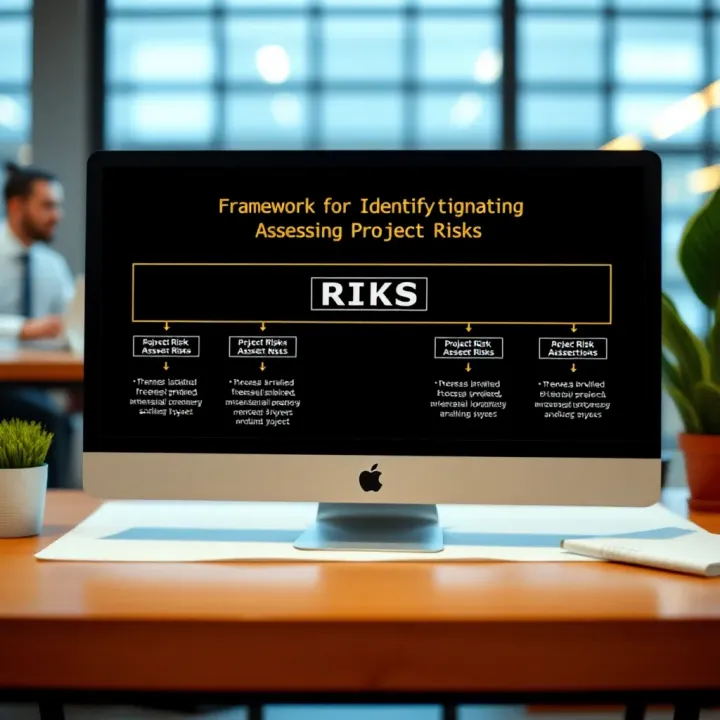
Key to this approach is breaking down risks into clear categories: external risks (like economic shocks or political unrest), internal risks (such as resource shortages or technical failures), and project-specific risks (like scope creep or poor stakeholder communication). Recognising these categories helps professionals tailor risk responses appropriately.
Proactive risk management reduces surprises and keeps projects on schedule and budget.
Risk Identification: List potential risks through brainstorming, expert interviews, and reviewing past projects.
Risk Assessment: Evaluate risks in terms of likelihood and impact; tools like risk matrices can help prioritise.
Risk Response Planning: Develop strategies such as avoidance, mitigation, transfer, or acceptance based on risk priority.
Monitoring and Control: Keep track of identified risks and adjust plans as needed through regular project reviews.
For instance, a Kenyan tech startup launching a mobile payment app may accept some operational risks but choose to mitigate security risks by investing in robust encryption and regular audits.
Traders and investors often back projects or companies and benefit greatly from understanding the risk landscape. Knowing how a project manages risks informs better investment decisions and portfolio management. Brokers and analysts can offer clients sharper advice by factoring in these elements.
In short, effective project risk management helps Kenyan businesses navigate volatile conditions confidently, ensuring projects meet their objectives without costly interruptions.
Grasping the basics of project risk management is fundamental, especially for traders, investors, and finance professionals who deal with projects that might face unexpected bumps. Project risk management helps you spot potential problems before they snowball, ensuring smoother project execution and better use of resources. For instance, a construction firm in Nairobi managing a county government project needs to identify risks like delayed material delivery or sudden regulatory changes early to avoid hefty penalties or stalled work.
Project risk refers to any uncertain event or condition that can impact a project’s objectives — be it time, cost, scope, or quality. These uncertainties aren’t just threats; sometimes they’re opportunities too. In finance, for example, an unexpected change in market interest rates could increase borrowing costs for SME projects, impacting cash flow forecasts.
Risks often arise from various areas, such as technical issues, financial constraints, environmental factors, and social or political dynamics. For instance, a new technology rollout in a Kenyan fintech company encounters technical bugs, while political unrest might delay approvals for infrastructure projects. Understanding where risks come from helps to plan fits better risk controls.
When risks are ignored or poorly managed, projects can face delays, inflate costs, or deliver subpar quality. A classic example is a real estate development project in Mombasa that underestimated flood risks, resulting in site damage and cost overruns during the long rains. Such impacts erode stakeholder confidence and may even lead to project failure.
Risk management matters because it transforms unknown threats into manageable issues. In the Kenyan business terrain, where market volatility and regulatory changes are frequent, being proactive with risk allows firms to avoid surprises and safeguard investments. It’s like carrying a spare tyre during a long boda boda ride — you might not need it, but it’s vital when the unexpected happens.
Projects that apply consistent risk management tend to finish on time, stay within budget, and meet intended goals. For example, a solar energy startup in Kisumu that regularly assesses supply chain risks ensures smooth equipment delivery, avoiding costly project delays. Effectively managing risks enhances decision-making and improves stakeholder trust.
Risk management involves several steps: identifying risks, assessing their potential impact, planning responses, implementing those plans, and continuously monitoring. Picture a fund manager deciding to hedge currency exposure after recognising forex risk, then regularly reviewing the hedge as market conditions shift. This cyclical process keeps projects aligned with their objectives despite uncertainties.
Successful risk management is less about eliminating all risks and more about understanding, prioritising, and handling them wisely to keep projects on track.
By mastering these basics, you can ensure your projects withstand shocks and reach their desired outcomes effectively.
Identifying risks early in a project is a crucial step for traders, investors, and finance professionals. Catching potential risks before they escalate allows project teams to prepare effective strategies, reducing the chance of costly delays or losses. In Kenya’s dynamic economic landscape, where market conditions, regulatory changes, and social factors can shift rapidly, recognising these risks is particularly vital.

Brainstorming sessions gather diverse perspectives from the project team and stakeholders, sparking creative approaches to spot potential risks. This method works well because it draws on collective experience rather than relying on a single point of view. For example, a project developing a new trading platform in Nairobi might hold brainstorming meetings with IT experts, compliance officers, and user experience designers to identify technical glitches, regulatory hurdles, or customer adoption issues.
Brainstorming encourages open dialogue and can uncover non-obvious threats or opportunities. It’s wise to regularly schedule these sessions throughout the project lifecycle, not just at the start, to capture emerging risks.
Using checklists based on historical project data provides a systematic way to flag recurring risks. Projects in sectors such as construction or agriculture can use past records to avoid repeating mistakes like budget overruns or equipment failure. For instance, a building contractor in Mombasa may maintain a checklist noting previous dangers such as permit delays or supply shortages.
Historical data help contextualise risks within local realities, making the identification process more tailored and practical. Combined with real-time data, checklists support proactive risk spotting rather than reactive problem-solving.
Engaging various stakeholders—clients, suppliers, regulators—offers valuable insights often missed internally. Stakeholders possess firsthand knowledge of market conditions, policy shifts, or community concerns that could affect a project's success.
In Kenya’s diverse business environment, consulting local authorities or community representatives before launching a project can highlight environmental or social risks early. For example, a renewable energy venture in Kisumu might hear about local concerns over land use or water access by involving county officials and village elders.
A risk register is a live document where identified risks are recorded along with their characteristics—likelihood, impact, and status. It acts as the central hub for tracking and updating risks throughout the project.
For finance professionals managing multiple investments, a risk register helps monitor where attention is needed most, informing resource allocation and contingency planning. Keeping this register updated ensures risks don’t slip through the cracks as the project evolves.
Categorising risks helps focus management efforts. Technical risks might include system failures or technology gaps, while financial risks cover budget overruns, fluctuating exchange rates, or funding delays. Environmental risks involve factors like weather conditions or resource availability, significant in agriculture or infrastructure projects. Social risks may arise from community opposition or shifts in labour dynamics.
A Kenyan investor in a manufacturing plant must weigh these categories. For example, technical issues in machinery could delay production, financial risks may stem from currency fluctuations against the dollar, environmental challenges might include the impact of long rains flooding the factory, and social concerns could arise from local workers’ strikes.
Keeping risks well-documented and properly categorised not only improves clarity but also enables timely, focused actions that protect project success in the Kenyan context.
Assessing and prioritising risks is a key step in project risk management. It helps teams understand which risks need attention first, what their potential effects might be, and how resources should be allocated. Without proper assessment, teams may waste effort on minor issues while ignoring bigger threats that could derail the project. In practice, clear evaluation and ranking of risks directly influence decision-making, keeping projects on track and within budget.
Qualitative methods are often the starting point for risk evaluation. They involve categorising risks based on their likelihood of occurrence and potential impact using descriptive scales, such as low, medium, or high. For example, in a construction project near Nairobi, political unrest might be marked as a high-impact, medium-probability risk. These tools help teams quickly assess risks without needing complex data, making them suitable for projects with limited time or resources.
This approach allows stakeholders to share insights and reach a consensus on which risks feel most threatening, especially when historical data is scarce. Tools like expert judgment sessions or risk probability-impact charts fit well here, offering straightforward guidance to steer resources towards crucial concerns.
Quantitative analysis digs deeper by assigning numerical values to probabilities and impacts, providing measurable estimates of risks. Techniques such as Monte Carlo simulations or decision tree analysis crunch numbers to forecast how specific risks might affect cost or schedule. For instance, a company planning to invest in a new tech startup can model various market scenarios with associated probabilities to estimate possible financial losses.
This method requires reliable data and statistical expertise but offers concrete numbers that help in budgeting or setting risk reserves. Kenyan firms involved in infrastructure or finance increasingly use quantitative analysis to prepare for possible market swings or changes in material prices, as it helps them quantify uncertainty in monetary terms.
A risk matrix is a visual tool that plots risks on a grid, typically with probability on one axis and impact on the other. Risks falling in the top-right corner receive the highest priority since they are both very likely and severe. This system simplifies complex risk data into manageable sections, letting project managers see at a glance where attention is most urgent.
Using scoring systems, each risk is assigned numeric values for likelihood and consequence, which combine into an overall risk score. This makes comparison straightforward and aids in communicating risk levels clearly to all stakeholders. For example, a risk scoring 16 (on a scale of 1 to 25) clearly calls for a quicker response than one scored at 4.
Once risks are ranked, teams decide what actions to take based on priority. High-priority risks demand immediate mitigation strategies or backup plans. Medium-priority risks might be monitored closely, while low-priority ones could be accepted with little intervention.
In Kenyan project settings, this prioritisation ensures that scarce resources are directed towards risks that could cause the most disruption. For example, in a supply chain project, fluctuating fuel prices might be a high-priority risk, triggering fuel price hedging or looking for alternative transport modes. Lower risks, like minor supplier delays, might be noted but not require immediate action.
Prioritising risks is not a one-time task but requires continuous attention, especially as projects evolve. Regular updates to risk rankings keep the management proactive rather than reactive.
By carefully assessing and ranking risks, Kenyan projects improve their chances of success through focused efforts and realistic preparedness.
Managing risks in projects is vital in keeping progress on track and avoiding costly setbacks. Kenyan traders, investors, and finance professionals often deal with uncertainties, so having clear strategies to manage these risks helps secure investments and strengthen project outcomes. These strategies help identify which risks to prevent, reduce, transfer, or accept, keeping losses within manageable limits.
Risk Avoidance Techniques involve changing project plans to completely sidestep risks that could severely impact objectives. For example, a construction firm in Nairobi might avoid building in flood-prone areas during the rainy season to prevent delays and damage. This proactive choice saves on expensive repairs or downtime. Avoidance is especially useful when a risk’s potential harm outweighs the costs of altering the project.
On the other hand, Mitigation Measures reduce the impact or likelihood of risks without entirely eliminating them. For instance, a trader importing goods may negotiate better shipping terms or diversify suppliers to lower the risk of delays or price hikes. Mitigation focuses on reducing vulnerability through careful planning and controls, ensuring that risks don’t derail the project but still allow progress to continue.
Risk Transfer Through Contracts or Insurance shifts the burden of risk to a third party, often through agreements or insurance policies. Kenyan businesses commonly transfer risks by using supplier contracts with penalty clauses for late deliveries or by purchasing insurance for assets and liability. This means if a problem occurs, financial loss or responsibility doesn’t fall entirely on the project owner.
Sometimes, Accepting Risk makes sense—particularly when the cost of avoiding or transferring a risk is greater than the possible impact. For example, a small-scale investor might accept currency fluctuation risk rather than spending heavily on hedging. Accepting risk involves understanding potential outcomes and preparing for them while moving ahead with the project.
Developing Backup Plans prepares the project team for potential risk events by outlining alternative actions. Kenyan agribusiness projects might have backup suppliers ready in case of crop failures or transport strikes. This planning avoids panic and confusion when risks occur, ensuring smoother handling.
Allocating Reserves for Risk Events means setting aside time, money, or resources specifically for dealing with unexpected risks. For example, a project budget might include a contingency fund equal to 10% of the total cost to cover price escalations or repairs. Reserves provide a financial cushion that helps projects absorb shocks without halting progress.
Successful project management depends not just on spotting risks but on choosing the right strategies to handle them effectively, balancing costs, and potential impacts for smoother delivery and better returns.
Each of these strategies has a role in managing risks within Kenyan projects, whether initiated by unforeseen weather, market shifts, or logistical issues. Understanding when to avoid, reduce, transfer, accept, or prepare ensures projects stay on course amid uncertainty.
Monitoring and reviewing risks during project execution ensures that teams stay aware of potential issues that could derail progress. In dynamic projects, risks can shift quickly, so regular check-ins keep the team ready to respond before problems escalate. For traders and investors, this process provides timely insights to adjust strategies and protect their investments.
Regularly reviewing risks means setting aside time—weekly or monthly—to examine the project's risk register and update it based on recent developments. For example, a construction project in Nairobi might discover newly imposed county regulations affecting material imports. Revisiting risks quickly allows the team to reassess priorities and update cost or timeline implications.
These reviews also help spot emerging risks early. Suppose a supplier delays deliveries due to transport strikes; identifying this early helps projects plan alternatives. Skipping these updates can leave teams blind to shifting realities that could lead to costly surprises.
Modern projects benefit from digital risk management tools that track risks in real time. Platforms like Microsoft Project or specialised software such as Risk Register allow centralised logging, status updates, and alerts. These tools ensure everyone from analysts to brokers can access up-to-date risk data, enabling coordinated action.
In the Kenyan context, cloud-based solutions help multi-location teams update risk information instantly, critical for investments spread across counties. Besides software, even straightforward tools like Excel dashboards integrated with M-Pesa payment confirmations can flag financial risks promptly.
Every risk event or near miss is a learning opportunity. For instance, if currency fluctuations unexpectedly increase import costs, project managers can analyse what went wrong in the original risk assessment. This reflection guides better forecasting and contingency budgets next time.
By documenting lessons learned, teams improve their capacity to respond flexibly and reduce repeat mistakes. This process is particularly useful in volatile markets where past experiences help predict future challenges, giving investors and project teams an edge.
Clear, ongoing communication about risk status helps keep everyone—from project sponsors to investors—informed and confident. Effective communication includes simple reports, dashboards, or briefings explaining how risks are evolving and what actions are underway.
For example, a fund manager updating clients on a real estate project’s risk profile supports trust and prepares all parties for possible changes. Transparent updates reduce rumours and speculation, helping prevent unnecessary panic or misinformed decisions.
Consistent risk monitoring and clear communication form the backbone of managing project uncertainty effectively, allowing stakeholders to anticipate and handle challenges without losing sight of project goals.
By integrating frequent reviews, practical tools, lessons learned, and stakeholder engagement, projects can navigate risks with greater confidence and avoid costly setbacks.
📊 Learn how understanding risk management helps Kenyan businesses safeguard assets, improve decisions, and maintain stability through effective practices.
📊 Explore Credit Risk Management strategies & practices in Kenya to identify, assess, and mitigate risks, ensuring financial stability & profitability.

Manage compliance risk in Kenya 🇰🇪 with practical strategies, understand regulatory frameworks, and avoid costly legal issues for your business 📊⚖️.
📊 Discover how effective risk management safeguards business goals by identifying, assessing, and handling threats using proven methods and tools.
Based on 12 reviews