

Understanding Risk Management Basics
📊 Learn how understanding risk management helps Kenyan businesses safeguard assets, improve decisions, and maintain stability through effective practices.
Edited By
George Mitchell
Risk management plays a vital role in securing the future of any business, especially in Kenya’s dynamic economy. At its core, risk management aims to identify, assess, and address potential threats that could disrupt business operations. These threats might come from many directions — economic shifts, regulatory changes, credit defaults, or even operational hiccups.
The key objectives of risk management include protecting an organisation’s assets and ensuring business continuity. For instance, a manufacturing firm in Athi River must manage risks like machinery breakdown or supply-chain delays to avoid production stoppages that lead to financial losses. Without effective measures, such interruptions can ripple through the business and impact profitability.
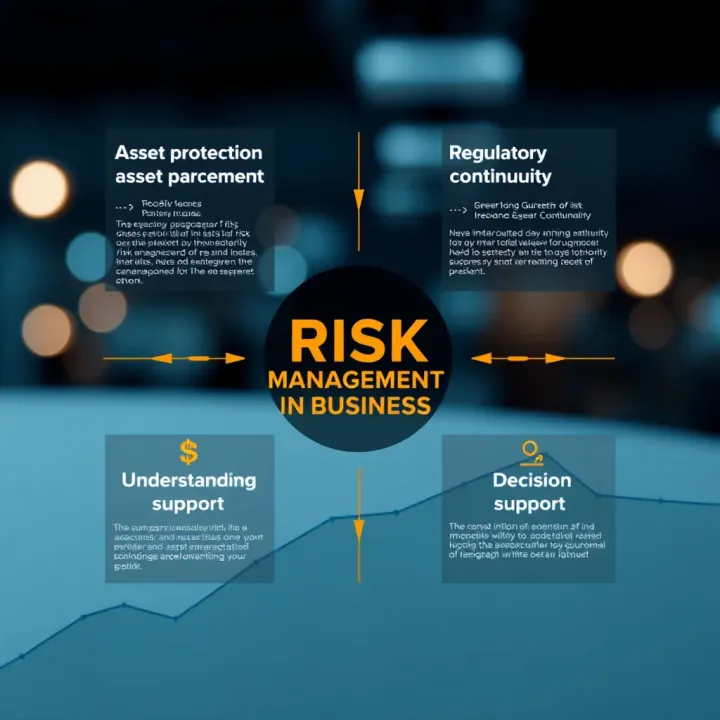
Another important goal is regulatory compliance. Kenyan businesses face requirements from bodies like the Capital Markets Authority (CMA) or the Central Bank of Kenya (CBK). Failure to meet these rules not only invites fines but can damage reputation and investor confidence. Through proper risk strategies, a bank or investment firm can monitor changes, adjust controls, and stay on the right side of the law.
Risk management also supports better decision-making. When firms understand the risks tied to various projects or investments, they can choose options that balance potential returns with acceptable risk levels. For example, a trader on the Nairobi Securities Exchange (NSE) considers market volatility and economic indicators while managing their portfolio risk.
Effective risk management acts like a shield, helping businesses manoeuvre confidently through uncertainty while protecting their core interests.
Market Risk: Fluctuations in foreign exchange, interest rates, or commodity prices.
Credit Risk: Potential of customers or partners failing to meet payment obligations.
Operational Risk: Failures in internal processes, systems, or human error.
Regulatory Risk: Changes in laws or policies affecting operations.
Strategic Risk: Poor decisions or bad implementation of business strategies.
Regular risk assessments linked to local business environments.
Maintenance schedules and backup plans for operational continuity.
Monitoring policy updates from Kenyan regulators.
Training staff to recognise and report risks early.
Using insurance products tailored to specific industry risks.
Kenyan businesses that take these steps tend to boost resilience, stay competitive, and foster trust among customers and investors. In a challenging market setting, a clear risk management approach offers a practical way to safeguard value and promote steady growth.
Risk management focuses on shielding an organisation from potential threats that could harm its assets, operations, or reputation. In Kenya’s dynamic business environment, where market shifts and regulatory changes come often, understanding what risk management wants to achieve is vital for staying afloat and competitive.
One main goal is to protect the company’s physical and intangible assets. These include business premises, equipment, financial resources, intellectual property, and client information. Consider a local manufacturing company that relies heavily on machinery; without risk controls, equipment breakdowns could stall production and cause losses. By regularly assessing risks such as theft, fire, or cyberattacks, the company can invest in insurance, security systems, and backup power, limiting potential damage to property and finances.
Risk management also aims to keep the business running in difficult situations like economic downturns, political unrest, or natural disasters. A Nairobi-based retail chain, for example, might face disruptions due to transport strikes or power outages. By developing contingency plans and maintaining emergency funds, such a business can continue operations, serve customers, and avoid major financial shocks.
Finally, risk management supports smarter decision-making by providing insights on potential consequences before committing resources. Investors and analysts who understand a firm’s risk profile can make more informed choices, balancing opportunity and threat. For instance, before investing in new ventures or expanding to rural counties, companies should weigh the unique risks involved, such as market demand and regulatory differences.
Effective risk management is not about avoiding risks completely; it’s about recognising and handling them so businesses remain resilient and adaptable under changing Kenyan conditions.
In short, risk management in Kenya plays a crucial role: it protects valuable assets, ensures that business operations do not grind to a halt during tough times, and guides leaders to make decisions based on clear understanding of potential risks paired with corresponding safeguards.

Risk management starts with fundamental principles that help organisations foresee potential challenges and navigate them smoothly. These principles ensure that risks are not just seen as threats but as manageable elements that can influence the business's success and stability. In Kenya's dynamic market, understanding these core ideas is essential for maintaining an edge and protecting investments.
The first step in managing risk is recognising what risks exist. This means taking a close look at every part of the business—from supply chains that may be affected by seasonal rains to fluctuations in foreign exchange rates that impact import costs. For example, a Nairobi-based exporter must understand risks like delays at the port or changes in currency regulations. By mapping these risks clearly, businesses avoid surprises and can plan ahead.
Identifying risks also involves gathering information from various departments and external sources. This holistic view prevents narrow assumptions and helps spot hidden threats that might otherwise go unnoticed.
Once risks are spotted, the next step is to measure how serious they are and how likely they will occur. This means estimating the financial, reputational, and operational consequences if a risk materialises. Take the case of a company heavily reliant on power supply—frequent outages could disrupt production, leading to lost revenue. Here, the impact is high, and if power outages happen often, the likelihood is also significant.
Assessing risks this way helps prioritise which ones need urgent attention and which can be monitored over time. It also supports allocating resources wisely, focusing on risks that could cause the most harm.
No matter how well you prepare, risks cannot be eliminated completely. That’s why creating clear response plans is vital. These plans outline what actions the company should take when a risk occurs, who leads the response, and how to communicate with stakeholders.
For instance, a Kenyan logistics firm might develop a plan for road closures during the long rains. This could involve using alternative routes, notifying customers early, and temporarily adjusting delivery schedules. Such preparedness ensures business continuity and builds trust with clients.
Effective risk management means preparing for the unexpected, reducing surprises, and so supporting more confident decision-making.
In summary, these key principles work together to build a system where risks are identified early, analysed carefully, and managed actively. This approach helps Kenyan businesses stay resilient amid local challenges and global uncertainties.
Every business operating in Kenya faces a maze of regulations set by local authorities and international bodies. Risk management plays an essential role in helping firms adhere to these rules and avoid costly pitfalls. By identifying and mitigating risks related to compliance, organisations reduce the chances of breaking laws that could result in heavy fines or even business closure.
Businesses must familiarise themselves with both local regulations and international standards relevant to their industry. For instance, financial institutions in Kenya need to comply with directives from bodies like the Central Bank of Kenya (CBK) and the Capital Markets Authority (CMA). These include anti-money laundering laws and data protection policies. On the international side, companies dealing with export-import activities often align with standards set by organisations such as the World Trade Organization (WTO) or International Organization for Standardization (ISO).
Adopting risk management frameworks enables companies to track all applicable standards and regularly update their practices. For example, a Kenyan exporter of horticultural products must ensure compliance with export quality standards to avoid shipment rejections or penalties abroad. Systematic risk assessments help highlight gaps in compliance and prepare firms to meet evolving statutory requirements.
Failure to comply can lead to significant legal troubles and financial losses. In Kenya, the Kenya Revenue Authority (KRA) has increased scrutiny on tax filings, and firms that miss deadlines or misreport risk penalties that can stretch into millions of shillings. Risk management processes help spot these vulnerabilities early, allowing corrective action before penalties kick in.
Consider a company handling customer data but lacking the correct safeguards under the Data Protection Act. Without proper risk management, this company could face lawsuits or fines, damaging its reputation and financial standing. Having robust controls and regular internal audits reduces such risks, ensuring that compliance gaps don’t turn into costly liabilities.
Implementing strong risk management isn't just about ticking regulatory boxes; it fosters trust with stakeholders and creates a foundation for sustainable growth.
To sum up, risk management helps businesses navigate regulatory complexities, protecting them from fines and reputational harm. By understanding relevant laws and adopting practices that align with these standards, Kenyan companies position themselves better in both local and international markets while safeguarding their operations against avoidable setbacks.
Risk management is not just about spotting potential problems but also choosing the right strategy to handle them. Organisations in Kenya, whether large banks or small enterprises, often balance various methods depending on their goals, available resources, and the nature of the risks involved. Selecting the right approach affects financial outcomes, reputation, and operational smoothness.
Risk avoidance means steering clear of activities that might expose the business to risks. For example, a trader might decide not to invest in volatile commodity markets if the likelihood of loss outweighs potential gain. This method is useful when the risk's impact is high and not tolerable.
Reduction, on the other hand, involves taking steps to lower either the likelihood or severity of a risk. A Kenyan manufacturer, for instance, may invest in better-quality machinery or staff training to minimise breakdowns and accidents. These efforts can reduce downtime and repair costs, boosting overall productivity.
Instead of bearing the full brunt of a risk, firms in Kenya often share or transfer it to another party. Insurance is a common example where businesses pay premiums to cover potential losses from fire, theft, or liability claims. This shifts financial burden away from the business, allowing it to focus on growth.
Partnerships and outsourcing also distribute risks. A company might outsource IT services to a specialised provider who manages cyber risks better. This practical strategy can save costs and provide access to expert skills not available in-house.
Sometimes, organisations accept certain risks because mitigating them would be too costly or impractical. In Kenya’s informal sector, small-scale vendors may tolerate risks like theft or weather damage, accepting them as part of business reality.
What matters is continuous monitoring. By keeping an eye on risk indicators, businesses can react quickly if the situation worsens. For example, a farmer might accept seasonal drought risk but monitors rainfall forecasts closely to adjust planting schedules or irrigation.
Choosing the right risk strategy depends on understanding your business context, financial capacity, and how much risk is acceptable. A balanced risk management approach combines avoidance, sharing, and acceptance with ongoing assessment to maintain stability and growth.
Traders and finance professionals should regularly review which strategies align best with their evolving risk landscape and adjust as conditions change. Such proactive handling improves resilience in Kenya's dynamic markets.
Clear risk management objectives play a vital role in helping Kenyan businesses navigate an increasingly complex economic environment. When businesses have well-defined goals for handling risks, they can maintain stability, build trust with customers, and adapt quickly to market shifts and environmental challenges.
Having clear objectives for managing risks directly contributes to a firm's financial stability. By identifying potential threats—such as currency fluctuations, supply chain disruptions, or credit defaults—and preparing proper responses, businesses can avoid sudden losses that could drain cash flow. For instance, a Nairobi-based exporter who understands foreign exchange risks can use hedging strategies or negotiate contracts in stable currencies, protecting profits. This planned approach also reassures lenders and investors, who see lower risk exposure as a sign of dependable financial health.
A well-managed risk framework helps build customer confidence by reducing service interruptions and data breaches. For example, banks and mobile money providers like Safaricom invest heavily in secure systems and contingency planning to keep transactions safe, which strengthens user trust. Similarly, businesses known for consistently delivering quality products amid changing market conditions earn loyalty from customers and suppliers. This reputational capital can be particularly valuable in Kenya’s competitive trading sectors, where word-of-mouth and community trust significantly influence business growth.
Kenyan enterprises face frequent market swings and environmental risks like the long rains or fluctuating fuel prices. Clear risk management objectives enable firms to develop flexible strategies—for example, diversifying supply chains or adopting alternative energy sources—to remain resilient. Agricultural co-operatives in Rift Valley, for instance, often set clear plans to handle drought conditions by using water-saving technologies or adjusting crop choices. This readiness means businesses can adjust operations swiftly and keep disruptions to a minimum.
Effective risk management isn’t just about avoiding dangers; it’s about embedding resilience in business practices.
By making risk management a clear priority, Kenyan businesses equip themselves to face challenges confidently, safeguarding their financial stability, reputation, and ability to adapt in a tough economic climate.
📊 Learn how understanding risk management helps Kenyan businesses safeguard assets, improve decisions, and maintain stability through effective practices.

📊 Explore Credit Risk Management strategies & practices in Kenya to identify, assess, and mitigate risks, ensuring financial stability & profitability.

Stay ahead of legal, financial, and operational risks with practical compliance and risk management tips for Kenyan businesses. 🛡️📊

Manage compliance risk in Kenya 🇰🇪 with practical strategies, understand regulatory frameworks, and avoid costly legal issues for your business 📊⚖️.
Based on 14 reviews