
Understanding Credit Risk Management
📊 Explore Credit Risk Management strategies & practices in Kenya to identify, assess, and mitigate risks, ensuring financial stability & profitability.
Edited By
Ethan Fletcher
Risk management is about identifying, assessing, and dealing with potential events that could cause harm or loss to your business or personal interests. In Kenya’s trading, investing, and financial sectors, understanding risk management helps you protect capital, avoid unexpected shocks, and make better decisions.
Think of risk management like crossing a busy Nairobi road. You check for matatus and boda bodas before stepping out—this simple act reduces your chances of accidents. Similarly, in business, risk management involves spotting threats early and taking steps to minimise their impact.
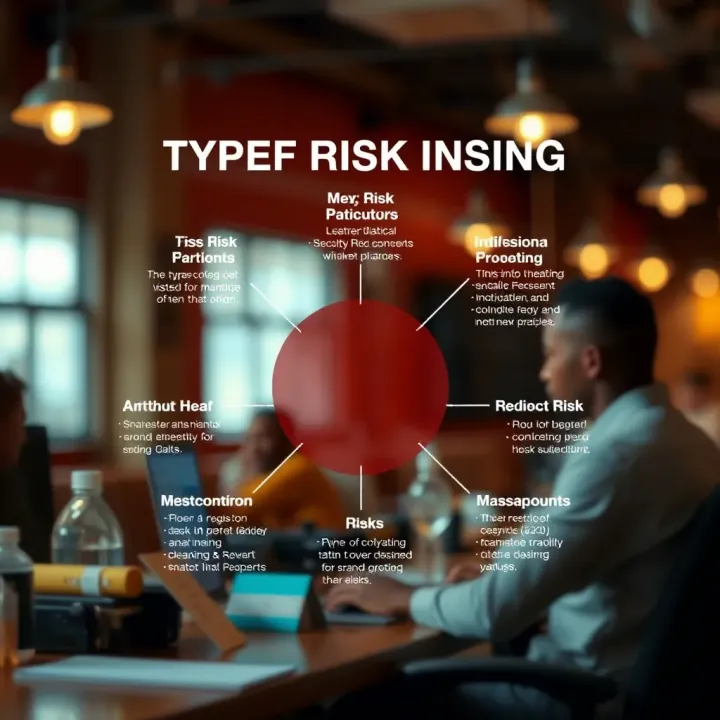
There are different types of risks you face daily, such as:
Market risk: Fluctuations in asset prices or interest rates, like changes in NSE stock prices.
Credit risk: The possibility a borrower fails to repay a loan, relevant for banks and lenders.
Operational risk: Failures in internal processes or systems, like a hiccup in Safaricom’s M-Pesa services.
Regulatory risk: Changes in laws or policies that may affect your business’s operations.
Successful risk management does not mean avoiding all risks, but managing them smartly to safeguard your money and reputation.
Common methods to handle these risks include:
Risk identification: Gathering information to pinpoint what could go wrong.
Risk analysis: Understanding the likelihood and potential damage.
Risk control: Implementing measures such as diversification, insurance, or hedging.
Risk monitoring: Continuously checking and updating your risk strategies.
For example, a forex trader in Nairobi might use stop-loss orders to limit losses when currency rates shift unexpectedly. Meanwhile, a jua kali artisan may get insurance to cover theft or damage to tools.
Grasping these basics equips you to face Kenya’s dynamic financial environment with confidence. It’s not just about big firms; small businesses and individuals also benefit from recognising and responding to risks effectively.
This article will break down practical ways to manage risk, giving you useful tools to protect and grow your finances locally.
Risk management is about recognising threats before they turn into full-blown problems and planning how to deal with them effectively. For traders, investors, and finance professionals in Kenya, this means safeguarding investments, optimising returns, and maintaining business operations even during uncertain periods. It’s not just an abstract concept but a practical approach that helps avoid unnecessary losses and prepares you for unforeseen events.
Taking a Kenyan business example, a local shop owner worried about theft might invest in security measures and staff training, which is part of risk management. Similarly, a trader on the Nairobi Securities Exchange (NSE) protects their portfolio by diversifying investments and monitoring market trends, aiming to reduce financial risks.
Risk refers to the chance that something unexpected will happen and cause harm, loss, or missed opportunities. In business, this could be anything from sudden changes in currency rates, failure of technology systems, to regulatory shifts affecting operations. Understanding risk means knowing what can go wrong and how likely it is to happen.
In Kenya's volatile market, currency fluctuations—like a sudden weakening of the shilling against the dollar—pose real risks to importers. Being aware of such threats allows businesses to prepare accordingly.
Risk management is the process of identifying risks, evaluating their potential impact, and deciding the best way to handle them. This can include avoiding the risk entirely, reducing its chances, transferring it through insurance, or accepting it when the cost of mitigation outweighs the potential loss.
For example, an investor might use stop-loss orders to limit capital losses or a bank may buy insurance to protect against loan default. This strategic approach helps manage uncertainties so business activities continue smoothly.
One main goal of risk management is guarding valuable assets, including cash, property, and human resources. Protecting these ensures a business doesn't lose what could take years to build. In Kenya, where small and medium enterprises (SMEs) often operate with tight margins, safeguarding equipment or managing debt exposure can be critical.
Imagine a farmer in the Rift Valley securing crop insurance to cover losses from erratic weather. This protection prevents a total wipeout during droughts, preserving the farmer’s livelihood and capital.
Another key objective is maintaining operations even when risks materialise. Business continuity means preparing for disruptions so that services or production face minimal downtime. This is vital for financial firms or retailers who rely on constant customer trust and timely delivery.

A Nairobi-based fintech startup might deploy backup power generators or cloud data storage to keep systems running despite power outages common in some areas. These steps ensure they don’t lose client data or revenue during such interruptions.
Managing risk is less about avoiding it completely and more about controlling its impact to keep businesses stable and growing in unpredictable environments.
By understanding and applying risk management principles, Kenyan traders and professionals can make informed decisions that support long-term success and resilience.
Understanding the common types of risks that businesses and investors face is essential for effective risk management. Each risk category requires a specific approach to detection and mitigation. In Kenya's dynamic economic environment, recognising these risks can help traders, finance professionals, and investors protect their investments and sustain operations even when challenges arise.
Currency fluctuations affect businesses that deal with foreign exchange or import-export activities. For instance, a Kenyan exporter paid in US dollars may suffer losses if the shilling suddenly weakens after invoicing but before payment. Such volatility can impact profit margins and cash flow, particularly when payments and receipts don’t align in timing. Traders dealing in FOREX or companies relying on imported goods must monitor currency trends closely to avoid unexpected currency risk.
Credit and liquidity risks concern the ability to meet financial obligations and access cash when needed. Credit risk arises when customers or clients delay payments or default, which can strain cash flow. A small Kenyan business selling on credit terms, for example, may face difficulties paying suppliers if key customers fail to pay on time. Liquidity risk occurs when a company cannot convert assets quickly into cash to cover short-term expenses. Investors in Kenya’s capital markets might also face liquidity risks if a stock or bond cannot be sold without a significant price drop during downturns.
Process failures happen when internal procedures break down, causing disruptions or losses. This might occur in a manufacturing firm where faulty quality control allows defective products to reach customers, damaging reputation and leading to returns. In Kenyan banks, errors in processing loan applications or transaction mistakes can also be costly operational risks. Identifying weak points in business processes helps reduce exposure to such failures.
Technology breakdowns can halt business activities and cause financial loss. For example, a mobile money provider suffering system outages might inconvenience thousands of users, losing trust and revenue. In Kenyan trading firms, failure of trading platforms or electronic record systems could mean missed opportunities or compliance issues. Having back-up systems and swift IT support reduces the impact of these risks.
Market competition poses a constant threat to business success. Companies that ignore competitors’ moves or changing customer preferences risk losing market share. For example, a Kenyan retail chain that fails to respond to new entrants offering online shopping might lose clients. Strategy must continuously adapt to stay relevant and profitable.
Regulatory changes in Kenya can affect costs and operations unexpectedly. New laws from bodies like the Capital Markets Authority (CMA) or Kenya Revenue Authority (KRA) may require business adjustments. For instance, changes in tax policies or licensing rules can impact cash flow and compliance costs. Staying updated on regulatory trends and engaging with local authorities helps businesses prepare for such risks.
Recognising these types of risks and their practical effects on business allows you to plan and respond rather than react, safeguarding your investments and operations in Kenya's fast-moving economy.
Understanding the steps in the risk management process is essential for traders, investors, finance professionals, and brokers to shield their investments and businesses from unexpected setbacks. This process helps break down complicated risks into manageable parts, allowing you to spot threats early, decide how serious they are, and apply suitable actions to control or minimise losses. For example, a stockbroker in Nairobi should identify risks from market volatility, assess which stocks might drop significantly, and decide if they should advise clients to sell or hedge their positions.
Tools and techniques for spotting risks involve methods like brainstorming sessions, risk checklists, SWOT (Strengths, Weaknesses, Opportunities, Threats) analysis, and scenario planning. For instance, a financial analyst in an investment firm might use historical market data and industry reports to spot emerging risks such as inflation surges or regulatory changes affecting listed companies on the Nairobi Securities Exchange (NSE). This stage is crucial because recognising risks early gives you more room to act and prevents surprises that can hurt portfolios or business operations.
Technology also plays a role in identifying risks. Automated monitoring systems can track real-time market trends or credit risk alerts, flagging issues before they escalate. In Kenya's fast-moving economy, relying on timely intelligence helps businesses stay ahead.
Once risks are identified, the next step is to evaluate how likely they are to happen and what their impact would be. This assessment helps you focus on the most threatening risks rather than spreading resources too thin. For example, an investor might find that currency fluctuations between the shilling and dollar pose a higher risk for their foreign investments compared to minor changes in commodity prices.
Assessment typically involves scoring risks on two main scales: likelihood (probability of occurrence) and impact (potential damage). A high-probability, high-impact risk demands immediate attention, while a low-probability risk with minimal impact might be accepted or monitored over time. This prioritisation helps in efficient allocation of resources.
Managing risks means choosing the best way to handle them based on their nature and priority. Broadly, this involves four strategies: avoidance, reduction, transfer, and acceptance.
Risk avoidance means steering clear of activities that carry danger. For example, a trader may avoid investing in highly unstable stocks or unregulated markets.
Risk reduction focuses on lessening the chance or effects of risks, such as using stop-loss orders to limit financial losses.
Risk transfer means passing the risk to someone else, often through insurance or outsourcing. A manufacturing business might take insurance against fire or theft.
Risk acceptance is acknowledging the risk when the cost of mitigation is higher than the potential loss. An investor might accept market fluctuations if expected overall returns remain attractive.
These strategies allow finance professionals and business owners in Kenya to respond flexibly to different challenges while maintaining operational stability and protecting their assets.
Good risk management moves beyond simply reacting; it anticipates problems and plans responses that keep you ahead, especially in dynamic markets like Kenya's.
By following these steps, you ensure risks are not just seen, but properly handled to safeguard your investments, businesses, and financial interests.
Risk management isn't just a theoretical process; it's vital for Kenyan businesses and individuals coping with a unique set of challenges. From fluctuating market conditions to unpredictable weather, applying risk management techniques locally offers practical solutions that safeguard resources and support sustainable growth. Understanding these applications helps traders, investors, and professionals make better decisions tailored to Kenyan economic and environmental realities.
Managing cash flow and market risks is a constant balancing act for SMEs in Kenya. Many small businesses depend heavily on day-to-day sales and customer payments, so even a brief disruption can strain operations. By using risk management strategies such as maintaining emergency cash reserves or negotiating flexible credit terms with suppliers, SMEs can better handle cash flow shortages when customer demand dips.
Besides cash flow, market risks like changing consumer preferences or new competitors require vigilance. For example, a Nairobi bakery might shift to offering healthier options if demand for traditional products falls. Identifying these risks early enables SMEs to adapt product lines, pricing, or marketing effectively without losing ground.
Farmers in Kenya face considerable uncertainty from seasonal variations often amplified by climate change. Reliable rain patterns are becoming less predictable, directly impacting yields of staple crops like maize, tea, and coffee. Through risk management, farmers can adopt strategies such as crop diversification, irrigation where feasible, and improved seed varieties that tolerate drought or disease.
Community-based early warning systems and weather advisory services also play a big role. For instance, when long rains are delayed, timely information helps farmers decide whether to adjust planting schedules or shift to alternative crops. Such adaptation reduces vulnerability and enhances food security despite the growing climate risks.
In Kenya’s banking and investment sectors, risk controls are essential to protect capital and maintain trust. Banks use credit scoring, collateral requirements, and continuous monitoring to minimise loan defaults, which is crucial given the informal economy's size. This approach keeps the financial system stable and accessible.
Investors on the Nairobi Securities Exchange (NSE) rely on risk assessment tools to evaluate company performance, market volatility, and economic indicators. Portfolio diversification and adherence to regulatory standards help manage risks linked to price swings or policy changes. For example, during election periods, investors might reduce exposure to highly sensitive sectors to avoid sudden losses.
Applying risk management in these Kenyan contexts safeguards businesses and investors alike, boosting resilience against everyday uncertainties and long-term threats.
By recognising and addressing risks specific to Kenya’s economy, environment, and regulatory landscape, stakeholders can protect assets, improve decision-making, and foster sustainable growth.
Effective risk management plays a vital role in helping businesses and investors in Kenya navigate uncertain markets and challenging environments. It strengthens decision-making and supports steady growth, ensuring organisations can survive setbacks and seize opportunities with greater confidence. When risks are identified early and managed well, firms reduce unnecessary costs and enhance their ability to chart a clear path forward.
Using risk insights to guide choices means businesses don’t just rely on guesswork or hope when making critical decisions. Instead, they assess potential pitfalls and advantages before acting. For example, a trader on the Nairobi Securities Exchange (NSE) who understands market risks—like currency volatility or political shifts—can better time their buys and sells, avoiding losses from sudden downturns.
In practical terms, companies collecting risk data can spot patterns that influence their operations. A manufacturing firm might notice that frequent power outages increase downtime expenses. Armed with this knowledge, they can invest in a generator or alternative energy source, improving operational reliability. This data-driven approach prevents costly surprises and helps prioritise resources where they matter most.
Sound decision making reduces surprises and keeps business plans realistic, avoiding rash moves that lead nowhere.
Building resilience in business operations means preparing for challenges before they become crises. Businesses that manage risks well can survive shocks—such as fluctuating commodity prices or regulatory changes—and continue operating smoothly. For instance, agricultural exporters in Kenya face risks from erratic weather patterns. Those who adopt insurance schemes and diversify their crops are better shielded from complete losses during droughts or floods.
Stable operations attract investors and lenders who seek dependable returns. SMEs managing cash flow risks and market uncertainties show greater financial discipline, boosting their chances to access credit or expand. Moreover, risk-aware companies develop contingency strategies, like alternative suppliers or flexible payment terms, that keep them afloat during disruptions.
In short, effective risk management enables steady growth by reducing vulnerabilities that might otherwise stall progress.
Adopting a practical, risk-focused mindset helps Kenyan businesses and investors stay one step ahead, improving their overall performance in an often unpredictable market.
📊 Explore Credit Risk Management strategies & practices in Kenya to identify, assess, and mitigate risks, ensuring financial stability & profitability.

Manage compliance risk in Kenya 🇰🇪 with practical strategies, understand regulatory frameworks, and avoid costly legal issues for your business 📊⚖️.
Master forex risk management in Kenya 🇰🇪 with tips on setting limits, stop-loss orders, and position sizing to protect your investments confidently 💹.
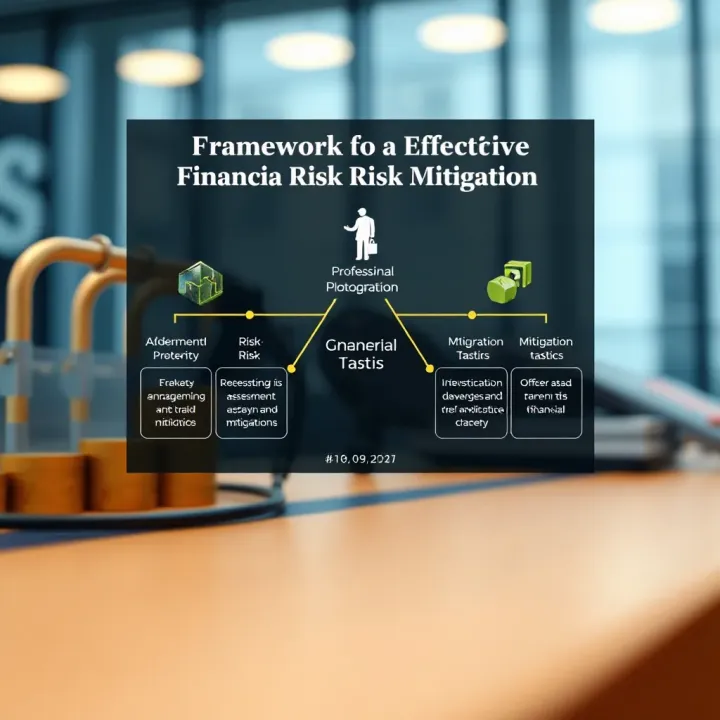
Manage financial risks like a pro! Learn key strategies and practical tips tailored for Kenyan businesses to identify, assess, and reduce financial losses 📉💼
Based on 9 reviews