
Understanding Risk Management Basics
📊 Learn how understanding risk management helps Kenyan businesses safeguard assets, improve decisions, and maintain stability through effective practices.
Edited By
James Harrington
Risk management is a cornerstone of successful project management, especially when navigating Kenya's dynamic business environment. It involves identifying potential risks that can disrupt project timelines, costs, or quality, then analysing their impact and likelihood. With this understanding, project teams take steps to reduce or control these risks, improving the chance of delivering on time and within budget.
In Kenyan projects, risks often arise from regulatory changes, fluctuating exchange rates, supply chain interruptions, or even local labour strikes. For example, a construction project in Nairobi might face delays due to sudden county regulations or rise in cement prices. Recognising such risks early allows managers to adjust plans or budget contingencies.
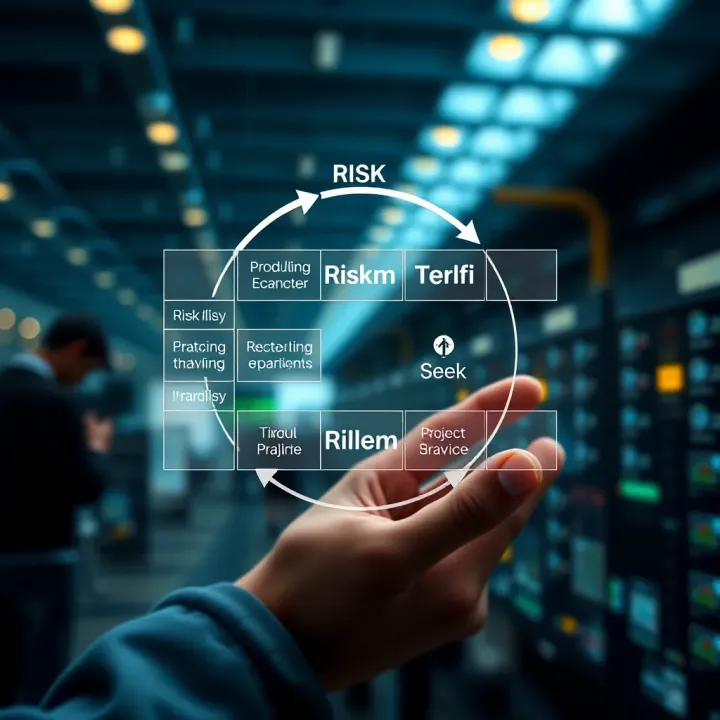
Effective risk management covers all stages of a project lifecycle—from initiation to closure. At the start, teams carry out risk assessments to capture possible threats. During execution, they monitor risks continuously, adjusting strategies as conditions change. Finally, lessons from these risks help shape better practices in future projects.
Clear risk ownership and regular communication are vital. Everyone involved should know their role in spotting and addressing risks to avoid surprises that can derail progress.
Common techniques used include:
Risk registers: These are living documents listing identified risks, their causes, potential effects, and mitigation plans.
SWOT analysis: Helps highlight internal and external threats to the project.
Qualitative and quantitative analysis: Qualitative methods gauge risks by seriousness and likelihood, while quantitative techniques assign numerical values to better prioritise.
Contingency planning: Preparing alternate plans ensures the project can stay on track if risks materialise.
Project management software such as Microsoft Project or Primavera now often integrates risk modules, enabling teams to track and report risks in real-time. In Kenya’s fast-paced sectors like telecom and construction, these tools support quicker, data-driven decisions.
Understanding risk management equips traders, investors, and finance professionals with a clear view of uncertainties within projects they evaluate or fund. It adds a layer of confidence when assessing project viability and potential returns. For brokers and analysts, awareness of project risks directly influences valuation and risk profiling.
As Kenya’s economy diversifies and projects grow complex, embedding risk management into daily project practices becomes not just smart, but necessary for sustainable success.
Risk management forms the backbone of effective project delivery. At its core, it involves spotting uncertainties that could derail timelines, inflate budgets, or reduce quality. Understanding fundamentals helps project managers anticipate challenges and prepare responses before problems snowball. For example, a construction project in Nairobi might face delays if risks like supply shortages or adverse weather conditions aren’t factored in early.
Proper risk management brings several practical benefits, such as safeguarding resources, improving decision-making, and enhancing stakeholder confidence. In Kenya’s dynamic business environment, where market conditions can abruptly change, proactive risk planning avoids costly surprises and keeps projects on track.
In project management, a risk is any uncertain event or condition that, if it occurs, can affect the project’s objectives negatively or positively. While mostly seen as threats, risks can also present opportunities for improved outcomes. For instance, discovering a more affordable building material during procurement could save costs.
The impact of risks varies in scale but typically includes delays, increased expenses, and compromised deliverables. Ignoring risks often leads to missed deadlines or budget overruns, which affect client trust and project reputation locally and abroad.
These are risks tied to the money needed for project completion. Budget overruns can result from fluctuating material costs, delayed payments, or underestimated expenses. Take a solar energy project in Kisumu that faces skyrocketing import duties on equipment; such financial shifts strain cash flow and can stall work.
Careful budgeting and regular financial reviews help spot these risks early. Using realistic cost estimates and leaving some allowance for contingencies are practical ways to manage such risks.
Operational risks relate to day-to-day project activities. These include delays from poor scheduling, equipment failure, or inadequate skilled labour. For example, a jua kali construction site in Mombasa might suffer if local artisans lack training on new building technology.
Technical risks demand expertise in specialised fields; a software rollout for a Kenyan bank might encounter data security flaws or integration problems. Consistent training and quality control can reduce these risks.
These involve laws, regulations, or natural conditions that affect projects. Projects near Nairobi’s rivers might face stricter environmental rules to protect water sources. Also, policy changes such as new tax levies on imported materials can increase costs unexpectedly.
Project managers must stay updated on both national and county regulations. Conducting environmental impact assessments beforehand helps identify restrictions and avoid penalties.
Projects rarely happen in isolation; local communities, funders, and clients all play roles. Negative reactions from communities, perhaps due to land disputes or noise pollution during construction in Eldoret, can halt projects.
Engaging stakeholders regularly and transparently builds trust and reduces social risks. It’s wise to carry out social impact studies and hold public consultations to incorporate community concerns early on.
Risk management isn’t just a box to tick; it directly influences whether a project meets its goals. By identifying risks early, allocating resources wisely, and adjusting plans as needed, project teams improve outcomes substantially.
A project that manages risks well delivers on time and within budget, satisfies stakeholders, and avoids reputational damage. In Kenya’s competitive market, this reliability is a strong advantage.

Remember, risk management is a continuous activity, not a one-time event. Projects evolve, so must the approach to risks, adapting to new information and circumstances to stay on course.
Integrating these fundamentals into every project stage creates disciplined teams ready to handle the unexpected, ultimately shaping the project’s success.
Risk management is not a one-time task but a continuous process that should be embedded in every phase of a project. Integrating it from the very start helps spot potential issues early and create tailored plans to handle them. For example, in a construction project in Nairobi, identifying risks like supply chain disruptions or labour strikes during the initiation can save significant costs down the line.
Embedding risk management ensures that project teams remain alert and flexible. Risks evolve as the project moves forward, so monitoring and adjusting plans during execution are vital. This approach reduces surprises, which traders or investors especially dread when dealing with project-based ventures. In fact, constant attention to risk enables smoother decision-making and better resource allocation.
The initial stage of a project sets the foundation for risk management. At this point, teams should gather diverse views to identify possible threats and opportunities that might affect the project’s objectives. Usual methods include stakeholder consultations and historical data review. For instance, during a new agroprocessing plant setup in Kisumu, recognising potential risks like inconsistent power supply or regulatory changes early gives room for mitigation.
Early risk identification helps allocate budget and skills appropriately and prevents the project from heading off course. It's also essential to document these risks clearly to guide future phases.
Qualitative analysis involves assessing risks based on their likelihood and impact using descriptive scales such as "high", "medium", or "low". This method gives teams a straightforward way to prioritise risks without getting lost in numbers. For example, a fintech startup in Mombasa might rate cybersecurity risks as high impact but medium likelihood, guiding them to tighten their system security promptly.
This analysis relies on expert judgement, workshops, or interviews and works well when precise data is unavailable. It helps focus limited resources on risks that matter most.
Quantitative methods assign numerical values to risks, often involving statistical tools and models to estimate financial impact or probability. Techniques like Monte Carlo simulation or decision tree analysis provide a clearer picture of potential outcomes. For instance, a railway project linking Nairobi and Naivasha can use these tools to predict cost overruns based on varying supply prices and labour availability.
Though more complex, quantitative analysis supports informed financial decision-making, especially when seeking funding or negotiating contracts. It also enables scenario planning with numbers rather than just estimates.
Mitigation involves actions taken to reduce either the likelihood or the impact of risks. Common strategies include adopting safer technologies, negotiating better contract terms, or diversifying suppliers. In Kenya’s jua kali sector, for example, a small manufacturing project might mitigate supply risks by sourcing raw materials from several vendors to avoid delays.
Effective mitigation boosts confidence among investors and stakeholders, showing that risks won’t derail the project.
Contingency plans prepare the project to respond if a risk event occurs despite mitigation measures. This might mean setting aside a reserve budget or having backup vendors ready. During the 2017 election period in Kenya, many infrastructure developers pre-arranged alternative timelines to manage possible political disruptions.
Contingency planning ensures the project can adapt quickly, limiting damage and maintaining progress.
Risk environments change constantly, so continuous monitoring is key. This involves regularly reviewing risk registers, tracking indicators, and updating risk responses. Using digital tools, like project management software linked with M-Pesa payments, helps track everything in real-time for transparent updates.
Ongoing vigilance keeps the project team alert and ready to adjust strategies, ensuring smooth delivery despite unforeseen challenges.
Integrating risk management through every project phase transforms uncertainty into manageable steps, ultimately increasing chances of project success and investor confidence.
Effective risk management depends heavily on practical tools and techniques that help project teams spot, assess, and respond to risks in a timely way. Without these instruments, risks can easily go unnoticed or be poorly handled, leading to costly delays or outright project failure. For finance professionals and traders, managing risks with confidence requires clear records, structured discussions, and the right technology to support decision-making.
A risk register is essentially a living document that lists all identified risks, their likelihood, potential impact, and the planned responses. It acts as the tax ledger of risk management – keeping track of everything meticulously. For example, during a Nairobi infrastructure project, the risk register might note potential flooding during the rainy season and the contingency funds set aside. Regularly updating the register allows the team to prioritise risks based on real-time information and allocate resources efficiently.
Group workshops offer a platform to gather diverse insights from team members, stakeholders, and experts. Brainstorming sessions encourage open discussion where even unlikely risks surface. For instance, when planning a tech rollout in Kisumu, including local IT experts in workshops can reveal community-specific risks like inconsistent power supply. This interactive approach increases buy-in and uncovers risks that data alone might miss.
Scenario analysis helps teams explore how different risk events could unfold and affect project outcomes. It is like a ‘what-if’ exercise where you test your plans against various assumptions. One practical example is the use of Monte Carlo simulation software to examine financial risks in investment projects, revealing the probability of profit shortfalls under varying market conditions. Such simulations help in preparing better contingency plans.
Modern projects benefit from digital tools designed to manage and monitor risks. Platforms like Microsoft Project, @Risk, and Primavera offer dashboards, alerts, and data visualisation for quick risk assessment. In Kenya, incorporating solutions that integrate with M-Pesa for budget tracking helps monitor cash flows against risk exposures directly. Choosing software that suits the project's scale and complexity ensures risks are not just documented but actively managed throughout.
Keeping risks visible and actionable through the right tools fosters a proactive project culture. This means risks are dealt with before they escalate, improving overall outcomes.
In sum, practical tools and techniques transform risk management from guesswork to sound planning. They offer structure, encourage collaboration, and provide clarity – essential ingredients for project success, especially in Kenya's dynamic business environment.
Managing risks in projects is rarely straightforward. Several common challenges can derail even well-planned risk management efforts, especially when the environment is complex or fast-paced, as is often the case with financial and investment projects.
Several projects go wrong because risks are underestimated or overlooked entirely. This often stems from overly optimistic assumptions or insufficient data during the early stages. For instance, a trading system upgrade might overlook cybersecurity threats because past experience suggested low vulnerability. But when a breach occurs, recovery costs and lost investor confidence can run into millions of shillings.
The failure to thoroughly assess risks leads to a lack of contingency planning, leaving stakeholders exposed. Underestimating risks can also slow down decision-making later, as urgent firefighting takes precedence over strategic progress. A disciplined risk scoring system and regular scenario reviews can help avoid these pitfalls.
Effective risk management depends heavily on open communication. In Kenya’s diverse workplaces, language differences, departmental silos, or hierarchical barriers can limit how freely risk concerns are shared. For example, junior analysts might hesitate to inform senior managers about emerging market shifts that could jeopardise investment portfolios.
Ignoring subtle early warning signs often results from poor communication channels. Project teams should encourage inclusive discussions where all voices are heard, regardless of rank. Using simple, clear reporting tools and regular briefing sessions helps keep everyone updated about risks and their status.
Every project faces limits—budget, time, and scope. The challenge is to balance the appetite for risk against these constraints without compromising objectives. For instance, a finance team investing in new technology might face pressure to cut costs, limiting risk mitigation measures like multiple vendor audits or insurance.
Project managers must prioritise risks that could cause the most damage and allocate resources wisely. Sometimes, accepting manageable risks is necessary to stay on schedule or budget. However, that decision should be deliberate, with full stakeholder understanding and documented plans should the risk materialise.
Tackling these challenges head-on improves project resilience and drives better decision-making from initiation to delivery. Ignoring them increases chances of delays, overruns, and poor returns.
Addressing these common issues with practical methods tailored to the Kenyan business environment helps maintain control in complex projects, ultimately boosting success rates and protecting investor interests.
Risk management in Kenya requires adjusting standard approaches to fit the local regulatory landscape, economic conditions, and practical realities. Familiar risk frameworks can fall short if they ignore key context-specific factors such as government policies, regional trade agreements, informal sectors, and infrastructure challenges common here. This section covers essential considerations so project managers can better prepare and respond to risks on Kenyan projects.
Kenya’s regulatory environment shapes project risks significantly. For example, government regulations on environment impact assessments, labour laws, or import controls can vary sharply across counties and sectors. Projects in Nairobi’s industrial parks may face stricter pollution limits compared to more rural counties. Monitoring changes in policies, such as the recent adjustments in tax rates or new requirements from the Kenya Revenue Authority (KRA), helps project teams anticipate financial risks.
Economic factors also play a key role. Currency fluctuations around the Kenyan shilling (KSh), inflation rates, and fluctuating fuel prices influence project budgets directly. Projects dependent on imported goods or foreign contractors must consider exchange rate risks and delays due to customs clearance. For example, a construction project in Mombasa might budget extra for currency swings or delays linked to port congestion.
Infrastructure and development projects face distinct risks that require tailored management. Common issues include delays caused by land acquisition disputes, community resistance, or intersecting government agencies’ approvals. In Kenya, the shamba-owner’s consent often determines how quickly a project proceeds. Ignoring community concerns in road construction or water supply projects can escalate into costly stoppages.
Weather-related risks are also pronounced. The long and short rains markedly affect project timelines in various regions. Planning construction phases around the rainy seasons reduces risks of work stoppages or site damage. Furthermore, selecting suppliers with deep local networks often mitigates supply chain disruptions driven by poor roads or security concerns in remote areas.
SMEs and jua kali (informal sector) enterprises face simpler but often more urgent risks, such as cash flow shortages, theft, or regulatory non-compliance. Due to limited resources, it’s crucial to apply lean risk management techniques that focus on practical controls rather than costly analytics.
For example, a local duka owner using M-Pesa transactions should monitor fraud risks and maintain records meticulously to avoid KRA issues during tax returns. Jua kali artisans often rely on trusted supply shops; a disruption in this supply affects production directly. Simple contingency plans such as alternate suppliers or saving a small float can help avoid production halts.
Effective risk management in Kenya demands active attention to local details—from government rules to economic pressures and social dynamics. Tailoring practices accordingly helps projects succeed despite diverse challenges.
By recognising these various factors, project teams and investors can not only mitigate threats but also seize opportunities embedded in Kenya’s evolving market and regulatory environment. This focus ultimately drives stronger, more resilient project outcomes suited to the Kenyan setting.
📊 Learn how understanding risk management helps Kenyan businesses safeguard assets, improve decisions, and maintain stability through effective practices.
📊 Explore Credit Risk Management strategies & practices in Kenya to identify, assess, and mitigate risks, ensuring financial stability & profitability.

Manage compliance risk in Kenya 🇰🇪 with practical strategies, understand regulatory frameworks, and avoid costly legal issues for your business 📊⚖️.
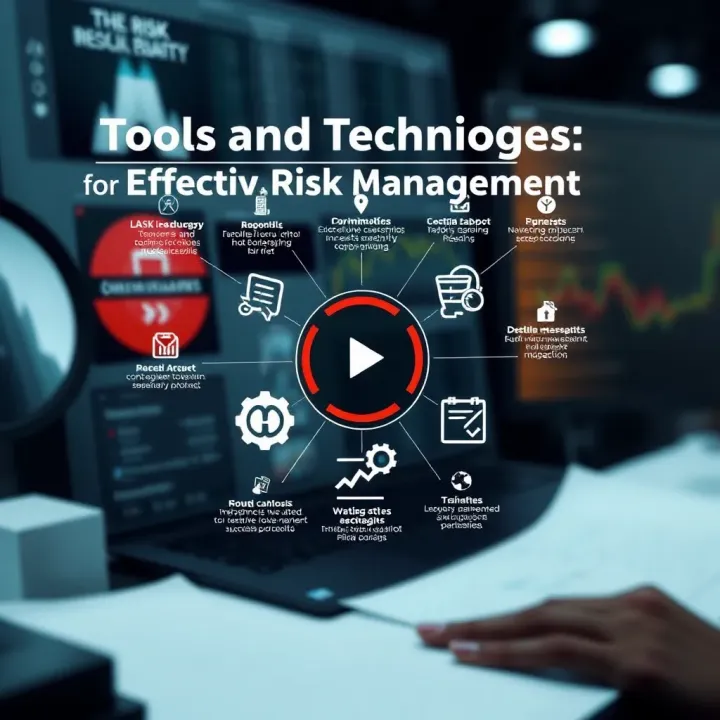
📊 Discover how effective risk management safeguards business goals by identifying, assessing, and handling threats using proven methods and tools.
Based on 13 reviews