

Binary Options Trading Guide for Kenyans
📊 Get a clear view of binary options trading in Kenya—how it works, legal tips, top platforms, risks, and strategies for local traders. Trade smart!
Edited By
Liam Turner
TradingView has become a go-to platform when it comes to real-time charting and technical analysis in financial markets. For developers and traders involved in binary options trading, integrating TradingView’s charts offers a powerful advantage. It delivers accurate price data, advanced charting tools, and a user-friendly interface that greatly improves trading decisions.
Binary options trading typically relies on short-term price movements, so having access to live, responsive charts is essential. TradingView supports multiple asset classes like forex, stocks, and commodities, which suits the diverse instruments binary traders want to track. This means users can monitor indicators, patterns, and price action without switching platforms.
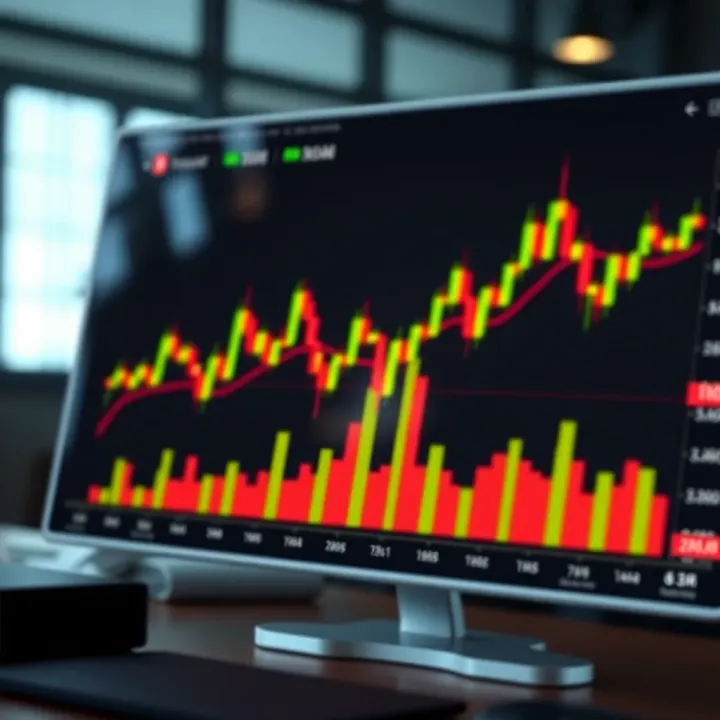
From a technical standpoint, integrating TradingView involves embedding their lightweight chart widget or using their flexible API to pull live data directly into a trading platform. Customisation is key here; developers can tailor chart styles, time frames, and indicators to fit the binary options strategy or the preferences of Kenyan traders. For example, adding local events or economic calendar alerts could help users anticipate market moves.
Embedding TradingView charts can reduce development time and costs for binary options platforms, while enhancing traders’ confidence through transparent and efficient data visualisation.
Moreover, user experience improves dramatically with interactive features like zoom, crosshairs, and drawing tools. Kenyan traders benefit from smooth mobile and desktop access, especially since many rely on busy mobile connections and varied devices. Ensuring low-latency data feeds alongside TradingView integration also prevents delays that could turn losses into wins.
In the coming sections, we will explore step-by-step implementation details, customisation tips suitable for binary options platforms, and essential best practices. Whether you are a developer building a new platform or a trader interested in upgrading tools, this guide will equip you with the know-how to use TradingView effectively.
TradingView has become a popular tool in the world of financial trading, especially for those dealing with binary options. It offers a rich set of charting tools that help traders analyse market trends and make informed decisions. For binary options traders, who rely on predicting short-term price movements, having access to accurate and real-time charts is key.
At the core, TradingView provides interactive charts that display the price movements of various assets like stocks, forex pairs, commodities, and cryptocurrencies. The platform offers multiple chart types such as candlestick, bar, and line charts, which are essential for spotting trends and patterns. Additionally, it has a comprehensive library of technical indicators — including moving averages, RSI, MACD, and Bollinger Bands — which traders use to refine their entry and exit points.
A useful feature is that TradingView allows layering several indicators on the same chart for deeper analysis. For example, a trader can combine moving averages with RSI to verify if a trend is strong or weakening. Kenyan traders leveraging platforms like Safaricom's Daraja API can integrate these real-time charts, enhancing the binary trading experience.
TradingView stands out because of its flexibility and ease of integration. It supports widgets that developers can embed directly into binary options platforms without the need to build complex charting modules from scratch. This not only saves time but ensures reliability as TradingView sources data from multiple exchanges, reducing delays or data gaps.
Besides technical soundness, TradingView’s user-friendly interface appeals to traders who want quick insights without clutter. This is particularly important in mobile trading, which is common among Kenyan users trading on the move. The charts adapt well to smaller screens, ensuring smooth navigation and prompt decision-making.
Besides the user experience, TradingView’s community features — like shared scripts and live market discussions — give traders access to strategies and ideas from global peers. This can be valuable for binary option traders aiming to refine their tactics.
Embedding TradingView charts into binary platforms offers real-time, accurate visuals while allowing tailored customisation for better trading decisions.
Ultimately, integrating TradingView helps binary options platforms offer both technical depth and ease of use. Kenyan developers can use this to build more trustworthy and competitive trading apps that attract serious traders seeking reliable market data and analysis tools.
Setting up TradingView charts properly is fundamental for binary options trading platforms aiming to deliver accurate and timely data. The setup process ensures charts display real-time market movements clearly, helping traders make swift decisions. Without correct configuration, traders risk acting on outdated information, which can quickly erode profits or cause losses.
The journey starts by creating a free or paid TradingView account, depending on your specific needs. For developers and platforms integrating these charts, gaining access to TradingView’s application programming interfaces (APIs) is essential. These APIs provide the technical bridge for fetching live price data, historical charts, and even custom indicators. Official registration with TradingView also ensures compliance with their terms and data licensing requirements.

TradingView offers several widget types, each serving different purposes. For binary options, the interactive chart widget is most practical as it provides live candlestick, line, and bar charts exhibiting asset price movements. Simpler widgets, like single-ticker price tickers or symbol overviews, may not give enough depth or interactivity. Selecting the widget that fits your platform’s user experience is key; for example, a broker website focused on fast binary trades benefits from a responsive chart with zoom, indicators, and multiple timeframes.
Customisation of widgets allows the chart to blend seamlessly with your platform’s look and feel. You can adjust colours, background shades, and fonts to align with branding or to reduce eye strain during long trading sessions. For instance, a platform targeting traders who prefer trading at night might use dark-themed charts. Also, hiding unnecessary features or panels keeps the interface clean, improving usability especially on mobiles.
TradingView provides embed codes that you incorporate directly into your website or platform code base. By placing the HTML snippet in the right part of your page and linking JavaScript scripts, you activate the widget functions. This integration must consider page loading speeds and compatibility with browsers widely used in Kenya such as Google Chrome, Firefox, and Microsoft Edge. Efficient scripting ensures the charts load quickly without slowing down the entire platform.
A critical step after embedding is linking the TradingView charts to correct real-time data sources for your binary options assets. This means configuring symbols and tickers corresponding directly to available binary contracts, such as forex pairs, commodities, or indices. Real-time feeds often come from providers via TradingView or third-party data vendors. Testing this linkage thoroughly helps prevent discrepancies which could significantly impact trades. For example, if the chart shows delayed movement while the trading engine processes a quicker price, traders lose confidence and the platform’s reputation suffers.
Proper setup of TradingView charts is not just a technical necessity; it builds the foundation for trust and efficiency in binary options trading platforms. Getting these details right helps Kenyan developers and investors alike experience smoother, more reliable trading.
Customising TradingView is essential for binary options traders who want to make informed decisions quickly. TradingView’s default settings offer a solid foundation, but tailoring charts and tools to specific trading styles can significantly improve analysis and timing. When correctly adjusted, features like timeframes, indicators, alerts, and scripts provide more relevant insights, helping you spot opportunities or risks faster in fast-moving markets.
Timeframe settings let you control how much historical data appears on your charts at once. For binary options, where trades often last minutes or just a few hours, choosing shorter timeframes like 1-minute, 5-minute, or 15-minute intervals is common. This way, traders track price movements more precisely. However, occasionally checking higher timeframes, such as 1-hour or 4-hour charts, helps understand broader trends.
Indicators like Moving Averages, Relative Strength Index (RSI), and Bollinger Bands are tools that highlight market conditions—for example, whether an asset is overbought or oversold. Traders can overlay several indicators on TradingView charts to confirm signals before making binary trades. Customising these indicators by changing periods or styles helps match your preferred strategy.
Using Pine Script for Strategy Development: Pine Script is TradingView’s inbuilt programming language that allows developing custom technical analysis tools and strategies. If you're a developer or a trader familiar with coding, Pine Script can let you build personalised indicators or trading systems that are not readily available in standard libraries. For instance, you could automate a specific entry signal for a binary option trade based on conditions involving multiple indicators, such as an RSI crossing below 30 combined with a 20-period Moving Average crossover.
Using custom Pine Script strategies lets you backtest how they would have performed historically, offering a crucial edge in refining your approach. Unlike generic tools, these scripts align precisely with your risk appetite and asset preferences.
Setting Alerts for Price Movements: Timely alerts on price or indicator levels can be a lifesaver in binary options trading, where timing is everything. TradingView’s alert system notifies you via pop-ups, emails, or mobile notifications as prices hit preset levels or when technical conditions are met. Setting alerts for key support and resistance zones, rapid price changes, or indicator thresholds means you don’t have to stare at charts all day.
For example, you might set an alert when the price of a currency pair crosses above a moving average or if the RSI hits overbought levels. This enables you to act swiftly on short expiry options, optimising trade entry or exit points.
Customising TradingView to your trading style not only increases efficiency but also reduces chances of missing critical moves in binary options markets, where every second counts.
In summary, taking advantage of TradingView’s customization features, like adjusting timeframes, indicators, Pine Script strategies, and alerts, equips traders with sharper tools tailored for the fast-paced binary options arena common across Kenyan and global markets.
Testing and troubleshooting your TradingView integration ensures the platform remains reliable and responsive for binary options traders. Since trading decisions depend heavily on accurate, real-time data and smooth chart interaction, any hiccups in performance risk costly mistakes or lost opportunities. Proper checks and fixes not only improve user satisfaction but also build trust in your platform’s capabilities.
Stability is key when dealing with time-sensitive markets like binary options. Frequent refreshes or sudden crashes can throw off precise trading strategies. To keep the charts stable, regularly monitor the load times and memory usage, especially if your platform hosts several widgets simultaneously. Optimise JavaScript and API calls so they don’t swamp users’ browsers or mobile devices. For example, reducing the number of simultaneous data requests during peak trading hours can help maintain fluid chart updates.
Performance also involves syncing real-time data without lag. Delay of even a few seconds can mislead traders, particularly in binary options where trades often last minutes or less. Implementing efficient caching and prioritising critical data streams reduces delays. Additionally, test various internet speeds common in Kenya to confirm that the charts remain responsive across slow and fast connections.
Data delays can result from slow API responses or overload on data servers, causing chart prices to lag behind actual market movements. In binary options trading, this may lead to misplaced bets or unwarranted losses. A practical step is to check your data source’s reliability and consider backup providers to switch over if the primary feed falters.
Inaccurate data can stem from integration mistakes, such as misconfigured asset tickers or incorrect time zones. Double-check your coding and TradingView setup to ensure that the right symbols and time settings align with the assets you offer. Synchronising with the Exchange’s official timings helps maintain correct price histories and alerts.
Sometimes TradingView widgets refuse to load or appear blank, frustrating users and undermining confidence. This could be due to conflicting JavaScript libraries on your site or incorrect embedding code. Make sure your platform’s code environment supports the widget libraries without clashes. It’s wise to test loading on different devices to spot platform-specific issues.
Another common cause is network restrictions or firewalls blocking widget resources. Kenyan users on some networks might experience such barriers. To troubleshoot, verify your hosting setup and ask users to check if browser extensions or strict network policies interfere with the widgets.
Not all browsers render TradingView charts identically. Compatibility issues often surface with older versions of browsers or less popular ones. Problems include broken layouts, missing features, or sluggish responses. To handle this, test your integration on major browsers used in Kenya—Chrome, Firefox, Safari, and Edge—and check how it performs on mobile browsers like the default Android Browser or Safari on iOS.
If you spot discrepancies, consider adding browser-specific CSS fixes or recommending updated browsers to your users. Encouraging traders to use the latest versions helps reduce compatibility headaches and ensures they benefit from all TradingView features.
Regular testing across devices, browsers, and network conditions is essential to maintain a trustworthy and efficient binary options platform powered by TradingView charts. Prioritising quick fixes for data and loading issues can significantly enhance user experience and trading accuracy.
Employing TradingView effectively in binary options trading requires more than just technical integration; it demands clear best practices that enhance user experience and ensure compliance. These best practices help trading platforms maintain smooth functionality, gain users’ trust, and avoid legal complications. For example, a poorly optimised interface can cause delays in order execution, while neglecting data licensing can lead to penalties from regulatory bodies.
User interface (UI) optimisation is vital because traders access platforms through various devices, often switching between desktop and mobile. The key is responsiveness: the platform should automatically adjust charts, widgets, and menus to fit different screen sizes without losing clarity. For instance, smaller screens should hide less important elements while highlighting essential data like price movements and expiry times.
Always prioritise fast loading times and simple navigation. Too many indicators or complex charts can slow down performance, especially on mobile devices where internet connectivity might be unstable. Some Kenyan traders use data bundles cautiously, so platforms that consume less data will be more popular. A clear example is displaying candlestick charts with only a handful of core indicators instead of overcrowding the screen.
Testing on popular browsers such as Chrome, Firefox, and Safari ensures compatibility. Don't forget to consider matatu internet connectivity challenges in rural Kenya by optimising the platform to handle fluctuating speeds gracefully. Also, providing light and dark modes can relieve eye strain during long trading hours.
Using TradingView data and widgets means respecting their licensing terms and the applicable regulations. Platforms must ensure proper licences for market data to prevent disruptions. For example, TradingView often requires commercial licences for real-time data, which differ from free or personal licences.
Beyond vendor licensing, regulation from bodies like the Capital Markets Authority (CMA) in Kenya plays a role. Platforms must disclose data sources transparently and protect user information according to the Data Protection Act. Failure to comply can lead to fines or suspension.
Respecting these rules also builds confidence among traders. When users know their platform is trustworthy and following regulations, they trade more confidently. The same goes for fair use policies on alerts and data refresh rates, which should not overwhelm users or servers.
A seamless blend of user-friendly design and robust licensing compliance turns your TradingView integration from just a feature into a trusted trading tool.
By following these practices, developers will improve user engagement and safeguard platform operations, which are key to succeeding in Kenya’s growing binary options market.
📊 Get a clear view of binary options trading in Kenya—how it works, legal tips, top platforms, risks, and strategies for local traders. Trade smart!
Explore the key differences between binary options and forex trading 🔍 Understand risks, profits, and regulations to choose what fits your trading style in Kenya 🇰🇪
Discover the key differences between forex trading and binary options in Kenya 📊. Learn about markets, risks, strategies, and regulations to trade wisely.
📊 Learn how to trade binary options in Kenya with clear insights on market basics, strategies, risks, and trusted platforms to boost your trading success.
Based on 15 reviews