

Best Forex Trading Books for Kenyan Traders
📚 Discover the top books for forex trading tailored for Kenyan traders! Learn strategies, market psychology & risk management to boost your skills today.
Edited By
Emma Collins
Forex trading remains a popular avenue for Kenyans looking to diversify income and invest beyond traditional channels like real estate and stocks. Yet, it’s no simple hustle—success demands a clear plan, disciplined risk control, and sharp analysis.
Kenyan traders operate in a market influenced by both global currencies and local economic factors such as CBK policies and fluctuating shilling strength. Understanding these nuances is vital.

Forex trading isn’t about guessing the market; it’s about consistent strategies that adapt to changing conditions.
Start by crafting a solid trading plan. This should outline your goals, preferred currency pairs, entry and exit signals, and position sizes. For instance, many Kenyans focus on USD/KES and EUR/USD pairs due to their liquidity and economic relevance.
Risk management cannot be overstated. Limit exposure by risking only a small percentage of your capital per trade—often 1-2%. Use stop-loss orders to prevent large losses from unexpected market swings. For example, if you trade with KSh 100,000, your stop-loss might trigger at a KSh 1,000 loss per trade.
Regarding analysis, Kenyan traders benefit from blending technical and fundamental approaches. Technical analysis involves studying price charts, patterns, and indicators like moving averages. Fundamental analysis looks at economic reports, interest rate announcements from CBK, and events affecting currency demand.
Moreover, staying flexible is key. Market conditions change with global events, political shifts, or even Kenya’s own macroeconomic developments. Adjusting your strategy—as when the shilling faces volatility due to foreign exchange reserves—helps protect gains.
In summary, effective forex trading in Kenya hinges on:
- Developing a clear, actionable trading plan tailored to your goals - Applying strict risk controls to safeguard capital - Using both technical and fundamental analysis suited to local and global drivers - Adapting continuously to market changes
This guide will explore these pillars, giving Kenyan traders practical tools to trade smarter, not harder.
To succeed in forex trading, understanding the basics is not just helpful—it's essential. It sets the foundation for every decision you make, from choosing currency pairs to timing your trades. Without this groundwork, even the most promising strategies can lead to costly mistakes.
Forex trading involves buying one currency while simultaneously selling another. It's the largest financial market globally, with daily trades exceeding $6 trillion. Traders aim to profit from fluctuations in exchange rates. For instance, if you expect the US dollar (USD) to strengthen against the Euro (EUR), you buy USD/EUR. If the dollar gains, you sell back for a profit. This market operates 24 hours, allowing Kenyan traders to take advantage of global economic events at almost any time.
Focusing on key currency pairs simplifies trading. Major pairs involve currencies from economically stable countries, such as USD, EUR, GBP (British pound), and JPY (Japanese yen). For example, USD/KES (Kenyan shilling) is critical for Kenyan traders as it directly impacts the local economy. Each pair behaves differently—USD/JPY often reacts to political news, while EUR/USD is sensitive to European and American economic reports. Understanding volatility and typical movement sizes helps you plan your entries and exits better.
Forex runs non-stop through overlapping time zones, split into major sessions: Asian, European, and North American. Nairobi is about 3 hours ahead of GMT, so the London session (European) opens around 10 am local time—a busy period with most trading volume. Kenyan traders should watch these hours closely because liquidity and price movements are greatest then. Overnight sessions tend to be quieter but can offer surprises during key economic announcements.
Knowing when the market is most active helps you avoid times with low liquidity, reducing the risk of unpredictable price gaps.
Getting a grip on these basics sharpens your view on the market. Once you know what forex trading is, which currencies matter, and when the market peaks, you're better equipped to develop strategies that fit your schedule and risk tolerance. This approach increases your chances of trading profitably rather than guessing blindly.
A well-constructed trading plan forms the backbone of successful forex trading. It sets a clear roadmap, helping you avoid emotional decisions and stay focused on your goals. In the Kenyan trading scene, where market volatility can be abrupt, having a solid plan helps traders navigate sudden shifts without panic.
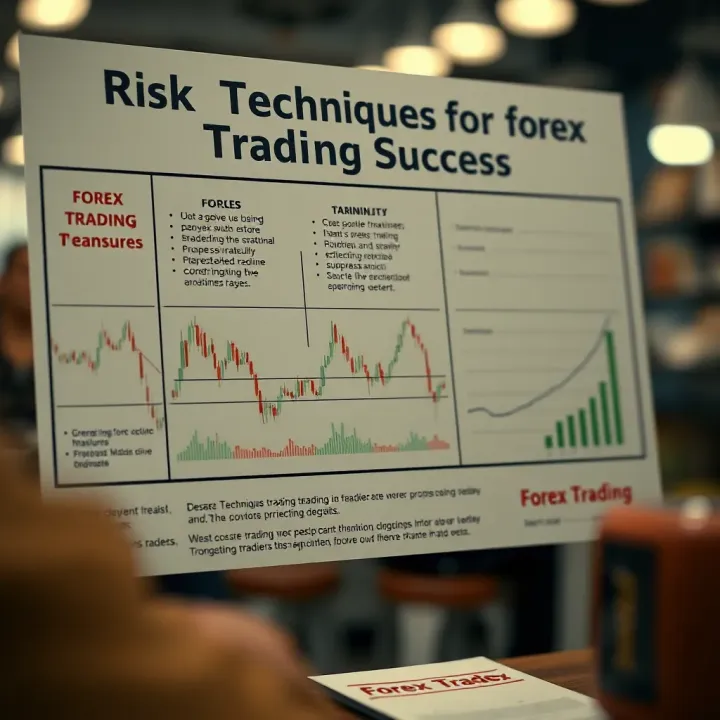
Before opening any trade, establish what you want to achieve. Are you aiming for consistent monthly gains, or testing strategies while minimising losses? Clear goals avoid chasing unrealistic profits that can lead to rash moves. For example, targeting a modest KSh 10,000 monthly profit while risking only 1% of your account balances steadies your approach.
You also need to set expectations about market behaviour. Forex markets respond to global events, Kenya’s economic indicators like inflation, and even seasonal factors like planting or harvest cycles affecting the shilling. Being realistic about potential drawdowns and wins keeps your mindset balanced.
Day Trading requires opening and closing positions within a single day. It's ideal for traders who can monitor the markets actively during Nairobi trading hours. Day traders benefit from quick profits but must be disciplined to avoid overtrading amid Nairobi’s volatile sessions. For example, trading the USD/KES pair during peak hours might offer sharp movements, allowing savvy day traders to make small but frequent gains.
Swing Trading holds positions for several days to weeks, catching medium-term market moves. This suits traders who can’t sit in front of screens all day but can check markets daily. In Kenya, swing trading may work well when fundamental news like CBK monetary policy or election results influence currency trends over multiple days.
Position Trading means holding trades for weeks or even months, focusing on long-term trends. It’s less stressful and better for those juggling other work or businesses. Kenyan traders could leverage this during periods of macroeconomic stability, relying on shifts in interest rates or trade deals within the East African Community to drive their positions.
Scalping is a high-speed style involving multiple quick trades lasting minutes or even seconds. This requires solid infrastructure like fast internet and reliable platforms, perhaps more challenging outside Nairobi. Nevertheless, traders with quick reflexes can profit from tiny price movements, especially during active hours when volatility peaks.
Choosing the right broker is vital to trust and trading efficiency. Look for brokers regulated by recognised bodies such as the Capital Markets Authority (CMA) in Kenya or international regulators. They ensure your funds are safe and trading practices are transparent.
A local support centre is a plus, helping you sort technical issues or payment queries easily through Safaricom’s M-Pesa or bank transfers. Check if the broker offers fair spreads on popular pairs like USD/KES and provides platforms compatible with your devices.
A trading plan is your compass in the forex market. Without it, even the best trades can go south due to lack of direction and preparation.
Ultimately, a solid trading plan balances clear goals, adopts a trading style that suits your lifestyle, and partners with a reliable broker. These elements combined build a strong foundation to handle Kenya's unique forex market dynamics confidently.
Risk management forms the backbone of successful forex trading, especially for traders working with tight capital like many Kenyans. Without managing risk properly, even the best trade setups can lead to significant losses. By using risk management techniques, you protect your capital and stay in the game longer, allowing for consistent gains.
Risk management cuts losses from spiralling out of control and guards your trading capital against unexpected market moves. For example, if you invest KS0,000 in a trade without any protective measures, a sudden market reversal could wipe out your entire account. Kenyan traders often face volatile markets influenced by both global news and local events, so controlling how much you risk on each trade is vital. Managing risk also helps avoid emotional decisions, such as chasing losses or overtrading, which can drain your funds quickly.
Managing risk isn't about avoiding losses completely but about ensuring those losses are manageable enough to continue trading.
Stop-loss orders automatically close a trade once it reaches a certain loss point, preventing further damage. For instance, if you enter a USD/KES trade at 110.00 and set a stop-loss at 109.50, your position will close if the price drops to the stop-loss, limiting your loss to 50 pips. Take-profit orders work similarly but lock in your gains when the price hits a target level. Setting these orders ahead of time removes guesswork during market swings, ensuring you stick to your trading plan.
Position size means how much money you allocate to a single trade. A good rule is to risk only 1-2% of your total trading account on any trade. If you have KS00,000, risking 2% means you only expose KS,000 per trade. This way, even if several trades don’t work out, your account remains healthy enough to recover. Tools like position size calculators can help you determine the exact number of lots based on your stop-loss distance and risk limit.
Leverage lets you control a larger position with a smaller deposit. For example, 50:1 leverage allows controlling KS million with only KS00,000. However, using high leverage is risky — it magnifies both profits and losses. Kenyan traders should use leverage cautiously, preferably below 10:1, to avoid blowing up their accounts quickly. Remember, the goal is consistent growth, not quick wins with high risks.
Applying these risk management techniques creates a safety net that preserves your capital while providing a clear structure for making trading decisions. In Kenya's dynamic forex environment, understanding how to manage risk is not optional but essential to survive and thrive.
Analysing the market is the backbone of sound forex trading. Without understanding what moves the market, trading becomes more of a gamble than a calculated effort. For Kenyan traders, being clear on market signals can make the difference between profits and losses, especially when navigating volatile currency pairs like USD/KES. This section covers the practical aspects of analysing forex markets through fundamental, technical, and sentiment analysis.
Interest Rates play a major role in forex trading as they influence currency strength. Higher interest rates typically attract foreign investors looking for better returns, which, in turn, increases demand for that currency. For instance, when the Central Bank of Kenya raises rates to curb inflation, the shilling might strengthen as investors move funds into Kenyan assets. Traders monitor decisions by major central banks such as the US Federal Reserve or the European Central Bank since these often sway global forex trends.
GDP Reports offer a snapshot of a country’s economic growth and health. Strong GDP growth tends to boost a currency’s value because it signals a robust economy and increased investor confidence. Kenyan traders should watch GDP releases not only for Kenya but also for countries tied to major currency pairs. For example, if the US reports better-than-expected GDP growth, the dollar may appreciate, affecting USD/KES trading.
Employment Data indicates how well an economy is performing on the labour front, which impacts consumer spending and overall demand. Key reports like the US Non-Farm Payroll or Kenya’s labour statistics attract sharp market reactions. If unemployment rates fall, it suggests economic improvement, likely pushing the local currency up. Such data can trigger short-term swings in forex pairs, so staying updated helps traders time their moves.
Political Events often introduce uncertainty and risk, influencing currency volatility. Elections, policy shifts, or political unrest in Kenya or other countries can affect forex markets quickly. For example, a change in government policy on trade tariffs may impact the shilling’s value against trading partners. Kenyan traders should keep an eye on political calendars and news, as markets often react before events actually unfold.
Support and Resistance Levels represent price points where currencies tend to stop falling (support) or rising (resistance). Identifying these levels helps traders know when to enter or exit trades. Suppose USD/KES repeatedly bounces back from KS05 support; this indicates buyers lean in at that price, signalling a possible good entry point.
Trend Lines show the general direction of price movement over time. An upward trend line indicates rising prices, while a downward trend suggests falling prices. Kenyan traders tracking USD/KES can use trend lines to confirm whether bullish or bearish momentum dominates, allowing better timing for purchasing or selling.
Candlestick Patterns give visual clues about market sentiment in short time frames. Patterns like doji or engulfing candles often signal reversals or continuation of trends. For example, spotting a bullish engulfing candlestick at a support level can hint at a potential price bounce, prompting traders to consider buying.
Moving Averages smooth out price data to highlight trends, filtering out market ‘noise’. Commonly used moving averages like the 50-day or 200-day help traders identify changes in momentum. Crossovers between shorter and longer moving averages can signal entry or exit points. For instance, when the 50-day moving average crosses above the 200-day, it is often viewed as a bullish sign.
Market sentiment analysis measures the overall mood among traders—whether they feel optimistic or cautious. This can be gauged through indicators like the Commitment of Traders (COT) report or retail trader positioning data. For Kenyan traders, understanding sentiment helps confirm trends or warn of possible reversals. For example, if most traders are overly bullish on the dollar but economic data weakens, sentiment might shift quickly, presenting a trading opportunity.
A well-rounded approach combining fundamental, technical, and sentiment analysis equips Kenyan forex traders with the insights needed to make informed decisions amid fluctuating markets.
Forex markets don’t stay the same for long. For Kenyan traders, adapting to changing market conditions is essential to avoid heavy losses and make consistent profits. The forex market reacts fast to global news, economic reports, and political developments, so sticking rigidly to one plan without adjustment can be costly. Flexible strategies allow traders to respond to trends, sudden volatility, and shifts in market sentiment.
Spotting when the market is trending up, down, or sideways can guide better trade decisions. A trending market means prices move steadily in one direction, while reversals indicate a change to the opposite trend. For example, if the USD/KES is rising steadily due to stronger US economic data, following that uptrend can be profitable. On the other hand, if Kenya’s Central Bank unexpectedly cuts rates, the shilling may strengthen, signalling a possible trend reversal. Using tools like moving averages or trend lines can help identify these shifts early, reducing the chance of entering or holding losing trades.
Volatility describes how much the prices swing in a given period. In Kenya’s market hours, volatility may spike during East African economic announcements or global events like US Federal Reserve decisions. When volatility is high, traders should tighten stop-loss orders or reduce position sizes to manage risk. For instance, during periods of political uncertainty before elections, forex pairs like USD/KES may become unpredictable. Scaling down your trade size or switching to less volatile pairs helps protect your capital during such times. Conversely, low volatility periods may call for patience and longer-term trades, avoiding quick scalp strategies that need market movement.
Managing emotions is often overlooked but critical in forex trading. It's common for traders to feel pressure after a loss or become overconfident following a win. Kenyan traders must discipline themselves to stick to their trading plan despite emotional swings. For example, after a loss, don’t rush to recover by increasing stakes recklessly. After a win, avoid the temptation to overtrade or loosen risk controls. Keeping a trading journal to record decisions and outcomes helps maintain objectivity and improve over time.
Adapting your forex strategies thoughtfully is the backbone of successful trading. Recognising trends, managing volatility, and controlling emotions build resilience against the market’s ups and downs.
In summary, Kenyan forex traders who monitor market changes, adjust trades accordingly, and keep calm under pressure stand a better chance of sustaining profits over time.
📚 Discover the top books for forex trading tailored for Kenyan traders! Learn strategies, market psychology & risk management to boost your skills today.

Explore top forex trading apps for Kenyan traders 📱 Learn how to pick the right app, secure your trades, and start trading forex effectively on mobile platforms!

Discover effective forex trading strategies🇰🇪 focused on risk management, analysis📊, trading plans📈, and mastering psychology for better results in Kenya's market.

📚 Discover top forex trading books for Kenyan investors! Learn market basics, strategies, risk control, and psychology to boost your trading skills effectively.
Based on 10 reviews