
Binary Trading Bots: How They Work and What to Know
🤖 Explore how binary trading bots work in Kenya’s markets, learn their benefits, risks, and key tips to use these tools safely and smartly.
Edited By
Sophie Walker
Binary bots are computer programs developed to trade binary options automatically, without the need for continuous human input. Traders in Kenya and elsewhere use these bots mainly to execute trades faster and more efficiently, taking advantage of market moves even when they’re away from their screens.
At their core, binary bots rely on algorithms—these are sets of programmed instructions that analyse market data like price movements, trends, and even news feeds. This analysis helps the bot decide when to buy or sell, aiming to maximise profits or limit losses based on predefined strategies.
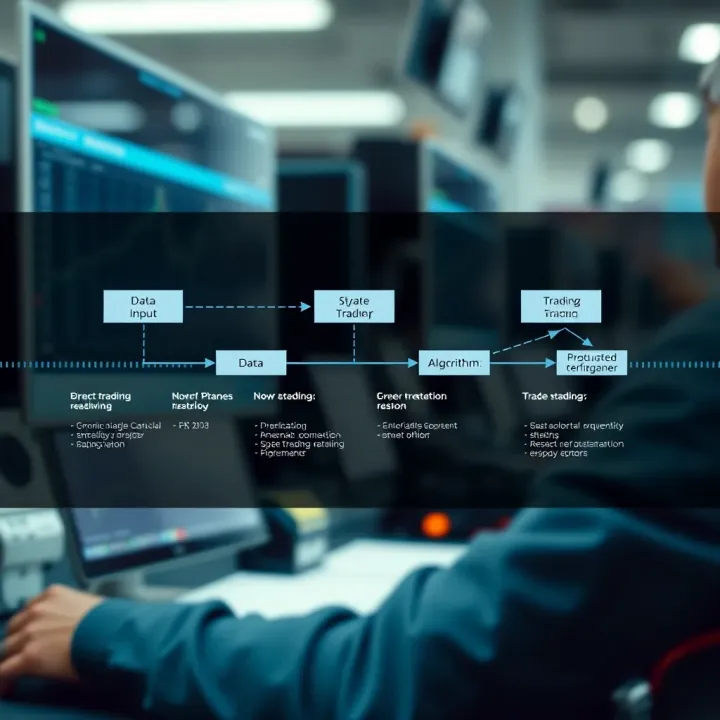
Unlike manual trading, where decisions depend heavily on a trader's intuition or experience, binary bots execute trades based purely on data-driven rules. This consistency can help reduce emotional trading mistakes.
These bots gather real-time information from financial markets, often pulling price data from stock exchanges or currency rates. They use technical indicators such as moving averages, Relative Strength Index (RSI), or Bollinger Bands to spot patterns and signals that might suggest a favourable trade.
For example, if a moving average crossover occurs—a common technical signal—the bot might interpret this as a good time to place a call or put option. These triggers, once set, run continuously, letting the bot react swiftly without human delays.
Bots can adopt various approaches, including:
Trend Following: Betting that a market trend (up or down) will continue.
Range Trading: Trading within support and resistance levels, expecting prices to bounce back.
News-Based Trading: Reacting quickly to breaking economic news that affects asset prices.
Each strategy requires setting risk parameters that control trade size and stop-loss points, which protect a trader’s capital.
Suppose a binary bot monitors forex pairs like USD/KES. If it detects the Kenyan shilling weakening against the US dollar consistently over a short period, it might automatically place trades expecting the trend to continue. Such timely execution can be tough for traders to match manually.
Understanding how these elements come together can help you decide whether using a binary bot fits your trading goals, especially within the Kenyan market context where factors like currency volatility and trading costs make timing crucial.
Understanding the basics of binary bots and automated trading is essential for anyone looking to engage in binary options activities. These systems remove much of the manual effort normally involved in trading, offering the opportunity to execute trades faster and more efficiently. Knowing how these bots work helps traders make informed decisions, particularly in managing risks and optimising performance.
A binary bot is software designed to automate the process of trading binary options, which are contracts that pay a fixed return based on whether an asset’s price moves in a predicted direction within a set timeframe. Instead of manually analysing market data and placing trades, a binary bot executes decisions automatically according to programmed rules. For example, a trader might set a bot to buy a call option if the USD/KES exchange rate crosses a certain threshold.
In the broader financial market, automation is increasingly common, with brokers and traders adopting bots to handle high-frequency trades or complex strategies that require split-second execution. These tools allow traders, even those without deep technical expertise, to stay active in markets that can shift quickly.
Bots offer clear advantages over manual trading, primarily through speed and consistency. They can analyse large volumes of market data quickly and act without hesitation, avoiding delays caused by human emotions or distractions. For instance, while a manual trader might miss an opportunity during a busy workday, a binary bot continues operating 24/7 without fatigue.
However, these bots depend entirely on their underlying algorithms and the quality of input data. They follow predefined rules strictly, which means they may perform poorly during unexpected market shifts or when the algorithms fail to adapt. For example, an algorithm trained on historical data may not react effectively to sudden political events impacting the Nairobi Securities Exchange (NSE). Traders must remember this limitation and monitor bot performance regularly, adjusting as needed.
Automated trading tools like binary bots make trading accessible and efficient, but they are not foolproof. Understanding their strengths and weaknesses is key to using them responsibly.
By grasping these fundamentals, traders can better evaluate which tools suit their style and market conditions, ultimately leading to smarter, more informed trading decisions.
Understanding the technical components behind binary bots sheds light on how these tools function to automate trading in binary options. At the heart, these bots combine software engineering with market analysis to analyse data quickly and execute trades without human hesitation. This section focuses on the architecture, programming foundation, and data processing methods that make automated trading possible.
Most binary bots are programmed using languages such as Python, JavaScript, or C++. Python is popular because it supports quick development and has extensive libraries for data analysis and machine learning, such as Pandas and TensorFlow. JavaScript, meanwhile, is often used for web-based bots interacting with trading platforms directly from the browser. C++ is preferred for bots that require faster execution speeds, which can be crucial in high-frequency trading environments.
The choice of platform also matters. Some bots run on desktop applications, while others operate on cloud platforms offering better uptime and access to computational power. For example, a trader in Nairobi might use a cloud-based bot integrated with Safaricom's internet services for near-continuous operation, avoiding interruptions common in local networks.
Another vital part of the architecture is the use of Application Programming Interfaces (APIs). Trading platforms provide APIs that allow the bot to receive real-time market data, send trade orders, and monitor positions. Without APIs, bots would struggle to interact efficiently with broker systems. APIs ensure seamless connection and fast communication so trades can happen almost instantly after a signal is generated.

APIs typically require proper authentication, such as API keys, to ensure security and control over accounts. An example is the IQ Option API, commonly used in Kenya, which lets bots place trades on binary options securely.
Binary bots analyse market data primarily through technical indicators — tools that interpret market trends and volatility based on price and volume history. Indicators like Moving Averages, Relative Strength Index (RSI), and Bollinger Bands help bots decide when to enter or exit a trade. For instance, a bot might detect a short-term price spike indicated by RSI and send a trade signal quickly before a reversal.
Beyond raw indicators, bots use pattern recognition to spot formations like head and shoulders, double tops, or support and resistance levels. This process relies on algorithms that mimic human analysis but operate far faster. Pattern detection helps the bot predict likely price moves, improving the timing and accuracy of trades.
Decision-making algorithms then weigh these signals against predefined strategies and risk parameters. For example, an algorithm may trigger a trade only if multiple indicators agree, reducing false signals. These decision layers are crucial—they filter noisy data and help protect against unnecessary losses, particularly in volatile markets common in Africa's financial centres.
Clear, real-time data analysis combined with swift decision-making is what gives binary bots their edge over manual trading. However, the quality of the algorithms and access to reliable market data remain key for success.
Together, the technical foundation and data processing techniques define how reliable and effective a binary bot will be in Kenya’s trading environment. From programming choice to market signal interpretation, each component affects how well the automated system performs under fast-moving conditions.
Common strategies are the backbone of how binary bots function in automated trading. These approaches guide the bots in making buy or sell decisions without human input, aiming to maximise profits while managing risks. Understanding these strategies helps traders know what to expect from bots and decide which one fits their trading style.
Trend following is among the simplest yet widely used strategies by binary bots. Here, the bot identifies the prevailing market direction — up or down — and places trades that align with this trend. For instance, if a stock price steadily rises over the day, the bot will buy call options anticipating continued upward movement. This strategy works well when markets show clear direction, such as during strong economic news releases or earnings seasons. Momentum strategies build on trends but focus on the speed of price changes, aiming to capture rapid moves early. Binary bots use technical indicators like Moving Averages (MA) or Relative Strength Index (RSI) to spot these shifts. For example, a bot might enter a trade when the RSI moves from below to above 30, signalling increasing buying momentum.
Not all markets trend steadily — some move sideways within a price range. Range trading strategies have bots trade within well-defined support and resistance levels, buying puts near resistance and calls near support. For example, if a currency pair bounces between KSh 120 and KSh 125, the bot will take advantage of these predictable price oscillations. Reversal trading is more complex; bots try to detect when a trend is about to change direction. They use patterns like double tops or stochastic indicators to time entries against the current momentum. While potentially lucrative, reversal strategies require precise timing and are riskier if market conditions suddenly shift.
Effective risk management is essential to prevent heavy losses that can wipe out gains.
Setting trade limits and stop loss helps bots avoid sinking too much capital into one position or a losing streak. These limits set boundaries on the amount a bot can trade per session or the maximum cumulative loss allowed before pausing trading. For example, a bot might be programmed to stop trading after a 10% drawdown in account value. Stop loss tools prevent excessive losses on individual trades by exiting a position automatically if the price moves unfavourably beyond a threshold. Though stop loss is standard in many trading forms, binary options sometimes lack direct stop loss orders, so bots approximate this by controlling trade volume and expiry times to reduce risk exposure.
Managing exposure to market volatility is another core risk practice. High volatility means prices can swing wildly, increasing chances of sudden losses. Bots approach this by reducing trade size during such times or avoiding trading altogether on particularly volatile assets or news days. Some bots adjust strategies dynamically — for example, switching from trend following to range trading when volatility spikes. This flexibility helps not only protect capital but also adapt to rapid market environment changes, which is crucial in the often fast-paced binary options market.
Successful binary bots combine multiple strategies and risk controls to create balanced trading systems, reducing risks while aiming for steady returns.
By knowing these common strategies, traders can better evaluate bots’ performance claims and pick ones that suit their goals and risk tolerance.
Understanding the risks and limitations of binary bots is key before dedicating significant funds or relying heavily on automated trading. While these bots offer speed and consistency, they are not foolproof. Identifying technical glitches, financial pitfalls, and fraud risks helps traders manage expectations and stay safe from losses that might otherwise catch them off guard.
Software bugs and connectivity issues are common challenges that can impact binary bots. Even a minor coding error can cause incorrect trade executions or delay orders, affecting profitability. For example, if a bot misinterprets a signal due to a bug, it may buy when it should sell. Connectivity problems between the bot and the trading platform also create risks; interruptions might cause the bot to miss crucial market movements or execute trades too late, resulting in losses. These technical failures remind users that no matter how sophisticated, bots depend on stable infrastructure to function correctly.
Impact of market anomalies adds another layer of risk. Sudden market spikes or flash crashes can throw bots off since many rely on historical price patterns and predictable movements. For instance, unexpected political news or economic reports might cause extreme volatility that the bot’s algorithm isn’t prepared for. This mismatch can lead to rapid losses if the bot continues to trade under faulty assumptions. Traders should be aware that bots cannot adapt like humans to every market surprise, so close monitoring is essential.
Overdependence on historical data is a major limitation. Most binary bots analyse past market trends to predict future price movements, but markets don’t always repeat patterns perfectly. A bot trained heavily on old data might fail when conditions change, such as shifts in monetary policy or new regulations affecting markets. This is why relying solely on algorithms without human judgment can be risky. For example, during Kenya’s recent macroeconomic changes, some automated systems struggled to adjust to currency fluctuations hitting the market unpredictably.
Risks from unpredictable market events extend beyond data limitations. Events like terrorist attacks, natural disasters, or sudden regulatory decisions can cause markets to behave erratically. Bots lack the intuition to pause or reassess in such situations and may keep placing trades based on outdated logic. This can lead to steep losses, especially if stop-loss mechanisms aren’t adequately set. Active traders often recommend combining automated bots with manual oversight to mitigate this exposure.
Common warning signs of fraudulent bots include promises of guaranteed profits, lack of transparency on how trades are made, and difficulties withdrawing funds. Some bots are marketed aggressively through social media or dubious websites with fake user reviews to build trust quickly. If a bot claims unbelievable returns with no risk, it is a clear red flag. Additionally, if the provider does not disclose their algorithm or track record openly, potential users should be cautious.
How to avoid unreliable bots involves doing thorough research and testing. Trusted bots usually offer free demo accounts – traders can experiment here without risking real money. Checking honest reviews on reputable finance forums and consulting fellow traders helps spot scams. Also, verifying that the bot connects to recognised trading platforms with clear licensing adds a layer of security. Ultimately, cautious selection and ongoing monitoring are the best ways to protect oneself from fraud.
Careful assessment of risks empowers you to use binary bots smarter, avoiding pitfalls while making the most of automated trading benefits.
In short, no binary bot is without flaws or risks. But understanding the technical glitches, financial hazards, and fraud potential can help you trade with eyes wide open and a better chance of success.
Selecting and using a binary bot responsibly is key to protecting your investments and achieving consistent results. Many traders jump into automated trading without enough care, only to face unexpected losses. Responsible use means understanding what you’re dealing with, setting clear limits, and staying involved in the process even when a bot is doing the work.
A binary bot’s reputation can tell you a lot about its reliability. Look beyond flashy advertisements and seek out genuine user feedback from trusted forums or trading communities. For instance, if many users complain about delayed withdrawals or incorrect trade executions, that’s a red flag. On the flip side, a bot with consistent positive reviews and real testimonials from traders in Kenya or similar markets probably has a sound track record.
User reviews can also highlight how responsive the bot’s developers are to technical issues. A few bots might have impressive strategies but poor customer service, which can leave you stranded during crucial moments. Always pick bots that maintain open lines of communication and regularly update their software to deal with market changes.
Transparency is vital when trusting an automated system with your money. Some binary bots openly share how their algorithms work or provide detailed performance reports over time. This openness helps traders verify claims instead of simply relying on marketing hype.
For example, if a bot uses a momentum strategy, knowing which indicators it tracks or how it adapts to volatility helps you decide if it fits your risk appetite. Performance transparency means you should be able to access historical trade results, win rates, and drawdowns. Without this data, deciding if the bot suits your trading style becomes guesswork, increasing risks.
Binary options trading operates in a grey area in Kenya. While it remains popular among retail traders for its simplicity, Kenyan law doesn’t explicitly licence or regulate many binary options providers. This lack of formal recognition means users need to exercise caution, as protections you’d expect with regulated financial products may be missing.
Therefore, understanding the legal context is crucial. Engaging with unregulated bots can put your investments at risk if the provider operates unscrupulously or disappears without notice. It's sensible to prioritise bots connected to platforms with transparent Kenya-based customer service or established international regulations.
The Capital Markets Authority (CMA) in Kenya monitors securities and investment products but hasn’t endorsed any binary options platforms specifically. Meanwhile, the Central Bank of Kenya (CBK) warns about the risks linked to speculative investments lacking regulatory oversight.
Both bodies advise investors to confirm licensing status before committing funds and to report suspicious companies. This guidance underlines the need to choose binary bots that comply with existing financial laws or operate with clear disclaimers outlining risks.
Testing a binary bot through a demo account is the safest way to understand its behaviour without risking actual money. Many bots offer free trial periods or demo environments where you can observe how the bot handles real market data and executes trades.
For example, you might simulate trades on currency pairs like USD/KES or popular stocks listed in Nairobi Securities Exchange (NSE) platforms. This practice enables you to tweak settings and evaluate profitability before going live.
Even with automation, regular monitoring is essential. Market conditions shift rapidly, and bots may not always adjust well without manual intervention. Checking bot reports daily or weekly ensures you spot unexpected behaviours, such as increased losses or missed trades.
Monitoring also lets you update risk parameters if you notice the bot overexposes your capital during volatile periods. A Kenyan trader might find it handy to assess bot performance before matatu commuting hours when market activity peaks.
Never commit more money than you can afford to lose when using binary bots. Start small to see how the system performs in live conditions rather than pouring large sums at once. Setting maximum trade sizes and daily loss limits within the bot’s configuration helps protect your capital.
Additionally, spreading investments over different bots or strategies can reduce risk. Kenyan traders often use this method, investing small amounts across varied instruments like forex, commodities, or stocks through automated systems.
Proper selection and cautious use of binary bots help avoid losing hard-earned Kenyan shillings and build a steady trading approach over time. Always remember, no bot guarantees profits—your vigilance is the best safety net.
🤖 Explore how binary trading bots work in Kenya’s markets, learn their benefits, risks, and key tips to use these tools safely and smartly.
Explore how binary bots function in trading, their pros and cons, plus legal and ethical tips to help Kenyan traders stay safe and informed ⚖️🤖📉

Discover how to pick the top binary bot for trading success in Kenya 📊. Learn key features, risks, and tips to trade smarter with reliable automation 🤖.

Learn how binary bots automate trading in binary options 📊. Discover their workings, pros, cons, risks, and legal tips for safe use in Kenya 🇰🇪.
Based on 11 reviews