
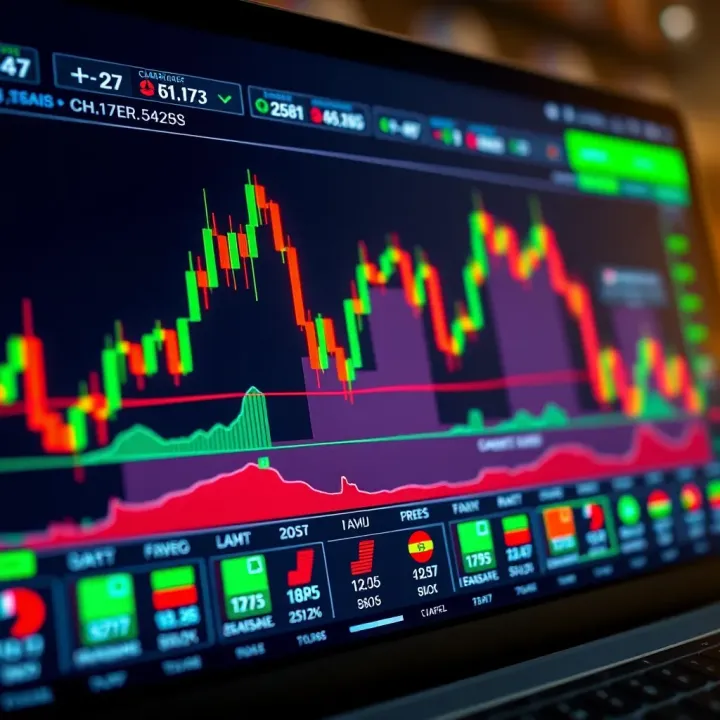
Choosing the Right Forex Trading Platforms in Kenya
Discover practical tips for Kenyan traders choosing forex platforms 📈. Learn about features, costs, and regulation to trade confidently in Kenya’s market.
Edited By
Amelia Price
When it comes to forex trading in Kenya, picking the right platform can be the difference between making steady gains and losing your hard-earned money. Forex trading platforms serve as the bridge connecting you to the global currency market, so understanding their features and reliability is vital.
Kenyan traders have a variety of options, ranging from international platforms like MetaTrader 4 (MT4) and MetaTrader 5 (MT5) to local brokers that offer platforms customised for the Kenyan market. Each platform offers different tools, charting capabilities, and order execution speeds, which affect your trading efficiency.
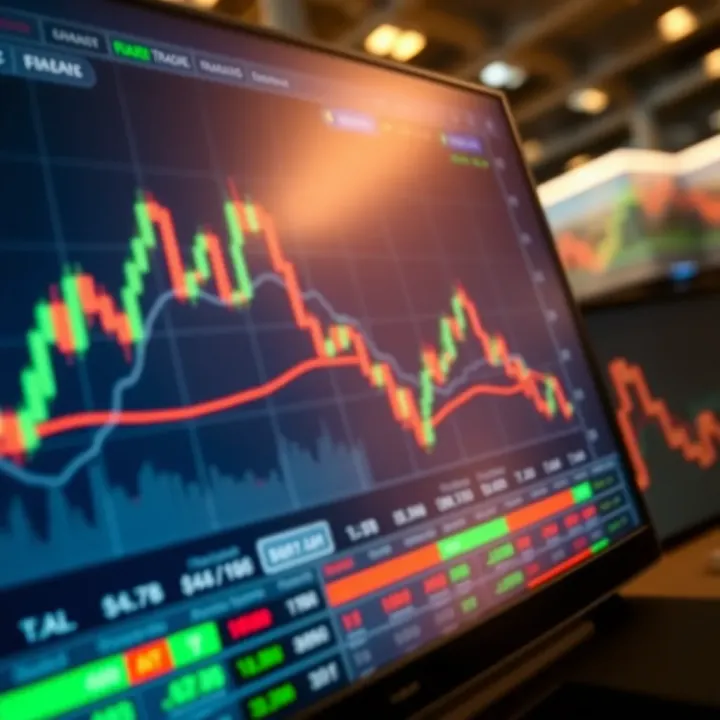
Remember, the platform you choose should not just match your trading style but also meet security standards demanded by Kenyan regulations and international financial norms.
Security is key. Make sure the platform has robust measures such as two-factor authentication, encryption of sensitive data, and offers escrow of client funds. It's best to stick with brokers registered with the Capital Markets Authority (CMA) or other recognised bodies.
Usability matters too. A complicated interface can slow you down, especially when quick decisions matter. Platforms offering intuitive design, clear order placement, and access to real-time market data can provide an edge.
Moreover, pay attention to:
Fees and spreads: These vary widely. Lower spreads reduce your trading costs but might come with other trade-offs.
Deposit and withdrawal options: Given Kenya’s M-Pesa dominance, platforms supporting easy mobile money transactions simplify your cash flow.
Customer support: Responsive service in Swahili or English helps when you face challenges.
Ultimately, your best choice depends on your experience level, trading frequency, and the currencies you plan to trade. Whether you’re just starting with small trades or handling large volumes professionally, doing your homework on the platform ensures your forex trading journey in Kenya is safe and profitable.
Grasping what forex trading platforms offer is key to making smart choices when trading currencies in Kenya. These platforms are your gateway to the forex market and understanding their features can improve your trading efficiency and help you avoid costly mistakes. For example, knowing how real-time data feeds work can make the difference between catching a profitable trade or missing out.
Forex trading platforms are software systems that allow you to buy and sell currencies online. Think of them as your trading workspace — they display live market prices, enable order placement, and provide tools to analyse market trends. Brokers provide these platforms, often customised to fit their client’s needs. Without a trading platform, you’d have no direct access to the fast-paced forex market.
One essential feature is real-time quotes and charts. This means the platform shows the latest currency prices as they change, often every second. For a Kenyan trader, this matters because forex markets can shift quickly, sometimes within seconds, and outdated prices could lead to bad trades. Visual charts help you spot patterns and price movements; without them, you’d be trading blind.
Forex platforms also let you place and manage orders directly. Whether you want to buy or sell, set stop losses, or take profits, the platform handles these instructions. Effective order management helps Kenyan traders limit losses and lock in gains. For instance, you might set a stop-loss order to automatically close your position if the market moves unfavourably, protecting your capital while you focus on other activities.
Most trading platforms provide built-in technical analysis tools like moving averages, RSI (Relative Strength Index), and Fibonacci retracement levels. These tools assist traders in predicting price movements based on historical data. For example, a forex trader in Nairobi using a moving average might identify a trend reversal early enough to enter a trade profitably. These tools make complex analyses simpler and more accessible.
Nowadays, mobile access is vital. Many Kenyan traders rely on their smartphones to monitor the market. Platforms with mobile apps offer the convenience of trading from anywhere — from a matatu ride to a café. Push notifications alert you to important market events or when your orders execute, saving you the hassle of constant checking. This flexibility gives traders control even when away from their computers.
Forex platforms generally offer a variety of trading instruments. Apart from major currency pairs like USD/KES, USD/EUR, and GBP/USD, many platforms support CFDs (Contracts for Difference) on commodities like gold and oil, indices such as NSE 20, and even cryptocurrencies. Offering multiple instruments allows Kenyan traders to diversify their portfolios and explore more trading opportunities using a single platform.
A well-chosen trading platform matches your style, whether you need quick access on mobile or advanced charting on desktop, making trading more manageable and safer.
Understanding these components helps Kenyan traders pick platforms that fit their needs and trading habits, skipping unnecessary features while focusing on what really matters — making informed, timely trades.
Kenyans stepping into forex trading have several platform types to choose from, each catering to different trading styles and needs. Understanding these platforms helps you pick one that fits your routine, internet access, and trading goals.
Desktop platforms are popular among serious traders who want deep analysis and stable connections. Installed on your computer, they provide robust tools for technical analysis, order management, and custom indicators. For example, MetaTrader 4 and MetaTrader 5 offer advanced charting and algorithmic trading features, suitable for those who spend hours analysing markets. However, they require a reliable PC and internet connection, which might be a consideration in Kenya where power outages or network drops can happen.
Web-based platforms run directly on your internet browser, so no installation is needed. This feature makes them flexible and accessible from any device with internet access, including public computers or internet cafes common in Kenyan towns. These platforms often have simpler interfaces but still support essential functions like charting and order execution. For instance, brokers like FXTM and Exness provide web platforms tailored for ease of use, which is good for beginner to intermediate traders who value quick access without tethering to a single device.

Trading on the move is vital for many Kenyans, especially those commuting in matatus or working away from home. Mobile apps allow you to monitor price changes, place orders, and get notifications instantly. Safaricom users often combine M-Pesa with mobile trading for lightning-fast deposits and withdrawals. Popular apps such as MetaTrader’s mobile versions, cTrader, or proprietary broker apps provide smooth interfaces that balance functionality and simplicity. Still, limited screen size means these apps are best for trade management rather than deep market research.
Automated trading allows strategies to run without constant supervision – ideal for busy traders in Kenya who can’t stare at screens all day. Platforms like MetaTrader support Expert Advisors (EAs), which are scripts that open, modify, and close trades automatically based on programmed rules. This helps reduce emotional decision-making and executes trades at speeds impossible for humans. However, automated systems need testing and monitoring, as Kenyan market volatility and sudden news events can affect performance unexpectedly.
Choosing the right platform type depends on your trading frequency, technical skills, and internet reliability. Many Kenyan traders start with web or mobile apps, then graduate to desktop or automated systems as their experience grows.
Each platform offers unique benefits. Desktop applications deliver powerful tools for analysis, web platforms offer convenience and ease, mobile apps ensure trading flexibility, and automation brings disciplined, hands-off strategies. Evaluating your needs against these types will guide you to a platform that meets your trading ambitions and local realities.
Selecting the right forex trading platform involves more than just picking one with sleek charts or fast execution. Kenyan traders need to consider several critical factors that ensure security, cost-effectiveness, ease of use, and reliable support. Ignoring these can lead to losses, fraudulent dealings, or frustrating trading experiences.
A trustworthy forex platform should be regulated by a credible authority. In Kenya, this means checking if the broker or platform holds a licence from the Capital Markets Authority (CMA). This licence indicates compliance with local laws and protects traders by enforcing standards around transparency and fund management. Meanwhile, international regulators like the UK's Financial Conduct Authority (FCA) or Australia's ASIC add an extra layer of trust, especially for platforms operating cross-border.
Security extends beyond licences to how the platform protects your data. Look for platforms using strong encryption protocols, such as SSL (Secure Sockets Layer), which safeguard your personal information and financial transactions from cyber threats. Given the rise of cybercrime targeting online traders, a platform that prioritises data safety not only protects you but also signals professional management.
One of the key safeguards is whether the platform keeps client funds separate from its operational accounts. This fund segregation ensures that your deposits aren’t used for the company’s business expenses and remain protected even if the broker faces financial troubles. For example, a platform regulated by CMA or FCA typically has strict rules about fund segregation, giving Kenyan traders peace of mind that their KSh deposits are secure.
Cost is a practical consideration that affects profitability. Spreads—the difference between buying and selling prices—vary significantly across platforms. Some may offer tighter spreads but charge commissions per trade, while others use wider spreads with no separate fees. Kenyan traders should calculate total costs factoring in these elements and any hidden charges such as withdrawal fees or inactivity penalties. Choosing a platform with transparent, competitive costs can improve your chances of making gains.
A platform with a clean, intuitive interface helps traders make fast, accurate decisions. Whether you use the desktop software or a mobile app, navigation should be straightforward, and essential tools like charts, order placements, and account summaries should be easy to find. Kenyan traders new to forex may find demo accounts useful to familiarise themselves before investing real money.
Reliable and accessible customer service is a must. Check if the platform offers support through multiple channels, including email, phone, and live chat, with reasonable response times. Equally important are educational materials—videos, webinars, and articles—that help traders improve their skills. Platforms with community forums also provide chances to learn from fellow Kenyan traders’ experiences.
Choosing a regulated platform with solid security, fair trading costs, a user-friendly interface, and robust support creates the foundation for a successful forex journey in Kenya.
This approach to selecting a platform helps you avoid pitfalls and truly focus on trading strategies rather than technical or financial surprises.
When stepping into forex trading, picking a platform used widely and trusted in Kenya matters a lot. Popular platforms have proven track records, community support, and features tailored to the needs of traders here. They often come with resources to help beginners and experienced traders alike, making them a sensible choice to get started or grow.
MetaTrader 4 (MT4) and MetaTrader 5 (MT5) are among the most widely used forex platforms in Kenya. MT4 is famed for its simplicity and reliability, offering real-time quotes, advanced charting tools, and automated trading through Expert Advisors (EAs). Kenyan traders appreciate MT4 for its lower system demands, making it great even on average mobile devices and laptops common in the market.
MT5, on the other hand, builds on MT4 with more asset classes beyond forex, such as stocks and commodities. It also features enhanced order types and deeper technical analysis tools. Many Kenyan brokers now provide MT5 to cater to traders wanting a more versatile platform but typically at a slightly higher resource cost. Both platforms support M-Pesa and local bank transfers via brokers, easing funding and withdrawals.
cTrader is gaining popularity among Kenyan traders who prefer a more modern and intuitive interface. It focuses heavily on transparency, with features like Level II pricing and a straightforward order book, which appeal to more serious or professional traders. cTrader supports algorithmic trading through cAlgo, but requires some programming knowledge, which narrows its beginner-friendliness compared to MetaTrader.
Another advantage of cTrader is its smooth mobile experience and cloud-based saving of user settings, helpful for traders moving between devices. However, not all Kenyan brokers offer cTrader, so availability depends on your choice of broker.
Some brokers in Kenya offer their own trading platforms tailored to their services. For example, local brokers like Olympia Markets and EGM Securities may provide proprietary platforms designed for quick execution, lower spreads, and seamless integration with local payment methods like M-Pesa and bank transfers.
While broker-specific platforms might lack the broad third-party tools and community support that come with MetaTrader or cTrader, they often include localised features such as Kiswahili language support or simplified interface targeting Kenyan beginners. Traders should, however, check platform reviews, demo availability, and regulation compliance before committing, as quality and security vary by provider.
Choosing the right platform means balancing your technical comfort, trading needs, and local support. Popular platforms like MetaTrader 4, MetaTrader 5, and cTrader provide proven reliability, while broker-specific platforms can offer tailored local advantages.
Whether you lean towards a widely used global platform or a broker’s own system, ensure it supports your trading style, offers easy deposits and withdrawals with M-Pesa, and abides by Kenyan financial regulations. This way, you trade with confidence and focus on growing your forex portfolio.
Starting forex trading in Kenya requires more than just picking a platform. You need to understand how to set up your account, manage funds, and use platform features effectively. Knowing practical steps from opening accounts to managing risks helps turn trading from guesswork to a disciplined activity.
Before trading, you must open a trading account with a broker. This process usually includes submitting personal details and verifying your identity. Verification involves providing documents like your national ID or passport and proof of address such as a recent utility bill. Brokers do this to comply with Kenya’s anti-money laundering laws and to protect both parties. Rapid verification can get you trading faster, so ensure all documents are clear and valid.
M-Pesa is the go-to mobile money service in Kenya, making it a convenient way to fund forex trading accounts. Many brokers now accept M-Pesa, allowing instant deposits straight from your mobile wallet. This method is practical, especially for traders who don’t have easy access to banks. Since M-Pesa transactions are fast and widely available, it allows you to top up your trading account even while on the go, which is handy if market opportunities arise unexpectedly.
For larger deposits, bank wire transfers remain popular. Banks like KCB, Equity, and Co-operative offer international wire services suitable for funding forex accounts. Wire transfers may take a couple of days to clear, depending on your bank and the broker's bank. They suit traders who prefer dealing with big sums or want a direct bank-to-bank transaction. However, be mindful of any transaction fees that might affect your trading capital.
Using debit or credit cards is another fast way to fund your forex account. Most platforms accept Visa and Mastercard, with funds typically available within minutes. This method is convenient, especially if you want to avoid bank delays or M-Pesa limits. Still, keep an eye on your card’s foreign transaction fees and ensure your bank allows international payments. It’s also wise to avoid maxing out your card limit to keep your finances healthy.
Opening a demo account is a smart first step for any new trader in Kenya. Demo accounts let you trade with virtual money, giving you hands-on experience without risking your real cash. You can test strategies, learn platform features, and understand market movements. This practice reduces costly mistakes later and builds your confidence. Many top platforms like MetaTrader 4 and MetaTrader 5 offer free demo accounts that mimic real market conditions.
Forex trading involves risk, and it’s crucial to manage it wisely. Use stop-loss orders to limit potential losses and never trade money you can’t afford to lose. Kenyan traders must also set realistic profit goals; forex won’t make you rich overnight. Markets can be volatile with no guarantees. Take time to learn continuously and avoid chasing quick wins. Building steady, sustainable trading habits pays off better in the long run.
Remember, trading forex in Kenya is both an opportunity and a challenge. Preparing well, funding reliably, and practising before investing real money can spare you avoidable losses and set you up for better success.
Kenyan traders often face specific challenges when using forex trading platforms. Understanding these obstacles helps you make better decisions and avoid costly mistakes. From unreliable brokers to internet disruptions and unclear regulations, these hurdles can greatly affect your trading results.
One major issue in Kenya’s forex scene is the presence of scams and unregulated brokers. Some platforms promise guaranteed profits or unusually low spreads to lure traders but disappear with their funds. For instance, there have been cases where individuals deposit money using M-Pesa and never receive access to their accounts. To avoid this, always verify if a broker is licensed by the Capital Markets Authority (CMA) of Kenya or recognised international regulators such as the Financial Conduct Authority (FCA) in the UK.
Watch out for brokers who are reluctant to provide physical addresses or clear contact details. Reading community reviews and joining local trading groups can help spot red flags. Clear communication and transparency in fees, withdrawals, and customer support are your first safeguards.
Stable internet is vital for timely order execution and monitoring open positions. Kenya’s network coverage can be patchy, especially outside major cities like Nairobi, Mombasa, or Kisumu. Traders in more rural areas often complain about platform crashes or slow loading, which can lead to missed opportunities or losses.
Choosing a forex platform with a light, mobile-friendly interface helps if your internet is intermittent. Using a reliable internet provider and having a backup connection, such as a mobile hotspot, can also reduce downtime. Some platforms offer offline mode or delayed order placing, which could be handy under tough network conditions.
Kenya’s forex market regulation is still evolving, and this causes confusion around legal protections and taxation. While the CMA regulates forex brokerage firms, many individual traders are unsure about how to declare gains for tax purposes. The Kenya Revenue Authority (KRA) requires declaring income from forex trading, but some traders miss this, risking penalties.
It’s wise to keep detailed records of all trades, deposits, and withdrawals. Consult a tax professional familiar with forex trading to ensure compliance. Also, stay updated on any changes in rules from the CMA and KRA to avoid surprises.
Successful forex trading in Kenya is not just about picking the right platform, but also navigating these local challenges wisely. Awareness and preparation make a big difference.
By keeping a sharp eye on broker legitimacy, ensuring good internet access, and understanding your tax responsibilities, you set your forex trading journey on firmer ground.
Discover practical tips for Kenyan traders choosing forex platforms 📈. Learn about features, costs, and regulation to trade confidently in Kenya’s market.

Discover top forex trading platforms in Kenya 🇰🇪. Learn about regulation, fees, platform tools, and local insights to pick your perfect trading partner 💹.
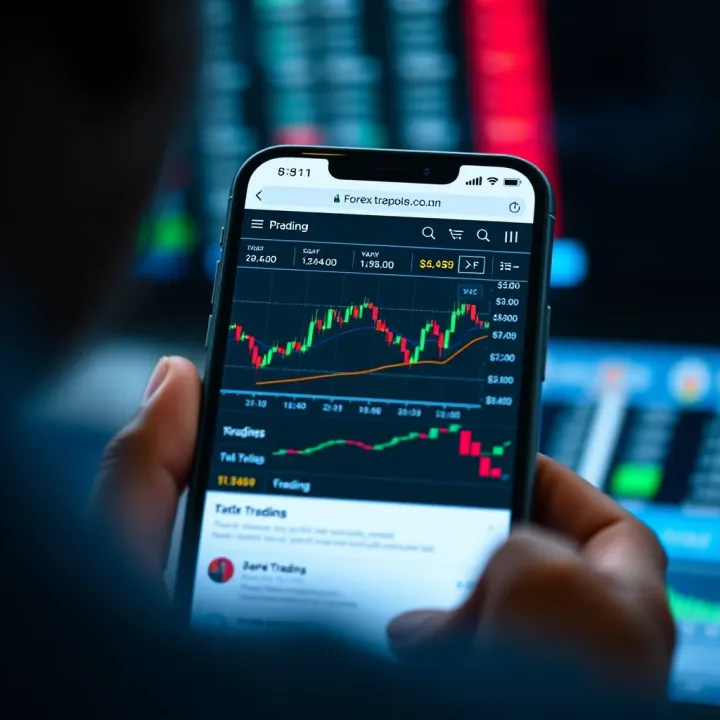
📱 Discover how to pick the best forex trading apps in Kenya with tips on features, security, downloads, and managing accounts for safer, smarter trading.

📉 Is forex trading in Kenya real? Learn how it works, the risks to expect, and key tips to trade safely. Stay informed before investing your KSh💸
Based on 5 reviews