
How Forex Trading Works for Kenyan Traders
📊 Understand how forex trading works in Kenya ⚖️ Learn market basics, trading tools, and risk management to trade confidently and grow your Kenyan Shilling portfolio 📈
Edited By
James Whitaker
Forex trading, also known as foreign exchange trading, involves buying and selling different currencies with the hope of making a profit. While many people in Kenya hear about forex through adverts or friends who claim to earn big, the reality is more complex than the hype.
In Kenya, forex trading is indeed real and accessible. Technology and mobile internet have made it possible for many traders to participate from their homes or offices using platforms provided by licensed brokers. However, it is important to understand that forex is not a guaranteed way to get rich quick; it requires knowledge, strategy, and a keen eye on global economic factors.
The forex market is the largest financial market worldwide, with over US$6 trillion traded daily. This scale means prices can move quickly in response to news like economic reports from major economies (such as the USA, China, or the European Union) or geopolitical events. Kenyan traders must appreciate that such volatility can lead to significant gains or losses within short periods.
Forex trading in Kenya operates through brokers who connect local traders to the global market. Choosing a licensed broker, preferably regulated by local bodies or recognised international regulators, is vital to protect your investment.
Here are key points every Kenyan trader should consider:
Market Hours: The forex market runs 24 hours on weekdays. Understanding the busiest trading hours (e.g., London and New York sessions) helps in planning trades.
Currency Pairs: Common pairs like USD/KES (US Dollar to Kenyan Shilling) and EUR/USD (Euro to US Dollar) offer different trading opportunities. Familiarity with these pairs and their influencing factors is essential.
Leverage Risks: Brokers offer leverage to increase trade size, for example, 1:100 leverage means you can trade with KS00,000 using KS,000 of your funds. While this can amplify profits, it equally increases the risk of losses.
Local Regulations: The Capital Markets Authority (CMA) in Kenya supervises forex brokers to ensure fair trading. Always verify broker licences and avoid underground or unregulated schemes.
Understanding the above helps build realistic expectations and avoid common traps. Forex trading is real in Kenya, but like any investment, it demands careful study, risk management, and patience to succeed.
Understanding what forex trading involves and how it operates is essential for anyone considering it as an investment option in Kenya. Forex trading is the act of buying and selling currencies in pairs on the global foreign exchange market. Its relevance lies in its accessibility and potential to generate profits from fluctuations in currency values.
Forex trading happens in pairs — for example, USD/KES (US Dollar against Kenyan Shilling). The exchange rate shows how much of the second currency you need to buy one unit of the first currency. When the USD/KES rate rises, it means the shilling is weakening against the dollar. This system is practical because no single currency trades in isolation; it always has a value relative to another. Kenyan traders must understand which pairs are most active locally, such as USD/KES and EUR/USD, to make informed decisions.
Supply and demand directly influence currency exchange rates. If many traders want to buy the US dollar, its value will increase against the shilling. On the other hand, if there is low demand for the shilling, it will depreciate. Real-world events like changes in Kenya’s interest rates or political developments can shift supply and demand quickly. For instance, during election seasons, increased uncertainty can reduce demand for Kenyan shillings, impacting rates.
The forex market is dominated by large entities such as central banks, commercial banks, hedge funds, and multinational corporations. Central banks like the Central Bank of Kenya intervene to stabilise or influence their currency. Meanwhile, commercial banks facilitate most currency transactions worldwide. For individual traders in Kenya, understanding these players' actions helps explain why exchange rates move, often beyond the predictions of regular market trends.
Kenyan traders commonly use global platforms such as MetaTrader 4 (MT4), MetaTrader 5 (MT5), and cTrader. These platforms offer real-time price charts, trading tools, and access to various currency pairs. Platforms like MT4 are favoured for their user-friendly interfaces and wide acceptance among brokers licensed by the Capital Markets Authority (CMA) in Kenya.
Starting forex trading in Kenya has become more straightforward with integration of M-Pesa. Many brokers accept deposits via M-Pesa, which makes funding accounts much easier even for those without bank accounts. Additionally, local banks such as KCB and Equity Bank allow transfers from linked accounts. This setup benefits small investors who want to trade without moving large cash amounts physically.
Mobile devices have revolutionised forex trading in Kenya. Most trading platforms have apps that run smoothly on smartphones, allowing traders to monitor markets and execute trades from anywhere. With increasing internet penetration, especially the spread of affordable 4G data, access no longer requires sitting in front of a computer. This mobility suits the busy schedules of Kenyan traders who juggle trading with job or business activities.
Successful forex trading depends on understanding these basics and using reliable platforms properly. Knowing currency pairs, market drivers, and how to deposit funds locally puts you in a better position to navigate the foreign exchange market confidently.
Currency pairs like USD/KES are the foundation of forex trading.
Supply and demand shift exchange rates based on real economic events.
Major players like central banks influence currency flows.
Popular platforms such as MT4 and MT5 are widely used in Kenya.
M-Pesa and bank transfers make funding accounts simple.
Mobile internet allows trading on the go across Kenya.
This knowledge sets the stage for managing risks and making informed trading choices in the Kenyan forex scene.
Forex trading often pops up as a tempting way to grow wealth in Kenya, especially with rising internet access and mobile money platforms like M-Pesa making it easier to participate. However, before diving in, it's vital to understand whether forex trading is a genuine investment channel or just another risky gamble. This section digs into crucial points such as the legal standing of forex trading, how you make or lose money, and why knowing the rules and risks matters for Kenyan traders.
Forex trading in Kenya operates under the umbrella of the Capital Markets Authority (CMA), the body responsible for regulating all capital markets activities including brokerage firms offering forex services. The CMA has set rules to protect investors against rogue operators and unlicensed dealers. For example, any broker offering forex trading must be licensed by CMA to legally operate in Kenya. This means when you choose a platform bearing CMA approval, you’re dealing with firms that follow Kenyan market laws and standards.
Licensed brokers give you a layer of security because they comply with regulatory requirements on capital, transparency, and client funds management. Such firms must keep client money separate from company accounts to prevent misuse. For instance, a Kenyan trader using a CMA-licensed broker like Amana Capital or HF Markets can be more confident that their cash won’t just disappear if the company hits trouble. Without licensing, brokers might vanish overnight leaving traders stranded with losses.
Scams remain a big threat in Kenya’s forex space, with some sellers promising guaranteed big returns or using fake websites and bogus reviews. Genuine trading requires a realistic approach: profits are possible but never assured. Spotting scams means looking out for red flags such as unsolicited calls pushing you to invest large sums, brokers avoiding CMA licensing discussions, or websites lacking clear company information. Remember, if it sounds too good to be true, it usually is.
Always cross-check broker licences on the CMA website and ask fellow Kenyan traders for honest feedback before committing funds.
Forex trading hinges on currency exchange rate movements driven by multiple factors. Economic news, interest rate changes by central banks like the Central Bank of Kenya (CBK), political stability, and global events all shift currency values. For example, if the US dollar strengthens due to higher interest rates, forex pairs involving USD might react significantly, offering profit chances but also risks depending on your position.
Most brokers offer leverage, meaning you can control a larger trade value using a smaller deposit, called margin. For example, a leverage of 1:100 allows you to trade KSh 100,000 with KSh 1,000. This can magnify profits but also losses. Imagine if rates move 1% against your position — your real loss could be 100% of your margin. Hence, Kenyan traders must understand leverage well and use it cautiously to avoid wiping out their accounts.
Forex markets react fast to news and remain volatile, especially during geopolitical crises or unexpected economic data releases. Volatility means prices can swing widely in short periods, making forex trading risky. For example, a sudden announcement about inflation in Kenya could cause the Kenyan shilling to move sharply against the dollar, impacting open trades unpredictably. Such swings can lead to big profits but also devastating losses without proper risk controls.
In sum, forex trading is a real investment avenue but requires careful study, wise broker selection, and solid risk management to navigate its ups and downs safely within the Kenyan market context.
Forex trading in Kenya offers opportunities but also comes with real risks. Understanding these risks helps you trade wisely and avoid losses. This section covers key challenges traders face, including market instability and fraudulent activities, which are common in the local forex scene.
Currency prices can swing widely within seconds, influenced by traders’ decisions, economic news, or political events. In Kenya, these swings can catch new traders off guard, especially when trading without a clear strategy. For example, a sudden change in the dollar-to-shilling rate after a major economic announcement can wipe out profits or deepen losses if you are over-leveraged.
Global events such as US Federal Reserve policies, Brexit news, or oil price shocks ripple across forex markets worldwide. Kenyan traders dealing with major pairs like USD/KES must watch these signals carefully. For instance, a surprise rate hike in the US can strengthen the dollar swiftly, affecting shilling exchange rates and your open positions.
Trading depends on reliable platforms, yet sometimes these systems glitch or disconnect. In Kenya, many traders use mobile devices where poor internet connectivity can cause delays or missed trades. Platforms may also face security threats like hacking or downtime, which risks losing control over your investments. Always back up your activity and choose brokers known for stable, secure platforms.
Some companies claim high, guaranteed returns with little risk—this often signals a scam. Watch for brokers promising consistent profits or those with no licence from the Capital Markets Authority (CMA). For example, a bogus broker might pressure you to deposit large sums quickly or avoid answering questions on regulation.
Scammers in Kenya lure victims with flashy adverts, celebrity endorsements, or fake testimonials. They might also offer programmes requiring recruiters to bring in new clients, resembling a Ponzi scheme. Others manipulate platform data to show false profits, encouraging deeper investments before disappearing.
Always verify if a broker is CMA-licensed. Use demo accounts to test platforms before depositing real money. Demand clear contacts and confirm company details. Share your experiences within trading communities to expose dubious brokers. Importantly, never send money directly through informal channels without proper receipts or contracts.
Staying mindful of these risks, you can protect your capital and focus on learning effective trading strategies suited for Kenya's market conditions.
Trading forex in Kenya can be tempting, especially with the promise of quick gains, but jumping in without caution often leads to losses. Approaching forex trading safely means understanding the realities, risks and arming yourself with the right tools. This section focuses on practical tips that help you protect your investments and make informed decisions.
Start by verifying that the forex broker holds a licence from the Capital Markets Authority (CMA) Kenya. CMA regulates financial markets locally, and any legitimate broker must have CMA approval to operate here. If a broker is unregulated, you risk losing money to scams or malpractice without legal recourse. For example, some brokers might promise guaranteed profits but operate offshore without oversight, which makes them risky for Kenyan traders.
Beyond licences, read reviews from other Kenyan traders. Platforms like Forex Peace Army or local online forums provide insights into brokers’ customer service, withdrawal process, and trade execution speeds. Feedback from actual users helps reveal how trustworthy a broker truly is. For instance, a broker with lots of complaints about delayed withdrawals is a red flag.
Good brokers offer more than just trading platforms—they provide solid customer support and educational material. Timely responses to queries, guidance on using trading tools, and resources like webinars or tutorials help beginners avoid common mistakes. Reliable support can be especially important when issues arise during live trading, where delays or misunderstandings could mean losing real money.
A key way to protect your capital is by setting stop-loss orders. This tool automatically closes a trade once losses hit a certain limit you set, preventing bigger unexpected drawbacks. For example, if you buy USDKES at 110 and set a stop-loss at 108, your trade closes if the price drops below 108, limiting your loss. It’s a simple but effective technique to manage volatility.
Before risking real cash, practice with demo accounts offered by many brokers. These accounts simulate live markets without using actual money, so you can test strategies and familiarise yourself with the platform. Kenyan traders can try different approaches during this phase to understand forex behaviour without pressure, which builds confidence and reduces costly beginner errors.
Never rush into trading with large sums, especially when new. Start small — with amounts you can afford to lose comfortably. This approach protects you from severe losses while you gain experience and learn market patterns. Many Kenyan traders begin with KSh 5,000 or KSh 10,000 and increase gradually as they grow in skill and confidence.
Managing risks and choosing a credible broker are foundational to safer forex trading in Kenya. Taking these steps helps avoid scams and keeps your money safer amid market fluctuations.
By sticking to these practical steps, you’ll be in a better position to navigate forex trading responsibly and avoid common pitfalls. Always remember, forex is a high-risk venture, and careful management is key to staying ahead.
Forex trading in Kenya is increasingly playing a noticeable part in broadening financial activity beyond traditional avenues. It opens doors to many Kenyans, especially those outside formal employment, to participate in international financial markets. This section explores how forex trading affects financial inclusion, its practical integration with mobile money systems, the income it can generate, and regulatory challenges posed by this growing sector.
Forex trading provides a practical entry point for small investors and hustlers who might not have substantial capital or access to formal investment channels. With brokers allowing accounts to start with relatively low deposits, even people with a few thousand shillings can trade currencies. This inclusivity is crucial in Kenya, where many rely on informal hustles or small businesses and seek alternative ways to increase their earnings. For example, someone running a kiosk or a boda boda rider might invest small sums during off-peak hours without disrupting daily earnings.
The seamless link between forex trading platforms and M-Pesa or bank mobile apps is key to the sector’s growth in Kenya. Depositing and withdrawing funds through M-Pesa is straightforward and instant, making forex trading more accessible and safer for traders who may not have traditional bank accounts or prefer cashless transactions. This integration also helps speed up fund transfers, allowing traders to react quickly to market changes without being stuck waiting for bank clearances—which might take days.
For many Kenyans, forex trading offers a possible way to supplement regular income rather than replace it. Given the risks and the unpredictable nature of forex markets, trading small amounts can provide an occasional boost without depending solely on it. This is particularly attractive in the hustler economy, where multiple income streams are the norm. Of course, success depends on market knowledge, risk management, and patience—not just luck.
Kenya’s regulatory framework for forex is still catching up with the rapid growth of online trading platforms. While the Capital Markets Authority (CMA) oversees licensed brokers, many traders still access unregulated platforms or offshore brokers outside CMA’s reach. These gaps leave traders vulnerable to fraud and limit formal dispute resolution options. The existing laws don’t fully address the nuances of digital forex trading, making enforcement difficult especially when transactions cross borders.
The CMA serves as the main watchdog for forex brokers operating in Kenya. It ensures brokers hold proper licences, comply with financial standards, and protect clients’ interests. This role is vital to curb scams and maintain market integrity. The CMA also educates the public on risks related to forex trading and warns against unauthorised brokers. However, as the sector grows, the Authority faces challenges in monitoring all players, especially with the rise of online and mobile-based operations.
Forex trading often involves brokers or clients from different countries, creating a jurisdictional challenge for Kenyan regulators. Enforcement becomes tricky when brokers operate offshore or through agents within Kenya. Coordinating with foreign regulators and intermediaries is necessary but can be slow or complicated. This cross-border aspect calls for stronger regional cooperation through forums like the East African Community (EAC) to tighten oversight and protect Kenyan traders from unscrupulous dealings.
Forex trading’s role in Kenya's economy is multi-layered: it boosts financial access for many yet demands robust regulation to protect the growing community of traders.
In summary, forex trading offers Kenyans fresh financial options, including for those with limited capital, thanks to mobile money integration and the potential for additional income. But to support sustainable growth, Kenya must strengthen its regulations and enforcement mechanisms to safeguard traders and maintain market confidence.
📊 Understand how forex trading works in Kenya ⚖️ Learn market basics, trading tools, and risk management to trade confidently and grow your Kenyan Shilling portfolio 📈
Explore forex trading in Kenya with this beginner’s guide 📈 Learn how to start, manage risks, use M-Pesa for payments, and build strong trading skills confidently.
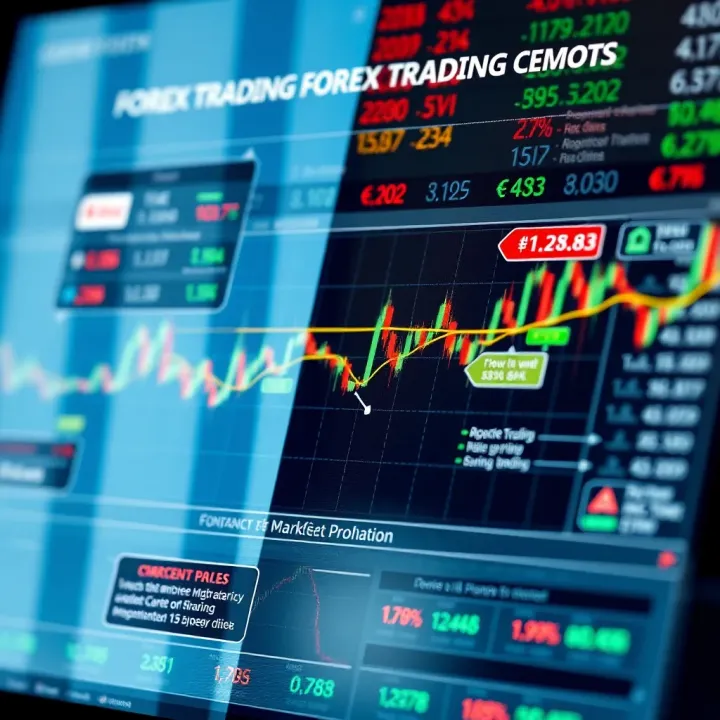
📈 Learn practical steps to start forex trading in Kenya. From opening accounts to choosing brokers and managing risks, gain confidence to trade smartly in KSh markets.
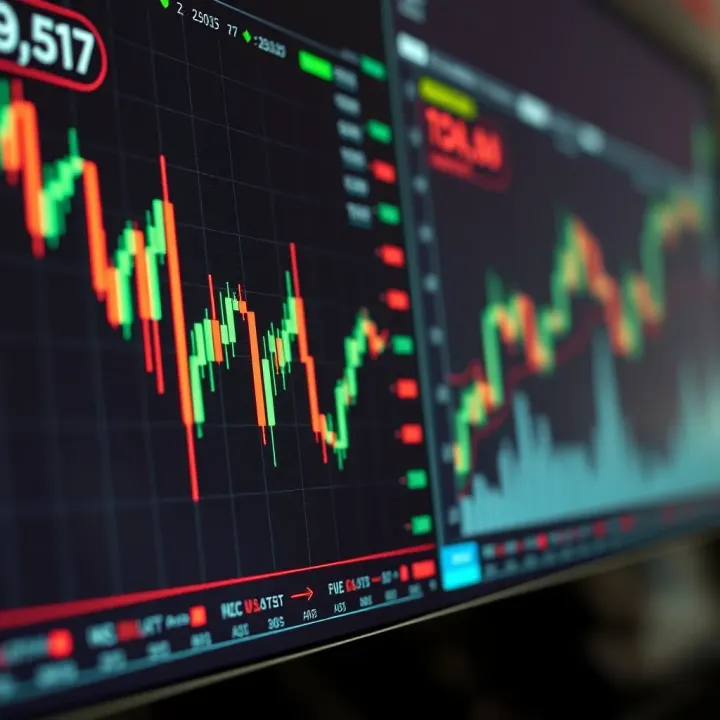
📈 Learn forex trading basics from a Kenyan view: currency pairs, market hours, participants, and risks. Get clear insights to start trading confidently today!
Based on 11 reviews