
Forex Trading Basics for Kenyan Traders
🇰🇪 Learn forex trading basics for Kenyan traders! Understand market structure, currency pairs, strategies, risk control & steps to start confidently 📈💰
Edited By
Charlotte Evans
Forex trading, short for foreign exchange trading, involves buying and selling currencies to profit from changes in exchange rates. In Kenya, this market presents unique opportunities and challenges, making it essential for traders to understand local factors before diving in.
Kenya’s forex market operates within the broader global currency market but is influenced by the Kenyan Shilling’s performance, local economic indicators, and regulatory environment. The Central Bank of Kenya (CBK) plays a key role in shaping currency stability, which affects forex volatility.

If you're trading from Kenya, understanding how to fund and withdraw money using local methods like M-Pesa is crucial. Many brokers now accept M-Pesa deposits, easing access to the forex market for Kenyan traders. However, it's vital to choose brokers regulated by recognised bodies such as the Capital Markets Authority (CMA) Kenya to avoid scams.
Trading forex in Kenya is not only about international market knowledge. You must also master local factors like currency flow, transaction costs via mobile money, and Kenya’s economic news.
Here are three aspects to consider before starting forex trading in Kenya:
Choose a trusted broker: Look for brokers with CMA regulation or memberships with global authorities like FCA or ASIC.
Understand the Kenyan Shilling’s role: Currency pairs involving the KSh (like USD/KES) can be sensitive to local events such as fuel price changes or political developments.
Practise with demo accounts: Many Kenyan traders start by practising on demo platforms to get used to market behaviour without risking real money.
By focusing on these areas first, you’ll build a solid foundation to trade forex more confidently and responsibly in Kenya’s economic context.
Forex trading, or foreign exchange trading, is becoming increasingly relevant in Kenya, especially as more individuals and businesses seek alternative income sources amidst a shifting economic landscape. Understanding its basics and practical implications helps Kenyan investors make informed decisions and tap into a global market that operates 24 hours daily.
Forex trading involves buying and selling currencies in pairs, such as the US dollar against the Kenyan shilling (USD/KES). The goal is to profit from fluctuations in exchange rates. Each currency pair has a base currency and a quote currency — for instance, in USD/KES, the US dollar is the base, and the Kenyan shilling is the quote. Traders buy when they expect the base currency to strengthen against the quote currency and sell when they expect it to weaken.
The forex market is the largest financial market globally, with daily trading volumes exceeding $6 trillion. It operates through a network of banks, brokers, and financial institutions, rather than a central exchange. This decentralised structure means trading happens non-stop from Monday morning in Asia until Friday evening in New York, allowing Kenyan traders to engage at flexible times, suited to local schedules.
Compared to traditional investment options like bank savings, fixed deposits, or the Nairobi Securities Exchange (NSE), forex trading offers higher liquidity and potentially faster returns. Though it carries risks, active traders can leverage smaller capital to control larger positions, which is attractive for Kenyans looking to grow their savings beyond inflation.
Moreover, with platforms supporting M-Pesa deposits and withdrawals, accessing the forex market has become more practical for Kenyan traders, expanding participation beyond cities to smaller towns.
From an economic perspective, forex trading impacts Kenya by influencing demand for the Kenyan shilling. Increased forex activity can affect the exchange rate, which in turn influences import prices, inflation, and balance of payments. For example, heavy demand for the US dollar to import machinery may weaken KES, affecting local businesses and consumers. Understanding this link helps investors anticipate market movements and better manage their portfolios.
Forex trading is not just about personal gains; it interacts directly with Kenya’s broader economic health, making knowledge of both markets essential for investors.
By grasping forex fundamentals and its role in Kenya’s financial ecosystem, traders position themselves better to navigate opportunities and challenges unique to the local and global context.
Beginning forex trading in Kenya involves a clear understanding of the local market setup and practical steps that ensure a smooth start. This section guides you through key stages like choosing a trusted broker, opening an account, and managing deposits with familiar tools such as M-Pesa. Mastering these fundamentals helps you avoid pitfalls and set up a strong foundation for your trading journey.
Selecting a broker licensed to operate in Kenya is essential for protecting your investments. The Capital Markets Authority (CMA) regulates all brokers offering forex services locally. A licensed broker meets strict standards for transparency, security, and customer support. Trading with unregulated firms carries significant risks including potential fraud or difficulties withdrawing funds.
When vetting brokers, check if the CMA licence is current and review customer feedback. Also, confirm their trading platforms' compatibility with your devices and the availability of local payment options. Brokers licensed locally usually offer better support tailored to Kenyan traders’ needs.
Popular brokers accessible to Kenyan traders include global names like Exness, HotForex, and XM. These brokers have established local connections and often support M-Pesa for deposits and withdrawals, making funding your account straightforward. Besides, they offer competitive spreads and leverage options suited for varying experience levels.
M-Pesa remains the most convenient payment method for Kenyan traders due to its ubiquity and reliability. Most brokers with local presence allow account funding through M-Pesa, enabling quick deposits and withdrawals without complex bank processes. This ease of payment keeps your trading flexible and efficient.
Understanding account types and leverage is another crucial step. Brokers typically offer different account tiers, each with specific minimum deposits, spreads, and leverage levels. Leverage lets you control a larger market position with a smaller deposit, but it can amplify both profits and losses. For instance, a leverage of 1:100 means KS,000 controls KS00,000 in the market. Kenyan traders should start conservatively, using leverage they fully understand to avoid hefty losses.
Opening the right trading account, with manageable leverage and convenient deposit methods like M-Pesa, sets you up for a more controlled and successful trading experience.
By carefully selecting a licensed broker and managing your account setup, you prepare well for the forex market demands in Kenya. These practical steps limit risks and improve your chances for steady growth on your forex trading journey.
Forex trading is complex, but mastering effective strategies can significantly improve your chances of success. For Kenyan traders, understanding these strategies helps navigate both global market fluctuations and local financial conditions. Good strategies minimise losses, optimise profits, and build disciplined trading habits. Instead of guessing, traders use analysis techniques and risk controls to make informed decisions that suit their investment goals.
Reading charts and indicators is fundamental in forex trading. Charts provide a visual history of price movements for currency pairs, allowing traders to spot trends and reversals. For instance, spotting a consistent upward trend in USD/KES may signal a buying opportunity. Indicators like moving averages smooth out price data to reveal the trend direction, while RSI (Relative Strength Index) helps detect overbought or oversold conditions. Reading these tools correctly allows Kenyan traders to anticipate potential price shifts rather than react late.
Among common tools used in forex analysis, candlestick charts are particularly useful for identifying patterns such as 'doji' or 'hammer', which hint at market indecision or a possible trend reversal. Other popular tools include Bollinger Bands, useful for measuring volatility, and Fibonacci retracement levels which help locate possible support or resistance points. By using these tools, a trader in Nairobi can better time entries and exits, avoiding common traps in the volatile forex market.
Monitoring economic indicators relevant to forex is crucial, as these indicators influence currency strength. In Kenya, watching the Central Bank’s decisions on interest rates, inflation reports, and GDP growth figures is vital. For example, if the Central Bank of Kenya hikes interest rates, the Kenyan shilling may strengthen against other currencies. Also, international indicators like US non-farm payrolls or European CPI data have ripple effects on forex pairs involving KES.
How global events influence currency values cannot be overlooked. Political tensions, trade agreements, or natural disasters can cause sudden swings. For example, a trade dispute between major economies like the US and China may affect commodity prices, impacting the Kenyan economy and its currency. Understanding these dynamics equips Kenyan traders to anticipate volatility triggered by international news instead of being caught off guard.
Setting stop-loss and take-profit limits protects your capital from unnecessary losses and locks in gains. A stop-loss automatically closes a trade if the currency moves adversely by your set amount, preventing bigger damage. Meanwhile, a take-profit closes the trade once a favourable price target hits, securing profits before possible reversals. For Kenyan traders with smaller accounts, these limits are essential to control risk and maintain steady growth.
Managing exposure to volatile currency pairs means avoiding putting all your funds into one risky pair. For instance, while USD/KES is volatile, popular majors like EUR/USD or GBP/USD might be less so and offer diversification. Spreading your investments reduces the impact of sudden moves in one pair on your overall portfolio. It’s wise to size positions according to your risk appetite and not chase high-leverage trades that can wipe out your capital fast.
Successful forex trading is less about luck and more about discipline, analysis, and managing risks. Kenyan traders should blend technical and fundamental insights with careful risk controls to navigate this dynamic market confidently.
Forex trading in Kenya offers exciting opportunities but comes with its share of risks. Understanding these challenges helps you prepare better and protect your investments. This section focuses on what to watch out for and how to handle common hurdles Kenyan traders face.
Unpredictable price movements are part and parcel of forex markets worldwide, and Kenya is no exception. Currency values can swing sharply within minutes due to news, economic data, or geopolitical events. For example, if the Central Bank of Kenya announces an interest rate change, the Kenyan Shilling might react quickly against the US dollar or Euro. Such fluctuations can mean big profits or losses in short intervals.
Navigating these swift changes requires disciplined strategies. One practical way is using stop-loss orders to limit potential downside. Without this, a sudden price drop during volatile sessions—especially around international market openings—can wipe out gains or even your initial capital.
Alongside the technical aspects, managing your emotions during sudden market shifts is critical. Rapid changes often trigger fear or greed, causing impulsive decisions like panic selling or overtrading. Kenyan traders should stay calm, focusing on their pre-planned trading strategy rather than reacting to every price tick.
It helps to practise keeping a clear mind and consider forex trading as a business, not a gamble. Investing some time in journalising your trades can reveal emotional patterns that need addressing, helping you make better choices when volatility hits.
Red flags for scams are unfortunately common in the forex scene globally, and Kenyan traders must be alert. Beware brokers promising guaranteed profits or extremely high returns with little risk—such claims are usually too good to be true. If a broker pressures you to deposit large sums upfront or discourages withdrawals, treat it as a warning.
Also, lack of transparency on fees, no verifiable contact details, or unregistered business names could signal fraud. Some dodgy firms even copy websites of reputable brokers to hoodwink clients.
To verify a broker's credibility in Kenya, always check if they hold a licence from the Capital Markets Authority (CMA). This regulator oversees forex activities and can confirm authorised operators. Additionally, look for reviews from experienced Kenyan traders and inquire within local forex communities.
Choosing brokers who offer transparent terms, clear communication channels, and support for popular local payment methods like M-Pesa adds another layer of safety. Remember, a legitimate broker will never rush you or ask you to trade in secret.
Staying alert to market risks and broker authenticity is your first defence against losing money unnecessarily. Knowledge and caution go a long way in sustaining success in forex trading.
Navigating the forex market demands more than just knowledge; it requires the right tools and resources tailored to the Kenyan trading environment. Leveraging the appropriate platforms, software, and information sources can sharpen your decision-making, reduce risks, and improve trading outcomes.
Kenyan forex traders primarily use globally recognised platforms such as MetaTrader 4 (MT4) and MetaTrader 5 (MT5). These platforms are favoured for their user-friendly interfaces and rich charting tools that help with technical analysis. For instance, MT4 offers automated trading through Expert Advisors (EAs), allowing traders to execute predefined strategies even when offline. Brokers operating in Kenya typically provide access to these platforms, making them a practical choice for both beginners and seasoned traders.
Other platforms like cTrader and TradingView have also gained traction among Kenyan traders. cTrader is known for its advanced order management and depth-of-market features, while TradingView offers excellent charting capabilities and an active community discussion board. Choosing the right platform depends on your trading style, preferred features, and broker availability.
When it comes to mobile apps, compatibility with Kenyan devices is key. Popular trading platforms have dedicated Android and iOS applications optimised to work well even with modest internet connections—important given varying network coverage across Kenya. For example, the MT4 and MT5 apps allow real-time notifications, market watchlists, and one-touch trading, which helps busy traders staying on top of movements while on the go. Safaricom’s widespread network coverage typically supports such applications, making mobile forex trading viable from Nairobi to Mombasa and beyond.
Joining local forex forums and communities can provide invaluable peer support, market insights, and shared experiences relevant to the Kenyan context. Platforms such as Forex Kenya community groups on Facebook and Telegram channels allow traders to discuss strategies, broker reviews, and regulatory updates. These spaces often highlight peculiarities like managing forex trades during Kenya’s short and long rains seasons or navigating local banking systems for deposits and withdrawals.
For market news and analysis, reliable sources matter greatly. Kenyan traders can rely on international sites like Bloomberg and Reuters for global economic updates, but also on local financial news outlets such as Business Daily and The Standard for insights specific to Kenya’s macroeconomic trends. Additionally, brokers often provide daily market analysis reports and webinars that contextualise global events for Kenyan traders. Keeping up with central bank announcements from the Central Bank of Kenya and updates from the Kenya Revenue Authority (KRA) can further enhance your trading strategy.
Combining the right technology with informed community engagement and up-to-date market knowledge empowers Kenyan forex traders to make smarter, more confident decisions in a fast-moving marketplace.
🇰🇪 Learn forex trading basics for Kenyan traders! Understand market structure, currency pairs, strategies, risk control & steps to start confidently 📈💰
📈 Learn how to trade forex confidently in Kenya with this detailed guide. Understand currency pairs, spot reliable brokers, manage risks, and boost your KSh gains safely.
📉 Is forex trading in Kenya real? Learn how it works, the risks to expect, and key tips to trade safely. Stay informed before investing your KSh💸
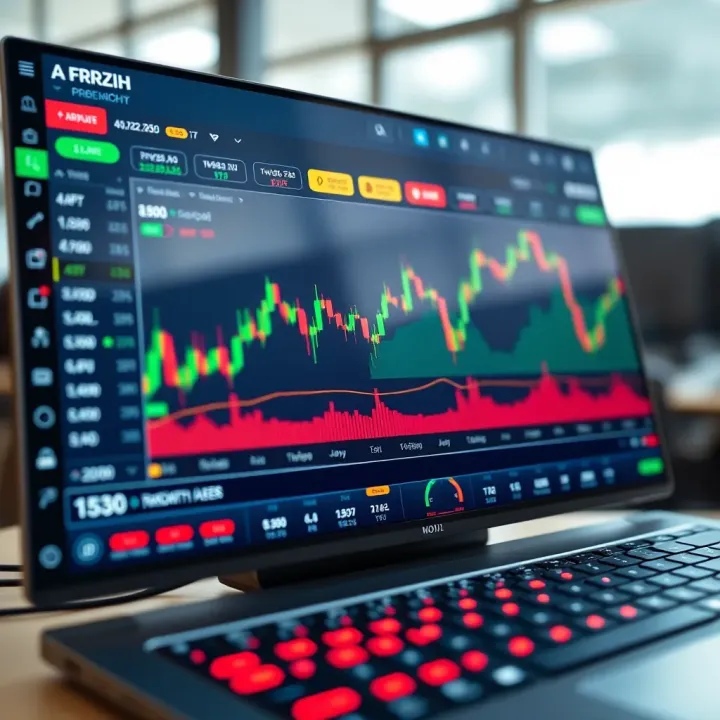
📈 Master forex trading with strategies tailored for Kenyan traders. Learn market analysis, risk management, and popular tools to trade safely and profitably. 💹
Based on 7 reviews