
Online Forex Trading Guide for Kenyan Investors
Learn the essentials of online forex trading in Kenya 🇰🇪. Discover how to start safely, understand market factors, navigate risks, and pick trusted platforms for smart investments 💹.
Edited By
Sophie Mitchell
Forex trading involves buying and selling currencies on the foreign exchange market. For Kenyan investors, understanding how this market operates locally and globally is key to making smart investment choices. Unlike the Nairobi Securities Exchange (NSE), forex operates 24 hours a day during weekdays, opening opportunities to trade even outside Kenyan trading hours.
The forex market mainly trades currency pairs, such as USD/KES (US Dollar/Kenyan Shilling). When you buy a pair, you're purchasing the first currency while selling the second. The goal is to buy low and sell high to make a profit. For example, if you believe the US Dollar will strengthen against the Shilling, you can buy USD/KES. If the dollar rises from KSh 110 to KSh 112, selling your position earns you a gain.
Kenya’s forex market is accessible through online platforms provided by brokers regulated locally by the CMA (Capital Markets Authority) or internationally. Popular brokers supporting Kenyan traders often accept M-Pesa and bank transfers for deposits and withdrawals, making movement of funds convenient and secure.
Trading forex requires discipline and an understanding of risks. Leveraging (borrowing to trade bigger amounts) can increase both profits and losses.
To start trading, Kenyan investors should:
Choose a reputable broker accepting Kenya-specific payments.
Open and verify a trading account on a reliable platform.
Use demo accounts to practise without risking real money.
Learn key strategies like technical analysis or fundamental analysis.
Risks include currency volatility affected by global events, local economic changes, and leverage exposure. To minimise losses, use stop-loss orders and avoid investing money you cannot afford to lose.
Forex trading for Kenyans means constantly following world economic news, monitoring CBK (Central Bank of Kenya) policies, and understanding how external factors influence the Shilling. Approached wisely, it offers an additional way to diversify portfolios beyond traditional equities or real estate.
This guide will break down essential trading techniques, risks, and specifics relevant to Kenya’s financial environment, helping you navigate forex trading with more confidence and practical knowledge.
Grasping how forex trading works and the environment it operates in is the backbone to becoming a confident investor. Since forex involves buying and selling currencies, understanding the market gives you an edge over just guessing trends. For example, knowing when the US dollar strengthens against the Kenyan shilling, and why, can help you decide the best time to trade or hedge.
Forex trading means exchanging one currency for another on the foreign exchange market. This market is the largest financial market globally, with a daily turnover exceeding $6 trillion. In Kenya, forex trading provides an opportunity to earn from currency value fluctuations, especially against global economic events or monetary policies.
Forex trades usually focus on major currency pairs involving the most liquid and widely used currencies. The most common include EUR/USD (Euro and US dollar), USD/JPY (US dollar and Japanese yen), and GBP/USD (British pound and US dollar). For Kenyan traders, pairs involving the US dollar or Euro are crucial due to Kenya's import-export links and foreign exchange reserves. Trading these pairs typically offers tighter spreads and higher liquidity.
Market makers, usually large banks or financial institutions, facilitate buying and selling by providing continuous bid and ask prices. They ensure traders can enter or exit positions quickly without big price swings due to lack of buyers. High liquidity means you can trade large volumes with minimal price impact, which suits both small-scale traders in Nairobi and bigger investors in Mombasa.
Forex operates 24 hours, five days a week, following the sun across major financial hubs. Key centres include London, New York, Tokyo, and Sydney. Kenyan traders benefit by aligning their activities with overlapping market hours, such as London and New York sessions, which usually see increased volatility and trading opportunities.
A pip is the smallest price move a currency pair can make, usually the fourth decimal place (0.0001). For example, if EUR/USD moves from 1.1000 to 1.1005, that is a five-pip movement. Lots define trade size: a standard lot equals 100,000 units of the base currency, but smaller lots (mini, micro) let Kenyan traders start with manageable amounts.
Leverage allows trading with more money than you have by borrowing from the broker, but it amplifies both profits and losses. For instance, a 1:100 leverage means with KS0,000, you can control KS,000,000 in the market. Margin is the portion of your funds you need to cover the leveraged position. Using leverage carefully is vital to avoid quick losses.
This is the difference between the price to buy (ask) and sell (bid) a currency pair. A narrow spread means lower trading costs. For example, if EUR/USD has a bid of 1.1000 and ask of 1.1002, the spread is 0.0002 or 2 pips. When choosing brokers or trading pairs, consider the spread since it directly impacts your profitability.
Understanding these market basics equips Kenyan investors to trade with awareness, reducing guesswork and improving decision-making.
In forex trading, knowing the right strategies and approaches can make all the difference between profit and loss. Kenyan investors should focus on methods that match their time availability, risk appetite, and market understanding. Whether you prefer quick trades or holding positions longer, a solid strategy helps control emotions and improves decision-making.
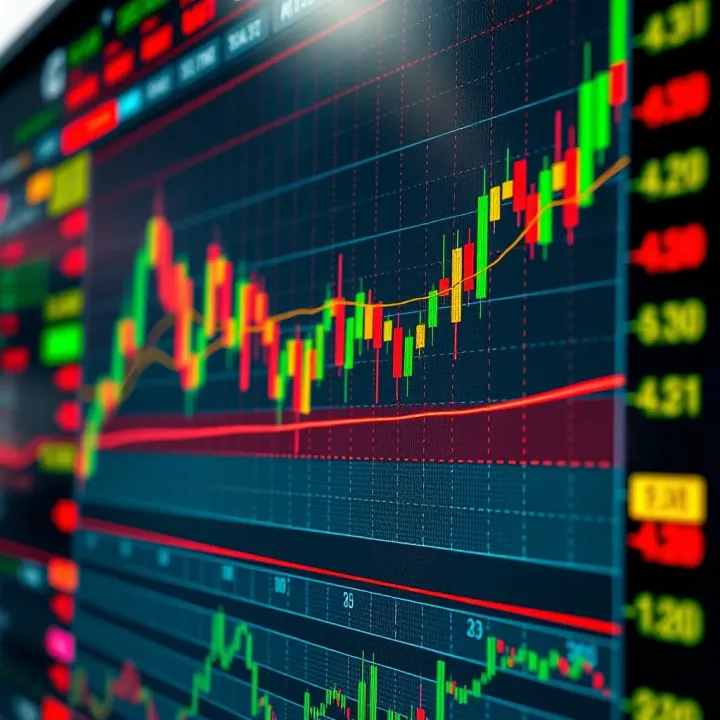
Using charts and indicators plays a fundamental role in forex trading. Charts show price movement over time, helping traders spot patterns that hint at future shifts. Indicators like moving averages or the Relative Strength Index (RSI) provide extra clues about asset strength or possible reversals. Imagine checking MetaTrader 4 charts for EUR/USD to see if it’s trending up or down—the visual data directs your entry and exit.
Support and resistance levels are another technical tool. Support marks a price point where demand tends to stop prices falling, while resistance is where selling pressure caps prices from rising. For example, if the dollar-to-shilling rate falls near a support level like KSh 110 and bounces back, traders may buy expecting a rise. Conversely, hitting resistance around KSh 115 might signal a good time to sell.
Economic data impacts forex markets heavily. Reports on GDP growth, inflation rates, or employment figures influence how traders value currencies. Consider Kenya's inflation report: higher inflation may weaken the shilling, pushing traders to sell KES and buy stronger currencies. Following such releases helps traders anticipate currency moves driven by real-world events.
Central bank decisions shape currency strength directly. The Central Bank of Kenya’s interest rate changes alter borrowing costs and investment flows. If the bank raises rates, holding the shilling might become more attractive, causing it to appreciate. Traders keep close watch on such announcements because they often trigger sharp market moves that traders can benefit from or need to manage carefully.
Day trading and scalping suit those who prefer fast action. Day traders open and close positions within a single session, avoiding overnight risks. Scalpers take this further by making multiple tiny trades within minutes to earn small, frequent profits. This approach calls for quick decisions and constant focus, ideal for those who can dedicate hours to watch price moves live.
Swing trading involves holding trades for several days to weeks, catching medium-term price shifts. Swings capitalise on trends or reversals without the need to monitor markets constantly. For instance, a Kenyan trader might spot a rising trend in GBP/USD and hold their position for a few days to benefit from that momentum before exiting for profit.
Whether you are a busy professional or a full-time trader, understanding and applying the right forex strategies improves your chances of success. Combine technical insights with fundamental news to build a balanced approach suited to Kenya’s market conditions.
Understanding the risks involved in forex trading is key to protecting your investments and achieving long-term success. In Kenya's fast-moving forex scene, being aware of potential pitfalls can help you make smarter choices when dealing with volatility, leverage, and brokers. Proper risk assessment also enables you to apply strategies that limit losses and maximise gains.
The forex market is known for its ups and downs, sometimes moving sharply within minutes due to global events, economic reports, or political developments. For instance, a sudden central bank announcement from the US Federal Reserve or European Central Bank can send currency pairs like the USD/KES or EUR/USD swinging unexpectedly. This volatility offers chances to profit but also increases the risk of sharp losses if trades move against you.
Kenyan traders must stay alert to global news and be ready to adjust their positions quickly. Ignoring market volatility is like driving on a busy Nairobi road without brakes — risky, to say the least.
Leverage lets traders control larger positions with a smaller amount of capital. While this can boost profits, it also amplifies losses. For example, using 100:1 leverage means a 1% move against your position wipes out your entire invested amount. This is why many Kenyan brokers have set limits on maximum leverage to protect traders.
Improper use of leverage can lead to blowing your account quickly, especially if you don’t have a solid risk management plan. Understanding how much leverage to apply depending on your experience and capital is crucial.
Choosing the wrong forex broker exposes traders to problems like unfair spreads, delayed withdrawals, or even fraud. Some unregulated platforms promise big returns but disappear with clients' funds. In Kenya, the Capital Markets Authority (CMA) regulates forex brokers to ensure minimum standards.
Always verify if the broker is registered with the CMA and check customer reviews. Trustworthy brokers also provide transparent fee structures and secure client fund segregation.
A stop-loss order automatically closes your position when the price reaches a level that limits your loss. This tool is essential to prevent emotional decisions during sudden market swings. For example, if you buy USD/KES at 110 and set a stop-loss at 108, your trade will exit if the price drops there, capping your loss.
In practise, stop-loss orders help Kenyan traders avoid wiping out their account just because the market turned unexpectedly.
Avoid using maximum leverage just because it's available. Aim to use only a fraction, depending on your risk tolerance. If you have KSh 100,000 in your account, rather than controlling KSh 10 million with 100:1 leverage, consider using lower leverage to reduce exposure.
This approach allows you to stay in trades longer and reduces stress over market volatility.
Rather than putting all your money on one currency pair, spread your trades across different pairs or even asset classes like commodities or indices if your broker allows. For instance, combining USD/KES with GBP/USD or gold can balance risks because these do not always move together.
Diversification lowers the chance of losing everything from a single adverse move, which is especially important in Kenya where economic conditions can affect local currencies unpredictably.
Managing risks is not about avoiding loss entirely but controlling it so you can trade another day. Wise risk evaluation and using practical tools like stop-loss orders, reasonable leverage, and diversification will keep your forex journey sustainable and less stressful.
Starting forex trading in Kenya requires more than just understanding market mechanics; practical steps ensure your success and security. This section breaks down the key actions you need—from picking the right broker to managing your money through reliable local payment methods. Taking these steps helps you avoid common pitfalls and trade with confidence.
Broker regulation and licensing are vital for safeguarding your funds. In Kenya, brokers authorised by the Capital Markets Authority (CMA) adhere to strict rules, including transparent operations and safeguards against fraud. Before signing up, always check the broker’s license to confirm their legitimacy. It’s not just a formality—regulated brokers offer better protection and recourse if issues arise.
When it comes to local versus international brokers, each has pros and cons. Local brokers often provide easier communication and familiar payment options like M-Pesa, which speeds up deposits and withdrawals. However, some international brokers offer access to a wider range of currency pairs and advanced trading tools. For instance, a trader in Nairobi might find an international platform like IG Markets useful for diverse options but prefers a local broker for simpler, faster fund transfers.
Forex brokers usually offer various account types to fit different traders. For example, beginner accounts may have lower minimum deposits and simple features, suitable for someone just starting out with KSh 5,000. On the other hand, professional accounts might offer higher leverage and tighter spreads but require more capital. Choosing the right account depends on your budget and trading style.
Verification requirements protect both the trader and the broker. Expect to provide official documents such as a national ID, utility bill, or passport. This process confirms your identity and prevents fraud, which is especially important when withdrawing funds. Kenyan brokers typically ask for these documents during account opening and sometimes before your first withdrawal.
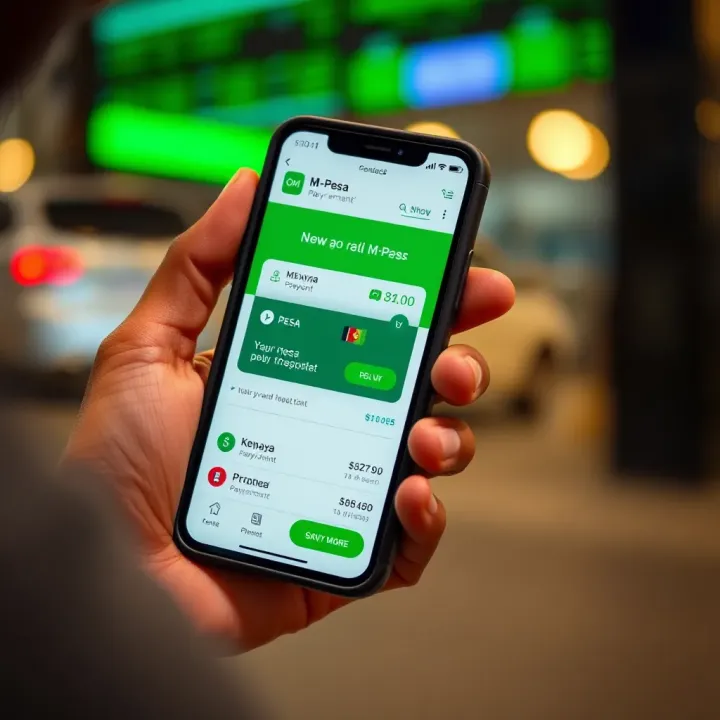
In Kenya, using M-Pesa and bank transfers is the most popular and convenient way to fund your forex account. M-Pesa’s widespread availability means you can quickly send money to your trading account without leaving home. Many brokers integrate M-Pesa payment options alongside bank transfers, providing flexibility. For example, a trader in Kisumu might deposit via M-Pesa in the morning and start trading within minutes.
Understanding fees and processing times is crucial to avoid surprises. While M-Pesa deposits are usually instant and cost minimal charges, bank transfers can sometimes take a day or two to clear and may attract additional bank fees. Also, some brokers impose withdrawal fees or minimum withdrawal amounts, so always read the terms carefully before funding your account.
Choosing a regulated broker, selecting the right account, and using familiar funding methods like M-Pesa make forex trading safer and more accessible for Kenyan investors. These practical steps build the foundation for a smooth trading experience.
This setup not only safeguards your money but also helps you focus on trading decisions rather than administrative hassles or potential scams.
Access to the right tools and resources can make all the difference for Kenyan forex traders. Trading platforms provide the environment where all the action happens — they allow you to analyse markets, place orders, and track performance. Meanwhile, learning resources and local training opportunities help you deepen your understanding and sharpen your skills, reducing costly mistakes. Choosing tools that suit both your trading style and local context is key to progress.
MetaTrader 4 and 5 remain the most popular trading platforms globally and in Kenya. MetaTrader 4 (MT4) is well known for its user-friendly interface and powerful charting tools. It supports automated trading through expert advisors (EAs), which can execute trades based on predefined strategies. MetaTrader 5 (MT5) offers more features, such as additional timeframes, more order types, and a built-in economic calendar. For Kenyan traders, MT4 and MT5 come with support for M-Pesa payments through compliant brokers and allow access to major currency pairs like USD/KES.
Many brokers operating in Kenya provide their own proprietary platforms. These platforms often aim to simplify trading by offering customised interfaces tailored to local users. For example, some Kenyan brokers incorporate mobile-friendly designs suited to those trading on smartphones, given the prevalence of mobile internet access. Proprietary platforms can integrate payment methods common in Kenya, such as bank transfers and M-Pesa, making deposits and withdrawals more convenient. However, they might lack some advanced features found in MetaTrader platforms, so it’s wise to try demos before committing.
Several educational websites and online forums cater specifically to Kenyan forex traders. Websites like BabyPips and local forums on platforms such as Kenya Forex Traders’ Facebook groups provide free tutorials, discussions, and strategy sharing. These channels offer practical insights, especially on how global events affect the Kenyan shilling and trading opportunities. Engaging with fellow traders can expose you to real-life tips and market behaviour unique to the Kenyan trading environment.
Local training sessions and seminars offer hands-on learning tailored to Kenya’s forex market. Organisations, including forex brokers and financial training centres in Nairobi and Mombasa, regularly hold workshops that cover topics from basic trading mechanics to risk management practices. Attending these events allows for face-to-face interaction with experienced traders and instructors and often includes practical trading exercises. This is particularly helpful if you prefer learning through direct dialogue rather than only online resources.
Having the right tools and knowledge is fundamental, not just for starting, but for making steadily informed decisions in Kenya’s forex scene.
Familiarising yourself with both international and local platforms, complemented by reliable educational resources, will arm you well against the challenges forex trading presents.
Forex trading in Kenya operates within a defined legal and regulatory framework meant to protect investors and maintain market integrity. Understanding these aspects helps Kenyan traders navigate the market with confidence, ensuring they use registered brokers and comply with local laws. This section focuses on key regulatory details and legal considerations affecting forex investors.
The Capital Markets Authority (CMA) is the main regulator overseeing forex brokers and trading firms offering services in Kenya. Brokers must be registered and licensed by CMA to legally provide forex trading platforms to Kenyans. This requirement helps weed out unregulated entities that may carry higher risks, such as unreliable execution or poor fund protection.
For example, a broker operating without CMA approval is considered illegal. Trading with such a broker can expose you to losing your funds without recourse. Therefore, confirming CMA registration is a straightforward way to reduce risk and ensure the broker follows set market conduct standards.
Investor protection measures by CMA include requirements for brokers to segregate client funds from their operational funds. This means your money should remain separate and accessible even if the broker encounters financial difficulties. Also, CMA mandates periodic reporting and compliance to monitor brokers’ solvency and fair client treatment.
These safeguards help Kenyan forex traders feel secure about their investments and reduce chances of falling victim to malpractice or sudden closure of trading companies. As a trader, you benefit from this oversight by knowing the market is somewhat policed and brokers cannot operate unchecked.
When it comes to taxation, forex profits made by Kenyan investors are subject to income tax under the Kenya Revenue Authority (KRA) guidelines. This means any gains from forex trading must be declared as part of your annual income, and you should set aside an appropriate portion to cover tax liabilities. Failure to report forex earnings could result in penalties.
Since forex trading is relatively accessible online, many new traders may overlook these tax obligations. It's wise to maintain clear records of trades, profits, and losses to ensure transparency during tax filing. Consulting a tax expert familiar with forex trading can also save you from surprises.
Another important point is the prevalence of scams in the forex space. Unlicensed brokers and fraudsters often promise unrealistic profits or use aggressive marketing to lure Kenyan traders. Recognising and avoiding such schemes saves your money and time.
To avoid fraud, always verify the broker’s CMA licence and read community reviews from trusted Kenyan forex forums. Beware of platforms that pressure you to deposit quickly or request access to your mobile money accounts beyond normal payment processes. Legitimate brokers generally offer transparent terms and permit small trial deposits.
Remember: Legal and licensed brokers subject themselves to oversight that helps prevent abuse. Trading with CMA-registered firms and understanding your legal obligations ensures your forex trading is both safe and compliant in Kenya.
By following these guidelines, Kenyan traders can protect themselves as they engage actively in forex markets, making informed decisions based on regulation and sound legal knowledge.
Learn the essentials of online forex trading in Kenya 🇰🇪. Discover how to start safely, understand market factors, navigate risks, and pick trusted platforms for smart investments 💹.
Explore forex trading in Kenya 🇰🇪 with local platforms, KRA regulations, practical tips, and unique challenges. Learn how to trade smartly and grow your income.

📚 Discover top forex trading books for Kenyan investors! Learn market basics, strategies, risk control, and psychology to boost your trading skills effectively.
📘 Get a practical PDF guide to forex trading for Kenyan traders. Understand markets, key terms, strategies, risk management & local tips for success.
Based on 6 reviews