
Forex Trading in Kenya: A Beginner's Guide
📈 Thinking of starting forex trading in Kenya? Learn how it works, essential tools, risks, and tips to trade safely while managing your KSh effectively. 💹
Edited By
Benjamin Clarke
Forex trading has steadily grown in popularity in Kenya, especially among young professionals and investors looking for alternative income streams. Yet, many beginners find the whole world of forex confusing, full of jargon and risks. This guide offers straightforward, practical advice to help you start trading the foreign exchange market with confidence.
The forex market is where currencies are bought and sold globally. For Kenyan traders, this means exchanging Kenyan shillings (KSh) for currencies like the US dollar (USD), euro (EUR), or British pound (GBP) and profiting from price changes. Unlike the stock market, forex trades run round the clock on weekdays, allowing flexibility for traders with different schedules.
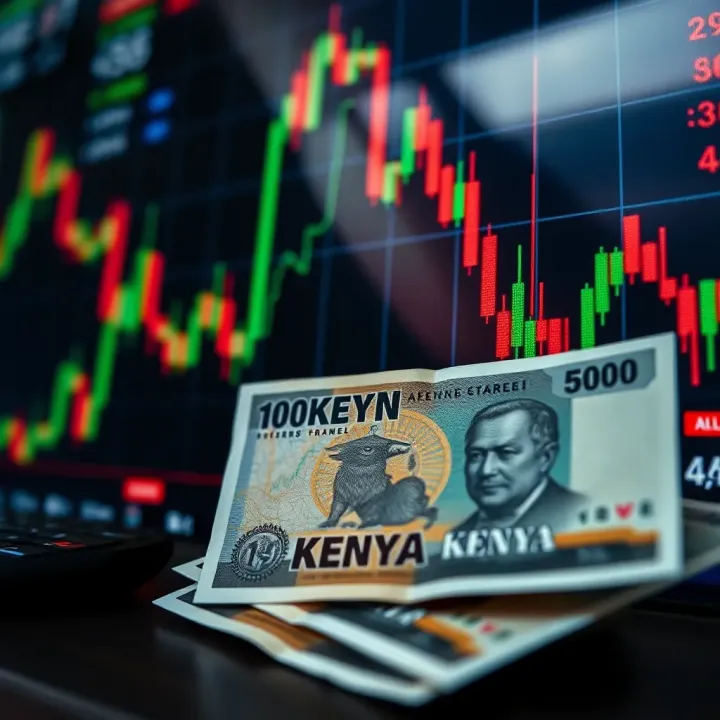
Getting started in forex trading in Kenya requires understanding both global market dynamics and local regulations to protect your investments.
Accessibility: With an internet connection and devices like smartphones or laptops, nearly anyone can join the market.
Low Starting Capital: Some brokers allow you to open accounts with as little as KS0,000.
Leverage: This enables you to control larger positions with smaller amounts, though it greatly increases risk.
Choose a Licensed Broker: Always trade with brokers regulated by the Capital Markets Authority (CMA) in Kenya or reputable international bodies. This reduces chances of fraud.
Understand the Risks: Forex trading involves high volatility. For example, sudden political events or economic reports can cause sharp currency swings.
Educate Yourself Thoroughly: Familiarise yourself with forex terms like ‘pip’, ‘spread’, and ‘margin’. Several Kenyan platforms offer free PDF guides and webinars tailored to local traders.
Open a demo account to practise without risking real money.
Learn to use trading platforms such as MetaTrader 4 or web-based tools provided by your broker.
Start with small trades, gradually increasing as you gain experience.
To make informed decisions, keep an eye on factors affecting currencies such as Kenya’s export commodities, interest rate changes by the Central Bank of Kenya (CBK), and global economic trends.
This guide will walk you through the main strategies, risk management tactics, and resources specific to the Kenyan market, so you trade smarter from day one.
Forex trading involves exchanging one currency for another with the aim of making a profit from fluctuations in exchange rates. For Kenyan traders, this means buying or selling currencies like the US dollar or euro against the Kenyan shilling (KES) with the hope that rates move favourably. Practically, forex trading is about speculating on whether a currency will strengthen or weaken relative to another.
The forex market operates 24 hours a day across different global financial centres, making it highly liquid and accessible anytime. Major cities like London, New York, Tokyo, and Sydney contribute to continuous trading. Kenyan traders tap into this continuous market mainly using online platforms, allowing them to trade outside traditional market hours. The market’s global nature means prices can react quickly to international events, which affects currency values worldwide.
For Kenyan traders, popular currency pairs often involve the US dollar (USD) and other major currencies such as the euro (EUR) or British pound (GBP). Since the Kenyan shilling is not widely traded on global platforms, most trades happen through USD/KES or EUR/USD pairs. Understanding these pairs is essential because economic developments in the US or Eurozone often influence local currency trends.
Accessibility has played a big part in drawing beginners to forex trading in Kenya. With affordable smartphones and reliable internet, many can trade through mobile apps or web platforms without needing bulky equipment or specialised knowledge. Platforms like MetaTrader and local brokers offer straightforward interfaces. Plus, payment integration with services like M-Pesa makes funding accounts and withdrawing profits convenient and quick.
The volatile nature of forex markets creates opportunities for profit even with small initial investments. While this comes with risks, the chance to earn from currency swings appeals to many, especially those looking to supplement income outside typical wage jobs. For example, a trader may buy USD when it’s low against KES, then sell once it gains value, making a profit from the difference.
On top of that, there is growing awareness about investment alternatives in Kenya beyond traditional savings or fixed deposits. Financial literacy campaigns, social media, and peer discussions have opened many eyes to forex as a viable option. This rising interest means more people want practical guidance on navigating the market confidently, which reinforces the need for clear, accessible information.
Understanding how forex trading works and why it appeals to Kenyan beginners sets the foundation for making informed decisions and managing risks well in this fast-moving market.
Starting forex trading may seem straightforward at first but taking the right initial steps is what separates success from failure. For Kenyan traders, understanding the local regulatory environment, selecting a trustworthy broker, and setting up a proper trading account are not just formalities but practical necessities. These steps help secure your funds, ensure smooth trading, and keep you legally compliant.
Kenya's Capital Markets Authority (CMA) regulates forex brokers to protect traders from scams and malpractice. Picking a CMA-licensed broker gives you confidence that your broker adheres to Kenyan law and industry standards. It’s important because unregulated brokers often disappear with clients’ money or provide unfair terms. For example, a broker registered with CMA must maintain client fund segregation and provide transparent pricing.
When selecting a broker, look beyond just regulation. Compare fees such as spreads, commissions, and withdrawal costs, as these affect your bottom line. A broker with high spreads can eat into your profits quickly. Platforms matter too — a user-friendly and reliable platform like MetaTrader 4 or 5 is preferable for Kenyan traders who might be using modest internet connections. Customer support is another key factor; brokers offering quick, helpful support via phone, email, or WhatsApp make troubleshooting smoother, especially given time zone differences.
Several well-known brokers have established a fair reputation in Kenya. For instance, FXPesa and Pepperstone operate with CMA licenses or formal partnerships, making them trustworthy choices. International brokers like HotForex and XM also attract Kenyan traders but ensure you check their local presence and support. Choosing a broker with good local experience saves you hassle around deposits, withdrawals, or tax documentation.

Most brokers offer multiple account types catering to beginners and advanced traders. For example, a Micro account allows you to start with a minimal deposit, sometimes as low as KSh 1,000. This option helps you practise without risking large sums. Standard or Premium accounts generally require higher deposits but offer better trading conditions like tighter spreads or access to advanced tools. Deciding on an account depends on your capital and risk tolerance.
Opening an account involves submitting identification documents to comply with Kenyan anti-money laundering rules. Typically, you’ll need a Kenyan ID or passport, proof of address like a utility bill, and sometimes proof of income. The verification process can take a few hours to a few days. Completing it promptly ensures you can fund your account and actually start trading without unnecessary delays.
A local payment option, such as M-Pesa, is a must-have convenience for Kenyan traders. Many brokers now accept M-Pesa deposits directly, making funding quick and accessible without hefty bank charges. Linking your trading account to your M-Pesa or bank account streamlines deposits and withdrawals, crucial for managing your funds efficiently. Confirm the broker supports your preferred payment method and check for any fees or limits to avoid surprises.
Choosing the right broker and setting up your trading account carefully lays the groundwork for productive and secure forex trading in Kenya. Skipping these details can cost you money, time, and peace of mind.
By following these practical steps, you greatly improve your chances of a smooth start into forex trading and build a foundation you can confidently grow with.
Starting forex trading without a clear strategy is like setting off on a long journey without a map. Basic trading strategies help beginners make sense of the complexities in the foreign exchange (forex) market, allowing them to make informed decisions rather than leaving their trades to chance. These strategies focus on understanding market movements and managing risk, which is especially important given the high volatility typical of forex markets. For example, a Kenyan trader might track the US dollar/Kenyan shilling pair closely due to its direct impact on import costs and remittances.
Forex trading hinges significantly on economic indicators — these are statistics or data releases that reveal the health of a country’s economy. Key indicators include inflation rates, employment figures, interest rate decisions, and GDP growth. Kenyan traders should watch figures like the US Non-Farm Payroll (NFP) report or the Central Bank of Kenya’s base rate announcements because such data can shift currency values sharply. For instance, if US jobs data is stronger than expected, the US dollar may strengthen against other currencies, including the Kenyan shilling.
Currency markets react swiftly to global happenings such as geopolitical tensions, trade negotiations, or unexpected economic shocks. For example, an announcement of new trade tariffs between China and the US often causes fluctuations in the Chinese yuan and the US dollar. Kenyan traders who keep an eye on such news can anticipate possible shifts and adjust their positions accordingly. This awareness is vital since global events often cascade, affecting not just major pairs but also emerging market currencies like the Kenyan shilling.
Charts are the bread and butter for many forex traders. They show currency price movements over time, making it easier to spot trends or reversals. Common patterns like head and shoulders, double tops, or triangles can signal where prices might head next. Imagine a trader noticing a "double bottom" pattern forming on the EUR/USD pair on a daily chart — this could hint the price is ready to move upwards, prompting a buying opportunity.
Tools such as moving averages, Relative Strength Index (RSI), and Bollinger Bands help traders make sense of noisy price data. For example, RSI measures if a currency is overbought or oversold, guiding traders on when to enter or exit a trade. Using these indicators alongside chart patterns adds layers to decision-making, better equipping traders to navigate the market’s ups and downs.
Effective risk management separates consistent traders from gamblers. A stop-loss order sets a maximum loss limit on a trade, automatically closing the position if the market moves against you. Meanwhile, a take-profit order locks in profits once the price hits a target level. For example, a Kenyan trader buying USD/KES at 110 might set a stop-loss at 108 to limit losses and a take-profit at 113 to secure gains. This prevents emotional decisions when the market swings.
Good risk management means planning where to get out before entering a trade. It protects your capital so you can keep trading longer.
Leverage amplifies both gains and losses. While brokers often advertise high leverage, beginners must be cautious. Managing trade size to fit your account balance ensures that even if a trade goes wrong, losses won’t wipe out your capital. For example, a beginner with KS0,000 might risk only KS,000 per trade. Using leverage of 1:10 instead of 1:100 can drastically reduce the chance of blowing the account quickly. Careful attention to these details preserves your trading journey and builds confidence.
By combining fundamental and technical analysis with solid risk management, beginners can set a strong foundation for profitable forex trading in Kenya’s fast-moving market.
Forex trading offers real opportunities but also carries risks that every trader in Kenya should understand. Knowing these challenges upfront helps you make smarter choices, avoid costly mistakes, and handle the market’s ups and downs with calm.
Price fluctuations and unpredictability: The forex market is known for its sharp swings. Currency values can change quickly due to economic news, global politics, or even sudden shifts in investor sentiment. For example, when the Kenyan shilling weakens after an unexpected trade deal announcement, prices can jump or drop within minutes. This makes profits possible but also means losses can happen fast. Traders need to constantly watch the market and adjust their strategies to avoid being caught off-guard.
Avoiding emotional trading: Many beginners fall into the trap of making decisions based on fear or greed. When the market moves against them, emotional traders might panic and close positions too early or, on the flip side, hold on too long hoping for a rebound that never comes. Keeping emotions in check, following set plans, and using stop-loss orders protect against this common pitfall. It’s like driving a car — you wouldn’t suddenly hit the accelerator or brakes without thinking, so don’t do it in trading either.
Overtrading and excessive leverage: Taking on too many trades or using high leverage can quickly drain your account. Leverage magnifies gains but equally magnifies losses. For instance, a trader using 100:1 leverage risks losing a significant portion of their deposit from a small market move. Overtrading happens when you try to recover losses by making multiple trades rapidly, often leading to bad decisions. Patience and strict risk limits help avoid these traps.
Scams and unlicensed brokers: Unfortunately, the rise in forex interest in Kenya has attracted unscrupulous operators. Unlicensed brokers promise huge returns but may disappear with your money. Always ensure your broker is regulated by the Capital Markets Authority (CMA). Verify credentials and check reviews before trusting your funds. Being cautious here protects you from losing hard-earned savings to fraud.
Understanding Kenyan regulations: Forex trading is legal but regulated under the CMA's rules. These rules aim to protect traders and ensure market transparency. For example, brokers must provide clear terms and prevent unfair practices. Familiarising yourself with these regulations gives confidence and helps you choose trustworthy brokers.
Reporting forex earnings for taxation: Profits from forex trading are subject to tax under Kenya Revenue Authority (KRA) guidelines. Traders must report any income or capital gains earned and pay the relevant taxes. Failure to do so can lead to penalties. Keeping proper records of your trades and consulting a tax expert make compliance easier, ensuring your trading journey stays smooth and within the law.
Staying aware of the risks and challenges in forex trading equips you to trade wisely and build steady growth. It’s not about avoiding risks but managing them well.
By understanding these practical aspects, you’re better placed to navigate forex trading in Kenya and avoid common traps many beginners face.
Having the right resources and tools is key to navigating forex trading effectively in Kenya. These aids help traders understand market dynamics, practise strategies without risking cash, and connect with like-minded peers to share insights. They also provide practical guidance tailored to the Kenyan context, such as local regulations and payment methods. Without such support, beginners often stumble on basic errors or chase unreliable advice.
PDF guides from established brokers or financial education platforms offer dependable starting points. For Kenyan traders, look for materials published by brokers regulated by the Capital Markets Authority (CMA) or international firms with strong reputations. These guides typically cover foundational topics like currency pairs, market hours, and trade execution. For example, brokers like FXPesa or HotForex often provide downloadable PDFs that address fundamentals alongside CMA compliance requirements. Such authenticity reduces the risk of following outdated or misleading tips.
Educational content should be clear, concise, and practical. It must explain key concepts in plain language, avoid jargon overload, and offer examples relevant to Kenyan traders—such as using KSh-USD or EUR-KES currency pairs. Updated content reflecting recent market changes also matters because forex rules and platforms evolve. Guides that include simple exercises, quizzes, or checklists help reinforce learning. Avoid PDFs that promise quick riches or rely heavily on unverified strategies; these are often red flags.
Demo accounts let you practise forex trading using virtual money, which is crucial for learning without financial risk. Kenyan traders benefit by experimenting with trade sizes, stop-loss settings, and indicators before committing real KSh. Trying strategies in real-time conditions builds confidence and exposes weaknesses that theory alone doesn’t reveal. It's like practising football drills before joining a league game.
Platforms like MetaTrader 4 (MT4), MetaTrader 5 (MT5), and TradingView are widespread among Kenyan traders. They provide user-friendly interfaces, charting tools, and seamless integration with local deposit methods like M-Pesa and bank transfers. FXPesa and IG Kenya also offer localised support and regulatory compliance, making them safer bets. Choosing a platform that fits your trading style and offers reliable execution is key to avoiding delays or losses.
Joining Kenyan forex groups on WhatsApp, Telegram, or Facebook creates opportunities to exchange real-world experiences and up-to-date market alerts. Traders there share tips on navigating local challenges—like fluctuating KSh liquidity or broker responsiveness. Active forums foster accountability and discourage scams by collectively verifying information. This support also lessens the isolation often felt by new traders.
Many brokers and independent trainers organise online webinars and physical workshops where Kenyan traders can ask questions and see live demonstrations. These sessions often cover beginner topics, risk management, or new platform features. Events by organisations like CMA or Safaricom’s digital finance hubs provide reliable insights tailored to local economic conditions. Attending such sessions keeps you current and sharpens your skills.
Using the right resources and tools avoids costly mistakes, builds skills steadily, and helps you trade with confidence in Kenya's forex market.
📈 Thinking of starting forex trading in Kenya? Learn how it works, essential tools, risks, and tips to trade safely while managing your KSh effectively. 💹
📈 Learn forex trading basics in Kenya! Understand key players, essential tools, trading types, and strategies to trade confidently and manage risks.
Explore forex trading in Kenya with this beginner’s guide 📈 Learn how to start, manage risks, use M-Pesa for payments, and build strong trading skills confidently.
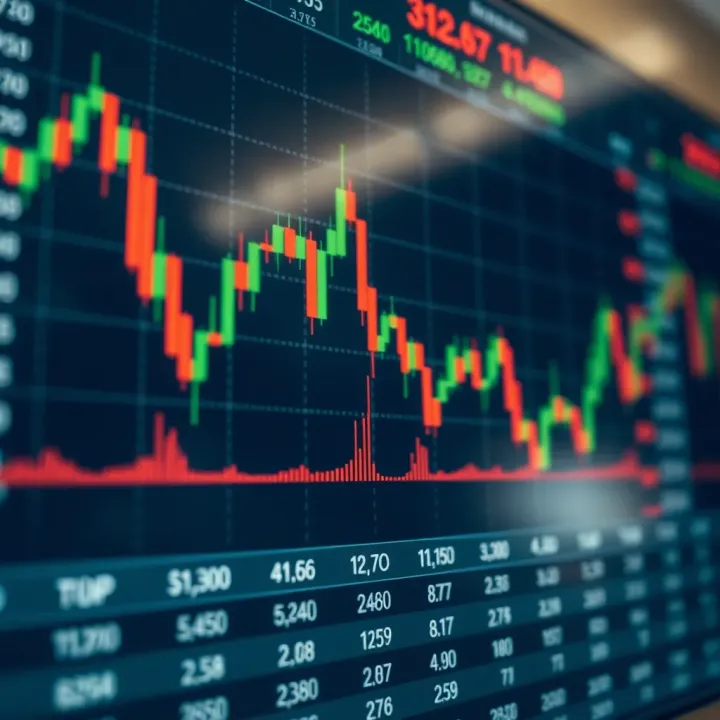
💱 Explore a detailed guide to forex trading in Kenya: learn market basics, effective strategies, risk management, platforms, and regulations for confident trading.
Based on 15 reviews