
Understanding Non-Binary Identity in Kenya
Explore non-binary identity beyond male-female roles ⚧. Understand cultural roots, Kenyan challenges, lived experiences, and how to support this community today.
Edited By
Ethan Shaw
Non-binary is a term used to describe gender identities that don’t fit neatly into the categories of male or female. Rather than seeing gender as just two fixed options, non-binary acknowledges the variety of ways people experience and express their gender.
In Kenya, awareness of non-binary identities is growing, though understanding remains limited in many communities. This lack of knowledge affects not only social acceptance but also the ability of non-binary individuals to access services and rights that recognise their gender.
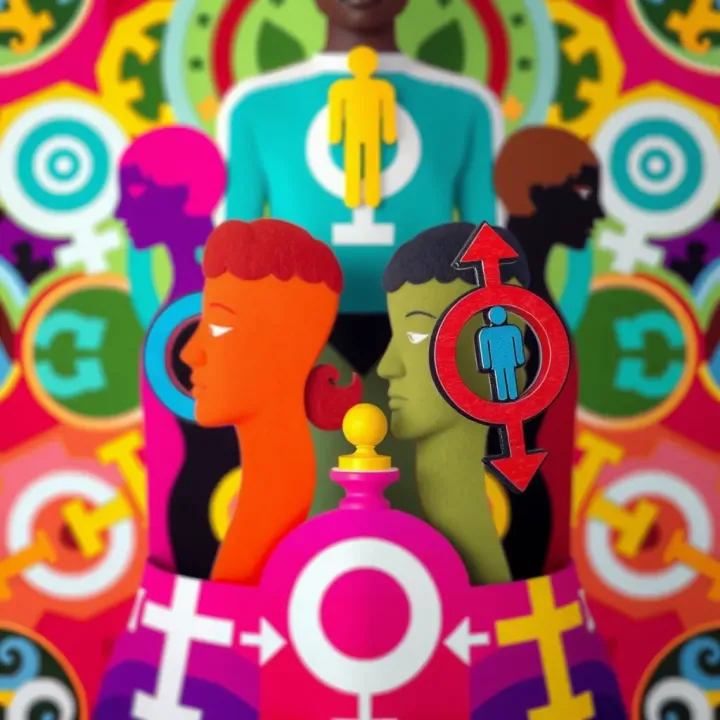
People who identify as non-binary may use a variety of terms to describe themselves. Some might prefer "genderqueer", "genderfluid", or simply "non-binary". Others might describe their identity as existing somewhere in between male and female, or beyond these categories altogether. For example, a person born male biologically may present and identify in a way that blends masculine and feminine traits, or rejects both.
Understanding non-binary identities means recognising that gender is not just a box to check but a spectrum. This matters because it affects how individuals are seen and treated in workplaces, families, and public life.
Non-binary people in Kenya often face unique challenges, including misgendering, discrimination, and legal invisibility. Many documents like national IDs and birth certificates do not provide options beyond 'male' and 'female', making it difficult for non-binary Kenyans to have their identity acknowledged officially.
For those working in finance or business, recognising non-binary identities is increasingly relevant. Companies that embrace gender diversity can tap into broader talent pools and foster inclusive environments. Investors and traders may also notice shifts in consumer behaviours as more brands and services cater to diverse gender identities.
To sum up, non-binary is about breaking away from strict gender norms and allowing space for more personal and varied expressions of identity. Appreciating this diversity is a step towards a more inclusive Kenyan society where everyone can participate fully and respectfully.
Non-binary refers to gender identities outside male/female categories.
It’s a personal experience, with many descriptive terms.
Recognition and respect matter for inclusion in society.
Legal and social systems in Kenya still largely overlook non-binary identities.
Embracing gender diversity benefits businesses and communities alike.
Understanding what non-binary means is essential, especially as discussions on gender diversity grow in Kenya and beyond. This knowledge helps us appreciate identities beyond the traditional male-female divide, fostering respect and inclusion in workplaces, communities, and social settings. For traders or investors, recognising diverse gender identities is also increasingly relevant in areas like workplace policies and market segmentation.
Non-binary refers to gender identities that don't fit neatly into 'male' or 'female' categories. Unlike the usual gender binary, non-binary people might identify as both, neither, or somewhere in between. For example, someone might feel more comfortable identifying as neither man nor woman but something outside those two. This challenges the rigid expectations often seen in Kenyan society, where gender roles tend to be tightly linked to cultural norms. Recognising non-binary identities means accepting that gender can be much more diverse than what the binary model allows.
While many confuse non-binary and transgender identities, they aren’t the same. Transgender typically refers to people whose gender identity differs from the sex they were assigned at birth, usually switching from male to female or vice versa. In contrast, non-binary people don’t identify strictly as male or female, which means they might not want to 'transition' in the traditional sense. Understanding this difference is practical in respecting people’s experiences and addressing their specific needs, such as in healthcare or legal documentation.
Non-binary is an umbrella term that includes various identities. People may identify as genderqueer, bigender (having two gender identities simultaneously), agender (having no gender), or genderfluid (shifting between genders at different times). For instance, a genderfluid individual might feel more masculine some days and feminine on others. These examples highlight how personal and varied non-binary identities can be, which is why flexible social and legal recognition matters.
Non-binary gender is best understood as a spectrum rather than fixed points. Many non-binary people experience gender as something dynamic and changeable rather than static. This fluidity challenges the common perception that gender must be permanent and clearly defined. For traders and investors building diverse teams or developing products, recognising this fluidity can lead to more inclusive practices, such as allowing flexible dress codes or offering multiple gender options in forms.
Non-binary individuals often navigate tensions between their personal sense of gender and societal expectations. In Kenya, where gender roles are largely traditional, this can result in misunderstanding or discrimination. For example, a non-binary person may prefer neutral pronouns but face pressure to conform to male or female roles at work or in their community. Recognising and supporting personal identity over rigid social norms contributes to healthier workplaces and communities.
Recognising non-binary identities is not just about language or labels; it involves respecting each person’s unique experience and promoting equality in all areas of life.
By gaining clear understanding of what non-binary means, everyone—whether in business, social settings, or policymaking—can contribute to a more inclusive environment where diversity is genuinely valued.
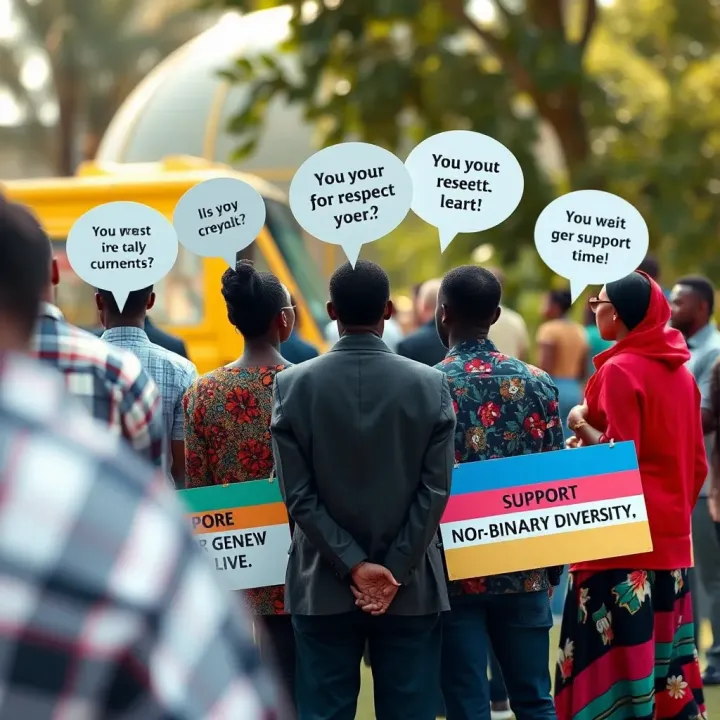
Understanding the origins and cultural context of non-binary identities helps place this concept within a broader historical and social framework. It shows that gender diversity is not a new idea but part of many societies' long-standing practices, including those in Kenya and Africa. Recognising these roots can improve respect and inclusion for non-binary individuals, especially in finance and business sectors where clear identity recognition matters.
Across many African societies, gender roles were once more fluid than what modern stereotypes suggest. Various communities recognised more than just male and female identities. For example, among the Luo and Luhya, distinct roles and identities sometimes existed beyond the binary, related to social, spiritual, or economic functions. These traditional perspectives did not always fit into strict categories but allowed a range of gender expressions.
Recognising this history counters the misconception that non-binary identities are wholly Western exports, which is important in Kenya’s efforts to build inclusive workplaces and policies without cultural alienation. This context can help investors and businesses appreciate the local nuances during gender inclusivity planning.
Globally, many cultures recognised gender diversity long before the modern LGBTQ+ movement. Indigenous peoples in North America, such as the Navajo, acknowledge 'Two-Spirit' people who embody both masculine and feminine traits. Historical records from South Asia note the hijra community, recognised as a third gender with social and religious roles.
These examples show that non-binary and third gender identities have historical precedence worldwide. This global perspective encourages organisations, including financial institutions, to consider gender beyond traditional binaries for their products, services, and policies, leading to broader market inclusion.
Several countries now legally recognise non-binary or third gender options on official documents, such as Australia, Canada, and Germany. This step is crucial because it provides non-binary people with legal protection and social legitimacy. Some corporations globally have adopted inclusive policies that respect gender identities beyond male and female, improving workplace equality.
For Kenyan financial and investment sectors, understanding these developments means staying aligned with global inclusivity standards. It also opens opportunities to serve diverse customers better and comply with emerging human rights expectations.
Though still limited, awareness of non-binary identities is rising in Kenya’s urban centres, especially among younger generations and activist groups. Social media and local advocacy have brought more conversations on gender diversity. Some university circles and workplaces in Nairobi now discuss gender inclusivity, signalling slow but ongoing change.
Visibility can reduce stigma and encourage more non-binary people to participate confidently in economic activities. For brokers, analysts, and traders, recognising this growing visibility means tailoring communication, services, and workplace cultures to be welcoming and respectful. It also highlights the need to support policies that protect non-binary individuals from discrimination.
Recognising the origins and cultural context of non-binary identities helps build respectful, inclusive spaces—whether in communities, workplaces, or markets—and aligns Kenyan financial sectors with evolving social realities worldwide.
Understanding the language around non-binary identities is vital for clear communication and respect. When you know key terms and expressions, it becomes easier to support non-binary people correctly, whether in social settings, workplaces, or official matters. This section breaks down important vocabulary and explains why each term matters.
Pronouns are words used instead of names when speaking about someone, like "he," "she," or "they." For non-binary individuals—who don't identify strictly as male or female—using the correct pronouns is about recognising their identity. It’s not just polite; it shows respect and helps reduce feelings of exclusion or misunderstanding.
Imagine a colleague prefers "they/them" pronouns, but others keep using "he" or "she." This misgendering can make the person feel invisible or disrespected on top of everyday work pressures. Using correct pronouns fosters a culture of inclusivity and trust, which is especially important in diverse workplaces or financial institutions where teamwork and respect matter.
While many non-binary people use "they/them" pronouns because they’re widely understood and easy to adopt, others choose less common pronouns like "xe/xem," "ze/hir," or even create their own. Knowing these alternatives means you won’t mistake a person’s identity or force them into traditional gender assumptions.
In practical terms, workplaces and schools should encourage everyone to share their pronouns openly during introductions or on ID badges. This small step cuts down awkward situations and promotes awareness. For example, a financial analyst introducing themselves as "James, he/him" alongside a colleague stating "Alex, they/them" sets the tone for respect and clear understanding.
These are some labels used under the non-binary umbrella, each with distinct meanings. "Genderqueer" often refers to people who reject traditional gender norms altogether or see themselves outside the binary. "Agender" means having no gender or feeling neutral. Meanwhile, "bigender" describes someone who identifies as two genders at once or shifts between them.
For example, a bigender person might feel male some days and female on others, while an agender person may not experience gender identity at all. Recognising these differences helps avoid lumping all non-binary individuals into one category and respects the richness of each person’s experience.
Non-binary is a broad term that covers a variety of identities beyond male and female. These distinctions matter because support and recognition may need to be tailored accordingly. Some people may want more visibility for their specific identity, while others simply want to be accepted without labels.
For instance, a non-binary person who identifies as genderfluid might appreciate spaces that allow for changing expressions of gender, whereas an agender individual might prefer neutral environments free from gender markers. Understanding such nuances can improve inclusion policies in companies, schools, and community groups across Kenya.
Learning and using correct terminology not only honours non-binary identities but also builds stronger, more respectful relationships in every sphere of life, including finance, education, and social interactions.
By familiarising yourself with common terms and expressions, you play a part in creating a more inclusive Kenya where everyone’s identity is seen and valued.
Non-binary individuals in Kenya face a range of challenges that affect their daily lives and overall well-being. These challenges often stem from deeply rooted gender norms and legal frameworks that do not yet fully recognise or accommodate diverse gender identities. Understanding these obstacles is key to promoting inclusion and equity in both social and institutional settings.
Prevalent gender norms and expectations have a strong influence on how gender is perceived in Kenyan society. Traditional views often insist on a strict male or female role based on biology, leaving little room for identities that do not neatly fit into these categories. In many communities, non-binary people may be pressured to conform to expected behaviours, roles, and appearances associated with their assigned gender at birth. For example, a non-binary person might face resistance from family or friends when choosing clothing or hairstyles that do not match traditional gender norms.
This rigid outlook can lead to discrimination and stigma in communities. Non-binary individuals may encounter misunderstanding, rejection, or even harassment simply because their gender identity challenges social expectations. Stigma can affect mental health, causing isolation or anxiety, which in turn impacts productivity and economic participation. In rural areas especially, the lack of awareness or acceptance intensifies these difficulties, with social exclusion affecting access to community events, education, or employment.
The current system of official documents and gender markers in Kenya presents a significant hurdle for non-binary people. The national identification cards, passports, and birth certificates only recognise “male” or “female” options. This binary classification forces non-binary individuals to select an identity that does not reflect how they identify, leading to discomfort and later complications when accessing services or travelling. For example, a non-binary person may struggle to obtain visas or use government services that require gender confirmation matching their ID.
Likewise, access to healthcare and social services remains uneven for non-binary Kenyans. Many healthcare providers have limited knowledge or training on gender diversity. Non-binary people often avoid seeking care due to fear of discrimination or misgendering by medical staff. Furthermore, specialised services such as hormone therapy or mental health support tailored to gender-diverse individuals are scant in Kenya’s public health system. The absence of inclusive policies means that non-binary individuals frequently have to rely on private facilities, which can be costly and inaccessible to many.
Supporting non-binary individuals requires both social awareness and institutional reforms. Addressing these challenges not only respects human dignity but also enhances Kenya’s commitment to equality and diversity.
By recognising the realities faced by non-binary people in Kenya, traders, investors, and finance professionals can contribute to more inclusive workplaces and markets. Awareness about such social issues improves corporate social responsibility efforts and broadens the talent pool by creating environments where everyone feels valued and able to perform at their best.
Respect and inclusion for non-binary individuals are essential for creating a society where everyone can participate without fear or discrimination. When people feel accepted and valued for who they are, their wellbeing and productivity improve significantly. This applies in workplaces, families, and public services across Kenya where traditional gender roles often limit opportunities and recognition.
Using correct pronouns and names is a straightforward yet powerful way to show respect to non-binary individuals. Pronouns like they/them, xe/xem or others chosen by a person reflect their identity and foster a sense of belonging. Simply asking or listening to how someone prefers to be addressed avoids misunderstandings and creates a positive environment. For example, a colleague in Nairobi who insists on being called ‘they’ rather than ‘he’ or ‘she’ deserves that respect to feel comfortable and included.
Promoting awareness in families and workplaces helps break down ingrained biases and misinformation about gender diversity. Families that learn to accept non-binary children reduce emotional distress and promote healthier relationships. Workplaces enlightened on non-binary issues tend to have more inclusive policies like gender-neutral toilets or flexible dress codes. Organising training sessions or sharing reliable information can start conversations that lead to deeper understanding in both homes and offices.
The role of schools, workplaces, and public services in building inclusive spaces is critical. Schools can support non-binary students by implementing anti-bullying policies and allowing choice in uniform or sports teams. Workplaces that protect non-binary staff from discrimination and accommodate their needs improve employee satisfaction and retention. Public services, including health facilities, can train staff to use appropriate language and respect diverse gender identities during interactions. Such environments help individuals live openly without hiding their true selves.
Community groups and advocacy organisations serve as pillars for non-binary inclusion in Kenya. They provide safe meeting spaces, support networks, and platforms for raising awareness about non-binary rights. Groups like the Gay and Lesbian Coalition of Kenya (GALCK) engage in advocacy that influences policy and public attitudes. Joining or supporting these groups strengthens the fight against discrimination and encourages wider acceptance, creating a ripple effect through society.
A society that fosters respect for non-binary identities not only upholds human dignity but also benefits from the diverse talents and perspectives of all its members.
By taking these practical steps, Kenyan communities and institutions can create a more just and inclusive environment for everyone.
Explore non-binary identity beyond male-female roles ⚧. Understand cultural roots, Kenyan challenges, lived experiences, and how to support this community today.

📉 Binary trade lets Kenyan traders predict asset prices rise or fall within set time; learn how to navigate risks, regulations, and make informed choices safely.

Learn how binary options trading works in Kenya 🇰🇪⚖️, explore risks, strategies, and key facts to trade smarter and stay regulated with our clear guide.
🔍 A detailed guide for Kenyan users on Binary Cashier: setup steps, key features, security tips, and solutions to common issues for safe transactions.
Based on 13 reviews