
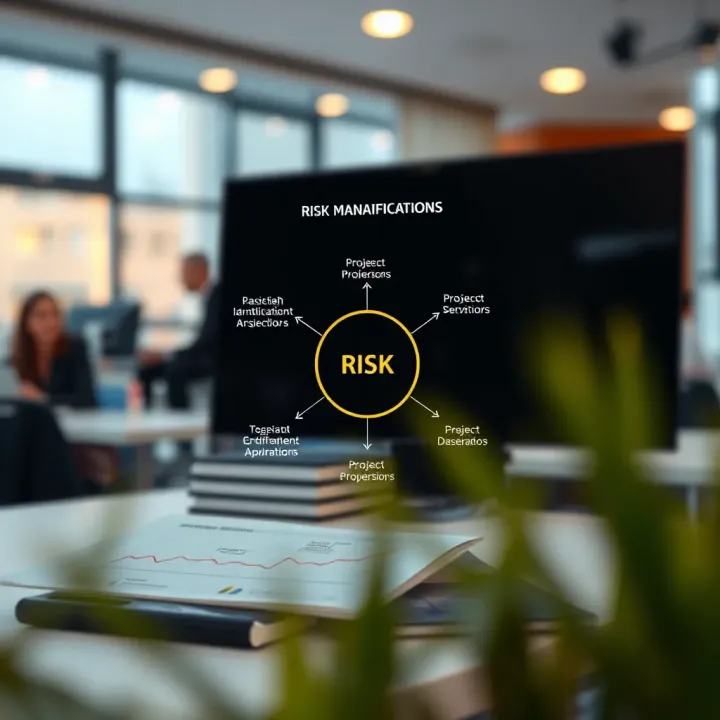
Effective Risk Management in Projects
🌍 Manage project risks effectively in Kenya's fast-paced market. Learn to identify, assess, plan, and monitor risks using proven tools for success ✅
Edited By
Hannah Price
Managing risks effectively is not just a box to tick for Kenyan businesses and individuals — it’s a safeguard against unexpected events that could derail plans or cause financial loss. Whether you run an SME in Nairobi or handle personal finances in Kisumu, understanding risk management helps you protect what matters most.
In Kenya, common risks include market fluctuations, political changes, health emergencies, and natural events like floods during the long rains. Traders might face currency volatility that affects import costs, while investors need to watch regulatory shifts from bodies like the Capital Markets Authority (CMA). On a personal level, risks such as job insecurity, theft, or medical emergencies also require attention.

Start by pinpointing potential threats relevant to your context. For example, a small shop owner in Eldoret should consider supply chain delays due to road closures or matatu strikes. Meanwhile, a financial analyst in Nairobi might track inflation trends or global commodity prices.
After listing risks, assess their likelihood and impact. Tools like a simple risk matrix can prioritise risks needing urgent action versus those less critical. This assessment guides where to put scarce resources.
Kenyan businesses and individuals typically choose from three main routes:
Avoidance: Steering clear of high-risk activities, like a start-up avoiding regions prone to flooding.
Mitigation: Taking steps to reduce impact, such as installing security systems to prevent theft or diversifying investments to shield from market shocks.
Transfer: Shifting risk through insurance policies—be it for business equipment, health cover via NHIF, or motor vehicle insurance.
"Risk management isn't about eliminating danger—it’s about being prepared to face it while keeping your business or life steady."
No two businesses or individuals in Kenya face identical risks. Customising your risk management plan ensures resources focus correctly on what matters. Use digital tools like M-Pesa for secure payments, cloud storage for business records, or mobile apps for health tracking to reduce exposure.
Circumstances change fast — what you planned for six months ago might no longer apply. Regularly revisiting your risk assessment helps catch new threats early and adjust your strategy.
Understanding and applying these practical steps will position Kenyan businesses and individuals not just to survive challenges but to build lasting resilience in an ever-shifting environment.
Understanding risk is vital for both businesses and individuals in Kenya. It helps in spotting potential threats early, preparing appropriate responses, and avoiding losses that could derail financial stability or growth opportunities. For instance, a small retailer in Nakuru facing sudden supply chain disruptions can better manage its stock if it recognises and plans for operational risks beforehand.
Risk impacts vary widely but always affect decision-making. Grasping the types of risks businesses and households face provides a foundation for smarter planning. Without this, even strong companies or families may find themselves vulnerable during economic shocks or unexpected events.
Financial risks and economic uncertainty play a major role in Kenya’s dynamic economy. Inflation rates often fluctuate, affecting purchasing power and input costs for businesses. For example, seasonal spikes in petrol prices ripple across transport and goods costs, squeezing profit margins. At an individual level, irregular income or job insecurity can make loan repayments tricky, especially with changing interest rates set by the Central Bank of Kenya (CBK).
Operational risks and local business challenges include day-to-day vulnerabilities that Kenyan enterprises commonly face. Frequent power outages, variable internet reliability, and informal matatu strikes can interrupt production or services. For example, a manufacturing SME in Eldoret may lose valuable production hours during scheduled load-shedding periods, causing delivery delays and customer dissatisfaction.
Environmental and regulatory risks in Kenya often revolve around climate unpredictability and compliance demands. Heavy rains sometimes cause flooding, damaging crops or business premises, while regulatory shifts—such as new tax policies by the Kenya Revenue Authority (KRA)—require constant adaptation. Businesses ignoring environmental assessments may suffer losses if a flood hits, and failure to comply with updated licensing rules can lead to fines that drain limited resources.
Market fluctuations and inflation heavily influence Kenya’s private sector and families alike. Sudden price hikes in staple goods like maize or fuel ripple through household budgets and SME operational costs. Traders improvising with price adjustments risk losing customers, while families might cut back on essentials to cope. In 2023, inflation in Kenya hovered around 8%, affecting day-to-day incomes and savings.
Security risks and crime impact remain a persistent threat. Businesses in urban areas like Nairobi and Mombasa deal with theft, vandalism, or fraud, raising operation costs through security investments. Households in informal settlements often experience higher crime rates, which affects social wellbeing and property safety. A roadside kiosk in Kisumu may need to invest in CCTV or hire a night guard to secure stock, raising overhead.

Health and social risks have become more pronounced, especially after the COVID-19 pandemic. Illnesses reduce workforce productivity and add medical cost burdens. Social risks, including unemployment or family breakdowns, can strain community ties and economic resilience. For example, smallholder farmers worried about healthcare costs might avoid clinic visits, risking more severe health issues that disrupt shamba work.
Knowing these risks clearly helps Kenyan businesses and individuals build better buffers, plan smarter, and avoid surprises that may threaten their livelihoods, growth, or wellbeing.
Identifying and assessing risks accurately forms the backbone of any solid risk management strategy. For Kenyan businesses and individuals, this process helps pinpoint potential threats before they escalate, enabling timely actions that protect assets and maintain stability. Without clear identification, risks often remain hidden until they affect finances or operations, which can happen suddenly in the dynamic Kenyan environment.
Risk mapping and checklists help to organise potential risks visually and systematically. Risk mapping involves creating a visual representation of risks as they relate to specific areas of a business or personal life. This technique clarifies complex risk interconnections, such as how supply chain delays in Nairobi’s industrial zones might affect product delivery times. Checklists, on the other hand, provide structured prompts to ensure no common risks are overlooked, such as cyber threats for SMEs relying on online sales or cash handling risks in informal retail.
Engaging stakeholders and expert input is vital for comprehensive risk identification. Local knowledge from employees, suppliers, or community members reveals ground realities that may not be obvious from top management. For example, a farmer in Rift Valley may notice early signs of pest infestation that could cause financial loss if ignored. Professionals like insurance brokers, financial analysts, or legal advisors bring expert perspectives on emerging risks, such as new regulatory shifts affecting import licenses or health safety requirements. Their input helps tailor risk identification to the specific context.
Qualitative and quantitative assessment methods provide a balanced view of risk impact and likelihood. Qualitative methods involve categories like high, medium, or low severity based on experience and expert judgement. This is useful where data is scarce, for instance, assessing reputational risk for a local retailer facing online reviews. Quantitative methods apply numbers—like economic loss estimates or probability percentages—where historical data exists, such as calculating expected downtime cost from power outages in Nairobi’s business district.
Prioritising risks for focused management channels resources where they matter most. Not all risks carry equal weight; a cyber breach may halt operations significantly more than a minor delivery delay. By ranking risks based on severity and probability, businesses and individuals can address the biggest threats first. For SMEs, prioritising might mean investing more in security systems than diversifying suppliers if theft risk scores higher. This approach ensures efforts produce tangible risk reduction rather than spreading attention too thinly.
Effective risk identification and assessment let you see the dangers clearly before they cause damage, making your risk management both efficient and practical.
Kenyan businesses face a range of risks daily, from fluctuating markets to operational hurdles. Practical risk management approaches help firms not only survive but thrive by reducing vulnerabilities and preparing for uncertainties. These strategies offer tangible benefits, like safeguarding assets, maintaining customer trust, and ensuring steady revenue even when challenges arise.
Process improvements and safety measures play a key role in cutting down risks before they escalate. For example, a manufacturing company in Thika might rethink its assembly line to eliminate bottlenecks and improve worker safety, thus lowering injury claims and downtime. Regular training on equipment use or compliance with safety regulations can prevent costly accidents and reputational damage. This practical step helps keep operational risks manageable and saves money that would otherwise go to repairs or penalties.
Diversification of products and markets is another smart way businesses reduce reliance on any single income source. Take a Nairobi-based supplier who initially focused on selling fresh produce locally but expanded to packaged snacks for urban consumers. This shift spreads risk because if one market suffers—say, a drought impacting local produce—they still have revenue from other segments. But diversification must be strategic and based on sound market research to avoid spreading resources too thin or entering unstable markets.
Kenyan businesses benefit from types of insurance relevant to their specific operations to cushion against financial shocks. Common coverages include property insurance (for fire or theft), motor insurance (for boda bodas or company vehicles), and professional indemnity for service providers. For instance, a jua kali artisan with tools worth KS0,000 should consider insurance to avoid total loss after theft or accidents. Insurance premiums may seem like extra costs but can save business continuity when mishaps occur.
Contractual safeguards and liability management ensure businesses limit their responsibility where possible. A supplier contracting with a retailer might include clauses that specify delivery deadlines, quality standards, and penalties for breach. This reduces disputes and financial losses. In Kenya, where informal agreements dominate many sectors, having clear written contracts provides legal backing and builds trust among trading partners.
Sometimes risks cannot be avoided or transferred; contingency planning and reserves become crucial here. Setting aside emergency funds or flexible credit lines enables a business to weather sales slumps or unexpected expenses. For example, a retail outlet could maintain a cash reserve equivalent to two months’ operating costs to cover rent and salaries during slow seasons. This cushion helps keep employees paid and operations running smoothly without scrambling for funds.
Emergency response and crisis management plans prepare businesses to act decisively when disasters strike. A supermarket chain in Mombasa might have procedures for handling power outages, supply chain disruptions, or security threats. Clear communication structures, designated roles, and training on crisis scenarios reduce panic and speed recovery. Preparing ahead reduces losses and maintains customer confidence even during tough times.
Effective risk management is not just about avoiding problems but also preparing to handle them with resilience, ensuring Kenyan businesses stay robust despite uncertainties.
These practical approaches link together to build a risk-savvy business that balances caution with readiness, fostering growth in Kenya’s dynamic market.
Creating a risk management plan that suits your specific business or personal circumstances is crucial. A one-size-fits-all approach rarely works because risks differ widely depending on the sector, location, and scale of operations. For example, a trader in Nairobi’s CBD faces different risks compared to a smallholder farmer in Kisumu county. A personalised plan helps focus resources wisely and builds resilience against both predictable and unexpected challenges.
Every business or individual must decide how much risk they are willing to take to reach their goals. This risk tolerance depends largely on the financial health, growth ambitions, and the nature of the venture. For instance, a startup fintech firm in Mombasa might accept higher risks to penetrate the market quickly, while a family-run shop in Nyeri may prefer low risks to maintain steady income. Defining this upfront directs decision-making and prioritises risk controls that match the appetite rather than applying arbitrary limits.
Risk management is not a solo effort. Involving employees, suppliers, investors, and even customers in defining risk goals and strategies creates a shared understanding and stronger commitment. For example, a manufacturing firm in Thika may organise workshops to hear safety concerns from workers, which then feeds into the risk plan. Keeping open lines of communication ensures that everyone knows their role in managing risks, making the plan more practical and easier to implement.
Clear roles help avoid confusion when risks arise. Each person involved in managing risks should understand their duties, whether it’s monitoring cash flow, overseeing compliance with regulations, or responding to emergencies. For example, an investment company in Nairobi assigns a dedicated risk officer responsible for regular risk reporting to management. Without this clarity, critical tasks can be overlooked, escalating avoidable losses.
Modern technology supports real-time risk monitoring and faster decision-making. Kenyan businesses are increasingly using tools such as digital dashboards, mobile apps, or integrated software systems to track financial risks or operational incidents. For instance, a logistics firm might use M-Pesa and GPS tracking to monitor payments and vehicle locations, giving instant alerts on any irregularities. Leveraging technology reduces manual errors and provides data that strengthens risk analysis and response.
A tailored risk management plan is not a static document but a living tool that guides practical actions and evolves with changing conditions.
This approach ensures risks are not just identified but actively managed according to your unique situation, allowing you to protect assets and pursue growth with confidence.
Risk management isn’t a set-and-forget exercise. Markets shift, regulations change, and new threats emerge. Reviewing and adapting your risk strategies regularly helps businesses and individuals in Kenya stay ahead of these dynamics. Without constant updates, what worked six months ago may no longer protect against today’s risks.
Scheduled reviews and updates provide a structured way to evaluate risk controls and their effectiveness. For instance, a Nairobi-based SME dealing with import-export needs to revisit its risk plan every quarter to reflect currency fluctuations or transport delays. Regular audits expose weak spots before they escalate into costly problems.
Beyond formal reviews, feedback loops play a vital role. Teams on the ground gather firsthand information that influences daily risk decisions. For example, a logistics company might adjust delivery routes after feedback about road closures or security threats.
Learning from incidents and near-misses sharpens resilience. Take a construction firm that narrowly avoids a safety accident. By analysing that incident, the company can improve safety training and equipment checks, preventing future disasters. Similarly, if an individual investor experiences a significant market dip, reflecting on the event can prompt rebalancing the portfolio or diversifying assets.
Near-misses are often overlooked but provide valuable lessons without the cost of a full-blown failure. Recording and discussing these events during monthly meetings encourages a proactive risk culture.
Economic shifts and new regulatory frameworks demand flexible risk approaches. The Central Bank of Kenya (CBK) may adjust interest rates rapidly, influencing borrowing costs. Businesses must then adapt cash flow and credit risk management accordingly. Similarly, changes in tax laws or import duties require swift compliance updates to avoid penalties.
Counties may introduce new regulations affecting local businesses. A supplier in Kisumu might face stricter environmental rules, pushing them to rethink waste disposal methods. Staying informed about these changes through business associations and government notices ensures risk plans remain relevant.
Innovation and emerging risks create both opportunities and challenges. Mobile money platforms like M-Pesa have revolutionised payments, but also introduced cyber risks. Kenyan businesses embracing digital solutions must deploy strong cybersecurity measures and train staff on safe practices.
Likewise, emerging risks such as climate change impact agricultural yields and may disrupt supply chains. By monitoring innovations, such as drought-resistant crops or renewable energy solutions, farmers and agribusinesses can adjust their risk management to include sustainable practices.
Continuous review and adaptation turn risk management into a living process rather than a static checklist. Kenyan traders, investors, and businesses who embrace this dynamic approach will be better equipped to protect their assets and seize new opportunities safely.
🌍 Manage project risks effectively in Kenya's fast-paced market. Learn to identify, assess, plan, and monitor risks using proven tools for success ✅
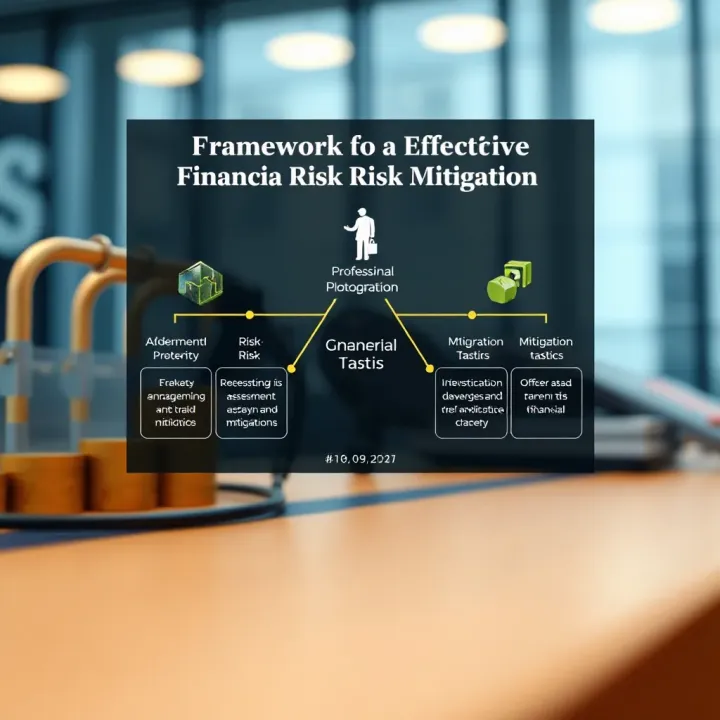
Manage financial risks like a pro! Learn key strategies and practical tips tailored for Kenyan businesses to identify, assess, and reduce financial losses 📉💼

Explore practical disaster risk management in Kenya 🌍 with strategies on risk assessment, preparedness, response & recovery to protect communities effectively.

📊 Learn how to identify, assess, and handle risks in Kenyan projects effectively. This guide covers planning, stakeholder roles, and tools for smooth delivery.
Based on 6 reviews