

Free Forex Trading Courses in Kenya: A Practical Guide
Start your forex trading journey with free courses tailored for Kenyans 🇰🇪. Learn key concepts, find trusted resources, and gain practical tips to trade confidently.
Edited By
Emily Chandler
Forex trading has become an accessible way for many Kenyans to explore investment opportunities beyond traditional markets. However, jumping straight into trading without understanding the basics can quickly burn your capital. That’s why getting proper forex education is key before committing real money. Luckily, there are several quality sources offering free forex trading courses tailored for Kenyan learners.
A free course helps you learn foundational concepts like currency pairs, pip values, leverage, and technical analysis without risking a single shilling. This approach not only builds confidence but also sharpens your decision-making skills. For instance, you can practise identifying trade setups using demo accounts offered by platforms like FXTM or Hotforex, which simulate real-market conditions.
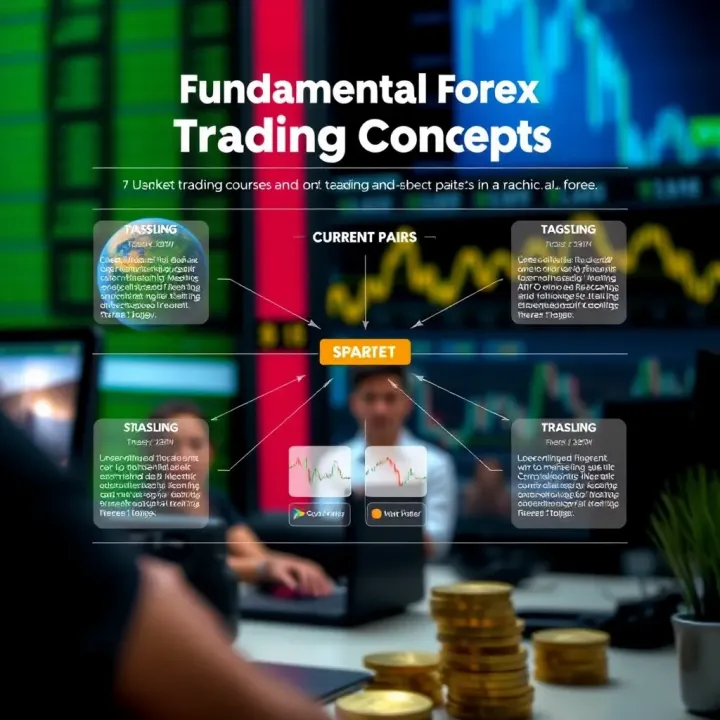
Many forex trading beginners overlook the importance of managing emotions and applying risk management strategies. Free courses often cover these practical elements, helping you avoid common pitfalls such as over-leveraging or chasing losses. You’ll gain insights into setting stop-loss orders and calculating position sizes aligned with your risk appetite.
Kenyan traders benefit specifically from courses that address the regional trading environment, including how to fund accounts using M-Pesa or local bank transfers, and navigating tax obligations with the Kenya Revenue Authority (KRA). This localised knowledge makes learning more relevant and actionable.
Tip: Start with courses that offer structured modules and include quizzes or assignments. These features promote better understanding and let you track your progress.
When choosing a free forex trading course, consider these factors:
Course credibility: Look for instructors with verified trading experience and positive learner reviews
Content relevance: Ensure the material covers topics from beginner to intermediate levels
Practical application: Courses that incorporate demo trading or case studies improve retention
Community support: Access to discussion forums or mentorship helps when you hit complex topics
By investing time in free, reliable trading education, you create a strong base to approach forex markets wisely. This guide will explore where to find these resources in Kenya, what essential topics to focus on, and how to practise risk-free before trading live.
Starting well-informed is your best bet in a market as dynamic as forex, so let’s get you equipped with the right knowledge first.
Starting forex trading without strong education is like driving on the busy Mombasa road without knowing the rules. You might reach your destination, but the risks along the way are high. Many new traders suffer losses because they dive in without understanding how forex works. For instance, failing to grasp leverage can wipe out KSh thousands in minutes. This shows why informed trading isn’t just an advantage; it’s a need.
Ignorance in forex trading often leads to costly mistakes that even seasoned hustlers find hard to recover from.
Structured learning helps you get a clear view of the market’s complexities. Unlike random trial and error, proper courses walk you through key concepts like currency pairs, order types, and analysis methods. When you learn in a step-by-step manner, you avoid common pitfalls and save time. For example, a Kenyan trader who follows a recognised free course might understand how global economic news affects the Kenyan shilling versus the dollar, making smarter trading decisions. Besides knowledge, structured education builds confidence, helping you stick to a strategy rather than chasing quick wins or rumours.
Trading forex without a solid foundation puts your KSh at risk. Many beginners jump in after hearing stories of instant wealth, but lack the skills to manage volatility. They might open large positions without stop-loss limits, exposing themselves to big losses. Without understanding how leverage works, a trader can blow their account by mistaking a marginal move for a trend reversal. Forex education explains these dangers upfront and prepares you with risk management tools.
Following a well-organised free course equips you with practical tools and strategies. You learn how to read charts, evaluate trends, and time entries and exits properly. It also helps you understand broker platforms, so you don’t get lost navigating unfamiliar software. Practising what you learn on demo accounts is an added benefit, allowing you to build experience with zero financial risk. Kenyan learners often find that structured courses make the difference between guesswork and calculated trading.
New traders frequently fall into traps like overtrading, ignoring risk management, or letting emotions drive decisions. For instance, starting with high leverage because it promises bigger profits can quickly lead to losses if the market moves against you. Another common error is chasing losses by increasing trade sizes, a behaviour that often leads to blowing the account. Education highlights these mistakes early, helping traders avoid costly errors.
The internet is full of forex content, but it can overwhelm beginners. Sifting through conflicting advice wastes time and creates confusion. Worse, many fake gurus promise quick riches and push paid schemes or unregulated brokers. Kenyan traders are particularly vulnerable to these scams given rising interest in forex here. Quality learning resources teach you to spot red flags and rely only on verified education sources and regulated brokers, saving you from falling victim to fraud.

Understanding these realities lays a strong base for a successful forex journey. By taking advantage of free, reliable courses, you shield yourself from common risks and get equipped to trade smartly.
Finding reliable and free forex trading courses is key for anyone serious about entering the forex market in Kenya. With numerous options available, knowing where to look helps you avoid scams and low-quality content. Trusted courses not only build your confidence but also equip you with practical skills to trade wisely.
Brokerage education portals provide one of the most direct avenues for learning forex trading at no cost. Many brokers active in Kenya, such as XM, FXTM, and HotForex, offer free educational materials, including ebooks, webinars, and video tutorials. Since brokers want traders to succeed (and keep trading), they carefully craft beginner-friendly content covering everything from basic forex terms to complex strategies. Access through the broker's official website also ensures that the material is up-to-date with current market conditions.
YouTube channels and tutorials serve as a convenient and flexible way to learn forex trading for free. Popular Kenyan forex traders and educators often post videos explaining key concepts or sharing live trade examples. Channels like Forex Kaa and Forex Busines Kenia provide relatable content that aligns with the Kenyan trading environment, including how to use platforms like MetaTrader 4 and manage risk appropriately. However, learners should be cautious to select reputable creators to avoid misleading advice.
Forex community websites are online hubs where traders share knowledge, discuss strategies, and sometimes offer free courses or guides. Kenyan forums and social media groups centred on forex trading can particularly help you connect with others learning the ropes. Websites like BabyPips, though global, remain valuable for fundamentals and forex vocabulary. These platforms often provide structured lessons with quizzes, making the learning process more interactive and grounded.
Training by Kenyan financial institutions such as the Nairobi Securities Exchange (NSE) or the Capital Markets Authority (CMA) sometimes include free or subsidised forex educational sessions. These are often held as workshops or seminars to promote financial literacy. Furthermore, saving and investment groups linked with banks like KCB and Equity occasionally organise forex training modules. Participating in these sessions gives you the chance to ask questions and network with professionals.
Community-based forex learning groups have become a practical means for informal training across Kenya. These groups, often organised in Nairobi, Mombasa, or Kisumu, gather weekly to share experiences, run mock trading sessions, and review market trends together. Joining such a group not only boosts your forex knowledge but also helps you build discipline and confidence through peer support. They usually operate without fees or with a minimal contribution that covers venue costs.
The key to getting the most from free forex courses is choosing sources that combine clear, accurate information with practical exercises. This enables you to build your skills steadily without risking your hard-earned KSh.
By focusing on these trusted online and local resources, Kenyan traders can develop a strong foundation in forex trading while avoiding common pitfalls and costly misinformation.
Understanding the core forex trading concepts is key for anyone starting out or even those refining their skills. Free courses in Kenya often focus on these foundations to give a clear picture of how forex markets operate and how you can make informed decisions. Grasping these ideas helps traders avoid unnecessary risks and improves chances for consistent results.
The forex market involves trading currency pairs, which means you’re buying one currency and selling another at the same time. For example, the USD/KES pair shows how many Kenyan shillings (KES) it takes to buy one US dollar (USD). The first currency is called the base, while the second is the quote currency. Knowing how to read these helps you understand price movements and when to buy or sell.
Leverage lets you control a larger position in the market with a smaller amount of your own money. For instance, a leverage of 1:100 means you can trade KSh 100,000 with just KSh 1,000. While it amplifies profits, it also magnifies losses, so understanding margin—the amount of money your broker requires to open a trade—is crucial. Spread is the difference between the buying and selling price; a tighter spread means lower cost to enter or exit the trade, which matters especially for frequent traders.
Knowing the various order types is fundamental. The main ones include market orders (buy or sell immediately at the current price), limit orders (specify a price to buy or sell), and stop orders (trigger trades when a price hits a level). Proper execution impacts how quickly your trades reflect market changes, and some brokers in Kenya offer different execution methods that can influence trading outcomes.
Charts visually represent price movements over time. Free courses often teach you to read common chart types like line, bar, and candlestick charts, along with popular indicators such as moving averages or the Relative Strength Index (RSI). These tools highlight trends, momentum, support, and resistance levels—helping traders decide optimal entry or exit points without guesswork.
Fundamental analysis focuses on how economic events affect currency values. For Kenyan traders, watching news like Central Bank of Kenya policy announcements, US Federal Reserve decisions, or trade reports can explain sudden market shifts. Understanding this influence helps you anticipate volatility, avoid trading during risky times, or capitalise on well-informed forecasts.
Mastering these core concepts strengthens your trading foundation and helps you trade forex more confidently and responsibly, without unnecessary guesswork or over-reliance on tips and rumours.
Practising forex trading without risking real money is essential for building confidence and mastering strategies. This approach allows traders in Kenya to learn market dynamics, test new techniques, and understand how orders work without the pressure of losing KSh. Using risk-free practice tools helps avoid costly mistakes when transitioning to live trading.
Finding brokers with reliable demo platforms Not all brokers offer equal demo account experiences. Traders should look for brokers whose demo platforms closely simulate real market conditions, including live price feeds and realistic spreads. For instance, IC Markets and FXTM Kenya provide demo accounts with real-time data, allowing traders to familiarise themselves with the interface and order execution without risking funds.
Demo accounts generally allow unlimited practice time, but some may limit features or funds available. Choosing a broker with reliable support and a user-friendly platform gives a smoother learning curve, especially for beginners.
Setting realistic practice goals Practising on a demo account is only as effective as the goals set. Rather than aimlessly clicking buy and sell, set daily targets such as mastering one type of order (e.g., stop-loss) or analysing currency pairs like USD/KES. This focus helps track progress and build discipline.
For example, a trader might commit to practising with a fixed virtual balance of KSh 100,000 and aim to limit losses to 5% per session. This approach mimics risk management essential for real trading and builds habits that transfer well to live markets.
Manual record keeping Keeping track of every trade manually is a valuable habit often overlooked. Whether using a simple spreadsheet or a dedicated journal, recording entry prices, exit points, reasons for the trade, and emotions experienced helps reveal patterns not obvious during live trading.
In Kenya, several forex learning groups encourage traders to keep notebooks or Excel sheets capturing all simulated trades. This documentation allows reflection on what strategies work best and where errors happen, aiding continuous improvement.
Tracking and reviewing trades Regularly reviewing your trade records is critical. Tracking success rates, average profits, and biggest losses paints a clear picture of your skill level and consistency. It also helps avoid repeating mistakes like overtrading or ignoring stop-losses.
Many traders in Kenya set weekly review meetings with peers or mentors to discuss their simulated trades. These reviews offer feedback and validate strategies before involving real money. Reviewing trades underlines the importance of patience and sticking to your trading plan.
Practising without risk through demo accounts and disciplined record keeping builds a strong foundation before risking actual capital. It's the safest way to gain essential experience and prepare for the unpredictable forex market.
Finding a free forex trading course that suits your needs can save you time and frustration. Not every free course offers the same quality or depth, so knowing what to look for is key to building a strong trading foundation. Serious traders should focus on courses that provide clear, accurate information and relevant practical examples, especially when starting without prior experience.
Accurate and up-to-date information is essential because forex markets constantly change due to economic shifts, policy updates, and technological advances. A course teaching outdated concepts or ignoring current market conditions can mislead beginners, potentially causing costly mistakes. For instance, a course that still emphasises fixed spreads, when most brokers now offer variable spreads, will not prepare you properly. Always look for courses that reflect recent developments like algorithmic trading or updated regulations from bodies such as the Capital Markets Authority (CMA) Kenya.
Clear explanations and practical examples help break down complex ideas like leverage, pip calculations, or chart patterns. When a course combines theory with real trading scenarios—say, analysing the impact of Kenya’s Central Bank interest rate decision on the KES/USD pair—it makes the learning sticky and relatable. This practical touch is vital; it prevents confusion over technical jargon and shows how concepts play out in everyday trading situations.
Learning from fellow Kenyan traders can guide you towards courses that deliver real value within the local context. Kenyan traders’ experiences often highlight whether a course addresses issues relevant to you, such as using M-Pesa for funding or navigating local broker choices. Peer feedback shared on platforms like ForexPeaceArmy or social media groups can reveal a course’s strengths or weaknesses quickly.
Avoiding misleading or low-value content protects you from wasting time and effort on courses offering unrealistic promises, such as guaranteed profits with no risk. Some free resources are mere marketing tools pushing paid signals or brokerage accounts. Check reviews for patterns of complaints about poor teaching methods, lack of support, or outdated materials. Remember, a good free course empowers you to make informed trades, not just sells hype.
Choosing the right free forex course means balancing accuracy, clarity, and trustworthiness. This ensures your learning journey builds real skill, not confusion or false hope.
By using these tips, you’ll sharpen your chances of finding forex guidance that fits your goals and the unique Kenyan trading environment.
Start your forex trading journey with free courses tailored for Kenyans 🇰🇪. Learn key concepts, find trusted resources, and gain practical tips to trade confidently.

Explore practical forex trading courses in Kenya 🇰🇪. Learn basics, find top local and online classes, get tips to tackle challenges & succeed in the market.

Learn forex trading in Kenya with practical courses covering local market tips, course selection, benefits of training, and starting trades confidently 📈💼🇰🇪
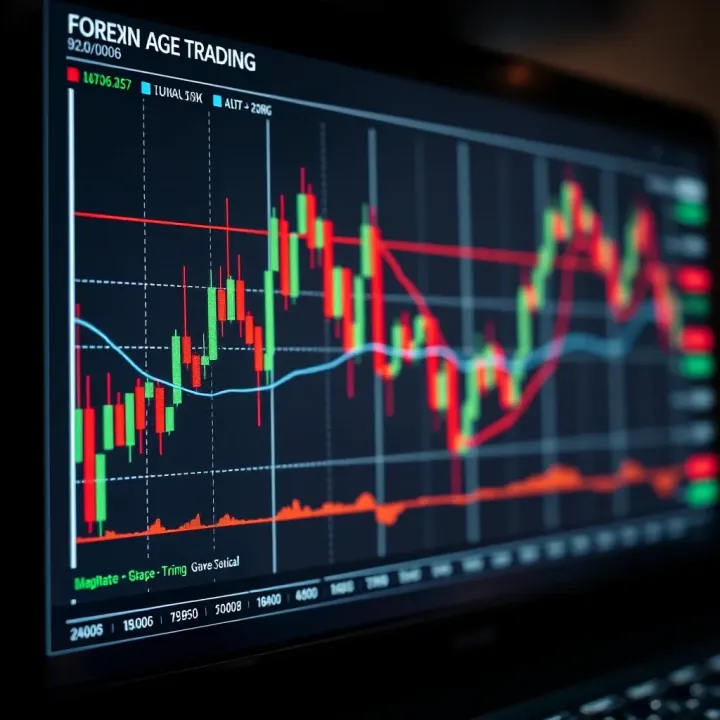
📉 Is forex trading in Kenya real? Learn how it works, the risks to expect, and key tips to trade safely. Stay informed before investing your KSh💸
Based on 9 reviews