

How to Make Money with Forex Trading in Kenya
💹 Start forex trading in Kenya with practical steps: learn basics, pick a reliable broker, create a plan, manage risks, and use M-Pesa for easy payments to grow your KSh income.
Edited By
Henry Lawson
Forex trading offers a practical way for Kenyans to generate income by exchanging currencies on the global market. Unlike traditional investments, forex involves buying one currency while selling another simultaneously, taking advantage of price movements between pairs like USD/KES or EUR/USD. This market operates 24 hours across different time zones, making it accessible for traders who want to engage at any time.
To make money from forex trading, you first need a solid understanding of how the market works. Currency values move based on economic indicators, geopolitical events, interest rates, and central bank decisions. For instance, if the Central Bank of Kenya raises interest rates, KSh might strengthen, affecting pairs like USD/KES.
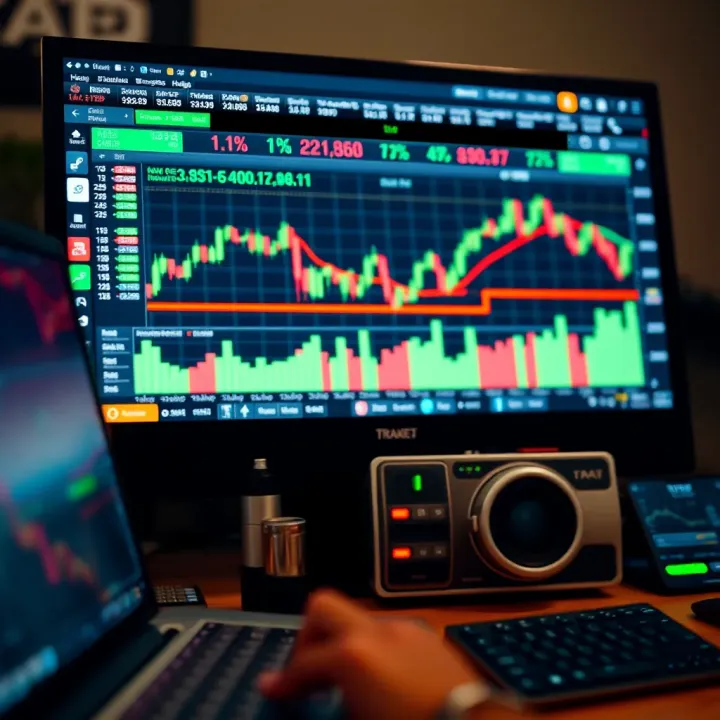
Selecting a reliable broker is crucial. In Kenya, licensed brokers regulated by the Capital Markets Authority (CMA) provide safer platforms that comply with local laws and offer transparent trading conditions. Trusted brokers usually support M-Pesa payments, making deposit and withdrawal easier.
Risk management cannot be overstated. Many traders lose money by risking too much of their capital on single trades or neglecting stop-loss orders. Setting clear limits on how much to lose per trade and using leverage carefully can help protect your funds. For example, rather than wagering KS0,000 on one position, consider smaller amounts that won’t wipe your account if the market moves against you.
In addition, staying updated with economic news and chart trends helps anticipate currency movements. Tools like technical analysis and fundamental reports should inform your decisions. For instance, following the US Federal Reserve announcements often gives clues on dollar pairs.
Successful forex trading combines good knowledge, a trustworthy broker, solid risk controls, and smart timing. Kenyans who follow these steps stand a better chance at making consistent profits.
In short, the path to making money through forex in Kenya is clear but requires discipline, research, and practical tools. This article will guide you through the necessary steps to begin trading confidently and avoid common pitfalls.
Grasping the basics of forex trading and its potential in Kenya helps traders avoid costly mistakes and make informed decisions. For many Kenyans, forex is more than just a global market; it’s an accessible avenue to earn extra income or even build a sustainable business from home. Getting a handle on how the market works and why it fits with local realities is a practical first step.
Forex trading involves the exchange of one currency for another, aiming to benefit from fluctuations in exchange rates. For example, if you think the US dollar will strengthen against the Kenyan shilling, you can buy USD/KES expecting to sell it later at a higher rate. This basic idea of currency exchange underpins everyday activities like travelling with foreign cash or sending money abroad but on a larger scale.
Globally, the forex market operates 24 hours a day from Monday to Friday, with trading centres in major financial hubs like London, New York, Tokyo, and Sydney opening and closing in a rolling fashion. This continuous nature means Kenyan traders can join the market during local daytime or at odd hours, depending on the session. The market is largely driven by banks, governments, financial institutions, and retail traders acting on news, economic data, and geopolitical events.
In forex, some currency pairs see more action than others. The most traded pairs include EUR/USD (euro against dollar), USD/JPY (dollar against yen), and GBP/USD (pound against dollar). For Kenyans, also closely watched are pairs involving the US dollar and the Kenyan shilling (USD/KES), especially given remittance flows and import-export businesses. These pairs usually have tighter spreads and more liquidity, making trading smoother.
One big reason forex is attractive in Kenya is accessibility. With widespread internet coverage and affordable smartphones, Kenyans can trade using platforms on their mobiles without needing a physical brokerage office. Platforms like MetaTrader and broker apps offer real-time prices, charts, and even instant deposits with M-Pesa, making forex a convenient option right from any town or village.
Another draw is the low initial capital required. Unlike starting a physical business, forex traders can begin with as little as KSh 1,000 to KSh 5,000 depending on the broker. This opens doors for many who want to try trading without risking large sums. With skill and discipline, even modest investments can generate consistent returns. Plus, the use of leverage allows traders to control larger positions than their actual deposit, though this calls for cautious risk management.
Finally, forex trading offers flexible working hours that fit Kenyan lifestyles. Since the forex market runs almost round the clock during weekdays, you can trade early morning, late evening, or even during a lunch break. This fits well with secondary income earners, students, or those with day jobs who want to make money without affecting their primary schedule.
For a Kenyan, understanding forex trading is not about guessing; it’s about knowing when and how to act based on reliable information and tools. It’s a market open to anyone willing to learn and manage risks thoughtfully.
Starting forex trading in Kenya requires clear steps that set a solid foundation for success. Knowing how to pick a trusted broker, open an account, and get comfortable with trading platforms can protect you from common pitfalls and help you manage your money wisely.
The Capital Markets Authority (CMA) in Kenya supervises forex brokers to protect traders from scams. Before choosing a broker, confirm whether they are authorised by the CMA. Trading with unregulated brokers carries serious risks, including losing your investment with little or no chance of recovery. CMA regulation ensures compliance with local laws and offers a measure of safety to your funds and personal data.
Reliable brokers typically offer transparent trading conditions, including clear spreads and commissions without hidden charges. They should provide robust customer support, fast order execution, and user-friendly platforms. Look for brokers that offer negative balance protection and segregation of client funds to further safeguard your capital. Their reputation among Kenyan traders—validated through reviews on trading forums—can also give insight into their trustworthiness.
Some brokers widely used in Kenya include XM, FXTM, and Pepperstone. These firms support multiple payment options suited for Kenyan users, offer CMA regulation or international licences, and provide localised trading conditions catering to Kenyan market hours and currency pairs. Picking a widely used, reputable broker offers the benefit of shared knowledge from other local traders and easier access to support.
Opening a forex trading account generally involves submitting identification documents such as a Kenyan ID or passport, proof of address, and sometimes income details. The process is mostly digital and can be completed within a few days. Ensure your documents are up-to-date to avoid delays. Once approved, you’ll get login details for your trading platform.
Minimum deposits vary by broker, often ranging from as low as KSh 1,000 up to KSh 50,000 depending on the account type. Starting small is wise until you understand the market dynamics. Several brokers also offer different account classes allowing flexible deposits and differing leverage levels suitable for beginners or experienced traders.
Payment convenience is vital for Kenyan traders. Many brokers accept M-Pesa for deposits and withdrawals, reflecting its dominance as a mobile money service. Others may allow bank transfers, credit cards, or e-wallets like Skrill. Having multiple payment options means you can fund your account quickly and securely without expensive fees or long delays.
MetaTrader 4 (MT4) and MetaTrader 5 (MT5) are popular platforms among Kenyan traders because they are lightweight, efficient, and packed with technical analysis tools. Mobile apps let you trade on the go, which suits Kenya’s fast-paced lifestyles. Other brokers may have proprietary platforms, but MT4/MT5 remain the standard for charting and automation.
Understanding candlestick charts, support and resistance levels, and moving averages helps traders spot trends and make better decisions. For example, recognising a reversal pattern on the EUR/USD pair chart could indicate a good entry point. Kenyan traders benefit from accessing free tutorials and webinars that explain these concepts with local market examples.
Demo accounts let you trade using virtual money, enabling you to test strategies without risking real cash. This practice is essential, especially for beginners. You’ll build confidence navigating platforms like MT4 before moving to a live account. Many brokers in Kenya offer unlimited demo accounts, which you should use extensively before starting actual trading.
Taking the right first steps—choosing a trusted broker, setting up your account properly, and mastering trading tools—can make a big difference in your forex journey. Start slow, stay informed, and keep practising.
Success in forex trading comes down to strategy. Without a clear plan, it’s easy to lose money quickly, especially in a fast-moving market like forex. Effective strategies help traders spot opportunities, manage their trades, and protect their capital. For Kenyan traders, who often juggle trading with other commitments, having a reliable strategy makes the difference between consistent profits and unexpected losses.
Scalping involves making numerous quick trades to grab small profits from minor price movements. It requires constant monitoring but can work well for those who can dedicate time during market hours. For example, a Nairobi trader might scalp during the London session in the morning, taking advantage of high market volatility. Day trading, on the other hand, holds positions a bit longer but closes all trades before the market closes to avoid overnight risk. Both approaches suit traders with tight schedules who want to avoid the uncertainty of holding positions for days.
Trend following means identifying a currency pair’s direction and riding with it. If the Kenyan shilling is steadily gaining strength against the US dollar, a trader would look to open buy positions while that trend lasts. Swing trading waits for short-term reversals within a larger trend, capturing profits from price 'swings' over several days. These strategies suit those who can’t constantly watch charts but can check the market regularly. For instance, a swing trader might spot a pullback in EUR/USD and enter at a good price before the trend resumes.
Setting stop-loss and take-profit orders is essential to control risk and secure gains. A stop-loss tells the broker when to close your trade if the price moves against you, limiting losses. A take-profit locks in profits once the price hits your target. For example, if you buy GBP/USD at 1.3000 expecting it to rise to 1.3100, set your take-profit there. At the same time, place a stop-loss at 1.2950 to avoid bigger losses. These tools protect your capital, especially for Kenyan traders who might not monitor trades around the clock.
Before placing any trade, a good trader considers risk versus possible reward. A common approach is to aim for a risk-reward ratio of at least 1:2, meaning the expected profit should be twice the possible loss. For instance, risking KSh 1,000 to make KSh 2,000 is often worth it, but risking KSh 1,000 to gain KSh 500 may not be. Position sizing adjusts the trade size based on your account balance and risk tolerance, helping avoid overexposure.
Emotions like fear and greed can cloud judgment. A trader might hold losing positions hoping the market will turn or jump into a trade impulsively after a big win. Staying disciplined — sticking to your strategy and trading plan — helps prevent costly mistakes. Keeping a trading journal can also provide clarity by tracking decisions and outcomes, making it easier to spot emotional biases.
Leverage allows traders to control large positions with a small deposit, but it can amplify losses as well as profits. Kenyan traders should use leverage cautiously, especially since the Kenya Capital Markets Authority (CMA) limits excessive borrowed funds for retail clients. For example, using 1:10 leverage instead of 1:100 keeps risk manageable. Overusing leverage often leads to margin calls and wiping out accounts fast, so it’s safer to start small and increase exposure as experience grows.
Effective strategies and solid risk management are the bedrock of profitable forex trading. Without these, even the best opportunities can turn sour, especially in volatile markets like forex where swift moves are common.
Understanding the legal and tax frameworks is critical for anyone trading forex in Kenya. Complying with regulations not only protects your investments but also ensures that you operate within Kenya's financial laws. Ignorance of these matters can lead to penalties or loss of funds, especially in a market that sees many unauthorised operators.
The Capital Markets Authority (CMA) regulates forex brokers operating within Kenya. Their main job is to safeguard investors by licensing brokers that meet financial and operational requirements. For example, CMA oversees that brokers maintain minimum capital and follow transparent business practices. Trading via a CMA-licensed broker reduces the risk of fraud, making them the safest choice for Kenyan traders.
Legitimate brokers display their CMA licence number prominently on their websites and official communications. You can verify these licences through CMA's official platform. Beware of brokers promising unusually high returns or lacking clear contact details and regulatory info. Some unauthorised platforms attract traders with flashy offers but later disappear with client funds. Always double-check before depositing your money.
Dealing with unauthorised brokers can leave you without legal recourse if things go wrong. Conversely, CMA-regulated brokers offer dispute resolution mechanisms and are periodically audited. As a trader, sticking to regulated brokers helps protect your capital and allows you to trade with confidence, knowing that Kenyan law backs your transactions.
Profits made from forex trading are subject to income tax under Kenyan tax law. Whether you trade occasionally or professionally, gains are treated as taxable income. For instance, if you net KSh 200,000 in a tax year from trading, that amount should be declared as part of your annual income.
Forex traders must file their earnings through the iTax system managed by the Kenya Revenue Authority (KRA). It’s advisable to register as a taxpayer if you’re actively trading. When filling returns, income from forex goes under business or investment income categories depending on your activity level. Timely filing avoids penalties and mainatins good standing with KRA.
Maintaining clear records of all trades, deposits, and withdrawals is essential. These documents help calculate your taxable income and support your filings in case KRA queries your returns. It’s wise to keep copies of broker statements, transaction receipts (including M-Pesa or bank payments), and any correspondence related to your trading activities.
Proper understanding and adherence to Kenya's legal and tax requirements will safeguard your forex trading endeavours and create a transparent foundation for growing your earnings steadily.
Forex trading in Kenya offers many opportunities, but it also comes with challenges that can eat into your profits or lead to losses if not handled well. Understanding common obstacles helps you prepare better and trade safely. This section focuses on how to spot and avoid scams, manage your emotions when trading, and establish habits that protect your capital.
Many new traders fall prey to scams because they miss warning signs. A red flag might be a broker promising unusually high profits with little or no risk, or one pressuring you to deposit money fast without clear information. For example, if a platform claims you will double your KSh 10,000 deposit in a week, be very suspicious. Another sign is lack of transparent contact details or pushy tele-sales tactics.
Being alert to these tells prevents losing money to fake schemes. Always take time to research and question unrealistic offers, especially those targeting Kenyans with flashy ads on social media.
Before committing your money, confirm the broker is authorised by Kenya’s Capital Markets Authority (CMA). The CMA publishes a list of licensed brokers, and trading with unregulated firms opens you to fraud or poor trading conditions. Besides CMA clearance, check if the broker is registered in other respected markets like the UK’s FCA or Australia’s ASIC, which adds credibility.
Also review customer feedback on reputable forums or trading communities. If many traders complain about withdrawal problems or hidden fees, consider it a warning.
Forex trading requires sharing sensitive details like bank or M-Pesa numbers. Use brokers with secure websites (HTTPS) and strong privacy policies to keep your data safe. Avoid sending scanned copies of documents through unsecured emails or messaging apps.
Additionally, use strong passwords and enable two-factor authentication where possible. This helps prevent unauthorised access to your trading account, protecting your funds from cybercriminals.
Trading stirs strong emotions. Greed can push you to make reckless bets seeking quick gains, while fear might stop you from acting even when opportunities are clear. Both hurt your profitability.
Kenyans new to forex often jump into trades aiming to ‘make it big’ overnight and end up burning capital. To avoid this, learn to pause and assess if a trade fits your strategy rather than following gut feelings.
Consistency matters more than luck. Having a clear plan on when to enter or exit trades, how much to risk per trade, and setting stop-loss orders builds discipline. For instance, allocating a fixed percentage of your trading capital per transaction prevents big losses from a wrong move.
A disciplined routine also means avoiding impulsive decisions after a series of wins or losses. Stick to your strategy, review results regularly, and adjust based on what works.
Losses are part of forex trading. Successful Kenyan traders treat them as lessons rather than failures. Keeping a trading journal can help you track what went wrong and improve.
If a losing streak hits hard, don’t chase losses by increasing your stake. Instead, take a break, analyse your trades, and come back with a clearer mind and refined strategy. Persistence with realistic expectations often pays off over time.
Protecting yourself from scams and mastering your emotions are key to earning through forex. Stay alert, trade smart, and keep improving your skills for steady progress.
💹 Start forex trading in Kenya with practical steps: learn basics, pick a reliable broker, create a plan, manage risks, and use M-Pesa for easy payments to grow your KSh income.
📉 Is forex trading in Kenya real? Learn how it works, the risks to expect, and key tips to trade safely. Stay informed before investing your KSh💸
📈 Master forex trading with strategies tailored for Kenyan traders. Learn market analysis, risk management, and popular tools to trade safely and profitably. 💹
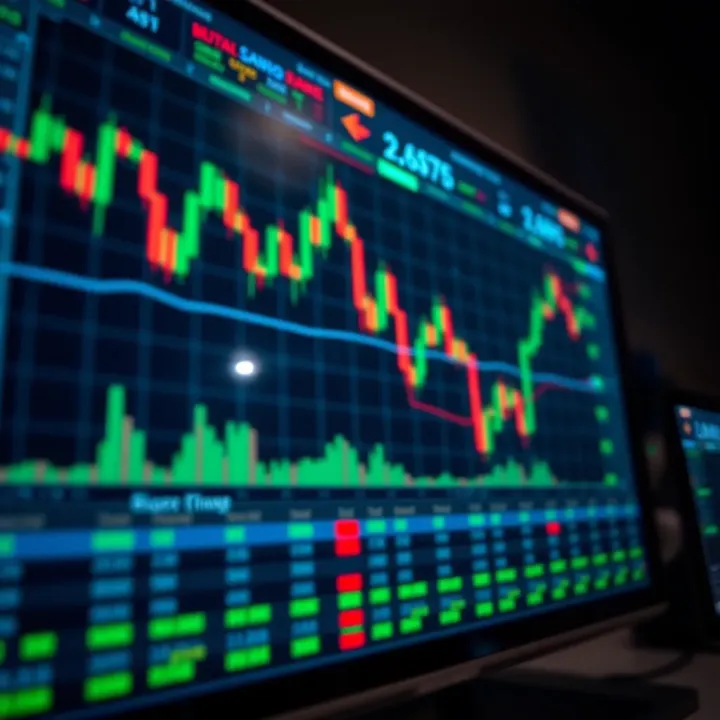
📊 Understand how forex trading works in Kenya ⚖️ Learn market basics, trading tools, and risk management to trade confidently and grow your Kenyan Shilling portfolio 📈
Based on 7 reviews