
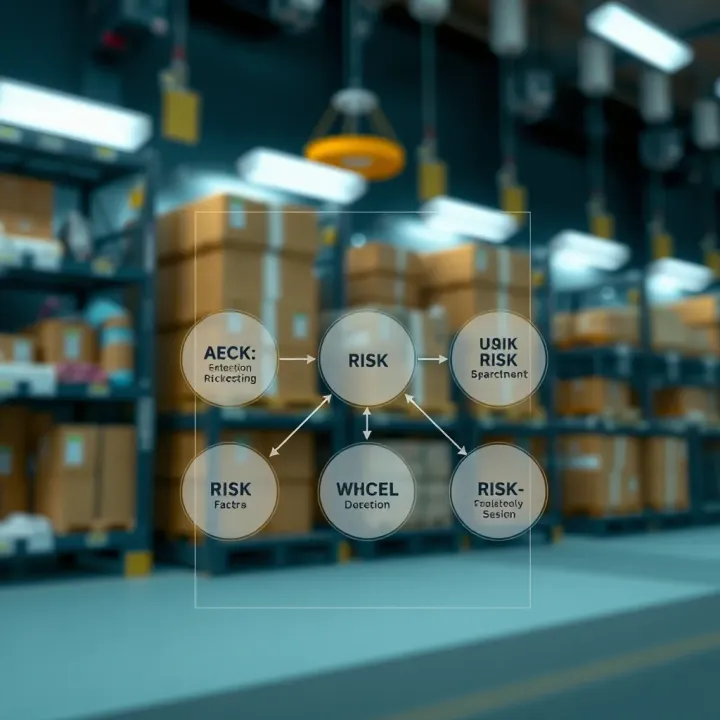
Managing Supply Chain Risks: Practical Strategies
Safeguard your supply chain with practical risk management strategies 🚚📊 Use tech, partner collaboration, and real-time monitoring to handle disruptions in Kenya and beyond.
Edited By
Henry Wallace
Managing risks in supply chains is not just a matter for big corporations—it affects all Kenyan businesses depending on smooth operations and timely deliveries. Disruptions can come from many angles such as delays at the port of Mombasa, matatu strikes affecting road transport, or fluctuations in foreign exchange rates impacting import costs.
Supply chain risk management means recognising these threats early, assessing how they might impact your business, and putting in place measures to lessen those effects. For example, a Nairobi-based exporter might face delays due to customs clearance issues or shortage of skilled truck drivers, risking late shipments and unhappy customers.

Kenyan companies often grapple with infrastructural gaps—poor road networks in counties like Turkana or unreliable electricity supply in parts of Western Kenya—which can cause unexpected downtime. Besides, political tensions during election periods or unexpected regulatory changes can disrupt supply routes or increase compliance costs.
To tackle these challenges, businesses must continuously monitor their supply chains and build strong local partnerships that can provide alternatives when usual suppliers or routes are compromised.
Adopting simple tools like Excel-based risk registers or using localised inventory tracking systems helps firms keep tabs on potential risks. Meanwhile, technology such as GPS tracking for deliveries or mobile payment systems like M-Pesa eases monitoring and payment processes, ensuring smoother vendor and transport management.
Ultimately, understanding local market dynamics combined with practical risk strategies is vital. This prepares Kenyan businesses not just to survive supply disturbances but to serve their customers consistently, preserving revenue and competitiveness.
In the following sections, we will explore specific risk sources, hands-on assessment methods, and tailored strategies appropriate for Kenya’s economic and infrastructural environment to help you guard your supply chain effectively.
Grasping the risks tied to supply chains in Kenya is not just useful—it’s essential for businesses aiming to stay afloat and competitive. Kenyan businesses face unique challenges, from heavy reliance on road transport vulnerable to traffic snarls and roadworks, to navigating a dynamic regulatory environment. Knowing these risks helps traders, investors, and finance professionals anticipate problems that can disrupt supply, impact costs, or even halt operations.
Operational delays are commonplace in Kenya's supply chains, often triggered by congested transport hubs like Mombasa port or unpredictable matatu strikes along major corridors. For example, a trader importing goods may experience weeks-long delays if the container clears customs slowly due to manual paperwork errors or equipment failure. These setbacks translate directly into missed sales opportunities and idle capital.
Political dynamics, including election periods or shifts in government policies, can affect supply chain stability. Regulatory changes such as new import tariffs or VAT adjustments by the Kenya Revenue Authority (KRA) can unexpectedly raise costs or require procedural changes. Recently, tighter compliance rules around product standards have delayed clearance for some goods, catching businesses unprepared and hurting margins.
Flooding during Kenya’s long rains can wash out roads, isolate rural suppliers, and disrupt delivery schedules. For example, parts of Western Kenya often get cut off, affecting sugarcane transport to factories. These weather events directly increase transport costs and delay replenishment, forcing businesses to rethink their logistics and stock strategies.
Supplier reliability remains a concern, as many Kenyan businesses depend on a few key suppliers who sometimes struggle with quality consistency or timely delivery. A Nairobi-based electronics retailer, for example, reported losses when a main supplier failed to deliver phone stocks before the festive season. Such risks highlight the need to vet suppliers properly and seek diversification.
With digital tools becoming common in Kenyan supply chains—like M-Pesa payments and eCitizen procurement portals—cyber threats have increased. Hacking attempts targeting payment systems or sensitive supplier data can disrupt operations or lead to financial losses. Businesses must protect their digital infrastructure to maintain trust and operational continuity.
Any supply chain disruption directly drains cash flow. For instance, a wholesaler facing delayed deliveries may lose customers to competitors or have to pay premiums for emergency shipments. These add up quickly, especially when small margins are typical.
Interruptions in supply chains can snowball into severe financial strain, affecting both operational costs and long-term profitability.
For Kenyan businesses, maintaining a good reputation for timely delivery is vital. Clients and partners expect dependable service, whether in Nairobi’s fast-paced market or outlying counties. Consistent delays or cancellations can erode trust, leading to lost contracts or bad reviews, which are hard to repair.
Reacting to sudden disruptions often means paying more—be it for last-minute freight, extra storage, or overtime labour. These emergency costs usually exceed normal operating expenses by a wide margin. Kenyan firms without a contingency plan face steep bills and stress when incidents occur.
Understanding these risks is the first step Kenyan businesses must take to build a resilient supply chain that can withstand local hurdles and remain competitive in a demanding market.
Assessing and monitoring supply chain vulnerabilities is key for Kenyan businesses to anticipate weaknesses before they escalate into disruptions. Without proper evaluation, small glitches like a late supplier delivery or regulatory hiccup can snowball into costly delays or loss of customer trust. A hands-on approach to identifying risks and keeping them under watch helps businesses stay nimble and react quickly to changes in the supply environment.
Conducting thorough supplier audits is one of the most practical steps in spotting potential risks early. These audits involve on-site visits or virtual reviews assessing a supplier's capacity, quality control, financial health, and compliance with Kenyan legal standards. For instance, a Nairobi-based assembling firm once uncovered through an audit that a key supplier was struggling with delayed raw material deliveries due to cash flow issues. This early warning gave the company time to look for alternative sources before production halted.
Creating a detailed map of the supply chain highlights all the participants, processes, and transport routes involved from raw material suppliers to the final customer. Mapping shows hidden dependencies and bottlenecks, such as reliance on a single port or a single-source supplier. Kenyan businesses that map their entire supply chain can spot where risks cluster, be it in coastal logistics at Mombasa or last-mile delivery challenges within Nairobi’s traffic-choked roads. This clarity helps target prevention efforts where they are needed most.
Reviewing past disruptions, market changes, and operational data can reveal patterns that indicate weak points in the supply chain. For example, if data shows a spike in transport delays during Kenya’s long rainy season or increased fuel prices altering shipping costs, businesses can prepare to mitigate these issues proactively. This approach also helps in budgeting for risk management and avoiding surprises.
This technique involves gathering expert opinions, employee insights, and supplier feedback to categorize risks by likelihood and impact without heavy calculations. For a Kenyan SME, a focus group with procurement staff might highlight concerns about customs delays or import duties that quantitative analysis may overlook. Qualitative analysis sets a practical foundation where subjective yet experienced inputs shape priorities.

This method uses numbers and statistical tools to measure risk exposure. Businesses may calculate potential financial losses from supply interruptions or use probability models to estimate disruption frequency. For instance, a retail chain analysing sales data against supplier performance can assign cost values to late deliveries, guiding investment in buffer stocks accordingly. Although it requires more data and expertise, quantitative analysis offers measurable insights for decision-making.
Planning for various "what-if" situations lets businesses test how their supply chains hold up under stress. For example, a Kenyan manufacturer might model the impact of a partial port closure in Mombasa or a spike in fuel prices to see how resilient their plans are. Stress testing exposes vulnerabilities and prepares the company to respond rapidly when disruptions happen, reducing downtime and losses.
Early warning systems gather and analyse data continuously to flag potential risks before they affect operations. These can include alerts from weather services during the rainy season, updates on political developments, or real-time logistics tracking. Kenyan businesses using such systems get valuable lead time to adjust shipments or switch suppliers as needed.
Monitoring suppliers regularly helps maintain standards and detect emerging risks. KPIs like delivery punctuality, quality problems, and responsiveness provide ongoing feedback. Where performance dips, businesses can act quickly—offering support, renegotiating contracts, or looking for alternatives—to avoid surprises that disrupt supply.
Kenya’s supply chains can be affected by shifts in government policy, trade regulations, or political unrest. Staying updated via news, government announcements, and trade associations helps businesses anticipate changes and comply with new rules. For example, tracking updates from Kenya Revenue Authority on import duties can prevent customs clearance delays.
Continuous assessment and monitoring turn supply chain vulnerabilities from hidden dangers into manageable risks, positioning Kenyan businesses to maintain smooth operations even amid uncertainty.
Reducing supply chain risks calls for practical actions that businesses can implement directly. Kenyan companies face unique hurdles like infrastructure gaps, fluctuating regulatory environments, and unpredictable weather patterns. Tackling risks is not just about theory; it's about actions that help keep goods moving smoothly and costs in check. From supplier choices to inventory management, effective strategies protect operations against disruptions.
Relying on both local and international suppliers spreads risk and offers flexibility. For example, a Nairobi-based retailer sourcing mangoes locally cushions against port delays or import paperwork, while sourcing packaging materials from abroad ensures quality and cost benefits. Local suppliers offer faster response times and lower transport costs, but may have limited capacity or be vulnerable to local risks like drought. International suppliers can bring competitive prices or specialised goods but add complexity and risk from customs, currency fluctuations, or longer transit times.
Kenyan businesses should evaluate supplier options by considering factors such as lead time, political stability, and reliability. For instance, a manufacturer might keep a local backup supplier ready to step in if international shipments stall. This supplier mix helps smooth operations by balancing cost, quality, and supply reliability.
Using more than one transport route or mode also limits disruption risks. A company transporting goods only by road on the Nairobi-Mombasa highway might face delays during rainy seasons or security issues in certain areas. Introducing rail transport, such as using the Standard Gauge Railway (SGR), offers an alternative corridor that can be more predictable.
Similarly, switching between road, rail, and inland container depots near ports can help businesses avoid bottlenecks. For example, a firm might choose to import goods through both Mombasa and Kisumu ports, depending on situation, to avoid total halt if one is congested. This flexibility is critical to handle unexpected roadblocks, strikes, or natural disasters affecting transport channels.
Well-drafted contracts reduce misunderstandings and provide a strong foundation for collaboration. Clear terms on delivery schedules, quality standards, and penalties for delays help keep suppliers accountable. In Kenya, contracts should also consider local factors like currency volatility and regulatory compliance to avoid surprises.
Explicit agreements mean suppliers know what's expected and can plan accordingly. This clarity prevents costly disputes that might disrupt the supply chain. For instance, during the festive season, retailers often set clear minimum stock levels with suppliers to meet increased demand.
Consistent dialogue builds trust and quickens problem-solving. Kenyan businesses benefit from frequent check-ins and performance reviews with suppliers, which catch issues early. For example, a beverage company working hand-in-hand with sugarcane farmers can anticipate harvest delays and adjust ordering accordingly.
Collaborative planning, sharing demand forecasts, and joint reviews create partnership rather than a simple buyer-seller relationship. This approach encourages suppliers to invest in quality and reliability, improving overall supply chain stability.
Investing in supplier capacity strengthens supply chain resilience. Kenyan firms that provide training, technical assistance, or financial support to small-scale suppliers help them improve quality and delivery. A textile company supporting local cotton farmers with better seeds and agronomic advice can secure more consistent raw materials.
This approach builds loyalty and reduces the chance a key supplier fails or quits. Often, supporting suppliers allows for better compliance with standards and regulatory requirements, cutting risk further.
Maintaining a buffer stock helps businesses absorb shocks from supply interruptions. Kenyan companies often keep safety stock especially for critical items prone to delays during heavy rains or strikes. For example, a supermarket chain might hold extra non-perishable goods to avoid empty shelves when deliveries slow down.
Safety stock has costs but protects revenue by ensuring continuous sales and customer satisfaction. Firms should balance stock levels against carrying costs, considering Kenyan market seasonality and supply risks.
Preparedness for disruptions keeps operations running with minimal downtime. Kenyan businesses should have clear emergency plans covering supplier failure, transport blockages, or harsh weather events. These plans define roles, steps, and communication protocols, speeding up recovery.
For example, a manufacturer might have agreements with alternative transport providers or temporary suppliers to activate during crises. Simulated drills help teams understand their roles when things go wrong.
Adapting supply chains to be flexible supports quick change without losing momentum. For instance, businesses can use modular production or multiple warehouse locations within Kenya to reroute goods as needed. This flexibility allows shifting production or storage depending on demand or risk patterns.
Having the ability to scale operations up or down and switching suppliers or routes quickly makes the supply chain more resilient. Kenyan businesses that design for flexibility fare better against unpredictable disruptions and changing market conditions.
Practical steps such as supplier diversification, clear communication, and thoughtful stock policies make supply chains more secure in Kenya's dynamic environment. These strategies help businesses keep shelves full and customers happy despite inevitable challenges.
Technology plays a significant part in strengthening supply chain security for Kenyan businesses. It provides tools that detect risks early, improves transparency, and streamlines responses to disruptions. By adopting appropriate technology, companies can reduce costly delays and safeguard their operations against unexpected challenges.
Supply Chain Management (SCM) software helps businesses track every step in the supply chain, from raw materials to end customers. In the Kenyan context, this can mean monitoring inventory levels at warehouses in Nairobi or tracking consignments arriving at Mombasa port. These systems enable firms to spot potential delays or bottlenecks quickly. For example, a trader using SCM software can get alerts if a supplier fails to deliver on time or if stock levels dip below safety limits. This visibility helps Kenyan businesses react before problems escalate.
Data analytics tools process information from various points in the supply chain to identify patterns and forecast future risks. Kenyan businesses can use predictive models to anticipate disruptions caused by seasonal weather or transport strikes common in the region. For instance, a manufacturer might analyse past delivery delays linked to the rainy season to adjust orders proactively. These insights help reduce surprises and enable smarter decision-making under uncertain conditions.
Real-time tracking through Internet of Things (IoT) devices gives timely updates on goods while in transit. GPS trackers attached to shipping containers or trucks provide exact locations, helping logistics managers monitor shipments from the port to the retail outlets. This is vital in Kenya, where road conditions or security concerns can affect delivery times. IoT sensors also monitor temperature or humidity for sensitive products like pharmaceuticals, ensuring quality is maintained. Overall, real-time data supports swift interventions when things don’t go as planned.
Automation reduces manual errors and speeds up information flow in the supply chain. Blockchain technology adds an extra layer by creating a permanent digital record of transactions visible to all authorised parties. Kenyan businesses, especially those exporting agricultural produce, can use blockchain to trace goods back to the farm level. This strengthens trust with buyers by confirming product origin and handling history. More transparency also helps detect suspicious activities that could compromise the supply chain.
Blockchain’s decentralised ledger makes it difficult to alter records fraudulently, reducing risks of tampering or false documentation. Automated processes cut down human mistakes in data entry and inventory management. For Kenyan firms, this means fewer issues like overbilling or missing consignments. As a result, companies can save money and protect their reputations against errors or dishonest practices.
Automation and blockchain allow faster detection and communication when something goes wrong. For example, if a shipment gets delayed due to a strike at the port, affected parties instantly receive notifications through integrated systems. This speeds up contingency actions such as sourcing alternative suppliers or rerouting deliveries. In Kenya’s dynamic market, quick response is essential to prevent minor hiccups from turning into major losses.
Using technology smartly doesn’t just safeguard the supply chain; it creates a competitive edge by enhancing reliability and customer confidence.
Kenyan businesses that embrace digital tools, automation, and blockchain stand a better chance against supply chain disruptions, which remain a common challenge in this environment.
Collaborative practices are essential for Kenyan businesses aiming to build robust supply chains. Working together, whether with government agencies, fellow companies, or local communities, spreads risk and boosts the capacity to handle disruptions. In Kenya's complex economic and infrastructure landscape, joint efforts improve reliability and open doors to shared resources and knowledge.
Kenyan businesses must comply with local laws and industry standards to avoid legal problems that could disrupt their supply chains. This includes adhering to regulations from bodies like the Kenya Bureau of Standards (KEBS) and ensuring all goods meet quality and safety requirements. For example, a food processing company that ignores sanitary regulations risks shipment delays or refusals, leading to losses.
Besides meeting standards, staying updated with new policies helps businesses prepare and adjust swiftly. Knowing import/export requirements or tax regulations through KRA (Kenya Revenue Authority) avoids unexpected holds at customs, which can severely affect delivery timelines.
Involving themselves in policy discussions gives businesses a better chance to influence regulations affecting their operations. For instance, participating in consultations with the Ministry of Industry, Trade and Cooperatives helps firms voice challenges, especially regarding infrastructure or tariffs.
Such engagement also builds goodwill with authorities, facilitating smoother approvals and licensing. When businesses contribute insights, policies tend to become more practical and supportive of local trade realities, which in turn strengthens the overall supply chain environment.
Collaborating with other firms to manage risks can reduce individual vulnerabilities. Kenyan businesses sometimes form consortia to jointly address logistics challenges like transport delays or security risks along common routes. For example, several Nairobi-based distributors might share warehousing facilities to ensure stock availability during peak seasons or disruptions.
Sharing information on supplier defaults or market shifts quickly alerts partners, allowing pre-emptive action. This collective approach reduces costs and increases resilience for all parties involved.
Kenyan companies often face infrastructure gaps, such as poor roads or unreliable power, which affect supply chain reliability. Pooling funds to improve shared infrastructure, like upgrading a rural access road or installing backup power at a key depot, benefits multiple businesses.
These joint investments lower operational costs and improve consistency of supply. An example would be agribusinesses in a county joining to finance cold storage facilities, protecting perishable goods during distribution.
Engaging and developing local suppliers strengthens the supply chain by reducing dependency on distant sources. When Kenyan companies source raw materials or services locally, they cut transport costs and lower lead times. This also helps the wider community grow economically.
Businesses can support local suppliers through training or providing predictable orders, which boosts quality and reliability. For instance, a textile manufacturer in Kisumu working closely with local cotton farmers ensures steady supply and benefits from quicker response to demand changes.
Strong local networks foster information sharing and mutual aid during disruptions. In times of flood or strikes affecting transport, local partnerships help reroute deliveries or find alternative suppliers.
These close connections also encourage cooperative problem-solving. In practice, a group of SMEs in Mombasa might coordinate orders or share transport resources to weather fuel shortages, reducing individual risk and maintaining customer service.
Collaborative efforts in supply chains create a safety net that businesses can rely on, especially in Kenya’s dynamic trading environment. By working together, Kenyan firms build more durable, responsive, and cost-effective supply chains.
Safeguard your supply chain with practical risk management strategies 🚚📊 Use tech, partner collaboration, and real-time monitoring to handle disruptions in Kenya and beyond.

Explore binary trading in Kenya 📈: learn how it works, spot the risks ⚠️, understand Kenya's regulations, and get tips for smarter trading choices.

Discover if binary trading is legit in Kenya 🇰🇪, learn about risks, scams, regulations, and get advice to trade smartly with KSh safely 💼📉📈
Is forex trading just gambling? 🧐 Discover key differences, risks, and strategies to trade smartly in Kenya's regulated market. Avoid common pitfalls today! 📉💡
Based on 14 reviews