
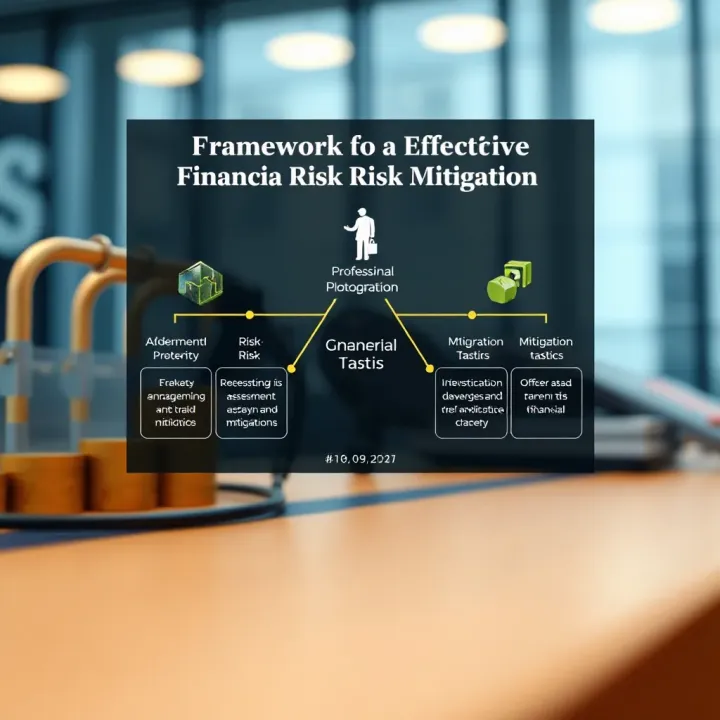
Financial Risk Management Strategies for Kenyan Businesses
Manage financial risks like a pro! Learn key strategies and practical tips tailored for Kenyan businesses to identify, assess, and reduce financial losses 📉💼
Edited By
Isabella Grant
Risk management plays a key role in shaping the financial performance of businesses across Kenya. In an environment where economic shifts, regulatory changes, and digital disruptions are common, managing risks effectively can mean the difference between steady growth and sudden losses.
Kenyan businesses face a unique set of financial risks ranging from market volatility to credit defaults and emerging cyber threats. For example, a Nairobi-based exporter may struggle with shifting foreign exchange rates, while a local retailer risks losses from theft or supply chain disruptions. Understanding these risks helps firms take targeted steps to reduce their impact.

Identifying and assessing risks is the first vital step. Businesses should establish clear risk registers that catalogue potential threats and their likelihood. Quantitative tools like Value at Risk (VaR) can estimate potential financial losses under different scenarios, but simple cash flow forecasts and scenario analysis often provide practical insights too.
"A well-maintained risk register can uncover hidden vulnerabilities that otherwise go unnoticed, enabling proactive management rather than reactive damage control."
Once risks are understood, control strategies are vital. These include:
Diversification: Spreading investments or suppliers to avoid over-reliance on one source.
Insurance: Protecting against unpredictable events like theft or fire using tailored insurance policies from firms such as CIC or Jubilee.
Strong credit controls: Regularly vetting clients and setting clear repayment terms to reduce default risk.
Cybersecurity upgrades: Deploying updated firewalls and employee training to guard against cyberattacks, especially crucial as digital payments like M-Pesa grow.
Corporate governance frameworks strengthen risk management by setting clear accountability. Boards and finance teams should regularly review risk reports and adjust strategies accordingly.
In Kenya’s evolving business scene, firms that integrate practical risk management with financial planning tend to maintain stronger balance sheets and attract investment more easily. Traders, analysts, and finance professionals can advise clients better when they understand how risk management supports sustainable growth.
By focusing on clear risk assessment, targeted controls, and sound governance, Kenyan businesses can boost their financial health even amid uncertainty.
Kenyan businesses operate in environments often marked by economic fluctuations, regulatory changes, and competitive pressures. Understanding financial risks and their impact helps businesses anticipate challenges and make informed decisions that protect their financial health. This knowledge is critical for traders, investors, and finance professionals aiming to safeguard profits and maintain steady cash flow.
Market risk refers to potential losses due to changes in market conditions such as commodity prices, foreign exchange rates, or interest rates. For example, a tea exporter in Kericho may face price volatility in global tea markets, which directly affects revenue. Similarly, fluctuations in the Kenya shilling against the dollar can raise costs for businesses importing raw materials, squeezing profit margins.
Credit risk arises when customers or business partners fail to meet their payment obligations. Kenyan SMEs often sell goods on credit to build relationships, but this exposes them to delays or defaults. For instance, a Nairobi-based supplier selling to local retailers might struggle to collect payments during economic slowdowns, impacting its working capital and ability to pay suppliers on time.
Liquidity risk concerns the ability to meet short-term financial demands. Even profitable businesses can face trouble if cash is tied up in inventory or outstanding debts. For example, a manufacturer in Mombasa may have large orders but insufficient cash to buy raw materials or pay workers promptly, causing production delays and lost sales.
Operational risks come from internal failures such as fraud, system breakdowns, or human error. In Kenya’s context, power outages or unreliable internet can disrupt business operations, especially for financial institutions reliant on digital platforms. Businesses like mobile money agents face operational risks when systems fail, affecting customer trust and financial performance.
Financial risks can create unpredictable swings in revenue and increase operating costs. Market risks may reduce sales volumes or force price cuts, while credit risks lead to unpaid invoices that drain resources. Likewise, operational disruptions require businesses to spend more on repairs or security measures, raising overall costs.
Managing these risks effectively helps stabilise revenue streams and control expenses, which are vital for sustainable growth.
Profit margins suffer when risks lead to unforeseen expenses or lost sales. Liquidity problems restrict a business’s ability to seize new opportunities or meet obligations promptly, causing a domino effect on suppliers and employees. Sound risk management improves cash flow predictability, allowing Kenyan firms to plan investments and payroll with confidence.
In practice, a well-managed business anticipates these risks and adopts strategies — such as diversifying markets or enforcing strict credit controls — that buffer against financial shocks. This keeps profitability intact even when challenges arise.
Kenyan businesses must first spot and understand their financial risks before they can manage them effectively. The process starts with identifying where risks lurk and then assessing how serious each risk is. This approach allows firms to prioritise threats and apply suitable controls, helping them safeguard profits and sustain growth.
Internal financial audits provide a structured way to examine a company’s accounts, processes, and controls. Kenyan enterprises—whether a small manufacturer in Kisumu or a medium-sized tech firm in Nairobi—benefit by catching inconsistencies, fraud, or inefficiencies early. These audits reveal hidden liabilities or cash flow issues that might otherwise drain resources. Regular internal audits also ensure compliance with local taxation and regulatory requirements, safeguarding businesses from fines or penalties.
Understanding market risks starts with thorough market analysis. This involves studying trends in demand, competitor moves, and changes in consumer behaviour—important for businesses exposed to fluctuating commodity prices or import costs. For example, a retailer in Mombasa might analyse how the rainy season affects sales of agricultural products or how currency fluctuations impact supplier pricing. Market analysis helps predict risks tied to shifting economic or political climates, enabling strategic planning ahead of shocks.
Many Kenyan businesses extend credit to customers, which can be a source of financial risk. Credit evaluations assess the likelihood of clients paying on time. Using credit scoring, past payment history checks, and references, firms reduce the chance of bad debts. A local construction company, for instance, may perform due diligence before agreeing to a large contract with a new client, preventing losses from delayed payments or defaults.

Quantitative methods assign numbers to risks, helping firms understand potential losses. This might involve calculating the probability of default or measuring volatility in sales figures. A Nairobi-based exporter, for example, could quantify currency risk by modelling the impact of shilling fluctuations on revenues. These figures guide budgeting and capital allocation, making resource use more efficient.
Not all risks easily fit into numbers. Qualitative analysis uses expert judgement, interviews, and scenario planning to gauge risk impact and likelihood. For instance, a jua kali artisan might assess risks of equipment theft or supply shortages through observation and community insight. Such analysis complements quantitative data by covering softer but important risks, such as reputational harm or regulatory changes, that affect long-term financial health.
Identifying and assessing financial risks with a blend of data-driven methods and local knowledge equips Kenyan businesses to act decisively in a changing economic environment.
By combining tools like internal audits, market insights, and credit checks with both quantitative and qualitative assessments, firms build a solid foundation for managing risk that ultimately improves financial performance.
Managing financial risks is essential for Kenyan businesses aiming to protect their assets and enhance profitability. Effective techniques help companies handle uncertainties such as fluctuating markets, unstable cash flow, or unexpected costs. By applying practical risk management methods, businesses can reduce the impact of financial shocks and maintain steady growth.
Diversification of Investments
Diversifying investments means spreading capital across different assets to reduce the chance of loss if one investment underperforms. In Kenya, a business might balance investments between real estate in Nairobi, stock holdings on the NSE (Nairobi Securities Exchange), and government bonds. Rather than relying on one sector, this approach lowers exposure to local shocks like fluctuating real estate prices or sector downturns.
A farmer running both maize and sukuma wiki farming alongside some poultry business is also practising diversification. If maize prices crash or weather affects the crops, income from poultry or vegetables may cushion the blow. This practical approach limits loss and can stabilise returns over time.
Liquidity Management
Maintaining enough liquid assets ensures a business can meet short-term financial obligations without scrambling for emergency funds. For example, a retail shop in Mombasa might keep sufficient cash or easily accessible bank funds to pay suppliers promptly during demand spikes. Without proper liquidity management, even profitable businesses might struggle with daily operations.
In Kenya, unpredictable market conditions and seasonal cash flows (like school fees or festive season sales) make liquidity management vital. Tools like quick M-Pesa payments and bank overdrafts can help smoothen cash flow gaps, avoiding costly delays or higher borrowing costs.
Cost Control Measures
Keeping a firm grip on expenses prevents erosion of profits and improves financial resilience. Kenyan SMEs often face price volatility in inputs like petrol or raw materials. Carefully monitoring and reducing unnecessary costs—for instance, negotiating better deals on fuel or switching to affordable local suppliers—can sustain margins.
Implementing cost control also means reviewing overheads, such as electricity bills or rent, and cutting wasteful spending without harming core functions. These practices free up funds to reinvest in business or buffer against downturns.
Insurance Policies
Insurance transfers certain risks to third-party companies, protecting businesses from large, unexpected losses. For instance, a Nairobi-based manufacturer might take insurance covering fire, theft, or equipment breakdown. If disaster strikes, insurance payouts can cover repairs or replacements, keeping the business afloat.
With growing commercial risks in Kenya, investing in appropriate insurance policies like public liability or business interruption insurance is increasingly practical. It helps businesses avoid draining their capital reserves for chance incidents.
Hedging Instruments
Hedging involves using financial contracts to protect against price or currency fluctuations. Kenyan companies that import raw materials priced in dollars, for example, may use forward contracts to lock in exchange rates, avoiding losses when the shilling weakens.
Though more common among larger firms or export businesses, small investors can also benefit by engaging banks or brokers offering hedging products tailored to their exposure. Careful use of these instruments helps stabilise costs and revenues in a volatile market.
Mastering these financial risk management techniques allows Kenyan businesses to build steadier operations, stay competitive, and protect themselves from shocks that could otherwise derail growth and profitability.
Kenyan businesses operate in a fast-changing environment with fluctuating markets, regulatory shifts, and unpredictable external shocks. Managing financial risk directly affects a company's bottom line by reducing unexpected losses and smoothing income fluctuations. It’s not just about avoiding losses; risk management can boost profitability by making business operations more resilient and cost-efficient.
A practical approach to risk management involves early identification, thorough assessment, and timely control measures. For instance, effective credit risk management ensures that receivables are collected promptly, supporting healthier cash flow and better investment decisions. This connection between risk control and financial performance is especially critical for SMEs and larger enterprises alike, where managing working capital can determine survival during tough economic periods.
Maintaining steady earnings is a key benefit of managing risks well. Unexpected disruptions—such as currency swings, supply chain delays, or customer defaults—can cause profits to dip or become erratic. Kenyan exporters, for example, who deal with shifting forex rates, can use forward contracts or currency swaps to reduce exposure. This approach prevents large profit swings caused by adverse currency movements.
In practical terms, stable earnings make business planning and budgeting much easier. When businesses know their likely revenue, they can invest confidently in expansion or improvements without over-borrowing. Consistent profitability also attracts investors and lenders, making finance more accessible.
Safeguarding assets is another crucial way risk management improves financial performance. Assets include physical property, equipment, and financial investments. For example, a maize miller in Eldoret who implements comprehensive insurance covers machinery breakdown and theft, limiting potential losses that could halt operations.
Additionally, protecting intangible assets like brand reputation ensures long-term value. Firms that monitor operational risks and maintain high standards reduce the chances of costly lawsuits or fines, especially in regulated sectors like banking or telecommunications.
Safaricom offers a solid example of using risk management to strengthen financial performance. By closely monitoring market changes and regulatory compliance, it has kept steady revenues despite stiff competition. Their use of diversified products, including M-Pesa and data services, helps spread risk across sectors, protecting overall earnings.
Similarly, East African Breweries Limited (EABL) manages financial risks by hedging against currency fluctuations and maintaining strong credit controls. This has helped them stay profitable even when inflation spikes or raw material prices climb.
On the flip side, failures in risk management have cost Kenyan businesses dearly. Some firms in the jua kali sector, lacking formal financial controls, have lost significant capital through theft or poor credit decisions. For instance, a furniture manufacturer in Nairobi collapsed after extending large credit to unreliable customers without proper assessment.
Financial institutions that underestimated cyber risks have also faced serious losses. Lack of investment in IT security led to fraud cases, shaking customer confidence and forcing costly remediation.
In Kenya, good risk management isn’t just a compliance tick-box—it’s a practical tool that directly supports business growth and financial health.
Proper risk oversight balances protecting what you have and pushing for profit, making Kenyan enterprises stronger in uncertain times.
Effective governance and compliance form the backbone of sound risk management for Kenyan businesses. They ensure that financial risks are not just identified but are actively controlled and monitored through structured processes. When a company embraces clear governance and adheres to regulatory requirements, it builds trust with investors, clients, and regulators, which in turn protects its financial performance.
Board oversight is a critical element of corporate governance that shapes how financial risks are managed within a company. The board of directors sets the tone at the top, ensuring that management implements effective risk policies and internal control systems. For example, a Kenyan manufacturing firm with active board involvement may regularly review financial reports and risk exposure, enabling timely interventions before small issues spiral into losses.
In practice, boards often establish specialised committees such as audit or risk committees. These groups scrutinise financial risks, compliance gaps, and risk mitigation strategies, holding management accountable. Without this layer of oversight, companies risk blind spots that can lead to poor financial decisions or regulatory penalties.
Clear risk policies provide a roadmap for managing financial uncertainty. These policies define acceptable risk levels and outline procedures for identification, measurement, and response. In Kenyan commercial banks, for instance, risk policies guide lending decisions, ensuring credit risks are kept within acceptable limits to avoid high default rates.
Accountability ensures these policies are not mere documents but actively followed. Assigning specific officers or units responsibility for different risks encourages ownership and prompt action when issues arise. A trader in Nairobi's bustling securities market might have a dedicated risk manager who monitors market fluctuations and advises on hedging strategies, reducing potential losses.
Kenyan businesses must comply with standards set by the Kenya Revenue Authority (KRA) and the Capital Markets Authority (CMA). Tax compliance through KRA ensures businesses avoid fines that could hurt cash flow and profitability. Meanwhile, CMA regulations require listed firms to maintain transparency and manage financial risks effectively.
For example, companies listed on the Nairobi Securities Exchange (NSE) must disclose material risks regularly, improving investor confidence. Non-compliance can lead to penalties or suspension, which disrupts operations and damages reputation.
The Central Bank of Kenya (CBK) plays a significant role in financial risk management, especially for banks and financial institutions. CBK’s prudential guidelines set limits on exposures such as loans to specific sectors or large borrowers, helping contain credit risks.
Additionally, CBK's regulation of liquidity ensures institutions maintain enough cash reserves, preventing sudden failures that would affect the economy at large. For SME financiers in Kenya, adherence to CBK rules often means adjusting lending criteria or interest rates to remain compliant while managing risk responsibly.
Strong governance coupled with clear compliance not only safeguards assets but also secures sustainable financial performance. Kenyan businesses that integrate these frameworks tend to weather uncertainties better and attract more investment.
Kenyan businesses today face new challenges that can disrupt financial stability if not addressed early. Emerging risks like digital threats and economic shifts demand fresh approaches to risk management. Keeping an eye on these trends helps businesses avoid surprises and remain competitive.
With M-Pesa and other mobile money platforms dominating payments, online transaction risks have risen sharply. Fraudsters exploit weaknesses in digital systems, targeting both businesses and customers. For instance, fake payment confirmations or phishing attacks seeking login details can cause loss of funds or mistrust among clients. Digital payment scams are not limited to large firms; even small retailers face risks when accepting mobile payments without proper verification.
Protecting financial data and digital transactions calls for strong cybersecurity measures. Kenyan businesses can start by training staff about phishing attempts and suspicious activities. Using multi-factor authentication, regular software updates, and limiting access to sensitive systems reduces vulnerability. Banks and payment platforms also offer fraud detection tools that alert users of unusual account behaviour. These practical steps minimise risks and help maintain customer confidence in an increasingly digital economy.
Kenya often experiences inflation spikes and shilling volatility, affecting costs and revenue. Rising prices for imported equipment or fuel ripple through business operations, squeezing profit margins. Firms must monitor inflation trends closely and adjust pricing or sourcing strategies accordingly. For example, a manufacturer relying heavily on imported raw materials might renegotiate contracts to hedge against shilling depreciation, or source more locally to cut costs.
The informal jua kali sector and SMEs represent a large part of Kenya’s economy but are particularly vulnerable to economic shocks. Limited access to credit and weak financial controls increase their exposure to cash flow problems or defaults. Risk management here includes budgeting carefully, keeping clear records, and utilising government or NGO support programs offering training and financing. For example, a small boda boda operator managing fuel costs and maintenance carefully avoids sudden breakdowns that could threaten income.
Anticipating these emerging risks and adapting risk strategies ensures Kenyan businesses can sustain financial health, even as market conditions change rapidly.
Keep digital security updated with latest tools
Regularly review prices and supplier options
Engage with sector-specific support programmes
By focusing on these areas, traders, investors, and finance professionals in Kenya can better safeguard their investments and businesses against uncertainties ahead.
Manage financial risks like a pro! Learn key strategies and practical tips tailored for Kenyan businesses to identify, assess, and reduce financial losses 📉💼

Discover how effective risk management shields Kenyan businesses from financial loss, ensures regulatory compliance, and strengthens operations against common threats 📊📉

🔍 Learn strategic risk management to help Kenyan organisations spot and handle risks affecting long-term goals. Discover practical steps, leadership roles, and best practices.

📊 Understand risk management, its types, and methods to handle business and everyday risks in Kenya. Learn practical tips to protect your interests locally.
Based on 5 reviews