

Financial Risk Management Guide for Kenya
📊 Explore key financial risk management concepts and tools to pinpoint, assess, and control risks. Essential insights for Kenya's professionals and businesses.
Edited By
Isabella Grant
In business and finance, managing risk isn't just a box to tick—it’s a necessity. Risks can come from unpredictable markets, legal challenges, or even operational hiccups. Without clear steps to manage these risks, losses can quickly pile up, threatening your goals. This guide breaks down the practical steps of the risk management process, helping traders, investors, and analysts make sound decisions that shield their investments.
Risk management helps identify threats early before they spiral out of control. It’s not about avoiding all risk but understanding which ones can harm your business and finding ways to deal with them smartly. For example, a trader might spot a currency fluctuation risk and use hedging to reduce exposure, while a broker may focus on compliance risks that could attract hefty fines.
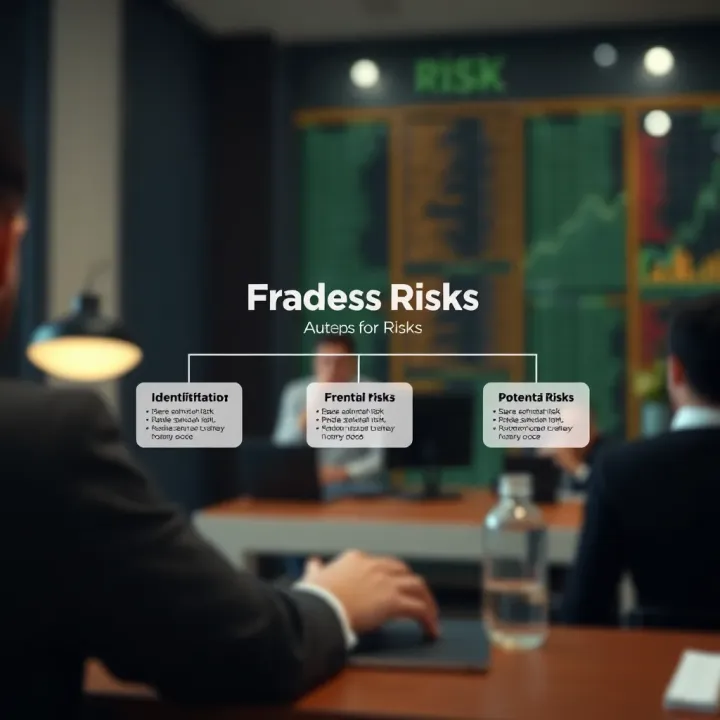
Organising risk management into clear, step-by-step actions makes it easier to implement and track. These steps are generally:
Risk identification
Risk assessment or analysis
Risk prioritisation
Risk control or mitigation
Monitoring and review
Each stage has its role, enabling you to break down complex challenges into manageable parts. Say you’re juggling portfolio risks; assessing the likelihood and impact of market shifts helps you decide which positions to adjust or hold.
Effective risk management builds confidence. It provides a roadmap when markets turn choppy or when unforeseen events like political unrest or changes in regulation hit. Without it, decision-making is guesswork, often costly.
Throughout this guide, you’ll find real-world examples tailored to Kenyan and regional contexts, such as dealing with matatu sector regulatory changes or M-Pesa system outages. Understanding these steps means you can anticipate challenges better and safeguard your investments, whether you’re managing funds on the NSE or navigating private equity deals.
This practical approach helps you reduce losses, improve planning, and focus energy on growth areas. So, let’s begin by outlining how to spot the risks that matter most to you.
Risk identification is the first and most foundational step in the risk management process. Without properly recognising the risks your business or investments face, it’s impossible to manage them effectively. This step helps traders, investors, and finance professionals understand where the vulnerabilities lie, so they can prepare or avoid potential pitfalls that could erode profits or damage reputations.
Different risks affect businesses and investments in various ways. For instance, market risk refers to losses from price fluctuations, like a sudden drop in NSE shares due to political unrest. Credit risk involves failure of a borrower to repay, common for lenders or bonds investors. Operational risk stems from internal failures, such as a software glitch in an M-Pesa payment system disrupting transactions. Knowing these categories helps pinpoint exactly what to watch out for in your sector.
Early detection tools are crucial. Financial analysts often use trend analysis and scenario simulations to foresee market downturns. In Kenya, tools like daily price monitoring or tracking political developments on trusted media can signal potential turbulence ahead. Additionally, software for real-time portfolio tracking helps flag unusual exposures or clustering which might elevate risk.
Risk identification improves when you include insights from different stakeholders—be they fund managers, traders, compliance officers, or clients. Their on-the-ground experience can reveal emerging risks that data alone might miss, such as sudden regulatory changes or new competitors entering the market. Engaging in workshops or regular meetings fosters a shared understanding and uncovers risks early.
A risk register is a simple but powerful tool. It records identified risks, their descriptions, likelihood, impact, and assigned owners. For example, a portfolio manager might note currency devaluation risk, its expected frequency, and potential losses. This central document helps keep track of risks systematically and supports prioritisation and communication.
Every risk should have a clear owner responsible for monitoring and managing it. Assigning ownership ensures accountability and timely action. If the risk relates to KRA tax compliance, the finance officer might be accountable, while IT-related cyber risks fall under the IT department. Clear ownership prevents risks from falling through the cracks.

Clear, jargon-free language is key when documenting risks. Overly technical descriptions often confuse teams and decision makers unfamiliar with deep finance terms. Instead of saying "exposure to systemic liquidity risk due to macroeconomic shocks," say "our cash flow might be affected if the national economy faces big problems." This ensures everyone understands the risks and can contribute to managing them.
Documenting and sharing risks in an accessible way builds a stronger risk-aware culture and sharpens the focus on managing potential problems before they occur.
Evaluating risks is a critical step that helps traders, investors, and finance professionals understand how different risks could affect their portfolios or business operations. You get to measure not just what could go wrong but also the scale of its impact. This means you can plan better, allocate resources wisely, and avoid scrambling when things don't go as expected.
When analysing risk, the approach often divides into qualitative and quantitative methods. Qualitative methods rely on expert judgment, experience, and descriptive assessments. For example, a financial analyst might rate a political risk in Kenya as "high" based on recent electoral tensions. Quantitative methods use numbers, data, and statistical models — like calculating the probability of a stock price drop using historical volatility. Both methods matter: qualitative analysis adds context, while quantitative gives measurable data.
Risk matrices are handy tools that combine likelihood and consequence in a grid form, making it easier to visualise priorities. For instance, a risk with a high chance but low financial impact may rank differently from a low chance but catastrophic loss risk. Presenting risks this way helps decision-makers quickly see which issues need urgent attention.
Kenya’s unique economic and social environment shapes how risks are evaluated. Factors like fluctuating foreign exchange rates, regulatory changes from bodies like the Capital Markets Authority (CMA), or disruptions by transport strikes (affecting supply chains) must be carefully considered. What might be a low threat elsewhere could be sizeable here due to local dynamics.
Ranking risks helps focus efforts where they matter most. In financial trading, a system outage during peak hours is often more critical than a minor software glitch detected after hours. So, traders rank risks to avoid losing significant sums or client trust. This ranking aids in clear communication and directs managers to allocate attention properly.
Resource allocation is a balancing act — you don’t just throw money or manpower at every risk. If you're running a small investment firm, spending heavily on rare risks with minor impacts might not make sense. Meanwhile, persistent risks, such as interest rate fluctuations, deserve ongoing monitoring. That said, it’s about matching the size of your response to the seriousness of the risk.
Reporting priorities to decision makers is key. Clear, concise reports showing risk ranks, probable losses, and suggested controls enable board members or investors to make informed calls. For example, a report might highlight foreign exchange volatility as a major risk affecting importers and urge the adoption of hedging strategies immediately. Being upfront with facts builds trust and sharpens strategic planning.
Evaluating risks by measuring their likelihood and impact is a practical way to avoid surprises and protect your financial interests. It ensures you’re not just guessing but basing decisions on evidence and local realities.
In sum, evaluating risks equips you to understand where the biggest threats lie, how probable they are, and what their consequences might be in Kenya’s context. This understanding puts you a step ahead in managing risks smartly and protects your investments better.
Planning how to manage risks is a key step that bridges risk assessment and action. Without a proper plan, even well-identified and evaluated risks can spiral out of control. In finance and trading, where market conditions shift fast, having clear strategies to handle risks can save millions and safeguard your reputation.
Avoiding risks where possible means steering clear of activities that could cause harm. For example, an investor might avoid highly volatile stocks during uncertain market periods to protect their portfolio. This doesn’t mean avoiding all risks—rather, it’s about recognising when the potential downsides outweigh possible gains and choosing safer paths accordingly.
Reducing risk through controls involves putting measures in place to lessen the chance or impact of a risk. A trader could, for instance, use stop-loss orders on their positions to cap potential losses. Firms may also apply internal controls like strict approval processes for large investments or enhanced due diligence on counterparties, which helps reduce exposure to fraud or poor deals.
Sharing risk with partners or insurers spreads the burden and ensures that a single party isn’t completely liable. For instance, an investment fund might co-invest with other firms to lower individual financial exposure. Additionally, some risks can be insured—like cyber risk insurance covering losses if a system breach happens. This approach is common in banks and insurance companies operating in Kenya’s regulated environment.
Accepting manageable risks means consciously deciding that certain risks are worth taking given their potential benefit and manageable downside. A broker, for example, might accept small currency fluctuations knowing they can cover any minor losses. These risks are monitored continuously but do not trigger immediate avoidance or control measures.
Setting clear objectives and timelines ensures that risk response actions are purposeful and time-bound. For example, a trading desk aiming to improve compliance with new CMA (Capital Markets Authority) rules would set steps to meet requirements before the deadline. This helps break complex tasks into manageable chunks and avoids last-minute rushes.
Assigning responsibilities makes sure everyone knows their role in implementing risk controls. If a company sets up new software controls to detect suspicious transactions, it should appoint a risk officer responsible for monitoring alerts and staff tasked with follow-up. Clear accountability improves execution and reduces chances of slipping through the cracks.
Integrating plans into daily operations means embedding risk responses into routine activities rather than treating them as extra work. For example, a forex trading team could include risk checks in daily pre-market meetings and reporting protocols. This approach keeps risk management front and centre and helps catch issues early before they escalate.
Successful risk management depends not just on recognising risks but also on practical, well-planned responses. By clearly deciding how to treat risks and embedding these actions into everyday work, traders and investors can protect their gains and build resilience against unforeseen shocks.
This practical approach ensures that risk management is an ongoing process, not a one-off task, helping Nairobi’s finance professionals stay ahead in a dynamic economic environment.
Implementing and monitoring risk management measures marks the phase where plans translate into concrete actions. This step is vital because even the best risk strategy remains theoretical without solid execution. For traders, investors, and finance professionals, actualising controls and then keeping an eye on their performance ensures risks do not slip under the radar, preventing surprises that might cause costly losses.
Communicating roles across teams is about making sure every person involved knows their exact responsibility in managing risks. For instance, in a trading firm, one team may monitor market volatility while another handles compliance checks. Clear communication prevents overlap or gaps, meaning risks get addressed promptly. Imagine a brokerage house where the sales team doesn't know what the risk department is doing—risks might pile up unnoticed. Setting up regular meetings or using shared digital tools helps spread awareness effectively.
Training staff on controls ensures that everyone handling risk controls understands how to operate them correctly. Whether it is learning how to use automated risk monitoring software or understanding when to escalate warning signs, proper training keeps teams sharp. For example, a portfolio manager should know how to interpret key risk reports and when to notify the risk committee. Without training, controls become weak, increasing exposure to losses.
Facing challenges during execution is inevitable. Even well-planned measures can hit obstacles like staff resistance, technical glitches, or unclear procedures. For instance, if a new software for risk assessment slows down transactions, traders may push back. The key is recognising these challenges early and solving them collaboratively. Regular check-ins help identify problems quickly so adjustments can keep operations smooth without compromising risk controls.
Using key risk indicators (KRIs) involves selecting measurable signals that reflect changes in risk levels. For example, a rising value-at-risk (VaR) metric in an investment portfolio shows increased potential losses. KRIs allow professionals to spot trends before they become critical. This way, interventions happen early, rather than after significant damages have occurred.
Regular risk reporting creates a feedback loop that keeps decision-makers informed. Detailed but concise reports summarise current risk positions, control effectiveness, and any incidents. In Kenyan investment firms, monthly risk dashboards shared with senior managers ensure transparency and faster decisions. Regular reporting also builds accountability, reinforcing risk culture.
Adjusting controls based on feedback means risk management is not a one-off activity but a dynamic process. If monitoring shows a control is ineffective or overly restrictive, it should be tweaked. For instance, a credit control that slows loan approvals excessively may need recalibration. Feedback can come from frontline users, audit findings, or risk data. Continuous improvement keeps controls relevant as the market and organisational context changes.
Implementing and monitoring are like the tyres and steering wheel on a vehicle; without them, even the best risk plans cannot reach the destination safely.
By executing risk measures thoughtfully and tracking their impact closely, organisations and finance professionals can safeguard assets and enhance decision-making confidence.
Continuously learning and refining your risk management approach is vital for staying ahead of challenges. In the dynamic business environment, especially in Kenya's evolving markets, risks can change fast due to factors like regulatory shifts or economic swings. Reviewing and improving your risk management process helps keep your strategies sharp and your organisation prepared.
Scheduling regular reviews is about setting fixed times to revisit your risk assessments. For instance, a Kenyan agribusiness might review risks quarterly to factor in seasonal weather changes. Regular checks prevent surprises by ensuring you update your risk registers with new information and reflect current market realities. Without timely reviews, outdated risk data can lead to poor decisions or missed warning signs.
Identifying emerging risks means being alert to new threats before they fully materialise. Take the rise of cyber fraud targeting mobile money users in Nairobi. Early identification allows firms to adjust controls, like reinforcing digital security or training staff. Emerging risks often stem from technology, policy changes, or social trends, so staying connected to industry news and stakeholder feedback is crucial.
Incorporating lessons from incidents involves learning from past mistakes or near-misses to prevent repeat problems. Suppose a company experiences supply chain disruptions due to delayed customs clearance at Mombasa port. Analysing this event helps improve procurement processes or find alternative suppliers. Documenting these lessons turns setbacks into growth opportunities and strengthens overall risk resilience.
Encouraging open communication means promoting an environment where staff freely share concerns or highlight risks. In Kenyan SMEs, this could be as simple as regular team meetings where everyone, from sales reps to drivers, can report challenges without fear. Open dialogue increases risk visibility and fosters collective problem-solving.
Rewarding proactive risk management recognises individuals or departments that take initiative to spot or address risks early. For example, a trader who flags suspicious client transactions might earn commendation or incentives. Such rewards motivate others to adopt the same vigilance, spreading a positive risk mindset throughout the firm.
Making risk a shared responsibility stresses that managing risks isn't only for the risk or finance teams but for everyone involved. In a brokerage firm, analysts, compliance officers, and customer service should all understand how their actions impact overall risk exposure. Sharing responsibility ensures quicker reactions and more thorough risk coverage.
Embedding learning and a risk-aware culture into your organisation boosts agility and protects long-term success. By scheduling regular risk reviews, spotting new threats early, and fostering transparent communication, businesses sharpen their ability to manage risks effectively.
📊 Explore key financial risk management concepts and tools to pinpoint, assess, and control risks. Essential insights for Kenya's professionals and businesses.

📊 Master risk management with clear steps from identifying and assessing risks to planning and monitoring responses. Stay prepared and protect your Kenyan business today!
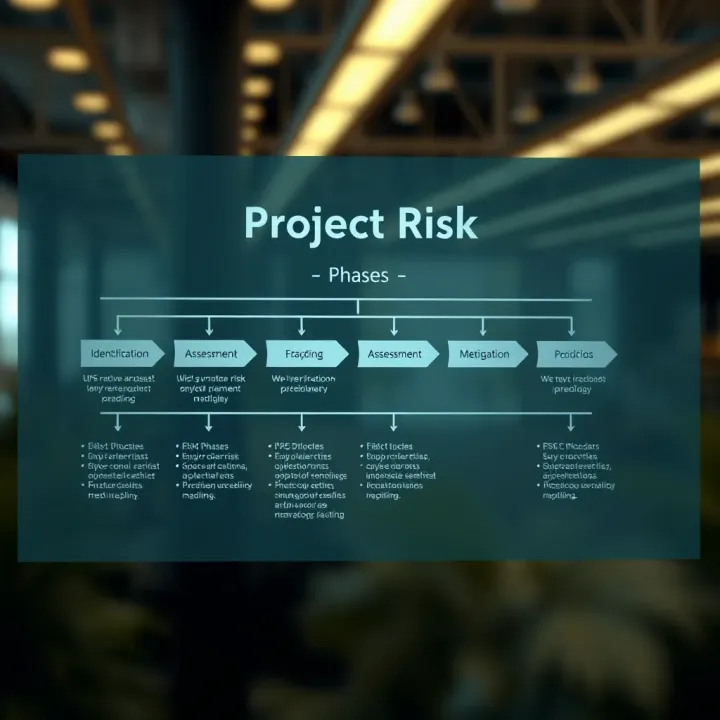
📊 Learn how to identify, assess, and manage risks in Kenyan projects. Get practical steps and tools for teams to ensure smooth, successful project delivery. 🇰🇪

Learn practical principles of risk management to identify, assess, and handle risks effectively 🛡️ Protect your organisation and personal interests with informed decisions.
Based on 6 reviews